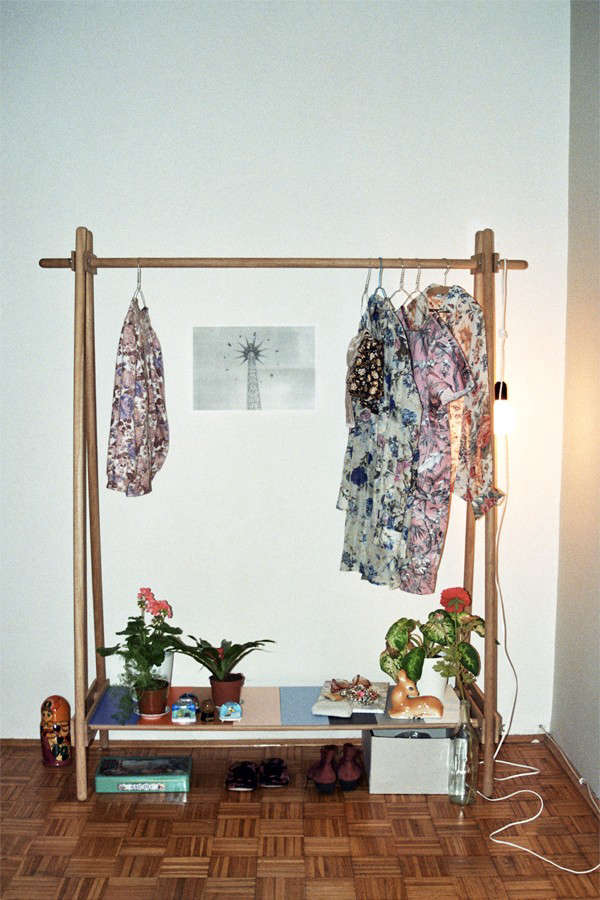
Open your closet. Take a deep breath. If a cardigan from 2014, three nearly identical black T-shirts, and one “I might wear this to a yacht party someday” dress tumble out, congratulations: you are a normal human with a wardrobe problem.
A capsule wardrobe is not a punishment, a beige-only dress code, or a solemn vow to wear the same blazer until retirement. It is simply a smaller, more intentional collection of clothes that fit your actual life, work together easily, and make getting dressed less like solving a cryptic crossword before coffee.
The goal is not to own the fewest garments possible. The goal is to own clothes you genuinely enjoy wearingand to make more outfits with less stress, less wasted money, and fewer “why did I buy this?” moments.
What Is a Capsule Wardrobe?
A capsule wardrobe is a curated group of versatile clothing, shoes, and accessories that can be mixed and matched into many outfits. Most capsule wardrobes include dependable basics, a few personality pieces, and enough variety to handle the situations that fill a normal week.
Think of it as your closet’s best team. Every piece should pull its weight. A jacket that works with jeans, trousers, skirts, and dresses is a team player. A shirt that only works with one pair of pants, one particular bra, and a full moon? That shirt may be emotionally attached to you, but it is not helping the team.
A good capsule wardrobe usually has these traits:
- Pieces coordinate with one another.
- Clothes suit your lifestyle rather than an imaginary version of it.
- Items are comfortable enough to wear repeatedly.
- Colors and fabrics work across multiple outfits.
- Personal style still has room to breathe.
There is no universal rule for how many pieces belong in a capsule wardrobe. Some people prefer a compact 20-piece seasonal edit. Others are happier with 40 to 60 pieces, especially when they need workwear, activewear, formal clothing, or clothing for changing weather. The right number is the number that makes your life easier without making you feel like a character in a minimalist documentary.
Why Create a Capsule Wardrobe?
The biggest benefit is simple: fewer decisions. When your clothes already work together, you spend less time trying on five outfits and rejecting all five like a very polite fashion judge.
A capsule wardrobe can also help you shop more thoughtfully. Instead of buying a random sweater because it looked charming under department-store lighting, you can ask whether it works with what you already own. That one question prevents a surprising number of closet orphans.
Capsule Wardrobe Benefits
- Faster mornings: Outfit options are easier to see and combine.
- Better cost per wear: You are more likely to buy items you will use often.
- Less closet clutter: Your favorite clothes become visible instead of buried.
- More personal style: You learn what colors, cuts, and fabrics actually make you feel good.
- Easier travel packing: A travel capsule wardrobe keeps your suitcase from becoming a textile avalanche.
- More outfit creativity: Repeating pieces does not mean repeating the same look.
The secret is not owning “timeless basics” just because a checklist says you should. A crisp white button-down may be a wardrobe hero for one person and a permanently wrinkled napkin for another. Your wardrobe should support your real routine, your comfort level, and your personality.
How to Create a Capsule Wardrobe Step by Step
1. Start With Your Real Life, Not a Pinterest Fantasy
Before you touch a hanger, think about how you spend your time. Write down the types of outfits you need during a typical month.
For example, your life may include:
- Three days in a relaxed office
- Two remote-work days
- Weekend errands and social plans
- Gym sessions or outdoor walks
- One dressier dinner or event
- School drop-offs, travel, or caregiving responsibilities
Your wardrobe should reflect those categories. If you work from home and walk the dog twice a day, you probably need more practical layers and comfortable shoes than formal blazers. If you attend client meetings, tailored pants and polished tops may deserve a larger share of closet real estate.
A capsule wardrobe is about dressing for your life as it exists nownot the life where you attend garden parties every Friday and somehow never spill coffee.
2. Pull Out Your Most-Worn Clothes
Start with the pieces you already wear on repeat. These are your wardrobe clues. Look for the jeans you always grab, the jacket that makes every outfit feel finished, the sneakers that never hurt your feet, and the sweater you wear until someone politely asks whether you own other sweaters.
Place your favorites in one pile. Then ask:
- Why do I wear this so often?
- Do I like the fit, color, fabric, or level of comfort?
- What other items work with it?
- Would I buy it again today?
Your answers will help reveal your personal uniform. Maybe you are a jeans-and-knitwear person. Maybe dresses are your secret weapon. Maybe wide-leg pants make you feel like you have your life together, even when your inbox says otherwise.
3. Choose a Flexible Color Palette
A color palette makes mixing and matching easier, but it does not have to mean black, white, gray, and the emotional absence of joy.
Pick two or three neutral base colors that you enjoy wearing. These might include navy, charcoal, cream, camel, chocolate brown, olive, denim blue, or black. Then add one or two accent colors that make you happy, such as burgundy, cobalt, coral, forest green, mustard, lavender, or red.
For example, a warm capsule wardrobe could use:
- Base colors: cream, olive, medium-wash denim
- Accent colors: rust and soft pink
- Metal preference: gold-toned jewelry
A cooler palette could include charcoal, navy, white, icy blue, and berry tones. The important part is not following color-analysis rules with military precision. It is choosing colors that naturally work together and make you want to get dressed.
4. Build Around Outfit Formulas
Outfit formulas are repeatable combinations that save time. They are not boring; they are the reason some people look consistently put together while appearing to have done absolutely nothing.
Try creating three to five formulas you can use regularly:
- Jeans + fitted tee + overshirt or cardigan + sneakers
- Trousers + knit top + blazer or structured jacket + loafers
- Midi dress + denim jacket + ankle boots
- Relaxed pants + tucked-in shirt + belt + flats
- Dark denim + elevated top + statement earrings + boots
Once you know your formulas, choose pieces that fit into at least two of them. This prevents you from buying clothes that look fabulous in a fitting room but become mysterious artifacts once they arrive home.
5. Pick Your Core Capsule Wardrobe Pieces
There is no mandatory capsule wardrobe checklist, but a practical starter collection may include a balance of tops, bottoms, layers, shoes, and one-piece outfits. Adjust the list for your climate, job, style, and laundry situation.
Example 25-Piece Capsule Wardrobe
- 4 everyday tops, such as tees, tanks, or long-sleeve shirts
- 3 elevated tops for work, dinner, or social plans
- 2 sweaters or lightweight knits
- 1 button-down shirt or overshirt
- 2 pairs of jeans in cuts you truly like
- 2 trousers, skirts, shorts, or casual pants
- 1 versatile dress or jumpsuit
- 1 casual jacket, such as denim, utility, or bomber
- 1 polished outer layer, such as a blazer, trench, or tailored jacket
- 1 weather-appropriate coat or heavier layer
- 1 everyday sneaker
- 1 polished flat, loafer, boot, or low heel
- 1 season-specific shoe, such as sandals or weatherproof boots
- 2 bags that meet your daily needs
- 2 to 3 accessories, such as a belt, scarf, watch, or jewelry
This is not a law. You may need five dresses and no trousers. You may prefer sneakers over loafers, or bright prints over neutral layers. The best capsule wardrobe is the one you actually wear, not the one that performs best in an Instagram flat lay.
How to Decide What Stays and What Goes
Closet editing can feel dramatic because clothes often carry memories, hopes, and receipts from questionable online shopping decisions. You do not need to throw everything away in one afternoon. Start gently.
Use four simple categories:
- Keep: You wear it, it fits, and it works with your current life.
- Repair or tailor: You love it, but it needs a button, hem, zipper, or better fit.
- Store: Seasonal, sentimental, specialty, or occasional items.
- Release: Damaged beyond repair, uncomfortable, outdated for your style, or never worn.
A helpful test is the “three-outfit rule.” Before keeping or buying an item, name three outfits you can create with it. If the answer requires borrowing clothing from a fictional future closet, put it back.
Another useful question: “Would I be happy to wear this tomorrow?” Not “Could I technically wear this?” Not “Was this expensive?” Not “Will fashion eventually circle back?” Tomorrow. That question cuts through a lot of emotional fog.
How to Shop for a Capsule Wardrobe Without Overspending
Creating a capsule wardrobe does not require a dramatic shopping spree. In fact, the fastest way to build a useless capsule is to buy twenty “essentials” before learning what you already own.
Start with your closet. Identify gaps only after you have tried making outfits. Maybe you have plenty of tops but no pants that feel polished. Maybe you own six jackets but no comfortable shoes. Maybe your entire wardrobe is waiting for one great everyday bag to bring order to the chaos.
Smart Shopping Questions
- Can I wear this in at least three different outfits?
- Does it suit my body and comfort preferences?
- Will it work in more than one season?
- Can I care for it realistically?
- Do I own something similar already?
- Would I still want it if nobody saw it on social media?
Spend more carefully on items you wear constantly, such as jeans, work shoes, a bag, a coat, or a jacket. Save on trend-led pieces, seasonal colors, and items likely to get heavy wear and frequent washing, such as simple T-shirts.
Secondhand stores, resale platforms, clothing swaps, and local consignment shops can also be excellent places to find high-quality capsule wardrobe basics. A pre-loved trench coat has character. A pre-loved blazer has probably already attended more meetings than most of us want to.
How to Add Personality to a Minimal Capsule Wardrobe
A capsule wardrobe should not erase your personality. The most effective wardrobes balance useful basics with a few pieces that make you smile when you see them.
Add personality through:
- Interesting textures, such as linen, suede, denim, knitwear, or leather
- Colorful shoes or bags
- Jewelry with sentimental value
- Printed scarves or patterned tops
- A signature jacket, hat, watch, or pair of glasses
- One or two “fun” pieces that instantly make an outfit feel like you
The idea is to make your basics work harder so your statement pieces can shine. A colorful skirt may become surprisingly versatile when it works with your favorite tee, sweater, jacket, and shoes. The capsule wardrobe is not about removing the sparkle. It is about giving the sparkle a dependable supporting cast.
Common Capsule Wardrobe Mistakes
Trying to Copy Someone Else’s Closet
A fashion creator may look fantastic in tailored trousers, tiny handbags, and spotless white sneakers. That does not mean those pieces belong in your life. Your capsule wardrobe should match your climate, comfort needs, work requirements, body preferences, and personality.
Buying Everything New
Start with what you own. Build slowly. Replace worn-out essentials as needed. A capsule wardrobe develops over time, much like good personal style and the ability to fold fitted sheets without crying.
Choosing “Classic” Pieces You Do Not Like
If you hate blazers, do not buy a blazer because every wardrobe checklist includes one. A knit jacket, cropped utility jacket, long cardigan, structured overshirt, or polished sweater may do the same job more naturally for you.
Forgetting About Weather and Laundry
Your clothing has to survive your real routine. If you live somewhere rainy, slippery suede shoes may not be a wise everyday choice. If you hate hand-washing, do not fill your wardrobe with garments that require museum-level conservation.
Video-Friendly Capsule Wardrobe Plan: Build It in One Afternoon
Want a simple process you can follow while watching a video or filming your own wardrobe reset? Use this four-part method:
- Pull: Take out your favorite clothes from the current season.
- Pair: Make five to ten complete outfits from those favorites.
- Patch: Identify the true gaps, such as better shoes, a layering piece, or one versatile bottom.
- Pause: Wait before shopping. Wear what you have for two weeks and see what you actually miss.
This pause matters. Sometimes you think you need another sweater when you really need to hem a pair of pants, replace an uncomfortable bra, or remember that your favorite jacket exists.
A Realistic 30-Day Capsule Wardrobe Experience
For many people, the first week of a capsule wardrobe feels oddly quiet. The closet looks less crowded, but the mind can still be noisy. There may be a moment when you stand in front of fewer options and think, “Wait, where are all my clothes?” This is normal. Your brain has been trained to equate abundance with choice, even when half the abundance consists of clothes you never wear.
During the first few days, outfit repetition may feel more noticeable than it actually is. You might wear the same jeans twice in one week or rotate the same sneakers more often. Then something surprising happens: nobody cares. Most people are busy thinking about their own lives, their own schedules, and whether they remembered to answer that one email. Outfit repetition becomes less embarrassing and more liberating.
By the second week, patterns start to appear. You may discover that one sweater is always too warm, one pair of pants never feels right after lunch, or one jacket turns even a basic outfit into something polished. These are valuable discoveries. A capsule wardrobe is not just a clothing project; it is a research project about your own comfort and habits.
One practical change is how much easier packing becomes. Instead of taking three “just in case” outfits for a weekend trip, you can choose a small set of tops, bottoms, layers, and shoes that already work together. Suddenly, your carry-on has room for souvenirs, snacks, or the tiny amount of emotional stability that comes from not checking a bag.
Another change is financial. You may still want new clothes, because being alive near the internet makes that nearly unavoidable. But your shopping becomes more focused. Rather than buying a trendy item because it looks exciting online, you begin asking what it would do in your closet. Does it complete outfits? Does it replace something worn out? Does it work with your preferred colors? Would you wear it next Tuesday, not just on a glamorous imaginary vacation?
By the end of 30 days, the biggest win is usually confidence. You know which cuts flatter you, which shoes you can actually walk in, and which colors make you feel awake and capable. You may not own fewer clothes forever. You may add pieces, remove pieces, or create separate capsules for work, travel, and seasons. But you will have a clearer systemand a closet that feels more like yours.
Final Thoughts: Build a Wardrobe That Works for You
A capsule wardrobe is not about deprivation. It is about reducing the gap between what you own and what you actually wear. Build it slowly, let it evolve, and leave room for color, comfort, personality, and the occasional delightfully impractical item.
Your closet does not need to be perfect. It just needs to make daily life easier. Start with your favorites, create a few reliable outfit formulas, and make future purchases earn their hanger space. That is how a capsule wardrobe becomes less of a trend and more of a useful tool.