A child complains about stiff, painful joints. A parent assumes it is a playground injury, growing pains, or perhaps an unusually dramatic objection to getting ready for school. Then the medical appointments begin, and the family learns that the problem is not ordinary soreness at all.
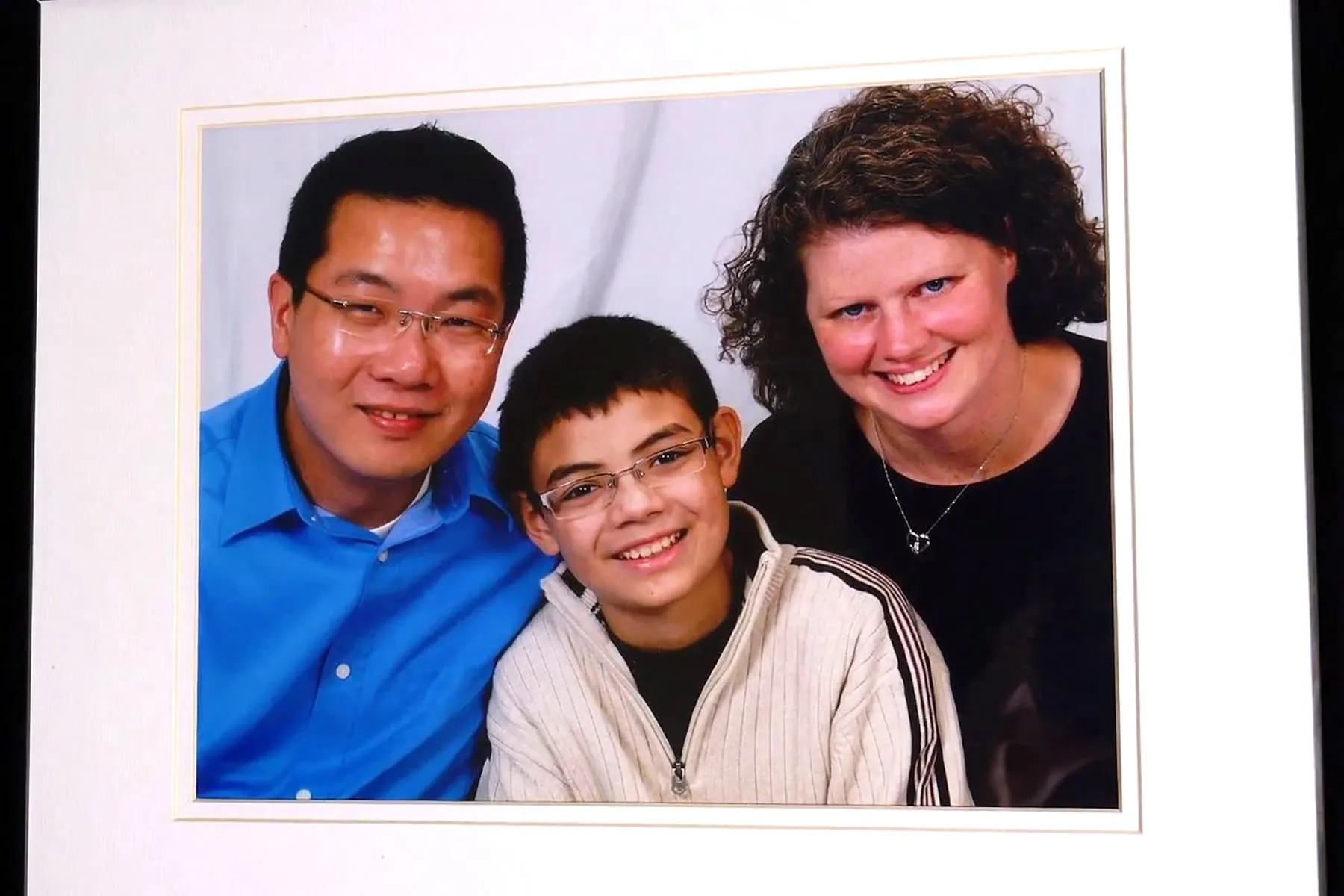
In a WebMD video about their unexpected journey, Andy Moy and his mother, Jaime, share an unusual family experience with psoriatic arthritis. Andy received his diagnosis while he was in kindergarten. Three years later, Jaime discovered that she had the same chronic inflammatory disease.
Their story is surprising, but it highlights several important truths: psoriatic arthritis can affect children, symptoms do not always arrive in textbook order, and family medical history may contain valuable clues. Most importantly, persistent joint symptoms deserve attentioneven when they initially look like something minor.
What the Mother-and-Son Psoriatic Arthritis Video Reveals
The central lesson in Andy and Jaime’s story is not that every aching joint signals an autoimmune disease. Most everyday aches do not. Instead, the video shows why patterns matter. Recurring swelling, prolonged morning stiffness, unexplained fatigue, skin changes, and symptoms that interfere with normal activities should not be dismissed simply because the person experiencing them is young.
Andy was diagnosed with psoriatic arthritis in kindergarten, an age when adults may be more likely to suspect a scraped knee than chronic inflammation. Jaime’s diagnosis three years later added another unexpected piece to the family puzzle. Their experiences demonstrate how psoriatic disease can appear differently across generations and at very different stages of life.
The video also offers something a medical definition cannot: recognition. Watching a parent and child discuss the same condition may help other families feel less isolated. A diagnosis can be frightening, but finding a name for the problem can also replace confusion with a plan.
What Is Psoriatic Arthritis?
Psoriatic arthritis, commonly abbreviated as PsA, is a chronic inflammatory disease involving the immune system. It can affect joints, tendons, ligaments, skin, and nails. The condition is associated with psoriasis, an immune-mediated disease that causes inflamed, scaly skin patches.
Many people develop psoriasis before arthritis symptoms, sometimes by several years. However, the sequence is not guaranteed. Joint problems can appear at about the same time as the skin condition, and a smaller group develops arthritis before obvious psoriasis. In other words, the disease does not always read the instruction manual.
Psoriatic arthritis is not contagious. A child cannot catch it from a parent, classmate, shared towel, or suspicious-looking locker-room bench. Genetics can influence susceptibility, but inherited risk is different from direct transmission.
Why Early Recognition Matters
Inflammation that remains uncontrolled can gradually damage joints and reduce mobility. Some structural joint damage may be irreversible, which is why early evaluation and appropriate treatment are emphasized by rheumatology and dermatology organizations.
There is currently no cure, but modern treatments can reduce inflammation, ease symptoms, protect joints, and help many people reach low disease activity or remission. Remission means the disease is well controlled; it does not necessarily mean it has permanently disappeared.
How Psoriatic Arthritis Can Run in Families
Andy and Jaime’s diagnoses naturally raise a common question: Is psoriatic arthritis hereditary? The best answer is “partly, but not predictably.” Research indicates that approximately one-third to one-half of people with psoriatic arthritis have a first-degree relative with psoriasis or PsA. A first-degree relative includes a biological parent, sibling, or child.
Scientists have identified numerous genetic variations connected with immune regulation and psoriatic disease. No single “PsA gene,” however, can reliably announce who will develop the condition. Genes create susceptibility, while immune activity and environmental influences may also contribute.
A family history therefore raises awareness rather than guaranteeing a diagnosis. One relative may have extensive psoriasis but no arthritis. Another may experience significant joint inflammation with only subtle scalp, belly-button, ear, or nail changes. A third may never develop either condition.
Should an Entire Family Get Genetic Testing?
Routine genetic testing cannot accurately predict who will develop psoriatic arthritis, so it is not generally used as a screening test for healthy family members. A more practical strategy is knowing the warning signs, sharing family history with healthcare professionals, and arranging an evaluation when persistent symptoms appear.
Symptoms Families Should Recognize
Psoriatic arthritis varies considerably from one person to another. It may affect only a few joints or involve many areas of the body. Symptoms may improve for a period and then return during a flare.
Common signs include:
- Joint pain, warmth, tenderness, or visible swelling
- Morning stiffness that lasts longer than ordinary sleep-related creakiness
- Reduced range of motion or difficulty completing familiar activities
- A whole swollen finger or toe, known as dactylitis or a “sausage digit”
- Heel pain or tenderness where a tendon attaches to bone
- Lower-back or pelvic stiffness caused by possible spinal involvement
- Fatigue that seems disproportionate to recent activity
- Scaly, itchy, or inflamed areas of skin
- Nail pitting, crumbling, discoloration, or separation from the nail bed
Children may not describe pain clearly. Instead, a parent might notice limping, reluctance to participate in sports, difficulty using a hand, unusual morning slowness, or repeated requests to be carried. A normally energetic child who suddenly negotiates with the staircase like it is a mountain deserves a closer look.
Symptoms That Need Prompt Medical Attention
A painful red eye, light sensitivity, or blurred vision requires prompt evaluation because inflammatory eye disease can occur with psoriatic arthritis. Fever accompanied by a hot, severely swollen joint also needs urgent medical care, since infection and other serious conditions must be ruled out.
Why Psoriatic Arthritis Can Be Difficult to Diagnose
There is no single blood test that confirms psoriatic arthritis. Diagnosis is closer to assembling a puzzle than scanning one magical laboratory result. A rheumatologist typically reviews symptoms, family history, previous illnesses, skin findings, nail changes, and the pattern of affected joints.
The physical examination may include checking swollen joints, tender tendon attachments, fingers, toes, spine, scalp, skin folds, and nails. A dermatologist may help identify psoriasis that is mild, hidden, or easily mistaken for eczema, dandruff, or another skin problem.
Blood tests can measure inflammation and help exclude competing explanations. Tests for rheumatoid factor and anti-CCP antibodies may help distinguish PsA from rheumatoid arthritis, although results are not absolute. Joint-fluid analysis may be needed when gout or infection is possible.
X-rays can reveal structural changes, while ultrasound or MRI may detect inflammation in joints, tendons, and entheses before damage becomes obvious on a standard X-ray. Doctors must also consider injuries, juvenile idiopathic arthritis, rheumatoid arthritis, osteoarthritis, gout, infections, and other inflammatory conditions.
Make the Medical Appointment More Useful
Before an appointment, record when symptoms began, which areas hurt, how long morning stiffness lasts, and whether movement improves or worsens the discomfort. Photograph swelling or rashes that come and go. Bring a medication list and note any relatives with psoriasis, arthritis, inflammatory bowel disease, or related immune-mediated conditions.
This information is especially valuable when symptoms behave perfectly on appointment day. Chronic conditions occasionally develop impeccable comedic timing.
Treatment Is Personalized, Not One-Size-Fits-All
Treatment depends on age, disease severity, affected areas, other medical conditions, and whether skin or joint symptoms are most prominent. Children with juvenile psoriatic arthritis require pediatric expertise because medication choices and doses differ from those used in adults.
For limited or mild symptoms, a clinician may consider nonsteroidal anti-inflammatory drugs. Corticosteroid injections can sometimes reduce inflammation in a particular joint. Persistent or more active disease may require a disease-modifying antirheumatic drug, commonly called a DMARD.
Biologic medicines target specific immune pathways involved in inflammation, including tumor necrosis factor or certain interleukins. Other targeted oral therapies are available for some adults. These treatments have different benefits, monitoring requirements, and potential risks, including infection concerns. Medication decisions should therefore be made with a qualified healthcare professional rather than copied from another patient’s plan.
Physical therapy can support strength and mobility, while occupational therapy can make school, work, and household activities easier on painful joints. Low-impact movement, appropriate rest, stress management, good sleep, and weight management may complement medical treatment. They do not replace medications when disease-modifying therapy is needed.
Lessons Parents Can Take From Andy and Jaime’s Story
Listen to Patterns, Not Just Individual Complaints
One sore knee after soccer may be an injury. Repeated swelling, morning stiffness, fatigue, or pain without a clear explanation forms a different pattern. Parents do not need to diagnose that pattern, but they can document it and bring it to a pediatrician.
Tell Doctors About Both Sides of the Family
Psoriasis in a parent, grandparent, aunt, uncle, or sibling may be clinically relevant even if nobody uses the words “psoriatic arthritis.” Mention nail disease and unexplained inflammatory arthritis as well as diagnosed psoriasis.
Do Not Wait for a Dramatic Rash
Psoriatic arthritis can occur before noticeable psoriasis. Skin disease may also hide on the scalp, behind the ears, around the belly button, or in body folds. Joint symptoms should be evaluated on their own merits.
Give Children Age-Appropriate Information
A child may fear that arthritis means never playing again or that an injection is a punishment. Clear explanations help. Parents can describe treatment as a way to calm an overactive immune system and protect the child’s ability to move, learn, and enjoy favorite activities.
What a Personal Video Canand CannotTell Viewers
A patient video can make a complicated disease understandable. It can show the emotional whiplash of diagnosis, the value of family support, and the relief that comes from being believed. It may also encourage viewers to recognize symptoms they had been minimizing.
However, Andy and Jaime’s experience is not a diagnostic checklist. Another family may have different symptoms, test results, treatments, or outcomes. Similar pain can come from many conditions, and having an affected relative does not prove that a viewer has PsA.
The healthiest response to a relatable video is not panic or self-diagnosis. It is curiosity followed by an appropriate medical conversation.
Conclusion: A Surprise Diagnosis Can Become a Useful Family Conversation
The story of a mother and son diagnosed with psoriatic arthritis illustrates how unpredictable psoriatic disease can be. Andy’s childhood diagnosis challenged the misconception that inflammatory arthritis belongs only to older adults. Jaime’s diagnosis three years later demonstrated why family history can become meaningful after symptoms emerge.
The practical message is reassuring: recognizing psoriatic arthritis early creates more opportunities to control inflammation and protect long-term function. Families should watch for persistent stiffness, swollen joints or digits, heel pain, nail changes, psoriasis, fatigue, and unexplained reductions in activity. They should also remember that modern care is individualized and often involves cooperation among rheumatologists, dermatologists, pediatric specialists, therapists, and primary care clinicians.
Extended Family Experiences: Life After a Psoriatic Arthritis Diagnosis
The experiences below describe common situations families may encounter; they are illustrative and are not additional claims about Andy or Jaime.
The Relief Hidden Inside a Difficult Answer
Before diagnosis, families often live in an uncomfortable middle ground. The symptoms are real, but the explanation is missing. A child may stop running at recess, struggle to open a lunch container, or take longer to get dressed. Adults may quietly rearrange their routines around pain while wondering whether they are simply tired, out of shape, or becoming unusually incompatible with mornings.
Receiving a chronic-disease diagnosis can bring fear, but it may also bring validation. There is finally a reason for the stiffness and fatigue. The child was not being lazy. The parent was not exaggerating. That emotional shift matters because treatment begins with recognizing that the problem deserves care.
Learning a New Family Vocabulary
Families quickly acquire terms they never expected to use over breakfast: rheumatologist, inflammation, enthesitis, DMARD, biologic, flare. At first, the language can feel like homework assigned by a particularly ambitious science teacher. Over time, it becomes a practical toolkit.
A child may learn to say, “My ankle is stiff today,” rather than simply refusing an activity. A parent may learn the difference between ordinary post-exercise soreness and a recurring inflammatory pattern. Teachers, coaches, and relatives can also provide better support when they understand that symptoms may fluctuate.
Managing School Without Defining the Child by Disease
School presents practical challenges. Morning stiffness can make arriving on time difficult. Hand pain may affect writing, keyboard use, or art projects. Fatigue can make a full day feel like a marathon conducted under fluorescent lighting.
Reasonable supports might include extra time between classes, movement breaks, modified physical education, an ergonomic writing tool, permission to type, or flexibility during flares. The goal is participation, not permanent exemption from childhood. A student with psoriatic arthritis is still a student with jokes, interests, friendships, and probably strong opinions about cafeteria pizza.
When a Parent and Child Share the Condition
A shared diagnosis can create a distinctive bond. The parent may understand why the child cannot “push through” certain days, while the child sees an adult attending appointments, asking questions, and managing treatment responsibly. That example can reduce shame and make self-advocacy feel normal.
Shared illness can also complicate family life. Both people may flare at once. The parent may feel guilty about the genetic connection, even though nobody chooses the genes they pass along. Children may worry about the parent’s health while parents worry about the child’s future. Honest, age-appropriate conversations can keep those fears from expanding in silence.
Adjusting Without Surrendering Everything Enjoyable
Living well with PsA often involves adaptation rather than abandonment. A child may alternate high-impact sports with swimming or cycling. An adult may divide a large task into shorter sessions, use heat or cold as recommended, and schedule recovery time after demanding days.
Good management is not measured by pretending pain never exists. It is measured by controlling disease activity, preserving function, communicating with the care team, and building a life that remains larger than the diagnosis. Treatment plans may change, symptoms may fluctuate, and some days will be untidy. Progress is still possible.
Turning Experience Into Advocacy
Some families eventually share their stories, participate in community events, or help newly diagnosed patients understand what the first months may feel like. Others advocate quietly by teaching one coach, one relative, or one healthcare professional to take a child’s symptoms seriously.
That is the lasting value of a video like Andy and Jaime’s. It transforms an uncommon medical journey into a recognizable human one: noticing that something is wrong, searching for answers, receiving an unexpected diagnosis, and moving forward together.