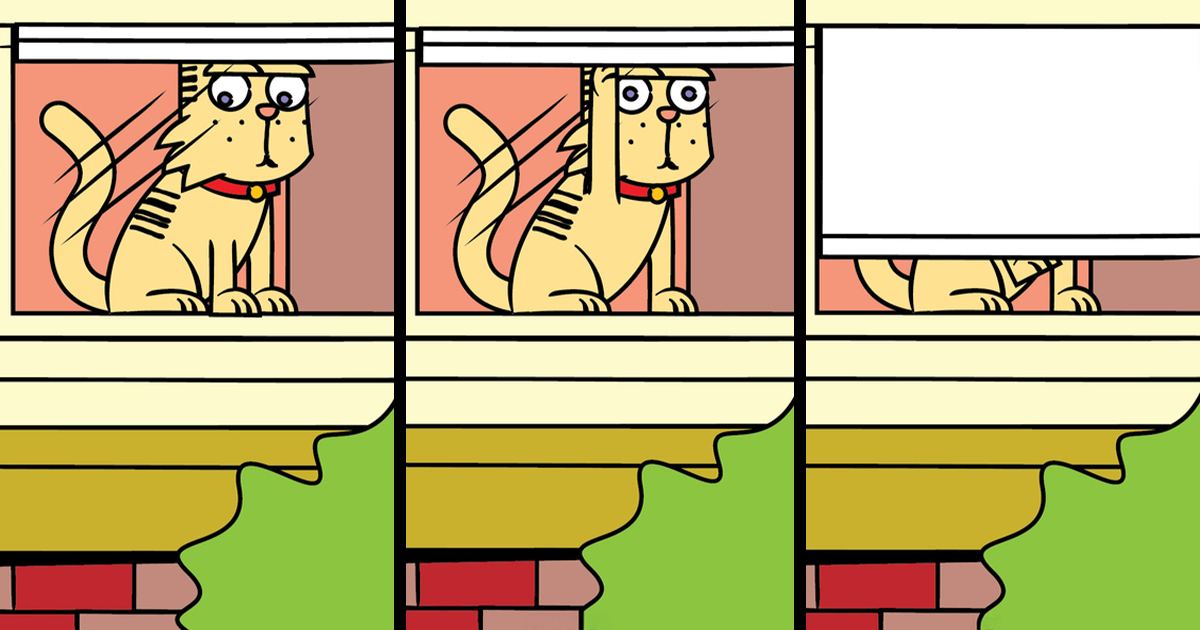
Someone with inattentive ADHD may sit quietly through a meeting, appear calm in class, and rarely interrupt anyone. Meanwhile, their thoughts are bouncing between an unfinished assignment, a forgotten appointment, three unrelated ideas, and the mysterious location of the keys they were holding five minutes ago.
Because this presentation of attention-deficit/hyperactivity disorder is not always physically disruptive, it can remain unnoticed for years. Children may be called dreamy or careless. Adults may be labeled disorganized, unreliable, or unmotivated. In reality, they may be working remarkably hard to manage differences in attention, working memory, organization, and task initiation.
Understanding ADHD inattentive type means looking beyond the stereotype of a constantly moving child. It means recognizing a legitimate neurodevelopmental condition that can affect school, work, relationships, household responsibilities, and self-esteem.
What Is ADHD Inattentive Type?
ADHD is a neurodevelopmental disorder involving an ongoing pattern of inattention, hyperactivity-impulsivity, or both. Clinicians currently describe three presentations: predominantly inattentive, predominantly hyperactive-impulsive, and combined presentation.
The phrase ADHD inattentive type remains common in everyday conversation, but “predominantly inattentive presentation” is the more current clinical wording. The word presentation matters because a person’s symptom pattern can change over time. A child who once showed both hyperactive and inattentive symptoms, for example, may mainly struggle with inattention as an adult.
Is Inattentive ADHD the Same as ADD?
Mostly, yesat least in ordinary conversation. “ADD,” or attention deficit disorder, is an older term that was commonly used for people who had attention difficulties without obvious hyperactivity. ADD is no longer a separate official diagnosis. Today, those symptoms generally fall under ADHD, predominantly inattentive presentation.
The change can sound confusing. After all, why include the word “hyperactivity” when someone is not visibly hyperactive? Think of ADHD as the name of the broader condition rather than a checklist that every person must match in exactly the same way.
Common Symptoms of Inattentive ADHD
Everybody forgets an appointment, loses a pen, or zones out during a presentation occasionally. ADHD symptoms are different because they are persistent, developmentally inappropriate, and disruptive enough to interfere with daily functioning.
The recognized inattention symptoms include:
- Frequently overlooking details or making avoidable mistakes
- Having difficulty maintaining attention during tasks, conversations, reading, or lectures
- Seeming not to listen when spoken to directly
- Starting instructions or projects but failing to finish them
- Struggling to organize tasks, materials, schedules, or responsibilities
- Avoiding or delaying activities that require sustained mental effort
- Frequently losing items such as keys, school supplies, documents, phones, or glasses
- Becoming easily distracted by sounds, sights, thoughts, or unrelated activities
- Forgetting everyday responsibilities, plans, deadlines, or errands
These behaviors are not proof of ADHD by themselves. A proper ADHD diagnosis considers how often they happen, how long they have been present, where they occur, and how much impairment they cause.
Executive Function Difficulties
Many challenges associated with inattentive ADHD involve executive functionsthe mental skills used to plan, prioritize, begin, monitor, and complete tasks.
A person may understand exactly what needs to be done yet struggle to translate that knowledge into action. This can create the frustrating experience of staring at a simple task as though it has suddenly become a 47-step government application.
Common executive function difficulties include:
- Estimating how long a task will take
- Choosing which responsibility to handle first
- Holding several instructions in working memory
- Transitioning from one activity to another
- Starting boring, repetitive, or unclear work
- Monitoring progress without external reminders
How Inattentive ADHD Looks at Different Ages
In Children
A child with inattentive ADHD may not run around the classroom or create obvious behavior problems. Instead, the child may stare out the window, miss instructions, leave worksheets unfinished, forget to bring assignments home, or repeatedly lose school supplies.
Teachers may notice inconsistent performance. The child understands a math concept on Monday but forgets steps on Tuesday. A book report is thoughtful but submitted three days late. A backpack contains six pencils, two snack wrappers, and no homework.
Because these children are often quiet, adults may assume they are not trying. Some are described as shy, spacey, slow, or careless when they are actually struggling to regulate attention and manage information.
In Teenagers
Inattentive ADHD may become more noticeable when academic and social demands increase. Teenagers must track multiple classes, long-term assignments, changing schedules, extracurricular activities, and greater personal responsibility.
Possible signs include chronic procrastination, forgotten deadlines, difficulty taking notes while listening, poor time management, messy materials, and late-night panic sessions before assignments are due. Emotional stress can increase when teenagers compare themselves with classmates who seem to complete routine work effortlessly.
In Adults
Adult ADHD does not suddenly appear at age 30, although it may be diagnosed then. Symptoms begin during childhood, but earlier signs may have been overlooked, compensated for, or hidden by structured environments.
Adults with predominantly inattentive ADHD may struggle with email overload, paperwork, bills, household chores, meeting preparation, appointment management, or projects without immediate deadlines. They may arrive late despite sincere efforts to be punctual, forget what they intended to say during conversations, or move from task to task without finishing any of them.
Some adults function well in fast-moving, stimulating situations but struggle with routine administration. They may brilliantly solve an urgent problem and then forget to submit the expense report about it for six weeks.
Why Inattentive ADHD Can Be Missed
Hyperactive behavior attracts attention. Quiet inattention often does not. A student who repeatedly leaves a seat may be referred for an evaluation quickly, while a student who silently misses half the lesson may simply receive lower grades.
Girls and women have historically been especially likely to go unrecognized when their symptoms are primarily inattentive. Some develop elaborate coping systems, work late to compensate, or direct their frustration inward. Anxiety, perfectionism, shame, and exhaustion may become more visible than the underlying attention difficulties.
Intelligence and academic success can also delay recognition. A bright student may compensate through elementary school and begin struggling only when assignments require more independent planning. Similarly, an adult may function well in a highly structured job but encounter major difficulties after a promotion, a move, parenthood, or another change that increases organizational demands.
What Causes Inattentive ADHD?
ADHD is not caused by laziness, weak character, poor parenting, or an insufficiently decorative planner. Research indicates that ADHD is strongly influenced by genetics and differences in brain development and functioning. Environmental and developmental factors may also contribute to risk, but no single cause explains every case.
Parenting style does not create ADHD. However, a predictable and supportive environment can make symptoms easier to manage, just as chaotic or unclear expectations can make them more difficult.
Social media, video games, and smartphones do not explain the existence of ADHD, although frequent interruptions and highly stimulating digital environments can make concentration more difficult for almost anyone. A clinician therefore looks for a long-standing pattern rather than assuming that every distracted person has a disorder.
How Inattentive ADHD Is Diagnosed
There is no blood test, brain scan, online quiz, or single computerized task that can independently diagnose ADHD. Diagnosis requires a comprehensive clinical evaluation.
For predominantly inattentive presentation, children up to age 16 generally must show at least six recognized symptoms of inattention. People age 17 and older generally must show at least five. Symptoms must have persisted for at least six months, several must have been present before age 12, and difficulties must appear in two or more settings, such as home, school, work, or social situations.
The symptoms must also interfere with functioning and cannot be better explained by another condition.
What an Evaluation May Include
- A detailed history of current symptoms and childhood behavior
- Information about academic, occupational, social, and family functioning
- Standardized ADHD rating scales
- Input from parents, teachers, partners, relatives, or other observers when appropriate
- A medical and mental health history
- Screening for learning disorders and coexisting conditions
- Review of sleep, medications, substance use, stress, and physical health
Rating scales can provide useful information, but they are tools rather than verdict machines. A qualified professional interprets them in the context of the person’s full history.
Conditions That Can Resemble ADHD
Concentration problems can arise from many causes. Anxiety, depression, sleep disorders, trauma, learning disabilities, hearing or vision problems, thyroid conditions, medication effects, substance use, and severe stress may produce symptoms that resemble ADHD.
These conditions are not always alternatives to ADHD. A person may have ADHD and anxiety, ADHD and dyslexia, or ADHD and a sleep disorder. Identifying the full picture is essential because treatment should address every significant contributor.
Treatment for ADHD Inattentive Type
ADHD treatment is individualized. The goal is not to transform someone into a productivity machine who color-codes breakfast. The goal is to reduce impairment, support healthy development, and make daily life more manageable.
Medication
Medication can improve core ADHD symptoms for many children and adults. Options include stimulant medications, such as methylphenidate- or amphetamine-based products, and nonstimulant medications, including atomoxetine, guanfacine, clonidine, and viloxazine.
The right choice depends on age, health history, symptom pattern, side effects, personal preferences, and other conditions. Medication should be prescribed and monitored by a qualified healthcare professional. Follow-up may include reviewing appetite, sleep, mood, blood pressure, heart rate, growth in children, effectiveness, and any problems with misuse or diversion.
Behavioral Therapy and Parent Training
Behavioral approaches can help establish routines, clarify expectations, reinforce useful habits, and reduce conflict. For younger children, parent training in behavior management is particularly important. Parents learn to give clear instructions, provide immediate feedback, reinforce progress, and create consistent structures.
Cognitive Behavioral Therapy and Skills Coaching
Adults and older teenagers may benefit from cognitive behavioral therapy, organizational-skills training, or ADHD-focused coaching. These approaches can address procrastination, negative self-talk, time management, emotional reactions, and practical problem-solving.
Coaching is not a replacement for medical or psychological treatment, but qualified support can help a person create systems that work in real life rather than systems that look magnificent for two days and then quietly disappear beneath a pile of mail.
School Support
Students whose ADHD substantially affects learning or another major life activity may qualify for services through an Individualized Education Program or accommodations under Section 504, depending on their needs and eligibility.
Helpful supports may include reduced-distraction testing spaces, written instructions, organizational assistance, planned movement breaks, extended testing time when appropriate, preferential seating, or help dividing long-term assignments into stages. Accommodations should match the student’s specific functional needs rather than follow a one-size-fits-all menu.
Practical Strategies for Daily Life
Externalize Memory
Do not rely on remembering to remember. Use visible calendars, alarms, checklists, labeled storage areas, automatic payments, medication organizers, and written follow-up notes. Important information should live outside the brain in a dependable system.
Make Tasks Smaller and More Specific
“Clean the house” is vague and intimidating. “Put the dishes in the dishwasher for ten minutes” has a clear starting point. Breaking tasks into small actions lowers the mental barrier to beginning.
Reduce Friction
Place frequently used items where they are needed. Keep a charger at the desk, a laundry basket where clothes usually land, and keys on a hook near the door. Good systems cooperate with actual behavior instead of demanding an entirely new personality.
Use Time Cues
Timers, calendar alerts, countdown clocks, and transition warnings make time more visible. Setting an alarm for the time to leavenot merely the appointment timecan prevent the classic experience of being technically aware of a meeting while still standing in the kitchen.
Protect Sleep and Physical Health
Consistent sleep, regular physical activity, balanced meals, and management of other health conditions can support attention, mood, and stress tolerance. These habits do not cure ADHD, but poor sleep and chronic stress can magnify existing difficulties.
Experiences Related to Living With Inattentive ADHD
The following examples are composites created to illustrate common experiences. They are not direct accounts from specific patients.
The Student Who Appears to Be Daydreaming
A middle-school student listens carefully as the teacher explains an assignment. She understands the topic and plans to begin immediately. Then another student drops a pencil, a truck passes outside, and she remembers a question about tomorrow’s science experiment. When she looks back at the board, everyone else has started working.
She is embarrassed to ask for the instructions again, so she copies what the student beside her is doing. At home, she realizes the worksheet is still in her desk. Adults tell her to pay closer attention. She is already trying so hard to pay attention that the instruction feels like telling someone with poor vision to “look more accurately.”
After an evaluation, her family and school begin using written instructions, assignment checks, and a predictable homework routine. The work is still work, but she no longer has to reconstruct every task from scattered clues.
The Adult Who Is Always Catching Up
An office employee is creative, generous, and excellent during urgent projects. Coworkers often turn to him when a problem requires quick thinking. Routine documentation is another story. He opens an email, remembers a related spreadsheet, notices an unanswered message, and begins researching something that will be useful next month. Two hours later, the original email remains unfinished.
He stays late to compensate and appears productive from the outside, but home life absorbs the cost. He forgets groceries, misses a bill, and has little energy left for his family. He interprets these patterns as personal failure because he can focus intensely in some circumstances. Why, he wonders, can he solve a crisis but not submit a form?
An adult ADHD evaluation helps explain that attention regulation is not simply a matter of having more or less attention. Context, urgency, novelty, structure, and interest can all affect performance. Treatment and practical systems help him schedule administrative blocks, silence notifications, use a single task list, and request written priorities from his manager.
The Parent Managing an Invisible Workload
A parent remembers the major responsibilities but repeatedly loses track of the tiny steps surrounding them: sign the field-trip form, refill a prescription, wash the sports uniform, answer the school message, and move the frozen food into the refrigerator before dinner.
Each forgotten detail feels small, yet the combined emotional burden is enormous. She worries that others see her as careless. She begins setting reminders but creates so many that they become background noise. Her phone is now enthusiastically reminding her of seventeen things she is avoiding.
With professional support, she replaces scattered alerts with a shared family calendar, a short evening reset routine, automatic refills, and one visible landing zone for school papers. The improvement does not come from suddenly trying harder. It comes from designing an environment that requires less invisible memory work.
The Emotional Experience of Late Diagnosis
Receiving an inattentive ADHD diagnosis in adulthood can bring relief, grief, skepticism, or all three before lunch. Relief may come from finally having an explanation. Grief may emerge while reconsidering years of criticism, missed opportunities, or unnecessary shame.
A diagnosis does not excuse harmful behavior or eliminate personal responsibility. It does, however, replace moral judgment with useful information. “I am lazy” offers nowhere to go. “I have difficulty initiating tasks without a clear cue” suggests practical solutions.
Many people gradually learn to separate their identity from their symptoms. They can acknowledge real challenges while also recognizing persistence, curiosity, creativity, empathy, problem-solving ability, or other individual strengths. Not every person with ADHD shares the same talents, and the condition should not be romanticized. The important shift is understanding that difficulty does not equal deficiency.
Conclusion: Understanding Changes the Story
ADHD inattentive type is more than occasional distraction. It is a persistent pattern that can affect attention, organization, working memory, task completion, and everyday functioning across multiple settings.
Because the signs may be quiet, people with predominantly inattentive ADHD are sometimes overlooked until school, work, or family demands overwhelm their coping strategies. A comprehensive evaluation can distinguish ADHD from look-alike conditions and identify any concerns occurring alongside it.
With appropriate treatment, accommodations, practical systems, and supportive relationships, children and adults with inattentive ADHD can function more effectively and understand themselves with greater accuracy. The goal is not perfection. It is fewer preventable struggles, less shame, and a life designed around how the person’s attention actually works.