Every TV fan knows the feeling: you fall in love with a show, defend it in group chats,
binge old seasons like comfort food… and then one day you look up and think,
“Wait, when did this get bad?” The storylines are weird, your favorite
characters act like strangers, and the writers seem to be throwing plot twists
at the wall like spaghetti.
That’s the moment many viewers say a series has “jumped the shark.”
In this article, we’ll break down what that phrase really means, why TV shows
that started strong end up weaker, and look at some famous examples of
TV shows that got worse over time. We’ll also share some fan-style
experiences at the end, so if you’ve ever hate-watched a final season while
shouting at your TV, you’re in good company.
What Does “Jumping the Shark” Really Mean?
The term “jumping the shark” originally comes from a 1977 episode of
the sitcom Happy Days in which Fonzie literally jumps over a shark on water
skis while wearing his leather jacket. Years later, TV critic Jon Hein used that
moment as shorthand for the point when a show has burned through its best ideas
and now relies on cheap gimmicks or bizarre twists to keep people watching.
Today, the phrase isn’t just about sharks or stunts. It’s used for any moment
when a series clearly shifts from “must-watch TV” to “what are they even doing?”
Maybe it’s a character resurrection that makes no sense, a wild time jump that
breaks the story, or an ending so bad that fans pretend the last season never
happened. Whatever the trigger, it’s the point where many viewers mentally
check out.
Why Good TV Shows Go Bad
Before we call out specific series, it’s worth asking: why do TV shows that start
strong get worse later on? Most of the time, it’s not just one bad episode. It’s
a combination of creative and business pressures behind the scenes.
1. Creative Burnout and Writer Turnover
The first season of a show is often powered by ideas the creator has been
polishing for years. By season four or five, that original roadmap is gone,
writers have changed, and everyone is scrambling to keep the story fresh.
Without a clear long-term plan, plotlines get recycled, characters become
exaggerated versions of themselves, and the tone shifts from layered to lazy.
2. Network Demands for “Just One More Season”
When a show is successful, networks naturally want more episodes. The problem?
Not every story is built to run for 10 seasons. A series that should’ve ended
gracefully after five years gets stretched, padded, and twisted to fit the
ratings schedule. That usually means filler episodes, random side plots, and
cliffhangers that exist only to drag out the story.
3. Cast Departures and Behind-the-Scenes Drama
Sometimes the magic of a show is tied to a specific ensemble. When key actors
leave, chemistry shifts. New characters are pushed into lead roles that
don’t quite fit, or old characters are written wildly out of character to
patch over the gap. Fans notice, and the show’s quality often slides.
4. Chasing Trends Instead of Story
The longer a series runs, the more tempted it becomes to chase whatever is
trending: darker tone, love triangles, stunt casting, spin-off setups, or
“very special episodes” that feel more like marketing than storytelling.
When a show starts feeling like it’s imitating other hits instead of
trusting what made it unique, the decline usually follows.
5. Bloated Mythology and Twist Addiction
Some series dig themselves into a hole by piling on mysteries and plot twists
without planning satisfying answers. At first, that’s exciting. But if each
season adds new questions and dodges old ones, fans burn out. The final
payoff almost never matches the years of hype, and the show’s reputation
nosedives overnight.
Iconic TV Shows That Got Worse Over Time
Let’s look at some well-known examples of TV shows that got worse
or had moments widely described as “jumping the shark.” Your personal list
might differ (and that’s half the fun), but these series come up again and
again in fan debates.
Happy Days – The Original Shark Jump
Ironically, the show that gave us the phrase “jumping the shark” didn’t
immediately collapse afterward. Happy Days stayed popular for years,
but that infamous waterski stunt became a symbol of when a show leans so far
into a gimmick that people stop taking it seriously. Even if you’ve never
seen the episode, you know the phraseand that’s a pretty strong legacy for
a single goofy stunt.
The Simpsons – From Genius Satire to Background Noise
Many fans argue that The Simpsons peaked in its first eight or nine
seasons, delivering sharp satire, emotional storytelling, and endlessly
quotable jokes. Later seasons shifted toward louder, broader humor and more
extreme plots, with some viewers feeling that Homer became too cartoonish
even for a cartoon. The show is still beloved and still on the air, but
for a lot of longtime fans, the “golden era” is long gone.
Game of Thrones – When the Endgame Rushed the Story
Game of Thrones is one of the clearest modern examples of a series that
many viewers feel jumped the shark near the end. Early seasons were
praised for political intrigue, slow-burn character arcs, and moral
complexity. But when the show outpaced the books and the episode count for
the final seasons was shortened, major turns felt rushed. Character
decisions that once made sense started feeling forced, and the final season,
especially the last few episodes, left a lot of fans furious. For many,
it’s a textbook case of a brilliant show that lost control of its own
momentum.
Dexter – A Killer Premise With a Notorious Decline
The early seasons of Dexter balanced dark humor, moral tension, and
gripping crime drama. Season 4, with the Trinity Killer, is often cited
as the high point. After that, things got messy. Plots grew stranger,
supporting characters drifted, and the show’s internal logicalways fragile
started to crack. Many fans point to the later seasons, including the
controversial original finale and awkward storylines involving Deb’s
feelings and career, as the moment where the series truly “jumped the shark.”
The Walking Dead – Endless Survival, Recycled Stories
The Walking Dead began as a tense, character-driven post-apocalyptic
drama. The first seasons explored how ordinary people adapt when the world
falls apart. Over time, though, viewers complained about repetitive cycles:
the group finds a safe place, something awful happens, a new villain
appears, and they move on again. Long stretches of slow pacing, plus the
controversial handling of certain character deaths, led many fans to drop
off before the final seasons aired.
How I Met Your Mother – A Legendary Build-Up, Divisive Payoff
For much of its run, How I Met Your Mother was beloved for clever
structure, running gags, and surprisingly emotional storytelling. The
problem came in the final season, which takes place almost entirely over
one weekend and spends dozens of episodes on a wedding that gets undone
in the final minutes. The finale’s last twist made many viewers feel that
years of character growth had been erased. It’s a classic case of
TV that jumped the shark at the very end.
Glee – From Joyful Chaos to Just Chaos
Early Glee hit a sweet spot: a heartfelt, chaotic musical dramedy about
misfits finding their voice. As the seasons rolled on, the tone veered
wildly between melodrama, after-school-special speeches, and increasingly
implausible plotlines. Once major characters moved to New York and the
show tried to follow both the original cast and a new generation at the same
time, many fans felt it lost its identity and emotional core.
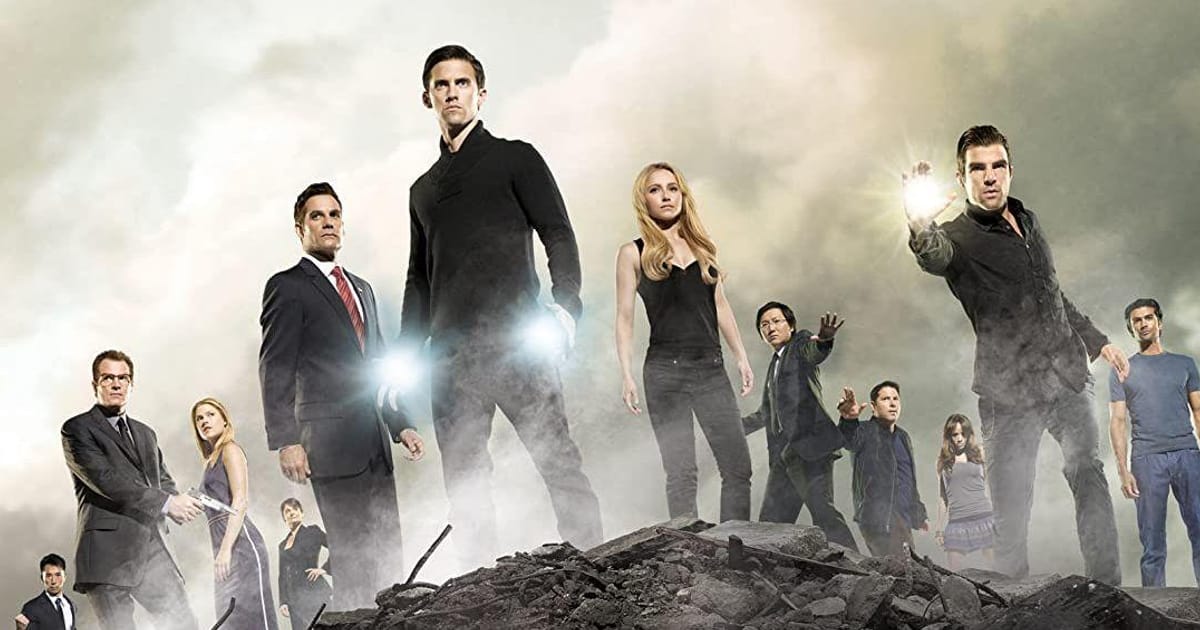
Heroes – Saving the Cheerleader, Losing the Plot
Season 1 of Heroes is often remembered fondly: grounded superpowers,
intersecting lives, and a strong central mystery. Unfortunately, later
seasons struggled to recapture that magic. Storylines repeated, characters
were reset or reimagined, and the show’s mythology became increasingly
tangled. It’s a classic example of a series that didn’t seem to know where
it was going after its breakout success.
Lost – Big Questions, Messy Answers
Lost built a passionate fanbase with its island mysteries, character
flashbacks, and intricate symbolism. But as the series piled on more
secretshatches, numbers, Dharma stations, time travelthe pressure to
deliver a satisfying explanation grew. While some viewers loved the
character-driven finale, others felt that the answers were vague, rushed,
or unsatisfying, and that the show’s reliance on mystery for mystery’s sake
left it vulnerable to a disappointing end.
None of this means these shows are unwatchable. In fact, most of them still
have early seasons that are genuinely excellent. But they’re prime examples
of TV shows that got worse over timeand remind us how hard it is
to stick the landing.
Red Flags Your Favorite Show Might Be Heading Toward the Shark
So how can you tell when a series you love is in danger? Here are some
warning signs viewers often notice before a show fully goes off the rails:
- Major tone shifts that don’t fit the earlier seasons (suddenly grim, or suddenly wacky).
- “Event” episodes built around stunt casting, wild crossovers, or random musical numbers that don’t serve the story.
- Characters acting out of character just to make a plot twist work.
- Endless love triangles or relationship drama that rehashes the same arguments.
- Big mysteries introduced late with no time to pay them off properly.
- Important stakes being undone with fake-out deaths, retcons, or dream sequences.
If you start seeing several of these at once, you might be watching a show
mid-shark-jump in real time.
Can a Show Recover After Jumping the Shark?
Interestingly, some series do manage to pull out of a decline. A new
showrunner can refocus the story, weak characters can be written out, and
shorter, more contained seasons can restore tension. A few comedies and
dramas have had “slump” seasons, only to come back sharper after a creative
reset or a move to a new network or platform.
Recovery usually requires three things:
- Honesty about what isn’t working. The team has to recognize that the show lost its way.
- A return to core strengths. The writers refocus on the relationships, tone, or themes that made the series shine early on.
- Restraint. Instead of trying to top past twists, the show gets smaller, smarter, and more character-driven.
It doesn’t always workbut when it does, fans are often fiercely loyal.
Everyone loves a comeback story, even in TV.
Final Thoughts: Why We Still Care About TV That Got Worse
When we talk about TV shows that jumped the shark, it isn’t just
nitpicking. It’s about how invested we become in fictional worlds. We spend
years with these characters. We rearrange our schedules, plan watch parties,
and argue online with strangers about whether a twist “made sense.”
So when a show stumbles, it feels personal. That’s also a backhanded
compliment: it means the early seasons were good enough that people still
care enough to be angry later. Sometimes we keep rewatching the strong
seasons and pretend the rest doesn’t exist. Sometimes we learn from the
disappointment and become more skeptical about hype. Either way, these
series become part of our shared TV languageespecially when we joke that
a show “totally jumped the shark” the moment it introduced that plotline.
In the end, even flawed shows give us something valuable: memories, inside
jokes, and long debates with friends about where it all went wrong. And
honestly, that might be the best kind of TVmessy, ambitious, and worth
talking about long after the finale fades to black.
Real-Life Fan Experiences With TV Shows That Got Worse
If you’ve ever stuck with a series long past its prime, you know the emotional
roller coaster that comes with television that jumped the shark. The
experience usually starts with optimism: you hear someone say, “The new
season is a little different, but I’m sure it’ll pay off.” You notice the
tone shift, the new characters, the strange plot turnsbut you keep watching
because you remember how good it used be.
Think about the group-watch era of big prestige dramas. For years, friends
would gather every week, snacks in hand, ready to gasp at cliffhangers.
Then, in the final season, the mood quietly changes. People stop talking
during the episode and start sighing. Jokes about bad writing slip into the
chat. By the finale, the energy in the room is less “epic conclusion” and
more “group therapy session.” Someone inevitably says, “We did not spend
eight years for that.”
Sitcom fans know a different version of this experience. Maybe you binged a
comedy through its brilliant early seasons: tight jokes, sharp character
work, arcs that actually go somewhere. Then you hit the later years where
everyone feels exaggerated, like a parody of their former self. The sweet,
grounded friend becomes a cartoonish idiot. The sarcastic one turns mean
instead of witty. The jokes are bigger but somehow less funny. You keep the
show on as background noise, but the days of rewinding to re-hear a perfect
punchline are gone.
Some viewers develop personal coping strategies. A common one is the
“headcanon cutoff,” where you decide that the show ended after a certain
season and everything later is an alternate universe. Others treat the
disappointing final seasons like bonus content: not essential, sometimes
fun, occasionally rage-inducing, but separate from the masterpiece they fell
in love with. Fans of long-running animated comedies, superhero shows, and
soapy dramas are especially familiar with this mental technique.
And yet, if the studio announced a reunion special, a revival, or a movie
promising to “fix” the ending, a huge chunk of that same audience would
show up on day one. That’s the paradox of TV shows that got worse:
even after a shark-jump moment, our emotional connection doesn’t completely
vanish. The early seasons still matter. The characters still mean something.
We might be wary, but we’re still curious.
In that sense, watching a show stumble can teach us something about stories
and about ourselves. We learn to notice the red flags earlier. We learn that
even great art can falter under pressure. And we learn that it’s okay to
love something for what it was, not what it became. If nothing else,
those frustrating final seasons give us fantastic conversation materialand
a perfect excuse to coin our own personal “jumped the shark” moments for the
next big hit that runs just a little too long.