Editorial note: This article is for general health education and should not replace medical advice. If you have depression symptoms, bipolar disorder, an eye condition, or take medication that increases light sensitivity, speak with a qualified healthcare professional before starting light therapy.
Winter has many talents. It can turn sidewalks into skating rinks, make your car door handle feel like a medieval punishment device, and convince your brain that 5:12 p.m. is a perfectly reasonable bedtime. For many people, shorter days bring more than a craving for soup and fuzzy socks. They bring low energy, oversleeping, carbohydrate cravings, irritability, and a mood that feels as gray as the sky outside.
That is where light therapy, also called bright light therapy or phototherapy, enters the room like a tiny indoor sunrise. Inspired by the same principle behind morning daylight, light therapy uses a specially designed light box to expose your eyes to bright, filtered light. The goal is not to tan, toast, or impersonate a houseplant. The goal is to help regulate your body clock, support mood-related brain chemistry, and reduce symptoms associated with seasonal affective disorder, often shortened to SAD.
Harvard Health and other major medical sources have discussed light therapy as a practical tool for managing winter-pattern seasonal depression. It is not magic, and it is not a replacement for professional care when symptoms are severe. But for many people, a consistent morning light routine can be one of the simplest, lowest-drama wellness habits to try.
What Is Light Therapy?
Light therapy is a treatment that involves sitting near a bright light box for a set amount of time, usually in the morning. A typical SAD light box provides about 10,000 lux of white light while filtering out as much ultraviolet light as possible. Lux is a measurement of light intensity. Ordinary indoor lighting is much dimmer, which is why sitting under a regular kitchen bulb while eating cereal usually does not produce the same effect.
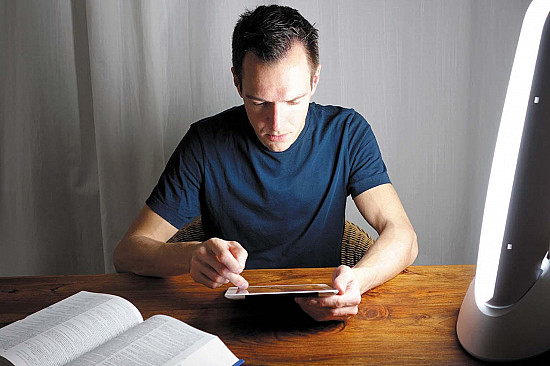
The light does not need to shine directly into your face like an interrogation lamp in a detective movie. In fact, you should not stare into it. Most people place the lamp at an angle, about an arm’s length away, while keeping their eyes open. You can read, answer email, eat breakfast, journal, or contemplate why your dog has a better morning routine than you do.
Why Light Matters for Mood and Sleep
Your brain pays attention to light. Morning light helps set your circadian rhythm, the internal timing system that influences sleep, alertness, body temperature, hormones, and mood. When daylight becomes scarce in fall and winter, some people experience a seasonal shift in this rhythm. Their internal clock may drift, melatonin patterns may change, and serotonin-related mood pathways may be affected.
For people with winter-pattern seasonal affective disorder, symptoms often appear during the darker months and improve in spring or summer. Common signs include persistent sadness, fatigue, sleeping too much, low motivation, trouble concentrating, social withdrawal, and cravings for carbohydrates. Not everyone gets every symptom, and not every winter slump is SAD. Still, if your mood reliably sinks when daylight disappears, your body may be waving a small flag that says, “Hello, I miss the sun.”
Who Might Benefit from Light Therapy?
Light therapy is best known for seasonal affective disorder treatment, especially winter-pattern SAD. It may also be used, under medical supervision, for certain sleep-wake rhythm disorders and as an add-on approach for some forms of nonseasonal depression. Researchers continue to study how bright light may help with mood, sleep timing, and energy regulation.
That said, light therapy is not a one-size-fits-all solution. It may be very helpful for one person and only mildly useful for another. It also works best when used correctly and consistently. Buying a lamp, placing it in a closet, and hoping the vibes migrate through the door is not considered an evidence-based protocol.
How to Use a Light Box the Right Way
1. Choose a 10,000-lux light box
Look for a device made specifically for light therapy, not a decorative desk lamp. A common recommendation is a light box that provides 10,000 lux at a practical sitting distance. Check the manufacturer’s instructions carefully, because some smaller lamps only reach that brightness if your face is uncomfortably close to the device.
2. Make sure it filters UV light
A good light therapy lamp should emit little to no ultraviolet light. Light therapy for mood is not the same as a tanning bed. UV exposure can harm skin and eyes, so choose a product that clearly states it filters UV rays.
3. Use it early in the day
Morning is usually the sweet spot. Many clinical recommendations suggest using a light box within the first hour of waking, or at least before late morning. Using bright light too late in the day may interfere with sleep, which is the opposite of helpful unless your goal is to become extremely awake at 11:47 p.m.
4. Start with 20 to 30 minutes
A common routine is 20 to 30 minutes each morning. Some people may need more or less time depending on the device, distance, symptoms, and medical guidance. If you are new to light therapy, start conservatively and pay attention to how you feel.
5. Keep your eyes open, but do not stare
The light needs to reach your eyes indirectly. You can work, read, or eat while using the lamp, but do not look straight into it. Think “sunny window,” not “staring contest with a spaceship.”
What Light Therapy Can and Cannot Do
Light therapy may help improve mood, energy, alertness, and sleep timing in people affected by seasonal depression. Some people notice changes within several days, while others need one to two weeks of consistent use. The benefits are usually tied to regular practice. In other words, the lamp is less like a one-time rescue helicopter and more like brushing your teeth for your body clock.
However, light therapy is not a cure-all. It should not be used as the only strategy if you have major depression, thoughts of self-harm, severe anxiety, mania symptoms, or major disruption to daily life. In those cases, professional care matters. Treatment may include psychotherapy, medication, lifestyle changes, sleep support, or a combination of approaches.
Safety: When to Check With a Doctor First
Light therapy is generally well tolerated, but it is still a treatment. Possible side effects include headache, eyestrain, nausea, agitation, irritability, and trouble sleeping, especially if the lamp is too bright, too close, or used too late in the day.
People with bipolar disorder should be especially cautious because bright light may trigger hypomania or mania in susceptible individuals. Anyone with retinal disease, glaucoma, cataract concerns, recent eye surgery, or a condition that affects eye sensitivity should ask an eye care professional before using a light box. The same goes for people taking photosensitizing medications, including some antibiotics, acne treatments, antipsychotics, and herbal products such as St. John’s wort.
Light Therapy vs. Regular Sunlight
Natural daylight is still valuable. Getting outside in the morning, even on cloudy days, can support mood and circadian rhythm. A walk before work or school gives you light exposure plus movement, which is a two-for-one deal your brain may appreciate.
But winter weather, work schedules, limited mobility, and short days can make outdoor light difficult. A light box offers a controlled option when sunrise is late, the sky is dim, or your schedule says, “Congratulations, you commute in darkness both ways.” For many people, the best plan combines both: morning outdoor light when possible and a light box when nature is being uncooperative.
How to Build a Light Therapy Routine That Sticks
The best light therapy routine is the one you will actually do. Place the lamp somewhere visible, such as near your breakfast spot, desk, or reading chair. Pair it with an existing habit: morning coffee, checking your planner, stretching, or reading the news. Habit stacking works because it gives your brain fewer decisions to make before caffeine has fully introduced itself.
Try using the lamp at the same time each morning for at least one to two weeks. Track your sleep, mood, energy, appetite, and concentration. You do not need an elaborate spreadsheet unless spreadsheets bring you joy. A simple note like “energy better,” “slept too late,” or “lamp too close, felt wired” can help you adjust.
Common Mistakes to Avoid
Buying the wrong lamp
Not every bright lamp is a therapy lamp. Look for brightness, UV filtering, size, positioning guidance, and credible product information.
Using it at night
Evening use can push sleep later for some people. Unless a clinician recommends otherwise, morning use is usually preferred for seasonal mood symptoms.
Sitting too far away
Light intensity drops with distance. Follow the device instructions so you receive the intended exposure.
Expecting instant transformation
Some people feel more alert quickly, but mood changes may take repeated sessions. Give the routine a fair trial while monitoring symptoms.
Ignoring bigger symptoms
If depression is affecting work, school, relationships, appetite, sleep, or safety, do not rely on a lamp alone. Reach out for professional help.
Light Therapy and the Bigger Winter Wellness Picture
Light therapy works best when it belongs to a broader winter plan. Keep a steady sleep schedule. Move your body most days, even if that means a 10-minute walk rather than a heroic gym montage. Eat regular meals with protein, fiber, and healthy fats. Stay connected to people, especially when your mood tells you to hibernate like a bear with Wi-Fi.
Psychotherapy, particularly cognitive behavioral therapy adapted for seasonal depression, can also be helpful. It teaches people to recognize patterns, challenge winter-specific negative thoughts, and build routines that protect mood. Medication may be appropriate for some people, especially those with moderate to severe symptoms or recurring depression.
Real-Life Experience: What Trying Light Therapy Can Feel Like
Imagine a person named Maya. She is not dramatically “falling apart” every winter, but by late November she notices the same pattern: mornings feel heavier, her workouts disappear, emails take twice as long, and she starts treating pasta like a personality trait. She is not lazy. Her body is responding to the season, and the season is acting like it has a personal grudge against daylight.
Maya buys a 10,000-lux UV-filtered light box after speaking with her primary care clinician. She places it on the kitchen table, slightly off to the side, and uses it for 25 minutes while eating breakfast and reviewing her calendar. The first few days are not cinematic. No orchestra plays. Her apartment does not glow with motivational energy. Mostly, she feels a little more awake and slightly annoyed that the lamp is brighter than her ambition.
By the second week, though, she notices small changes. She gets out of bed with less bargaining. Her concentration improves in the morning. She still dislikes winter, but it no longer feels like winter is sitting on her chest wearing snow boots. She pairs the lamp with a short outdoor walk at lunch, even when the weather is bland and the sky resembles oatmeal. The combination helps her feel more anchored.
Another person, David, has a different experience. He starts light therapy too aggressively, placing the lamp too close and using it for 45 minutes right away. He feels jittery and gets a headache. Instead of declaring light therapy a scam invented by Big Lamp, he adjusts. He moves the light farther away, reduces his sessions to 20 minutes, and uses it earlier in the morning. The side effects fade. The lesson: more brightness is not always better, and comfort matters.
A third example is Lena, who has bipolar disorder. She reads about light therapy and wants to try it, but she checks with her psychiatrist first. Together they create a cautious plan, watching carefully for signs of hypomania such as decreased need for sleep, racing thoughts, impulsive spending, or unusual agitation. For Lena, the key is not “never use light.” The key is “use it wisely, with supervision.”
These experiences show the practical truth: light therapy is simple, but it is not mindless. The details matter. The timing matters. Your medical history matters. And your expectations matter. You may not wake up singing to woodland animals, but you may find that winter mornings become less foggy, less heavy, and more manageable.
Practical 14-Day Light Therapy Trial Plan
If your healthcare professional says light therapy is appropriate, try a structured two-week experiment. Choose a consistent wake time. Set the lamp in a stable place. Use it for 20 to 30 minutes in the morning while doing a calm activity. Keep the lamp angled, not directly in front of your eyes. Track mood, energy, sleep, appetite, and any side effects.
After 14 days, review the pattern. Are mornings easier? Is your sleep more regular? Are you less drawn to three-hour couch naps? Are side effects getting in the way? If symptoms improve, your clinician may suggest continuing through the darker months. If symptoms do not improve, that does not mean you failed. It may mean you need a different timing strategy, a better device, more outdoor light, therapy, medication, or evaluation for another health issue such as thyroid disease, anemia, vitamin deficiency, sleep apnea, or major depression.
Conclusion: A Small Sunrise With Sensible Expectations
Light therapy is one of the most practical tools for people who struggle with seasonal affective disorder or winter-related mood dips. It is relatively simple, noninvasive, and easy to fit into a morning routine. The basic formula is straightforward: use a proper 10,000-lux, UV-filtered light box; sit near it soon after waking; keep your eyes open without staring; and stay consistent.
Still, the lamp is not the whole story. Think of light therapy as one part of a winter mental health toolkit. Add movement, regular sleep, daylight exposure, social connection, nourishing food, and professional support when needed. Winter may still arrive with its usual dramatic flair, but with the right routine, your mood does not have to move into a cave until April.