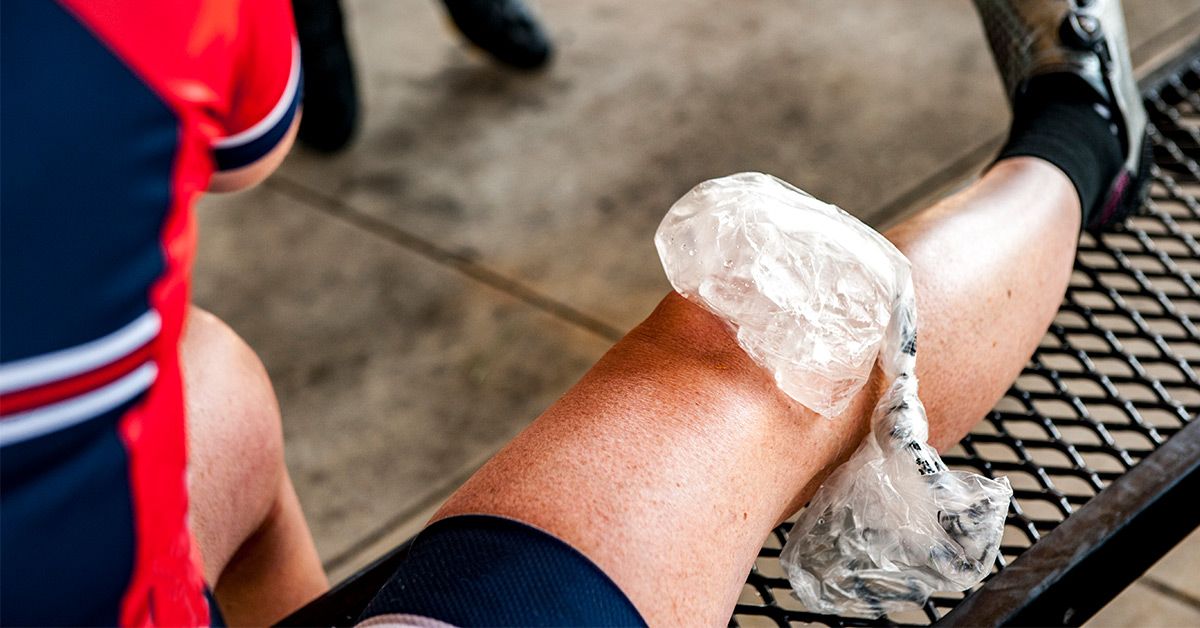
When something hurts, most people do one of two things: reach for an ice pack or hunt down a heating pad like it owes them money. The tricky part is that both heat and cold can help pain, but not in the same way, and definitely not at the same time for every problem. Use the wrong one and you might feel worse, or at least wonder why your sore knee is now both angry and confused.
The good news is that treating pain with heat and cold is one of the simplest, cheapest, and most practical forms of at-home relief for everyday aches. The better news is that you do not need a medical degree to use them wisely. You just need to know what kind of pain you are dealing with, how long it has been bothering you, and when to stop playing home therapist and call a professional.
This guide breaks down when to use cold therapy, when to use heat therapy, when alternating both may make sense, and how to avoid common mistakes. Whether you are dealing with a sprained ankle, a cranky lower back, stiff arthritis hands, or muscles that feel like they were tightened by an overly ambitious robot, here is how to use temperature therapy the smart way.
Why Heat and Cold Work Differently
Heat and cold both help pain, but they do it by different routes. Cold therapy is usually the go-to choice for fresh injuries because it helps reduce swelling, dull pain, and calm inflamed tissue. Think of it as the “settle down, everyone” option. When an ankle twists, a muscle strains, or a knee gets puffy after a hard workout, cold helps slow things down.
Heat therapy works almost the opposite way. It increases blood flow, relaxes tight muscles, and eases stiffness. That makes it especially helpful for chronic pain, muscle tension, joint stiffness, and pain that feels more rigid than swollen. If cold is the emergency brake, heat is the oil that helps a rusty hinge move again.
This is why timing matters. Pain from a brand-new injury often responds better to cold first. Pain from stiffness, overuse, or long-term joint and muscle problems often responds better to heat. In some cases, both can be useful at different stages, which is why temperature therapy is more of a strategy than a single trick.
When to Use Cold for Pain Relief
Cold is usually best for fresh injuries
Cold therapy is generally the best choice in the first day or two after an injury, and often up to 48 to 72 hours depending on swelling and irritation. It is commonly used for sprains, strains, bruises, swollen joints, and pain that feels hot, throbbing, or inflamed. If the area looks puffy, red, or recently offended by gravity, cold is usually your starting point.
It can also help after activity. For example, if your knee swells after a long walk, your shoulder aches after yard work, or your elbow flares after a tennis match, a cold pack may reduce pain and calm the tissue down. People with arthritis sometimes prefer cold during flares, especially when a joint feels swollen or tender after exercise.
How cold helps
Cold works by constricting blood vessels and slowing the flow of inflammatory chemicals in the area. It also numbs nerve endings, which can reduce how sharply you feel pain. That is why an ice pack can make a sore ankle feel more tolerable within minutes, even if it does not magically rewind your bad decision to jump off that last stair.
How to use cold safely
- Apply cold for about 10 to 20 minutes at a time.
- Wrap the ice pack or frozen bag in a towel. Never put ice directly on bare skin.
- Repeat every few hours as needed, especially during the first 24 to 72 hours after injury.
- Stop if your skin becomes painfully numb, blotchy, or overly irritated.
Cold therapy does not need to be dramatic to work. A wrapped gel pack, a bag of frozen peas, or a cold compress is usually enough. This is pain care, not an audition for a polar expedition.
When to Use Heat for Pain Relief
Heat is usually better for stiffness and chronic aches
Heat therapy shines when pain comes from tight muscles, stiffness, chronic overuse, or joints that need help loosening up. It is often useful for arthritis, neck tension, lower back discomfort, muscle spasms, and old injuries that no longer look swollen but still feel stubborn.
For example, if your lower back is stiff after sitting too long, a warm compress or heating pad may help you move more comfortably. If your hands ache in the morning from arthritis, warm water, a heating pad, or a paraffin bath may make daily tasks less annoying. If your shoulders feel like they have been carrying your stress, your inbox, and the emotional burden of group projects, heat may help the muscles unclench.
How heat helps
Heat boosts circulation to the area, which can relax muscles and reduce stiffness. It may also improve flexibility before gentle movement or stretching. That is why many people like heat before exercise, before a walk, or before getting out of bed on a cold morning when their joints feel like they have turned into antique door hinges.
How to use heat safely
- Use heat for about 15 to 20 minutes at a time.
- Choose warm, not scalding. “Hot enough to regret your life choices” is not the goal.
- Use a heating pad, warm towel, warm bath, warm shower, or heat wrap.
- Never sleep with a heating pad on.
- Do not use heat on a new injury that is swollen, red, or actively inflamed.
Moist heat can feel especially soothing for muscle tension. Warm showers and baths are classic for a reason: they are easy, gentle, and usually less likely to overheat the skin than an aggressive heating device.
Heat vs. Cold by Common Pain Problem
Sprains, strains, and pulled muscles
Start with cold in the first 48 to 72 hours, especially if there is swelling. Later, when the pain becomes more about stiffness than puffiness, heat may help the muscle relax and move more normally. Many soft tissue injuries follow this pattern: cold first, heat later.
Arthritis pain
Arthritis is where the answer often becomes “it depends.” Heat usually works better for stiff joints, especially in the morning or before activity. Cold may help more when a joint is swollen, hot, or flaring after use. Some people alternate heat and cold on different schedules and swear by it, while others pick one and stay loyal. Your joints may vote differently from your neighbor’s.
Back pain
For acute low back pain, heat often feels better once the initial irritation calms down, especially if muscles are in spasm. Cold may help at first if the pain began after a sudden strain or awkward lift. Many people with back pain do best by using cold early and heat later, combined with gentle movement rather than total bed rest.
Tendinitis and overuse injuries
Cold is commonly recommended when tendons are suddenly irritated or swollen. Heat may be more useful later for chronic tendon problems that feel stiff and overworked rather than freshly inflamed. In plain English: if it just got angry, try cold. If it has been grumbling for weeks, heat may help more.
Tension headaches and neck tightness
Gentle heat often helps tension-related pain because the issue is usually muscle tightness in the neck and shoulders. A warm towel, heating pad, or warm shower may help reduce the strain that feeds the headache. Cold can also feel good for some people, but heat tends to win the popularity contest here.
Minor burns
This is the important exception people get wrong all the time: for a minor burn, use cool running water, not ice. Ice can damage the tissue further. Cool the area, protect it, and get medical help if the burn is large, deep, blistering badly, or on the face, hands, feet, genitals, or a major joint.
Can You Alternate Heat and Cold?
Sometimes, yes. Alternating heat and cold may be helpful for arthritis, chronic joint discomfort, and injuries that have moved past the fresh-swelling stage. The theory is simple: cold calms pain and swelling, while heat reduces stiffness and improves movement. Together, they can cover different parts of the same problem.
That said, alternating is not a magic ritual that must be performed with stopwatch-level precision. It is just a useful option when one temperature alone is not doing the job. In general, do not stack extreme cold and strong heat back-to-back without a break. Give your skin and tissues time to recover between sessions, and stop if the area becomes more irritated rather than less.
Common Mistakes That Can Make Pain Worse
Using heat too early
Putting heat on a fresh injury can increase blood flow to an area that is already swollen and inflamed. Translation: your sore ankle may become an even puffier, more dramatic version of itself.
Icing for too long
Longer is not better. Leaving ice on too long can irritate skin and increase the risk of cold injury. Short, protected sessions are safer and often just as effective.
Applying temperature directly to skin
Always use a barrier, such as a towel or cloth. Direct contact with heat or ice raises the risk of burns, frostbite, or skin damage, especially if you have sensitive skin.
Falling asleep with a heating pad or ice pack
This one deserves a flashing warning sign. Sleeping with temperature therapy in place can cause burns or skin injury because your body is no longer paying attention while you dream about being on time for once.
Ignoring medical conditions that affect sensation
If you have diabetes, neuropathy, poor circulation, lymphedema, or reduced ability to feel temperature, be extra careful. A pack that feels mildly warm to one person can cause injury to someone whose nerves do not reliably report danger.
When to See a Healthcare Professional
Heat and cold are excellent tools for minor pain, but they are not a substitute for proper evaluation when something more serious is going on. Get medical help if you have severe swelling, obvious deformity, inability to bear weight, spreading redness, fever, numbness, weakness, chest pain, abdominal pain, or pain that keeps getting worse instead of better.
You should also seek advice if a burn is large, deep, chemical, electrical, or not healing well, or if pain lasts more than a few days without clear improvement. Home care works best when the problem is actually a home-care problem.
The Bottom Line on Treating Pain with Heat and Cold
If you remember one rule, make it this: cold is usually best for fresh injuries and swelling, while heat is usually better for stiffness and chronic muscle or joint pain. From there, adjust based on what your body is telling you. Pain management is not always one-size-fits-all, and your sore shoulder does not care what worked for somebody’s cousin on the internet.
Used correctly, heat and cold therapy can reduce pain, improve mobility, and help you recover more comfortably without much cost or fuss. They are simple tools, but they are not silly tools. Knowing when to chill out and when to warm things up can make a real difference in how quickly and comfortably you get back to normal.
Common Real-Life Experiences with Heat and Cold Therapy
One of the most common experiences people describe is discovering that the “best” treatment depends less on the body part and more on the stage of the pain. Someone twists an ankle on Monday, reaches for ice, and feels clear relief because the swelling settles down. By Thursday, the swelling is mostly gone, but the ankle feels stiff and awkward. At that point, a little warmth before gentle movement may feel far more helpful than more ice. That switch often surprises people the first time they notice it.
Another familiar story comes from people with desk jobs. They may not have a dramatic injury at all, just a neck and shoulder area that slowly turns into a brick wall by late afternoon. Cold often feels too sharp or uncomfortable in that situation, but a warm shower or heating pad can feel like the body finally getting permission to exhale. Many people say heat helps them move more naturally again, especially when the pain is tied to posture, stress, or muscle tension.
People with arthritis often report a more mixed experience. Morning stiffness may improve with warmth, especially in the hands, knees, or lower back. But after a busy day, those same joints may feel swollen and overworked, making cold more appealing. This is why arthritis care often becomes a personal temperature experiment. Some people swear by warm baths before activity and cold packs after activity. Others keep both tools ready and decide based on what the joint feels like that day.
Athletes and weekend exercisers often learn the difference the hard way. After a hard workout, cold may be the obvious winner when something feels irritated, swollen, or freshly strained. But when the soreness that follows is more of a deep, stiff ache, heat may feel better the next day. That is a common pattern: cold for angry tissue, heat for stubborn tissue.
Many people also describe the emotional side of temperature therapy. Heat tends to feel comforting and calming. It is associated with rest, sleep, and loosening up. Cold feels more clinical and targeted, but often more effective when pain is sharp or inflamed. In other words, heat says, “Let’s relax,” while cold says, “Let’s handle this.” Both have their place.
Perhaps the most practical experience people share is that small habits matter more than fancy products. A wrapped bag of frozen vegetables can work beautifully. A warm towel can be enough to ease a stiff neck. The best method is often the one you will actually use safely and consistently, not the one with the most impressive packaging. Pain relief does not always need to be glamorous. Sometimes it just needs to be warm, cool, and correctly timed.