Note: This article synthesizes publicly available marketing research, platform documentation, and industry commentary; no source links are inserted per publishing request.
There is a particular kind of blog post haunting the internet right now. You know the one. It begins with a sentence like, “In today’s fast-paced digital landscape…” and then politely says nothing for 1,200 words while sounding like a toaster wearing a blazer. Ross Simmonds, founder of Foundation Marketing and author of Create Once, Distribute Forever, has been loud about the problem: AI has made content production easier, but it has also made mediocre content multiply like rabbits with Wi-Fi.
The big lesson is not “never use AI.” That would be dramatic, and frankly, marketers already have enough drama in their dashboards. The lesson is that B2B brands must stop treating AI like a cheap blog vending machine and start treating it like a force multiplier for strategy, research, distribution, lead nurturing, and repurposing. The brands that win will not be the ones that publish the most. They will be the ones that publish something worth distributing, then distribute it like their revenue depends on it. Because it does.
Who Is Ross Simmonds, and Why Are B2B Marketers Listening?
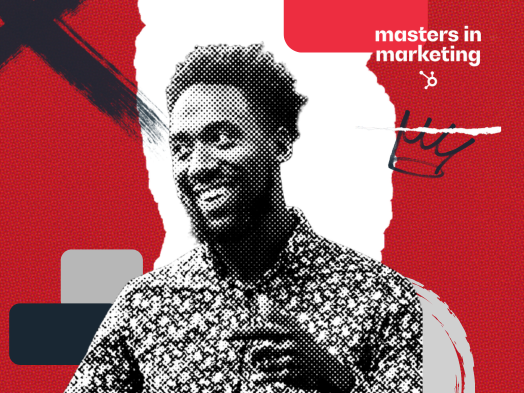
Ross Simmonds is a digital marketing strategist best known for helping B2B and SaaS companies turn content into measurable growth. Through Foundation Marketing, he has worked in the world of SEO, content strategy, distribution, and organic growth for software and technology brands. His central philosophy is simple enough to fit on a coffee mug but deep enough to reshape an entire marketing department: create once, distribute forever.
That phrase matters because most content teams are addicted to the new. New blog post. New report. New campaign. New webinar. New “thought leadership” PDF that somehow contains no thoughts and very little leadership. Simmonds argues that great marketing is not just creation; it is distribution, remixing, reposting, repackaging, and getting valuable ideas in front of the right audience repeatedly. In B2B, where buying cycles are long and attention is expensive, a single strong idea should not die after one LinkedIn post and a sad newsletter mention.
The Trash AI Content Problem
AI Made Publishing Easy, Not Excellence Automatic
Generative AI has given every company the power to produce content at scale. That is both exciting and terrifying. Exciting because small teams can now brainstorm, outline, summarize, translate, repurpose, and test creative ideas faster. Terrifying because the same tools can also produce mountains of bland, derivative material that nobody asked for and nobody remembers.
The internet is already crowded with generic AI-written articles that repeat common advice without examples, opinions, data, or lived experience. In B2B marketing, this is especially dangerous. Buyers are not searching for “more content.” They are searching for clarity. They want to understand risk, compare options, make internal arguments, and avoid looking foolish in front of the CFO. A fluffy AI article will not help them do that. It may rank for a moment, but it will not build trust.
Google’s public guidance has consistently emphasized helpful, reliable, people-first content over content created merely to manipulate rankings. In plain English: Google does not care whether a robot helped you type. It cares whether the result is useful. Bing, AI search engines, and recommendation systems are moving in the same direction. The content that survives will have proof, perspective, structure, specificity, and a clear reason to exist.
What Separates Useful AI-Assisted Content From Slop?
Bad AI content sounds correct but feels empty. It avoids risk. It has no sharp opinion. It gives the same five tips that every competitor already published. It cannot tell a story from the field because it has never been in the field. It has no scar tissue, no customer quote, no actual lesson learned after a campaign went sideways on a Tuesday afternoon.
Strong AI-assisted content is different. It uses AI to speed up the boring parts, then relies on human judgment for the parts that matter. A marketer might use AI to cluster keywords, summarize customer interviews, generate headline variations, or turn a webinar transcript into several outlines. But the final piece still needs human editing, real examples, expert insight, and a point of view. AI can hand you clay. It cannot automatically sculpt a brand voice that buyers trust.
Experimental Budgets: The 20% Rule B2B Teams Need
One of Simmonds’ most practical ideas is that marketing teams should reserve a meaningful portion of their time and budget for experiments. The spirit is roughly this: most of the work should go toward proven, lower-risk activities, but a dedicated slice should be reserved for channels, formats, and ideas that competitors are too nervous to try.
This is not permission to set money on fire while calling it innovation. It is permission to stop pretending that last year’s playbook will protect next year’s pipeline. Search behavior is changing. AI answers are reshaping discovery. Social platforms are fragmenting attention. Buyers are learning from peers, creators, podcasts, communities, newsletters, and short-form video before they ever speak to sales. If your entire budget is locked into the same SEO calendar, same paid search campaigns, and same gated PDF strategy, you are not being disciplined. You may simply be being predictable.
What Should B2B Experiments Look Like?
A good experiment is specific, measurable, and small enough to fail without causing a board meeting. For example, a SaaS company might test a four-week TikTok series where the founder explains one painful customer problem per video. A cybersecurity brand might repurpose a technical webinar into LinkedIn clips, YouTube Shorts, and a Reddit discussion prompt. A sales-tech company might use AI to identify high-intent anonymous website behavior, then trigger a personalized email sequence written and reviewed by humans.
The point is not to “go viral.” Viral is not a strategy; it is a weather event. The point is to learn. Which message makes buyers pause? Which format earns saves instead of empty likes? Which platform creates assisted conversions? Which creative angle gets mentioned on sales calls? A mature experimental budget produces learning even when it does not immediately produce leads.
TikTok for B2B: Joke Platform or Serious Discovery Channel?
For years, many B2B marketers dismissed TikTok as the land of dance trends, chaotic recipes, and people reviewing water bottles with the intensity of Supreme Court testimony. But TikTok has evolved into a discovery engine. Users search for software tips, career advice, productivity workflows, small business tools, industry explainers, and behind-the-scenes lessons from operators. That does not mean every B2B company needs to sprint onto TikTok wearing a mascot costume. It does mean dismissing the platform without testing it is lazy strategy.
TikTok works differently from follower-based platforms. Its recommendation system can place content in front of people based on behavior and interest, not just existing audience size. For B2B, that creates an opening. A small brand with a clear niche and useful content can reach relevant viewers without already having a giant following. The catch is that TikTok punishes boring faster than a room full of teenagers at a corporate luncheon.
How B2B Brands Can Use TikTok Without Embarrassing Themselves
The best B2B TikTok content usually does not feel like an ad. It feels like a helpful person explaining something clearly. Think short product demos, founder commentary, myth-busting, “things I wish I knew before buying X,” customer problem breakdowns, workflow tutorials, hiring advice, industry hot takes, or quick reactions to market news. A project management tool could show “three signs your team’s status meetings are broken.” A payroll platform could explain “the mistake that makes year-end reporting miserable.” A cybersecurity company could dramatize “what attackers hope your employees do on Monday morning.”
The tone can be fun without being unserious. B2B buyers are still humans. They drink coffee. They procrastinate. They laugh at painfully accurate work memes. They also influence six-figure purchases. The trick is to respect their intelligence while earning their attention. TikTok is not where you paste your white paper introduction into captions and hope for applause. It is where you translate expertise into moments people can understand quickly.
Distribution Is the Real Moat
The uncomfortable truth about content marketing is that publishing is often the easiest step. Distribution is where discipline begins. A company can spend three months building a strong benchmark report, publish it, post about it twice, and then move on. That is like baking a wedding cake and leaving it in the garage.
Simmonds’ distribution mindset asks marketers to squeeze more value from every strong asset. A research report can become a webinar, a LinkedIn carousel, a sales enablement deck, a newsletter series, a podcast topic, a TikTok script, a YouTube Short, a founder post, a Reddit discussion, an infographic, and a set of email nurture messages. The idea is not to spam every channel with identical content. The idea is to adapt one strong insight to the context of each platform.
Repurposing Is Not Recycling Garbage
There is an important warning here: “create once, distribute forever” only works if the original content is actually valuable. If the core asset is generic, distributing it forever just means annoying people in more places. Repurposing should begin with substance: original research, proprietary data, expert commentary, customer stories, strong frameworks, contrarian analysis, or genuinely useful education.
Once the substance exists, distribution becomes a growth engine. The blog post supports SEO. The LinkedIn post sparks conversation. The short video earns awareness. The email nurtures existing leads. The sales deck helps account executives explain the problem. The paid ad tests the strongest angle. The same idea travels through the funnel wearing different outfits, like a very efficient marketer with a carry-on suitcase.
AI’s Best B2B Role: From Content Factory to Relationship Engine
One of the more interesting parts of Simmonds’ thinking is the idea that AI may create more value in lead nurturing than in raw content creation. That is a major shift. Many companies first adopted AI to write more blog posts faster. But the bigger opportunity may be using AI to understand behavior, identify buyer intent, personalize follow-up, and help humans build relationships at scale.
Imagine a visitor reads three technical articles, watches a demo clip, and returns to the pricing page twice. AI can help identify patterns, enrich firmographic data, segment that contact, and suggest the next best message. But the message still needs to feel human. Nobody wants to receive an email that sounds like a CRM and a horoscope had a baby. The best AI-enabled nurture systems will combine automation with relevance, timing, and restraint.
Where Human Marketers Still Matter Most
Human marketers remain essential for positioning, taste, narrative, humor, empathy, and judgment. AI can generate fifty subject lines, but a human knows which one would make the buyer roll their eyes. AI can summarize a customer call, but a human hears the frustration behind the words. AI can suggest content topics, but a strategist decides which topics actually support revenue, brand authority, and buyer trust.
The future is not human versus AI. It is average humans with lazy AI workflows versus sharp humans with disciplined AI systems. The second group will win.
Practical Framework: Build a B2B Content System That Does Not Produce Trash
1. Start With a Real Point of View
Before creating anything, ask: What do we believe that our competitors are too vague, too timid, or too distracted to say? A point of view gives content a spine. Without it, your brand becomes another polite voice in the algorithmic fog.
2. Create From Proof, Not Vibes
Use customer interviews, product usage data, sales call insights, support tickets, market research, and subject-matter experts. The more specific your inputs, the harder it is for competitors to copy your content with a prompt.
3. Use AI as an Assistant, Not the Author of Truth
Let AI help with outlines, summaries, repurposing, transcript cleanup, keyword variations, and content briefs. Do not let it invent facts, flatten nuance, or remove the personality that makes your brand memorable.
4. Reserve Budget for Experiments
Create a formal experiment lane. Test TikTok, Reddit, creator partnerships, ungated tools, interactive reports, AI-assisted nurture, short-form video, or community-led campaigns. Give each test a hypothesis, timeline, owner, and learning goal.
5. Distribute Like a Media Company
Every major content asset should have a distribution plan before it is created. Decide how it will appear in search, social, email, sales conversations, paid campaigns, video, and community discussions. Distribution should not be the afterthought scribbled into Asana at 5:42 p.m.
Experience Notes: What This Looks Like in the Real Marketing Trenches
The most useful lesson from this topic is that content quality problems rarely begin with AI. AI simply exposes weak strategy faster. When a company has no point of view, no customer insight, no distribution plan, and no editorial standards, AI turns that weakness into 40 blog posts a month. It is not the robot’s fault. The robot was handed oatmeal and asked to make fireworks.
In practical B2B marketing work, the best results usually come from slowing down at the beginning and speeding up later. For example, before writing a single article, a team should interview salespeople about buyer objections, review support tickets for recurring confusion, and identify the phrases customers actually use. Then AI can help organize those inputs into themes. The final content will sound more alive because it comes from real market friction, not a generic keyword list.
Another experience worth noting: experimental budgets work best when leadership agrees that learning has value. If every test is judged only by immediate pipeline, teams become conservative. They choose safe campaigns that look measurable but teach nothing new. A TikTok test, for instance, may not generate demo requests in week one. But it may reveal that buyers respond strongly to founder-led explanations, plain-language product demos, or humorous takes on industry pain points. Those insights can improve LinkedIn ads, webinar topics, sales enablement, and landing page copy. The experiment pays off beyond the original channel.
Repurposing also becomes dramatically easier when the original asset is designed with distribution in mind. A webinar should not be treated as a one-hour event that vanishes into a recording library. It should be planned as a content mine. The host can ask questions that produce short clips. The slides can become carousels. The strongest audience questions can become blog sections. The transcript can become an email series. The best quote can become a sales follow-up. This is not extra work; it is smarter extraction.
For TikTok specifically, B2B teams should begin with formats that do not require cinematic production. A founder speaking directly to camera, a marketer walking through a workflow, or a product expert explaining a mistake can outperform a polished brand video because the platform rewards clarity and authenticity. The goal is not to become a comedian. The goal is to become recognizable, useful, and easy to remember. If the buyer later sees your brand in search results, on LinkedIn, or in an email, TikTok has already done part of the trust-building work.
The biggest mistake is expecting one channel to save a weak system. TikTok will not fix unclear positioning. AI will not fix boring ideas. SEO will not fix content with no authority. Paid ads will not fix a message nobody cares about. The winning system connects all of these pieces: human insight, AI efficiency, experimental learning, and relentless distribution. That is the unfiltered takeaway. More content is not the answer. Better ideas, distributed with more discipline, are.
Conclusion: The Future Belongs to Marketers With Taste
Ross Simmonds’ message lands because it cuts through the current marketing noise. AI is powerful, but it is not a substitute for taste. TikTok is promising, but it is not a magic pipeline button. Experiments are necessary, but they require structure. Distribution is essential, but it only works when the original idea deserves attention.
B2B brands are entering an era where average content will become invisible faster than ever. Search engines, AI answer engines, social feeds, and buyers themselves are all filtering harder. The safest strategy is not to publish more bland content. The safer strategy is to become unmistakably useful. Build original ideas. Use AI intelligently. Test unfamiliar channels before competitors get comfortable. Turn one strong asset into many relevant moments. And above all, remember that even in a machine-assisted marketing world, humans still buy from brands that sound like they understand them.