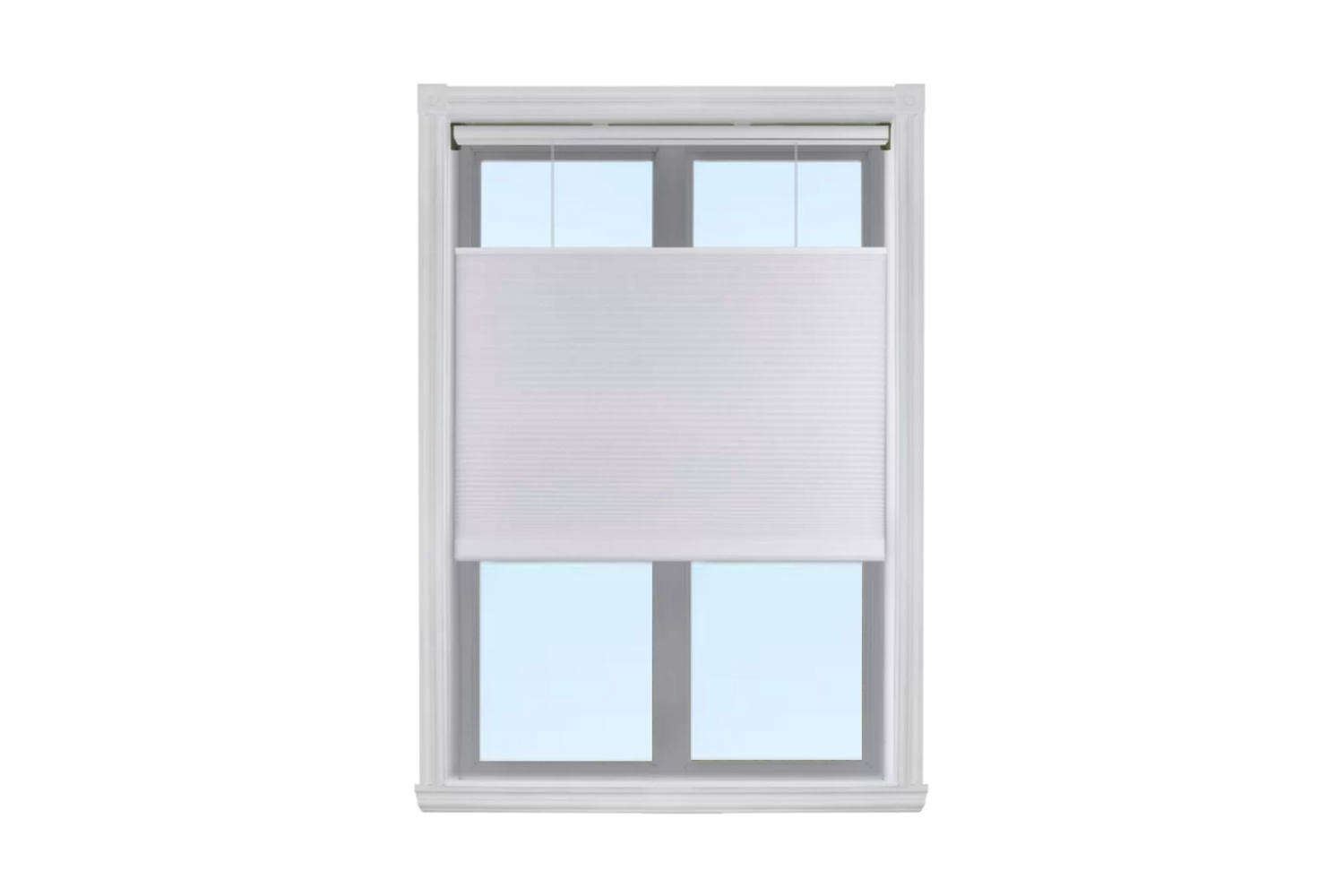
A top down bottom up semi-sheer white cellular shade may sound like a product name invented by someone who was paid by the word, but it is actually one of the smartest window treatments you can put in a modern home. It offers privacy without turning your room into a cave, daylight without the full neighborhood reality show, and insulation without the heavy look of old-fashioned drapes. In other words, it is the window covering equivalent of a polite houseguest: useful, attractive, and not trying to dominate the room.
Cellular shades, also called honeycomb shades, are known for their pleated fabric pockets that trap air and help reduce heat transfer at the window. Add a top down bottom up design, and the shade becomes even more practical. You can lower it from the top to let sunlight pour in while keeping the lower part of the window covered. Choose a semi-sheer white fabric, and you get a clean, bright, airy look that works with nearly any interior style, from coastal cottage to minimalist apartment to “I bought this couch because it was on sale and now I need everything to match.”
This guide breaks down what makes a top down bottom up semi-sheer white cellular shade worth considering, where it works best, how to choose the right one, and what real homeowners often learn after living with them for a while.
What Is a Top Down Bottom Up Semi-Sheer White Cellular Shade?
A cellular shade is a soft window covering made with honeycomb-shaped cells. These cells create small air pockets between the room and the glass, which can help improve comfort during hot summers and chilly winters. Unlike flat roller shades, cellular shades have a dimensional structure. When raised, they compress neatly; when lowered, they expand into crisp horizontal pleats.
The phrase “top down bottom up” describes how the shade moves. A standard shade usually moves from the bottom only. A top down bottom up shade can be raised from the bottom, lowered from the top, or adjusted from both directions at the same time. This gives you much more control over privacy, sunlight, glare, and view.
The “semi-sheer white” part refers to the fabric style and color. Semi-sheer or light-filtering cellular fabric softens incoming daylight rather than blocking it completely. White keeps the look clean and reflective, helping a room feel larger, brighter, and calmer. It is not the right choice for total darkness, but it is excellent for daytime privacy, gentle light, and a polished interior look.
Why the Top Down Bottom Up Design Is So Popular
The biggest advantage of top down bottom up cellular shades is control. You do not have to choose between “wide open” and “completely covered.” You can position the shade exactly where you need it.
Privacy Without Blocking All the Light
For street-facing windows, bathroom windows, home offices, and bedrooms, privacy matters. But nobody wants to sit in a dim room at noon just because the delivery driver might glance toward the window. With a top down bottom up shade, you can cover the lower half of the glass while opening the top portion. Natural light enters from above, while the view into the room stays blocked at eye level.
Better Glare Control
Sun glare has a special talent for landing directly on laptop screens, television screens, and human eyeballs. A top down bottom up cellular shade lets you block the brightest angle of sunlight without darkening the entire room. In a home office, that can mean fewer squints, fewer headaches, and fewer dramatic laptop relocations.
More Flexible Room Styling
These shades also look tidy. The clean horizontal pleats create a structured appearance that feels softer than metal blinds but neater than heavy curtains. White cellular shades blend easily with painted trim, neutral walls, wood floors, colorful furniture, and layered drapery panels.
Why Choose Semi-Sheer White Fabric?
Semi-sheer white cellular shades are popular because they solve a very common design problem: how to add privacy without making the room feel smaller or darker. White naturally reflects light, while semi-sheer fabric diffuses it. The result is a gentle glow that feels fresh rather than harsh.
In a living room, semi-sheer white shades can reduce glare while preserving a soft daytime brightness. In a kitchen, they keep the space feeling clean and open. In a bathroom, they provide modesty while still allowing natural light to brighten tile, mirrors, and vanities. In a nursery or bedroom, they create a calm look, though light sleepers may prefer blackout cellular shades instead.
One important note: semi-sheer does not mean invisible-proof at night. During the day, light outside is usually stronger than light inside, so privacy is better. At night, when interior lights are on, shadows and silhouettes may be more noticeable. For rooms where nighttime privacy is critical, consider layering the shade with curtains or choosing a more opaque light-filtering or room-darkening cellular fabric.
Energy Efficiency: The Honeycomb Advantage
Windows are beautiful, but they are also sneaky little comfort thieves. Heat escapes through them in winter, and solar heat enters through them in summer. Cellular shades help because their honeycomb pockets create an insulating layer of air. This does not turn a drafty old window into a high-performance spaceship window, but it can make a meaningful difference in comfort.
For best performance, fit matters. A cellular shade installed snugly inside the window frame reduces gaps where air and light can pass around the edges. Double-cell shades generally offer more insulation than single-cell shades, although single-cell versions are often lighter, less expensive, and perfectly suitable for many rooms.
Semi-sheer white cellular shades are especially useful in rooms where you want daylight and comfort at the same time. They can soften solar heat and glare while still allowing the room to feel naturally lit. If your main goal is maximum insulation, compare cell size, fabric density, single-cell versus double-cell construction, and whether the shade includes side tracks or other tight-fit features.
Best Rooms for Top Down Bottom Up Semi-Sheer White Cellular Shades
Living Rooms
Living rooms often need flexible light. Morning sun may be lovely. Afternoon glare may be rude. A top down bottom up shade lets you adjust throughout the day without sacrificing the room’s welcoming feel. White semi-sheer fabric keeps the space bright and makes furniture, art, and flooring feel more intentional.
Bedrooms
For bedrooms, these shades work best for people who enjoy waking with natural light. They provide privacy and softness, but they do not fully darken the room. If you need a sleep-friendly cave, choose blackout cellular shades or pair semi-sheer shades with blackout drapes.
Bathrooms
Bathrooms are one of the best places for top down bottom up operation. You can keep the lower part of the window covered while letting daylight enter from above. Just make sure the shade material is suitable for the humidity level in your bathroom, especially if the window sits near a shower or tub.
Home Offices
In a home office, these shades help manage glare on screens while keeping the room pleasant for video calls. White cellular shades also create a clean backdrop, which is helpful if your office doubles as a guest room, craft space, or emergency laundry-folding headquarters.
Dining Areas and Kitchens
Semi-sheer white shades suit dining areas and kitchens because they feel crisp and unfussy. They filter sunlight during breakfast, add privacy during dinner, and do not visually compete with cabinets, counters, or table settings.
How to Measure Before Buying
Measuring is the step where many people become extremely confident right before making a tiny but expensive mistake. For cellular shades, accuracy matters. Measure each window individually, even if the windows look identical. Houses settle, frames shift, and builders sometimes measure with the optimism of a poet.
Inside Mount
An inside mount sits within the window frame. It looks clean and built-in, especially with white cellular shades. Measure the width at the top, middle, and bottom of the window opening. Use the narrowest width. Then measure the height at the left, center, and right. Use the tallest height. Check that the frame has enough depth for the shade and mounting brackets.
Outside Mount
An outside mount sits on the wall or trim around the window. It is useful when the frame is shallow, uneven, or when you want better light coverage. Measure the full area you want to cover, then add extra width and height for privacy and reduced light gaps. Outside mounts can also make a window appear larger, which is a nice bonus if your window is doing its best but still feels a bit shy.
Cordless, Motorized, or Manual?
Many modern top down bottom up cellular shades are cordless. Cordless options look cleaner and are strongly preferred in homes with children or pets because they avoid dangling cords. Instead, you move the top or bottom rail by hand, often using small tabs or handles.
Motorized cellular shades are another option. They are convenient for tall windows, hard-to-reach windows, or homeowners who enjoy pressing a button and feeling briefly like they live in a luxury hotel. Motorization costs more, but it can be worthwhile in rooms with multiple windows or strong sun exposure.
Manual cordless shades are usually the sweet spot for many homes. They are simple, neat, safe, and less expensive than motorized versions. When shopping, look for smooth rail movement, sturdy brackets, reliable warranty coverage, and clear installation instructions.
Design Tips for Styling White Cellular Shades
White cellular shades are versatile, but small design choices make them look even better. Match the shade color to your trim for a seamless appearance, or choose a soft white if your walls are warm-toned. Bright white works well in modern rooms, while ivory or snow-white shades can feel softer in traditional spaces.
For a layered look, pair semi-sheer white cellular shades with side drapery panels. The cellular shade handles daily light and privacy, while the curtains add texture, color, and nighttime coverage. Linen panels, cotton curtains, or subtle patterned drapes can all work beautifully.
In minimalist rooms, let the shade stand alone. The crisp pleats add texture without visual clutter. In busier rooms, white cellular shades calm the window area so artwork, furniture, or rugs can take the spotlight.
Cleaning and Maintenance
Cellular shades are fairly low-maintenance, but they are not fans of aggressive scrubbing. Dust them regularly with a feather duster, microfiber cloth, or vacuum brush attachment on low suction. Move horizontally along the pleats instead of rubbing up and down.
For small spots, use a soft cloth or sponge with mild detergent and warm water. Blot gently. Do not soak the fabric, crush the cells, or use harsh cleaners. If dust gets inside the honeycomb cells, a can of compressed air or a cool hair dryer setting may help move particles out. For serious stains or delicate fabrics, professional cleaning is safer.
White shades show dust and smudges more than darker colors, but they also reward regular care by looking fresh for years. A quick monthly dusting is usually easier than trying to rescue a shade that has quietly collected kitchen grease, pet hair, and mystery particles since last spring.
Common Mistakes to Avoid
The first mistake is choosing semi-sheer fabric for a room that needs blackout performance. Semi-sheer white cellular shades are wonderful for filtered light, not total darkness. The second mistake is measuring only once. Measure carefully, write everything down, and double-check before ordering custom sizes.
The third mistake is ignoring the room’s real privacy needs. A front-facing living room may be perfect for top down bottom up shades. A bedroom facing a neighbor’s window may need a more opaque fabric or curtain layering. The fourth mistake is buying only for looks and forgetting operation. A beautiful shade that is annoying to adjust will become a daily grudge.
Finally, do not assume every white is the same white. Order fabric samples when possible. A shade that looks clean white online may appear cream, gray, or blue-white in your actual room depending on wall color and natural light.
Buying Checklist
Before purchasing a top down bottom up semi-sheer white cellular shade, confirm the following details:
- Exact window measurements for inside or outside mount
- Desired privacy level during both day and night
- Fabric opacity: semi-sheer, light-filtering, room-darkening, or blackout
- Cell construction: single-cell or double-cell
- Lift type: cordless, motorized, or continuous-loop where allowed
- Moisture exposure in bathrooms, kitchens, or laundry rooms
- Warranty, return policy, and whether custom-cut shades are returnable
- Availability of fabric samples before ordering
Real-Life Experiences With Top Down Bottom Up Semi-Sheer White Cellular Shades
Living with top down bottom up semi-sheer white cellular shades is usually when their value becomes obvious. In product photos, they look clean and pleasant. In daily life, they become one of those home upgrades you stop noticing because they quietly solve small problems all day long.
For example, in a street-facing living room, the biggest improvement is often privacy without gloom. Before installing these shades, many homeowners keep curtains closed during the day because pedestrians, neighbors, or passing cars have a direct view inside. The room feels darker than it should, and houseplants begin giving silent judgment. With top down bottom up shades, the lower portion of the window can stay covered while the top remains open. Suddenly, the room gets daylight again, but the sofa area no longer feels like a public exhibit.
In a home office, the experience is more practical. Morning sun can be beautiful until it hits the monitor at exactly the wrong angle. A semi-sheer white cellular shade softens the light, while the adjustable top and bottom rails make it easier to block glare without losing the entire window. The result is a room that still feels awake and natural, but the laptop screen is no longer auditioning for a role as a mirror.
Bedrooms bring a different lesson. Semi-sheer white cellular shades look calm and elegant, especially with white bedding or light wood furniture. They are excellent for people who like gentle morning brightness. However, they are not ideal for someone who needs total darkness. If you are sensitive to early sunrise, streetlights, or the neighbor’s motion-sensor floodlight that seems personally committed to your insomnia, layering with blackout curtains is the better approach.
Bathrooms may be the most satisfying use case. The top down bottom up feature feels almost custom-made for bathroom windows. You can keep privacy where it matters and still enjoy daylight near the ceiling line. The room feels fresher, mirrors look brighter, and the shade avoids the heavy look of curtains. The only caution is humidity. In a well-ventilated bathroom, cellular shades usually perform well, but in a steamy bathroom with poor airflow, moisture-resistant alternatives may be smarter.
Another real-world benefit is visual calm. White cellular shades do not fight with the rest of the room. They make windows look finished without shouting for attention. This matters in open-concept homes where one room flows into another. Matching white shades across several windows can create a cohesive background, making the entire space feel more organized.
Maintenance is also easier than many people expect. A soft vacuum brush or microfiber duster handles most dust. The challenge is remembering to clean the shades before they visibly need it. White fabric is honest; it will not politely hide dust forever. The good news is that regular light cleaning keeps them looking crisp, and unlike slatted blinds, there are no individual blades demanding one-on-one attention like tiny horizontal divas.
The biggest “experience lesson” is to order samples and measure carefully. Fabric color changes dramatically depending on sunlight, wall paint, and trim color. A sample that looks bright white in one room may look creamy in another. Measurements matter even more. A shade that is slightly too narrow can create light gaps, while one that is too wide may not fit inside the frame. The best experience starts before installation: sample first, measure twice, order once, and avoid turning a simple window project into a dramatic household subplot.
Final Thoughts
A top down bottom up semi-sheer white cellular shade is a strong choice for homeowners who want privacy, soft natural light, energy-conscious design, and a clean modern look. It is especially useful for street-facing rooms, bathrooms, living rooms, kitchens, and home offices. The honeycomb structure adds insulation, the top down bottom up function adds flexibility, and the semi-sheer white fabric keeps interiors bright and welcoming.
It is not the perfect solution for every situation. If you need total darkness, choose blackout. If your room has extreme humidity, check fabric suitability. If nighttime privacy is your top concern, consider a more opaque shade or layered curtains. But for everyday comfort and style, this shade type delivers a rare combination of beauty and common sense. And in home design, common sense that looks good is basically a small miracle.