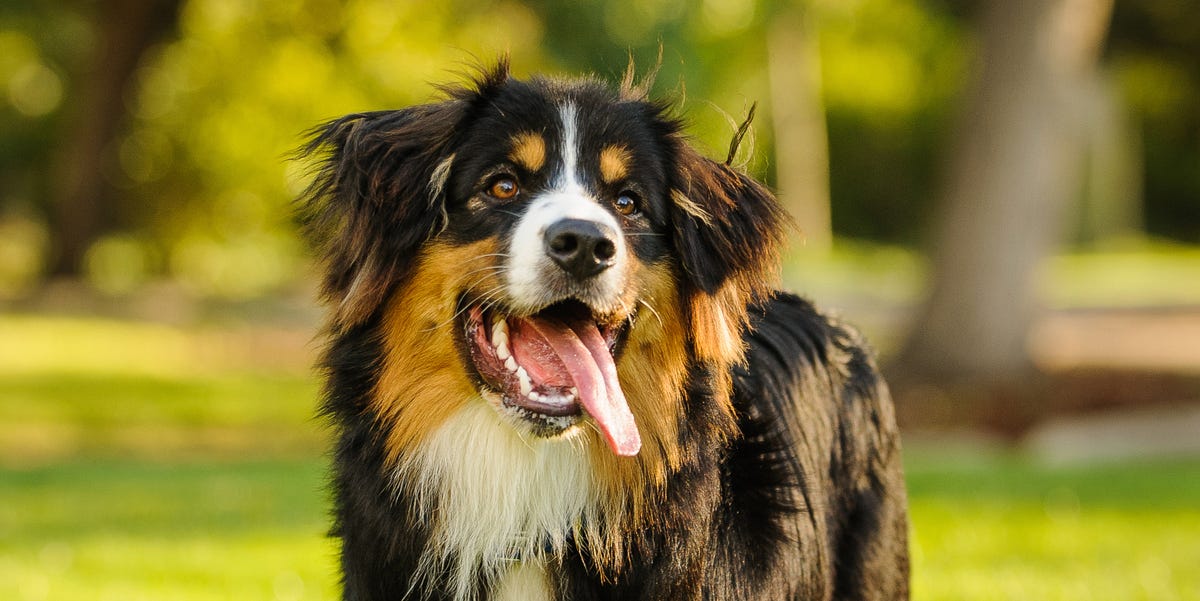
Some dogs enter a room. Giant dogs arrive like a weather event. One minute your living room is peaceful; the next, a 150-pound sweetheart is gently backing into your coffee table because he forgot he has a rear half. Welcome to the wonderful, slobbery, sofa-shrinking world of the largest dog breeds.
This guide ranks 40 of the biggest dog breeds by a practical mix of adult weight, height, bone structure, and overall “wow, that is a lot of dog” presence. You will find famous gentle giants such as the Great Dane, Mastiff, Saint Bernard, Newfoundland, and Irish Wolfhound, plus powerful guardian breeds, mountain dogs, working dogs, and a few athletic large breeds that may not be the heaviest but still require serious space, training, and commitment.
Before falling in love with a massive puppy, remember this: big dogs bring big joy, but also big food bills, big vet considerations, big training responsibilities, and big muddy paw prints. Their size is impressive, but their best quality is usually their heart.
What Counts as a Large or Giant Dog Breed?
Large dog breeds often weigh more than 50 pounds, while giant dog breeds commonly reach 100 pounds or more. Height matters too, especially for breeds like the Irish Wolfhound and Great Dane, which can tower over most dogs at the shoulder. However, “largest” is not only about the scale. A tall, lean breed and a shorter, heavily muscled breed can both belong on this list.
For each breed below, the listed size range is approximate. Individual dogs vary based on sex, genetics, diet, activity level, and responsible breeding. A healthy giant dog should look powerful and balanced, not simply overweight. In other words, “chonky” is cute on the internet, but your veterinarian may have a different speech prepared.
Top 40 Largest Dog Breeds with Photos
1. English Mastiff

The English Mastiff is one of the heaviest dog breeds in the world, often weighing 120 to 230 pounds. Calm, protective, and affectionate, this breed is best for owners who can manage serious size with patient training and steady socialization.
2. Boerboel

The Boerboel is a strong, confident guardian breed that may weigh 150 to 200 pounds. It is intelligent and devoted, but it needs an experienced owner who understands structure, boundaries, and early obedience.
3. Tosa Inu

The Tosa Inu, sometimes called the Japanese Mastiff, is a large and muscular breed with a calm but serious personality. Depending on bloodline, adults can range widely in size, with some reaching well over 100 pounds.
4. Saint Bernard

The Saint Bernard is famous for its rescue-dog history and enormous teddy-bear energy. Adults often weigh 120 to 180 pounds, and their gentle temperament makes them beloved family companions when properly trained.
5. Great Dane

The Great Dane is one of the tallest dog breeds, often standing around 28 to 32 inches at the shoulder. Despite the dramatic height, Danes are often affectionate indoor companions who believe your lap is available, even when physics objects.
6. Leonberger

The Leonberger combines size, sweetness, and a spectacular coat. Often weighing 90 to 170 pounds, this breed is friendly, sensitive, and best suited to homes ready for grooming, exercise, and tumbleweeds made of fur.
7. Neapolitan Mastiff

The Neapolitan Mastiff is heavy-boned, watchful, and unmistakable. With adults commonly around 110 to 150 pounds, this breed needs early socialization and a calm household that respects its protective nature.
8. Newfoundland

The Newfoundland is a powerful working dog known for water rescue, webbed feet, and a gentle soul. Males may weigh up to about 150 pounds, and the breed is beloved for patience, loyalty, and impressive swimming ability.
9. Irish Wolfhound

The Irish Wolfhound is tall, lean, and noble, often standing 30 inches or more at the shoulder. Originally bred for hunting large game, today it is usually gentle, dignified, and happiest near its people.
10. Anatolian Shepherd Dog

The Anatolian Shepherd Dog is a large livestock guardian that may weigh 80 to 150 pounds. Independent and observant, it is not a casual pet for first-time owners but can be extraordinary in the right working or rural environment.
11. Great Pyrenees

The Great Pyrenees is a majestic mountain guardian with a calm expression and a surprisingly stubborn brain. Adults often range from 85 to more than 100 pounds, with a thick white coat built for cold weather.
12. Tibetan Mastiff

The Tibetan Mastiff looks like a lion decided to become a security consultant. This powerful guardian may weigh 70 to 150 pounds and is known for independence, territorial instincts, and a coat that deserves its own zip code.
13. Caucasian Shepherd Dog

The Caucasian Shepherd Dog is a formidable guardian breed with enormous strength and confidence. It can exceed 100 pounds easily and requires careful handling, secure property, and deep knowledge of guardian-dog behavior.
14. Central Asian Shepherd Dog

The Central Asian Shepherd Dog is another serious livestock guardian with impressive size and stamina. It is loyal and brave, but its independent thinking means training should begin early and remain consistent.
15. Scottish Deerhound

The Scottish Deerhound resembles a rough-coated athlete built for speed and open space. Though lighter than some mastiffs, it is tall and elegant, often standing around 28 to 32 inches at the shoulder.
16. Black Russian Terrier

The Black Russian Terrier is a large working breed that can weigh 80 to 130 pounds. Confident and intelligent, it needs training, grooming, and enough mental work to prevent it from inventing its own job description.
17. Greater Swiss Mountain Dog

The Greater Swiss Mountain Dog is a strong draft and farm breed with a tricolor coat and dependable temperament. Adults commonly weigh 85 to 140 pounds and do best with room, routine, and family involvement.
18. Bernese Mountain Dog

The Bernese Mountain Dog is famous for its gorgeous tricolor coat and affectionate nature. Typically weighing 70 to 115 pounds, it is a loyal family dog that enjoys cool weather, moderate exercise, and plenty of brushing.
19. Dogue de Bordeaux

The Dogue de Bordeaux is a stocky French mastiff with a massive head and affectionate personality. Adults often weigh 99 to 110 pounds or more, and the breed thrives with calm leadership and early manners training.
20. Cane Corso

The Cane Corso is an Italian guardian breed with muscle, intelligence, and intensity. Often weighing 90 to 110 pounds, it is best for committed owners who can provide socialization, obedience, and daily work.
21. Rottweiler

The Rottweiler is strong, trainable, and famously loyal. Adults commonly weigh 80 to 135 pounds, and with responsible ownership they can be steady family companions, working dogs, and impressive obedience partners.
22. Akita

The Akita is a large, dignified breed known for loyalty and a thick double coat. Often weighing 70 to 130 pounds, Akitas need early training, careful socialization, and owners who respect their independent nature.
23. Komondor

The Komondor is a large livestock guardian with a corded white coat that looks like a mop joined a medieval security team. Adults may weigh 80 to 100 pounds or more and need experienced care and coat maintenance.
24. Kuvasz

The Kuvasz is a strong Hungarian guardian breed with a white coat and protective instincts. It is athletic, independent, and loyal, usually weighing around 70 to 115 pounds.
25. Alaskan Malamute

The Alaskan Malamute is a heavy-duty sled dog built for strength rather than sprinting. Most weigh 75 to 85 pounds, though some are larger, and they need exercise, training, and a home that can survive seasonal shedding.
26. Bloodhound

The Bloodhound is a large scent hound famous for tracking ability and long ears. Adults often weigh 80 to 110 pounds, and their nose is so powerful it may convince them your plans are irrelevant.
27. Bouvier des Flandres

The Bouvier des Flandres is a sturdy working breed once used for farm tasks such as herding and carting. It typically weighs 70 to 110 pounds and needs grooming, training, and meaningful activity.
28. Giant Schnauzer

The Giant Schnauzer is a powerful, intelligent working breed with a wiry coat and serious eyebrows. Adults may weigh 55 to 95 pounds, and they need exercise, mental challenges, and consistent leadership.
29. Rhodesian Ridgeback

The Rhodesian Ridgeback is a large, athletic hound known for the ridge of hair along its back. Usually weighing 70 to 85 pounds, this breed is independent, loyal, and happiest with active owners.
30. German Shepherd Dog

The German Shepherd Dog is not the heaviest breed here, but its size, strength, and working ability earn it a place. Adults often weigh 50 to 90 pounds, with exceptional trainability and a strong need for purpose.
31. Doberman Pinscher

The Doberman Pinscher is a large, elegant working dog known for speed, loyalty, and intelligence. Adults usually weigh 60 to 100 pounds and thrive with training, exercise, and close family contact.
32. Weimaraner

The Weimaraner is a tall sporting breed with a sleek gray coat and a turbocharged personality. Weighing around 55 to 90 pounds, it needs vigorous activity and companionship, not a life of decorative couch posing.
33. Belgian Malinois

The Belgian Malinois is lighter than many giants but earns inclusion through athletic power and working presence. Usually 40 to 80 pounds, it is best for skilled owners who can handle serious drive and energy.
34. Old English Sheepdog

The Old English Sheepdog is a large, shaggy herding breed that can weigh 60 to 100 pounds. Friendly and playful, it needs regular grooming unless you want your dog to slowly become a sentient carpet.
35. Briard

The Briard is a large French herding breed with intelligence, loyalty, and a long coat. Adults often weigh 55 to 100 pounds and do best with training, socialization, and owners who enjoy brushing.
36. American Bulldog

The American Bulldog is muscular, athletic, and often heavier than it looks from a distance. Many adults weigh 60 to 100 pounds, and the breed benefits from early obedience and active family life.
37. Dogo Argentino

The Dogo Argentino is a strong, athletic breed developed for big-game hunting. Usually weighing 80 to 100 pounds, it requires responsible ownership, socialization, and clear training from puppyhood.
38. Chesapeake Bay Retriever

The Chesapeake Bay Retriever is a strong sporting dog built for cold water and demanding retrieves. Adults often weigh 55 to 80 pounds, with a determined personality and a waterproof coat.
39. Labrador Retriever

The Labrador Retriever is a large sporting breed known for friendliness, intelligence, and versatility. Labs commonly weigh 55 to 80 pounds, though some are larger, and they need portion control because many believe dinner is a recurring emergency.
40. Golden Retriever

The Golden Retriever closes the list as a large, sturdy, family-friendly breed rather than a true giant. Usually weighing 55 to 75 pounds, Goldens are affectionate, trainable, and enthusiastic about retrieving anything from tennis balls to your missing sock.
How to Choose the Right Large Dog Breed
Choosing among the largest dog breeds should start with lifestyle, not looks. A Great Pyrenees may be calm indoors but can bark at night because guardian instincts do not clock out at 5 p.m. A Newfoundland may be gentle with children but brings heavy shedding and drool. A Cane Corso may be loyal and impressive, but it needs a confident owner who will train, socialize, and supervise responsibly.
Space matters, but not always in the way people expect. Some giant breeds are less hyper than smaller dogs and can relax indoors if they receive proper walks and enrichment. Still, tight apartments, slippery floors, steep stairs, and fragile furniture can become daily challenges. Giant puppies also grow quickly, so controlled exercise, proper nutrition, and veterinary guidance are especially important during development.
Training is non-negotiable. A 15-pound puppy jumping on guests is cute. A 150-pound adult doing the same thing is a lawsuit wearing a collar. Teach leash manners, polite greetings, recall, crate comfort, grooming tolerance, and calm handling early. Positive reinforcement works beautifully, but consistency is the secret ingredient.
Common Care Needs for Giant Dog Breeds
Nutrition and Growth
Large and giant puppies need diets formulated for controlled growth. Too many calories or the wrong mineral balance can stress developing bones and joints. Adult giant dogs also need measured meals, because extra weight increases pressure on hips, elbows, knees, and the spine.
Exercise and Joint Protection
Big dogs need movement, but puppies should avoid excessive forced running or repeated jumping. Adults benefit from steady walks, swimming when appropriate, and low-impact play. Think “strong and steady,” not “marathon training with paws.”
Grooming and Home Setup
Some large breeds have short coats, while others seem to manufacture fur as a side business. Keep nails trimmed, brush regularly, clean ears, and invest in washable bedding. Non-slip rugs can help protect joints, especially for puppies and seniors.
Health Awareness
Large and giant breeds may be prone to hip dysplasia, elbow dysplasia, bloat, heart conditions, and shorter average lifespans than small dogs. Regular veterinary checkups, responsible breeders, genetic screening where available, and healthy body weight can make a major difference.
Real-Life Experience: What Living with Giant Dogs Is Really Like
Reading about the top 40 largest dog breeds is one thing. Living with one is another. The first lesson most giant-dog owners learn is that size changes everything. You do not simply buy a dog bed; you measure a corner of the room and accept that your dog may still prefer the floor, the couch, or your entire personal space. You do not buy a “large” collar without checking the actual dimensions. You do not assume a standard car crate will work. Giant dogs have a way of turning ordinary pet supplies into tiny decorative samples.
The second lesson is that big dogs are often emotionally delicate. People sometimes expect a Mastiff, Great Dane, or Newfoundland to behave like a furry security system, but many of these dogs are deeply sensitive. They notice your tone. They lean on you when they want reassurance. They may look majestic in photos, then panic because a cardboard box moved suspiciously in the hallway. Their bodies may be huge, but their feelings can be marshmallow-soft.
Training also feels different with a large breed. You cannot wait until a giant puppy is fully grown before teaching manners. A young Saint Bernard pulling on a leash may be funny for three seconds, right before you discover what skiing on pavement feels like. Early training is not about being strict; it is about creating a shared language. Sit, stay, leave it, come, heel, and settle are not party tricks. They are safety tools.
Daily life becomes full of funny adjustments. Water bowls need refilling constantly. Food storage becomes a logistical operation. Tail height becomes a concern around coffee tables. Drool towels may appear in rooms where no towel has lived before. Visitors may ask, “Is that a dog or a small horse?” at least once, and you will laugh politely because yes, you have heard it before.
But the rewards are enormous too. Large dogs have a presence that fills a home in the best way. A calm Newfoundland resting near your feet can make a room feel peaceful. A goofy Great Dane zooming across the yard is comedy with long legs. A loyal Rottweiler or Cane Corso watching over the family can be deeply reassuring when guided by responsible ownership. A Bernese Mountain Dog leaning into you after a long day can feel like a weighted blanket with eyebrows.
The best experience comes when expectations match reality. Giant dogs are not for everyone, and that is perfectly fine. They can be expensive, messy, short-lived, and physically demanding. Yet for the right owner, they are unforgettable companions. They teach patience, planning, humility, and the importance of never leaving a sandwich unattended on a counter below nose level. Choose carefully, train kindly, care consistently, and the biggest dog in your life may also become the biggest joy.
Conclusion
The largest dog breeds are more than impressive measurements. They are guardians, rescuers, athletes, workers, companions, and professional space-takers. From the towering Irish Wolfhound to the massive English Mastiff, from the water-loving Newfoundland to the lion-like Leonberger, each breed brings a different mix of temperament, care needs, and lifestyle fit.
If you are considering one of these big dogs, do your homework before your heart signs the adoption papers. Meet the breed, talk to reputable breeders or rescue groups, budget realistically, and prepare for training from day one. A giant dog can be a magnificent companion, but only when matched with an owner ready for the responsibility. When that match is right, life gets bigger in every possible way.