Every cat owner knows the look: the frozen whiskers, the laser-focused eyes, the tiny body pretending to be a National Geographic predator while sitting comfortably on a rug. Now imagine giving that cat a front-row seat to an underwater worldwithout letting a single paw turn dinner into an “incident.” That is exactly why the story of Jasper, a curious Cincinnati cat, became such a delightful internet favorite.
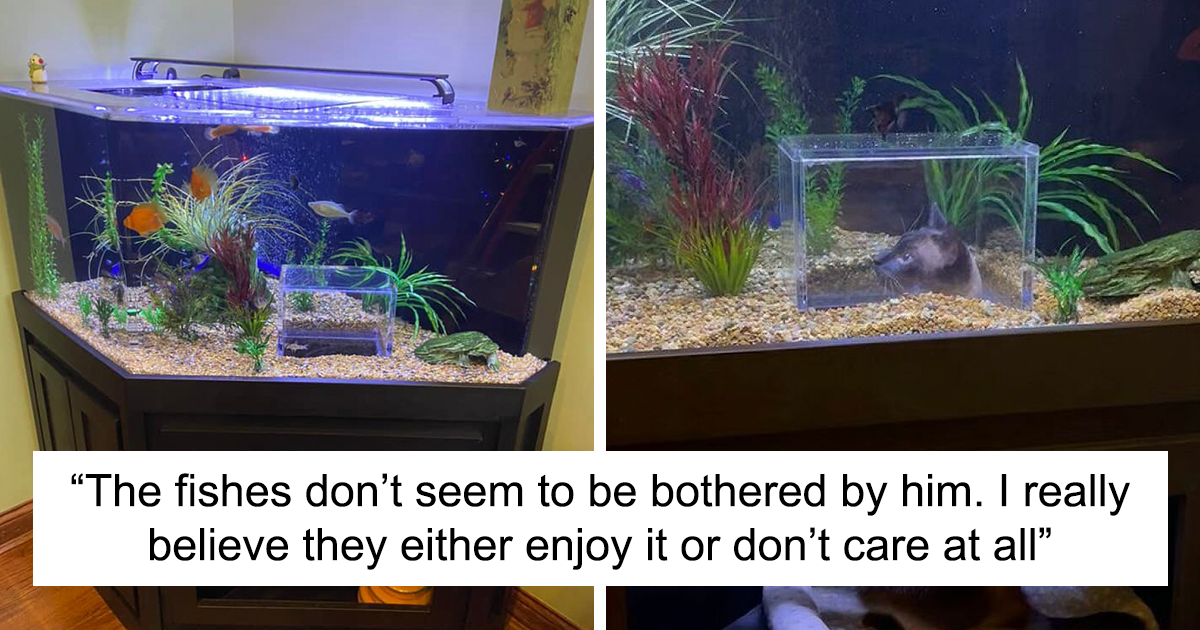
Jasper’s owner, Melissa Krieger, had a custom-made aquarium designed so he could safely watch fish from inside a clear viewing nook. The result looks like something between luxury cat TV, an underwater observatory, and a tiny feline submarine station. Instead of pawing at the top of a tank or trying to sneak a snack, Jasper can settle into his special space and watch the fish swim around him through glass. The fish stay safe. The cat stays entertained. The humans get free comedy. Everybody winsespecially the internet.
The Viral Story Behind Jasper’s Custom Cat Aquarium
Jasper was already interested in the household aquarium before the custom design existed. Like many indoor cats, he was fascinated by quick movement, bright colors, and the mysterious little creatures gliding through water. For a cat, a fish tank is basically live-action television with bubbles. But a normal aquarium creates a problem: the cat can only watch from the outside, and if the lid is not secure, curiosity can become risky for both the fish and the feline.
Melissa’s solution was clever, playful, and surprisingly practical. She commissioned a custom aquarium from Aquatics & Exotics in Cincinnati, Ohio. The tank included a cube-shaped viewing window built into the lower section, allowing Jasper to slip underneath and poke his head into a dry, enclosed glass chamber. From there, he could enjoy a 360-degree view of the fish as they swam around the chamber.
It is important to understand the design: Jasper is not actually inside the water. He is inside a dry viewing box surrounded by water on the outside. That detail matters because it protects the fish from paws and protects the cat from tank water, slippery surfaces, electrical equipment, and the type of chaos that begins with “I only looked away for three seconds.”
Why Cats Are So Obsessed With Fish Tanks
Cats are natural hunters, even when they live indoors, eat premium kibble, and have never faced a challenge more serious than a closed bedroom door. Their brains are wired to notice movement. A fish darting across a tank triggers that instinctive watch-and-stalk behavior. The flick of a tail, the shimmer of scales, the sudden turn of a small fishthese are visual fireworks for a cat.
That does not mean your cat is “bad” for staring at fish. It means your cat is being a cat. Indoor cats need safe outlets for curiosity, observation, stalking, pouncing, and problem-solving. Without healthy stimulation, some cats may become bored, frustrated, overweight, or destructive. A secure aquarium viewing area can become one form of environmental enrichment, much like a window perch, puzzle feeder, wand toy, climbing shelf, or bird-watching station.
Fish Tanks Are Like Cat TV, But Better
People often use the phrase “cat TV” to describe videos of birds, squirrels, mice, or fish created for feline entertainment. A real aquarium can offer a similar experience, but with more depth, natural movement, and sensory interest. The soft sound of water, the filtered light, and the constant gentle motion can hold a cat’s attention in a calm way.
Jasper’s aquarium takes that concept to the next level. Instead of watching from across the room, he gets an immersive view. The fish swim beside him, above him, and around the transparent cube. For a curious cat, this is the VIP lounge of fish-watching. For the fish, the glass barrier keeps the interaction visual rather than physical.
What Makes This Custom Aquarium Design So Smart?
The brilliance of Jasper’s aquarium is not just that it is cute. It solves several common problems at once. A regular fish tank can attract a cat to jump, paw, climb, or drink from the water. That can stress fish, contaminate the tank, damage equipment, or cause injury. A well-designed cat viewing aquarium gives the cat a special place to observe without giving him access to the fish.
1. It Separates Curiosity From Contact
The viewing box allows Jasper to feel close to the fish while still being separated by glass. He can watch, sniff around the outside, gently touch the barrier, and enjoy the visual excitement without actually touching the animals inside. This is the key difference between enrichment and danger. The cat receives stimulation, but the fish are not being chased, swatted, or removed from their environment.
2. It Creates a Safe Observation Space
Cats like contained spaces. Boxes, tunnels, carriers, cabinets, baskets, and laundry piles all have one thing in common: they make cats feel hidden and secure. The lower nook in Jasper’s aquarium gives him a cozy place to sit while the viewing cube gives him a panoramic underwater scene. It is part hideout, part theater, part “tiny predator control room.”
3. It Turns a Household Object Into Enrichment
Great enrichment often comes from making the home more interesting. Cat shelves transform walls. Puzzle feeders transform meals. Window perches transform outdoor views into safe entertainment. Jasper’s custom aquarium transforms a fish tank into a shared pet experience. It allows the cat and fish to exist near each other without turning one pet’s entertainment into another pet’s emergency.
Is a Cat Aquarium Safe for Fish?
A custom cat aquarium can be safe for fish when it is designed correctly, maintained responsibly, and monitored carefully. The biggest safety factor is the barrier. Fish should never be exposed to direct pawing, grabbing, tapping, or sudden disruptions. A cat should not be able to reach into the water, knock off the lid, damage filtration equipment, or corner fish in a way that causes ongoing stress.
In Jasper’s case, the fish reportedly did not appear bothered by his presence. His owner also noted that the family had kept a fish tank for many years, meaning the household was not new to aquarium care. That experience matters. A custom aquarium is not just a cute furniture piece; it is a living habitat that requires stable water quality, filtration, appropriate stocking, proper feeding, and regular testing.
Signs Fish May Be Stressed
Even if a tank looks beautiful from the outside, fish welfare depends on more than decoration. Watch for signs such as hiding constantly, rapid breathing, clamped fins, loss of appetite, erratic swimming, faded color, or fish staying near the surface. Those signs may point to stress, poor water quality, illness, or an unsuitable environment.
Cat owners should also pay attention to behavior outside the tank. If the cat slams into the glass, repeatedly jumps on the tank, claws at equipment, or causes fish to scatter every few minutes, the setup may need changes. The goal is calm observation, not a daily underwater horror movie starring Mr. Whiskers.
Is a Fish Tank Safe for Cats?
A fish tank can be safe for cats if access is controlled. The tank should have a secure lid, stable stand, protected cords, strong glass or acrylic, and no reachable chemicals, foods, medications, or cleaning supplies. Cats should not drink aquarium water or walk on wet surfaces near electrical equipment. Owners should also prevent cats from falling into open tanks, chewing tubing, or batting small accessories onto the floor.
For custom designs, professional construction is strongly recommended. Aquariums must hold a large amount of weight and pressure. A viewing cube changes the structure of the tank, so it should not be improvised with random glass panels, silicone, and hope. Hope is not a structural engineering plan. Work with experienced aquarium builders who understand water pressure, seams, support, filtration flow, and animal safety.
The Enrichment Lesson: Indoor Cats Need More Than Food And Naps
Jasper’s story went viral because it is adorable, but it also points to a deeper truth about pet care: indoor cats need meaningful stimulation. A cat may sleep most of the day, but that does not mean the awake hours should be boring. Cats benefit from opportunities to climb, scratch, hide, chase, observe, explore, and solve little problems.
A custom fish tank is one fancy example. Most cat owners do not need to install a luxury underwater viewing booth to improve their cat’s life. Simple enrichment can be just as valuable. A window perch near a secure window, a rotating selection of toys, cardboard boxes, vertical shelves, scratching posts, food puzzles, clicker training, and short play sessions can all help an indoor cat feel engaged.
Better Enrichment Ideas Inspired By Jasper’s Aquarium
If Jasper’s underwater viewing palace has you looking at your living room and whispering, “My cat deserves a lifestyle upgrade,” start with safe, realistic options. Create a viewing station beside a secure aquarium. Add a cat tree near the tank, but not so close that your cat can jump on top of it. Use a locked lid. Hide cords. Keep fish food sealed. Teach your cat to sit calmly nearby by rewarding quiet watching.
If you do not keep fish, you can still create the same type of sensory enrichment. Try cat-safe videos, a window perch, a bird feeder outside a closed window, a bubbling pet fountain, or floating toys in a supervised shallow basin. The magic is not only the fishit is the combination of motion, novelty, safety, and choice.
Why This Story Melted The Internet
Part of the charm is obvious: a cat with his own custom aquarium is wonderfully extra. It is the kind of pet-parent decision that says, “Yes, I know this is ridiculous, and yes, I would absolutely do it again.” But the story also feels wholesome because it shows creativity guided by care. Melissa did not simply let Jasper harass the fish. She created a controlled way for him to enjoy them safely.
The internet loves animals doing funny things, but it especially loves when humans design something thoughtful for them. Jasper’s tank became popular because it looks magical, solves a real problem, and gives viewers the tiny thrill of seeing a cat experience wonder. His face inside the viewing nook says everything: confusion, fascination, ambition, and possibly a business plan involving tuna.
Could You Build A Custom Cat Aquarium At Home?
Technically, yesbut practically, this is not a beginner DIY project. Aquariums are delicate systems. A small leak can become a big disaster. A poorly supported tank can crack. A weak viewing chamber can fail. If you want a cat-friendly aquarium, the safest route is to consult a professional aquarium builder or choose a commercial design made specifically for cat viewing.
Before ordering or building anything, consider tank size, fish species, filtration, cleaning access, room layout, stand stability, cat behavior, and emergency access. The tank should be easy to maintain because poor water quality is one of the most common causes of fish health problems. A beautiful aquarium that is hard to clean is like a sports car with no brakes: impressive until reality arrives.
Questions To Ask Before Creating A Cat Viewing Tank
Ask whether the viewing nook affects water circulation. Confirm the glass thickness and support structure. Make sure the lid is escape-proof and cat-proof. Check whether the viewing chamber is large enough for comfortable observation but not so large that it reduces healthy swimming space for the fish. Think about how you will clean algae from the viewing area. Also consider whether your cat is calm enough for this kind of setup. Some cats are gentle observers. Others are furry wrecking balls with whiskers.
Keeping The Fish Comfortable
The fish are not decorations; they are living animals with environmental needs. Choose species that are appropriate for the tank size and water conditions. Avoid overcrowding. Maintain stable temperature, pH, oxygenation, and filtration. Test water regularly. Quarantine new fish when appropriate. Provide hiding areas so fish can move away from the viewing zone when they choose.
That last point is especially important. Just as a cat needs a safe place to retreat, fish benefit from structure, plants, caves, driftwood, or other species-appropriate cover. A good cat aquarium should not force fish to be on display 24/7. The best design gives the cat an exciting view while still giving the fish control over their space.
Keeping The Cat Calm And Happy
If you introduce a cat to a fish tank, do it gradually. Let the cat observe from a distance. Reward calm behavior. Redirect intense pawing or climbing with toys. Never punish a cat for being curious; curiosity is the entire reason this story exists. Instead, shape safer behavior by making the right choice more rewarding.
For energetic cats, offer active play before aquarium time. A wand toy session can burn off the pounce-and-grab energy, making the cat more likely to settle into quiet watching afterward. Think of it like taking a child to the movies after a playground visit. Everyone is more peaceful when the zoomies have already clocked out.
What Pet Owners Can Learn From Jasper
Jasper’s custom aquarium is not just a viral novelty. It is a reminder that good pet care is creative, observant, and species-aware. Melissa noticed what her cat loved, recognized the potential risks, and found a way to make the experience safer. That is the heart of enrichment: meeting animals where their instincts already live, then designing the environment so those instincts can be expressed without harm.
For cats, that might mean a fish-viewing station, a climbing wall, puzzle meals, or a cardboard castle that cost exactly zero dollars and somehow becomes the most beloved object in the home. For fish, it means clean water, appropriate tank mates, hiding places, and protection from household stressors. When both needs are respected, a multi-pet home can become more peaceful and more interesting.
Experience-Based Reflections: Living With A Cat Who Loves The Aquarium
Anyone who has lived with a fish-obsessed cat knows the routine. At first, the cat notices the tank by accident. Maybe a neon tetra flashes past the glass. Maybe bubbles rise from the filter. Maybe the light turns on and the whole aquarium glows like a tiny underwater city. The cat stops walking. One paw hangs in the air. The pupils widen. A lifelong hobby is born.
The early days can be funny but nerve-racking. A curious cat may sit politely in front of the tank one minute and attempt a full mountain-climbing expedition the next. That is why the safest setups are planned before the cat develops bad habits. A heavy, stable stand is essential. So is a secure lid. Cords should be tucked away or protected. Fish food should be stored in a cabinet because some cats treat every container like a legal challenge.
One of the best experiences is watching a cat learn that the aquarium is for observing, not attacking. With patience, many cats settle into a ritual. They sit in the same spot each morning. They follow the fish with their eyes. They chirp softly at the glass. They may press a paw against the tank, then look offended when physics refuses to cooperate. The fish, if comfortable and provided with hiding spots, often continue their routines without much concern.
The key is balance. The aquarium should not become the cat’s only entertainment. A fish tank can be part of a richer indoor life, but cats still need interactive play with humans, climbing spaces, scratching areas, cozy resting spots, and opportunities to make choices. A cat who watches fish after a healthy play session is more likely to be calm than a bored cat who has spent all day storing chaos like a rechargeable battery.
Owners also learn that aquarium maintenance becomes even more important when cats are involved. Fingerprints on glass are one thing; nose prints are another. Paw smudges appear mysteriously. Cat hair may drift toward the tank during cleaning. You become more disciplined about closing lids, washing hands, checking equipment, and keeping supplies organized. In a strange way, the cat makes you a better aquarist because the margin for laziness gets smaller.
There is also a quiet joy in watching two very different worlds meet safely. Fish move with calm, fluid grace. Cats observe with intense, dramatic seriousness. Together, they create a daily scene that feels both peaceful and hilarious. Jasper’s custom aquarium captures that feeling perfectly. It is not about letting a predator bother prey. It is about designing a safe boundary where curiosity can exist without harm.
For pet parents, the bigger takeaway is simple: pay attention to what fascinates your animal. Your cat may not need a custom aquarium, but maybe he needs a window shelf. Maybe she needs puzzle feeders. Maybe your senior cat needs a lower perch with a soft blanket and a good view. Enrichment does not have to be expensive; it has to be thoughtful. Jasper just happened to receive the luxury versionwith glass walls, swimming neighbors, and the kind of underwater view most cats can only dream about between naps.
Conclusion
Jasper’s custom-made aquarium became popular because it is adorable, unusual, and surprisingly smart. It gives a curious cat a safe way to enjoy fish while keeping the fish protected behind glass. More importantly, it shows how thoughtful design can turn a pet’s natural instincts into safe enrichment. Cats need stimulation. Fish need stable, low-stress habitats. Humans need fewer reasons to say, “Why is the cat wet?” A well-planned cat viewing aquarium can satisfy all three.
Whether you are dreaming of a custom tank or simply trying to make your indoor cat’s life more exciting, Jasper’s story offers a useful lesson: the best pet ideas are not just cute for the camera. They respect the animals involved. They reduce risk. They create joy. And occasionally, they turn a Cincinnati cat into the star of his own underwater reality show.
Note: This article is based on real public reporting about Jasper the cat and his Cincinnati-made custom aquarium, along with reputable veterinary, feline enrichment, aquarium care, and public health guidance. It is written for informational and editorial publishing purposes and should not replace advice from a qualified veterinarian, aquatic veterinarian, or professional aquarium builder.