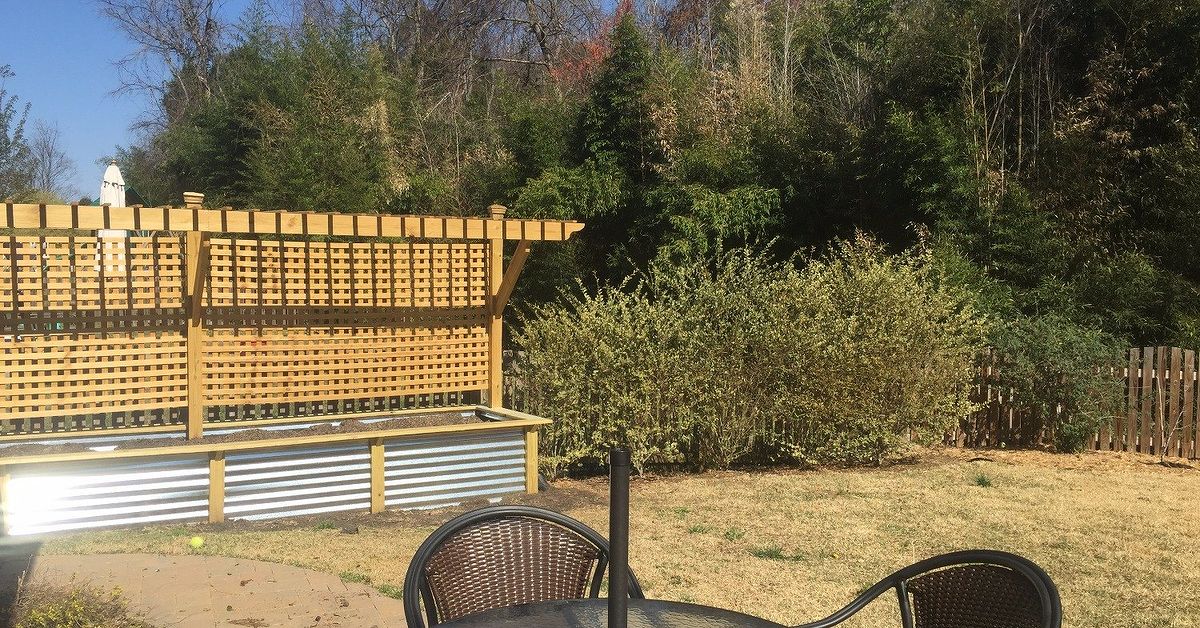
What looked like a simple shrub-removal job became a full backyard reset: more light, better circulation, smarter drainage, useful seating, and a layered garden that finally matched the way the homeowners wanted to live. The dramatic part was not merely pulling out old bushes. It was recognizing that an overgrown landscape can hide space, architecture, and possibilities in plain sight.
At first, the backyard seemed perfectly ordinaryif “ordinary” means a green wall of aging shrubs swallowing the fence, crowding the patio, and making every trip to the grill feel like an expedition through a mildly hostile jungle. The bushes had probably looked tidy years earlier. Over time, however, they expanded beyond their intended size, shaded out smaller plants, trapped leaves, and reduced a generous yard to a narrow strip of lawn.
The homeowners considered trimming everything back. Then they stepped inside, looked through the rear windows, and realized the shrubs were not framing the view; they were the view. That was the moment the project changed from routine pruning to a genuine backyard transformation.
The hidden problem was bigger than a few overgrown bushes
In this yard, the largest bushes had become bulky green furniture that nobody remembered ordering. Their lower branches were bare, their centers were congested, and repeated shearing had created dense outer shells. Behind them were damp pockets, a forgotten stretch of fence, and several feet of usable ground. One shrub leaned toward the patio, another interfered with a gate, and a third concealed a drainage low spot that stayed soggy after storms.
Before the first shovel: the decisions that prevented expensive mistakes
They identified what was worth saving
The homeowners did not declare war on every leaf. A small ornamental tree with a healthy canopy stayed. So did a flowering shrub that fit its corner and offered color without blocking a path. A clump of established perennials was divided and temporarily moved. Keeping the strongest plants saved money, preserved maturity, and prevented the finished landscape from looking like a brand-new parking lot with three nervous flowers.
Each large shrub was evaluated for health, mature size, location, and function. Could it be rejuvenated through selective pruning? Was it screening an unattractive view? Did birds use it? Was it hiding a utility box that still needed service access? Removal made sense only when the answer was clear.
They mapped sunlight, water, and movement
Once the shrub canopy was marked for removal, the family watched the yard at different times of day. Morning sun reached one bed, while the house cast afternoon shade across another. Rainwater moved from a downspout toward the low corner. People naturally cut diagonally from the back door to the gate, ignoring the existing path because humans, unlike landscape plans, tend to choose the shortest route.
Those observations shaped the redesign. The sunniest area became a planting bed for flowering perennials and compact shrubs. The damp zone was treated as a drainage opportunity rather than filled with plants that preferred dry feet. The informal walking route became a real path instead of an ongoing argument between shoes and grass.
They checked what was underground
Digging around old root systems can put tools surprisingly deep into the soil. Before excavation, the homeowners requested utility markings through the national 811 service. They also located private features that public utility marking may not cover, such as irrigation lines, low-voltage lighting cable, and the route between the house and an outdoor faucet.
This step was not glamorous, but neither is turning a backyard makeover into an emergency repair story. They also verified property lines and local requirements before changing fencing, drainage, or permanent hardscape.
How they removed the shrubs without turning the yard into a crater field
The bushes came out in stages. First, branches were cut back to reveal the base and make the plants manageable. The debris was sorted as work progressed, which kept the site safer and made cleanup less overwhelming. Thick stems were cut low only after the crew had enough trunk left to use as leverage.
For smaller shrubs, a sharp spade and digging bar helped expose and sever roots around the perimeter. Larger, stubborn root crowns required more excavation and mechanical assistance. Where roots approached a retained tree, the homeowners slowed down rather than hacking blindly. Major roots belonging to a valuable tree are not disposable obstacles; damaging them can affect stability and long-term health.
When the last root mass came free, the visual change was immediate. The fence line appeared several feet farther away. The house gained more daylight. The patio no longer felt pinched between greenery and siding. Even before anything new was installed, the yard felt larger because its edges were finally visible.
The end result worked because they did not rush to fill the emptiness
A wider patio created a reason to go outside
Instead of packing the expanded area with oversized furniture, they planned zones: a small dining table near the kitchen, a pair of lounge chairs facing the garden, and clear circulation between the door, gate, and lawn. The result felt generous without consuming the entire yard in hardscape.
Drainage became part of the design
The soggy corner had once been hidden by shrubs, but hiding water does not persuade it to leave. The redesigned grade directed runoff away from the house and toward a shallow planted depression suited to the site. Permeable surfaces and planted soil allowed more rainfall to soak in rather than racing across a solid slab.
A rain garden is not appropriate for every property, and it must be located and sized correctly. In this case, the concept helped turn an irritating low spot into a visual feature with moisture-tolerant plants, texture, and seasonal bloom. The area looked intentional rather than forgotten.
Layered planting restored privacy without rebuilding the green wall
The homeowners still wanted privacy, but they no longer wanted a single row of identical shrubs marching along the boundary like bored security guards. The new border used layers: low groundcovers near the path, flowering perennials in the middle, compact shrubs for year-round form, ornamental grasses for movement, and one small tree positioned where screening mattered most.
Native species were included where they suited the site, helping the garden provide useful food and cover for local wildlife. The family also planned for multiple seasons, combining spring flowers, summer texture, fall color, berries, and evergreen structure. A backyard should not become visually unemployed in November.
Mulch and spacing kept the “after” from becoming another “before”
New plants were spaced according to their mature dimensions, not pressed together for instant fullness. That decision initially left visible gaps, but it reduced future crowding and gave each plant room to develop naturally. Organic mulch helped moderate soil moisture and suppress weeds, while being kept away from stems and trunks rather than piled into miniature mulch volcanoes.
The planting beds received defined edges, and the path created a strong visual line through the yard. These simple boundaries made even young plantings appear deliberate. Structure is what separates a relaxed garden from a place that looks as though the plants escaped during transport.
Why the transformation looked so dramatic
The “incredible” result was not based on expensive materials or a television-sized budget. The improvement came from correcting scale, revealing space, and connecting each part of the yard to a purpose.
The house benefited too. With the oversized shrubs gone, windows and architectural lines were visible. Light reached indoor rooms more easily, and maintenance access improved along the foundation. The yard no longer seemed attached to the house by accident; the two spaces finally worked together.
Backyard renovation lessons homeowners can use
Remove with a plan, not with adrenaline
Demolition is satisfying because progress is loud and obvious. Design is quieter. Before removing established vegetation, sketch the yard, photograph views from inside the house, note screening needs, and decide what will replace each lost function. A shrub may be ugly from the patio but essential from the neighbor’s second-story window.
Solve practical problems before decorating
Drainage, grading, utilities, access, irrigation, and hardscape foundations belong early in the project. Installing delicate plants before running a drain or rebuilding a path is an efficient way to purchase the same plants twice. Fix the bones first; add the earrings later.
Design for maintenance on an ordinary Tuesday
A garden should match the time and energy its owners realistically have. A high-maintenance border can be wonderful for someone who enjoys weekly pruning and deadheading. For everyone else, compact cultivars, durable native plants, grouped irrigation needs, clear bed edges, and sensible spacing may produce a better long-term result.
Five hundred words of real-world experience: what a shrub-removal makeover actually feels like
The most surprising part of a project like this is how quickly confidence changes. On the first morning, the shrubs look permanent. Their trunks are thick, the branches are tangled, and the root systems seem to have signed a long-term lease. After the first plant comes out, the entire yard suddenly feels negotiable.
That burst of momentum is useful, but it can also make homeowners reckless. One successful removal often inspires a person to point at every remaining plant and say, “That one too.” The better experience is to pause after each major change. Walk back into the kitchen. Look through the windows. Sit where the future patio will be. A shrub that seemed unnecessary from three feet away may provide perfect screening from the dining room.
The physical work is also less tidy than makeover photos suggest. Roots hold surprising amounts of soil. Cut branches occupy three times the space you expected. A wheelbarrow develops a personal grudge. Gloves that felt rugged at breakfast begin to resemble lace by midafternoon. Planning debris removal before demolition saves enormous frustration. So does sharpening tools, protecting eyes and hands, and stopping when fatigue turns careful work into improvised slapstick.
The smartest response is not to cover everything immediately. Give the empty space a little time. Use a garden hose to outline possible bed shapes. Set inexpensive chairs where seating might go. Carry a tray from the back door to the proposed dining area. Move through the space as though the project were finished. These low-cost tests reveal whether paths are wide enough, whether furniture blocks circulation, and whether the best morning-coffee spot is actually the one shown on the sketch.
Plant shopping brings another emotional trap: small plants look lonely. Homeowners often compensate by buying too many or installing them too close together. The first year may look fuller, but the third year can recreate the exact crowding problem that started the renovation. Mature dimensions matter more than nursery-pot dimensions. Temporary containers, annual flowers, or a thicker visual layer of mulch can make a young garden feel finished while permanent plants establish.
Watering is where enthusiasm meets responsibility. Newly installed trees and shrubs need consistent attention while roots establish. The easiest routine is one that can be repeated: grouped plants with similar needs, accessible hose connections, slow deep watering, and regular checks beneath the mulch rather than guessing from the surface. A new landscape cannot thrive on compliments alone.
Finally, the best moment is rarely the dramatic reveal. It comes a few weeks later, when the family carries dinner outside without moving tools first. It comes when rain falls and the former puddle behaves as planned. It comes when a butterfly visits the new border, when the path stays clean, or when someone notices that the backyard has become part of daily life.
That is the real payoff of ripping out the wrong bushes. The project does not merely produce a prettier photograph. It gives wasted square footage a job, makes maintenance more logical, and turns an obstructed yard into an outdoor room that earns its place in the home.
Conclusion: the incredible result began with a clear view
Removing overgrown bushes was the most visible step, but it was not the whole transformation. The homeowners succeeded because they studied the site, preserved useful plants, worked safely, fixed drainage, created comfortable circulation, and replanted for mature size rather than instant impact.
The lesson is simple: an aging backyard does not always need more decoration. Sometimes it needs subtraction, patience, and a plan. Once the shrubs stopped dictating the layout, the yard could become brighter, more functional, easier to maintain, and far more inviting. The final space looked incredible because every elementfrom the patio edge to the smallest groundcoverhad a reason to be there.
Note: This article presents a representative backyard-renovation scenario synthesized from established U.S. horticulture, landscape-design, stormwater, and safe-digging guidance. Plant removal, drainage work, and hardscape installation should be adapted to local codes, utilities, climate, soil conditions, and professional recommendations.