The coronavirus pandemic did more than change how people worked, shopped, learned, traveled, greeted relatives, and judged the quality of sourdough bread. It also changed the way people talked. Almost overnight, ordinary conversations became sprinkled with terms that once belonged mostly to epidemiologists, doctors, public health officials, and people who read medical journals for fun. Suddenly, everyone had opinions about “viral load,” “community spread,” “PPE,” and whether “quarantine” was being used correctly at the dinner table.
Language is a living thing. It stretches, borrows, invents, abbreviates, and occasionally panics in sweatpants. During COVID-19, English moved at pandemic speed. Old words gained fresh urgency. Scientific terms became household vocabulary. Slang exploded across social media. And brand-new expressions appeared to describe the strange emotional weather of lockdown life: doomscrolling, Zoom fatigue, Blursday, covidiot, quarantini, and the oddly nostalgic phrase the Before Times.
This article explores the new words from the coronavirus pandemic, how they entered everyday speech, why they mattered, and what they reveal about life during one of the most disruptive global events of modern history.
How the Coronavirus Pandemic Changed Everyday Language
Before 2020, many people had heard the word “pandemic,” but it was not exactly the kind of term people used while comparing grocery coupons. That changed when COVID-19 spread globally and public health language became part of ordinary life. The World Health Organization announced the official disease name “COVID-19” on February 11, 2020, and later characterized the outbreak as a pandemic on March 11, 2020. Those two dates helped launch a vocabulary wave that would reach homes, offices, classrooms, hospitals, newsrooms, and group chats everywhere.
Some of the new pandemic vocabulary came from science. Some came from government guidance. Some came from journalists trying to explain unfamiliar risks in plain English. And some came from the internet, where humor, fear, boredom, and too much screen time produced a bumper crop of slang. When people are confused or scared, they often name things quickly. A name gives shape to a problem. It makes the invisible feel a little more manageable.
That is why words like “social distancing,” “flatten the curve,” and “contact tracing” became more than technical phrases. They became instructions for survival. Meanwhile, words like “doomscrolling” and “coronasomnia” gave people a way to laugh, groan, and say, “Yes, that is exactly what is happening to my brain.”
Medical and Public Health Terms That Became Household Words
The first major language shift of the pandemic was the sudden popularity of technical vocabulary. People who had never discussed epidemiology were suddenly debating transmission, incubation periods, droplets, aerosols, and test positivity rates. The living room became a mini public health seminar, minus the tuition bill.
COVID-19
“COVID-19” is one of the most important new words from the coronavirus pandemic. It stands for “coronavirus disease 2019.” The term was designed to be neutral, clear, and free from geographic labels that could stigmatize people or places. This mattered because disease names can influence public behavior, media framing, and even discrimination.
The word quickly became flexible in everyday use. People said “COVID-19” in formal contexts, “COVID” in casual speech, and sometimes “the rona” in slang. The short form “COVID” became especially common in headlines, conversation, and public messaging because it was easier to say and write.
Coronavirus
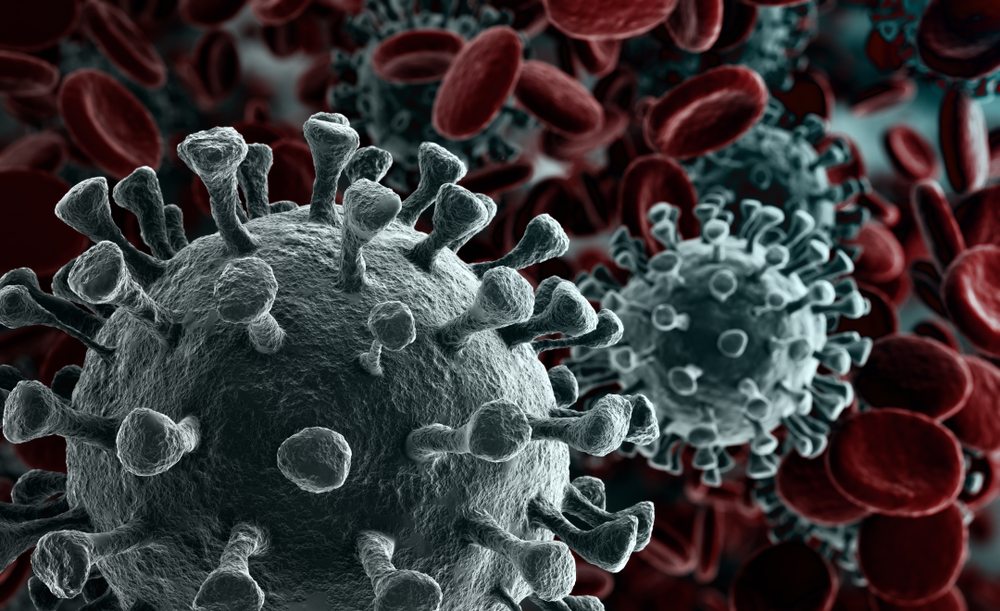
“Coronavirus” was not technically new, but for many people it felt new. Coronaviruses are a family of viruses, and COVID-19 is the disease caused by the virus SARS-CoV-2. In everyday conversation, however, “coronavirus” often became shorthand for the pandemic itself. Someone might say, “because of coronavirus,” meaning the entire chain reaction of illness, closures, masks, travel rules, remote work, and grocery store arrows pointing down the aisle like tiny traffic laws.
Pandemic, Epidemic, and Endemic
The pandemic also pushed people to learn the difference between “epidemic,” “pandemic,” and “endemic.” An epidemic refers to a disease outbreak that spreads within a community or region at higher-than-expected levels. A pandemic spreads across countries or continents. An endemic disease is consistently present in a particular area or population.
These distinctions became important because they shaped how people understood risk. “Pandemic” sounded alarming because it was alarming. Later, as the world adjusted to living with COVID-19, “endemic” entered the conversation as people asked whether the virus would become a long-term part of life.
Quarantine and Isolation
“Quarantine” and “isolation” became two of the most used and most confused words of the pandemic. In public health language, quarantine generally refers to separating people who may have been exposed to a contagious disease, while isolation refers to separating people who are sick or confirmed to be infected. In casual speech, people often used “quarantine” for almost everything: staying home, avoiding friends, working remotely, or hiding from the news under a blanket.
The word “self-quarantine” also became common. It described the voluntary act of staying away from others after possible exposure. It sounded responsible, slightly dramatic, and very 2020.
Social Distancing and Physical Distancing
“Social distancing” became one of the signature phrases of the coronavirus pandemic. It referred to keeping physical space between people to reduce transmission. The phrase appeared on signs, in news reports, in government briefings, and in awkward moments when someone at the grocery store stood close enough to inspect your cereal choices.
Some experts preferred “physical distancing” because people still needed social connection, even when they were physically apart. That distinction mattered. The pandemic proved that distance did not have to mean emotional disconnection. Families held video birthdays, friends hosted virtual game nights, and coworkers learned that “Can you hear me?” is the unofficial anthem of remote meetings.
Flatten the Curve
“Flatten the curve” became a phrase that turned a statistical concept into a public mission. The “curve” referred to a graph showing the number of infections over time. Flattening it meant slowing the spread so hospitals would not be overwhelmed. The phrase worked because it was visual, simple, and urgent. It made collective action feel measurable.
For many people, this was the first time a chart felt personal. The curve was not just a line. It represented hospital beds, nurses, ventilators, grandparents, neighbors, and the fragile capacity of health systems.
Contact Tracing
“Contact tracing” refers to identifying and notifying people who may have been exposed to an infectious person. During the pandemic, the term moved from public health offices into daily conversation. People began keeping mental maps of who they had seen, where they had been, and whether a quick coffee counted as “close contact.”
It also changed social etiquette. A message that once said, “Great seeing you!” might later be followed by, “Just so you know, I tested positive.” Not exactly the follow-up anyone wanted, but definitely one people learned to appreciate.
Asymptomatic and Presymptomatic
Two more terms that became common were “asymptomatic” and “presymptomatic.” An asymptomatic person is infected but does not develop symptoms. A presymptomatic person is infected and not yet showing symptoms but may develop them later. These words changed how people understood contagious illness. Before COVID-19, many people assumed that if someone looked healthy, they probably were not spreading anything. The pandemic challenged that assumption.
Superspreader
“Superspreader” became a powerful and sometimes frightening word. It described a person or event linked to many infections. The term was often used in phrases like “superspreader event,” referring to gatherings where one infected person could transmit the virus to many others. Weddings, conferences, parties, choir practices, and crowded indoor events all became part of the conversation.
PPE, N95, and Mask Up
“PPE,” short for personal protective equipment, became a familiar abbreviation. Before the pandemic, many people associated PPE with hospitals, laboratories, or industrial work. During COVID-19, it became a daily topic. Masks, gloves, face shields, gowns, and respirators were discussed with the intensity usually reserved for sports playoffs.
“N95” also became widely recognized. The term refers to a type of respirator designed to filter airborne particles. Meanwhile, “mask up” turned “mask” into a casual verb phrase. It was short, direct, and easy to print on signs. It also proved that English can turn almost any noun into a verb when sufficiently motivated.
Slang and Social Media Words Born from Pandemic Life
While public health experts gave us formal vocabulary, the internet gave us emotional vocabulary. These pandemic slang words captured the weirdness of isolation, remote work, bad news, and time losing all meaning.
Doomscrolling
“Doomscrolling” means compulsively scrolling through bad news, especially on social media. The term existed before COVID-19, but the pandemic pushed it into mainstream use. It described the nightly ritual of checking one more headline, then another, then another, until suddenly it was 1:43 a.m. and your phone knew too much.
The word stuck because it felt painfully accurate. It combined “doom” and “scrolling” into one neat package of anxiety, curiosity, and poor bedtime decisions.
Zoom Fatigue
“Zoom fatigue” described the exhaustion caused by too many video meetings. Even though Zoom is a brand name, the phrase became shorthand for the mental drain of remote communication in general. Video calls required people to stare at faces, manage delays, watch their own image, and perform attentiveness while secretly wondering whether anyone could see the laundry pile behind them.
This term was useful because it validated a new kind of tiredness. People were not imagining it. Digital interaction could be genuinely draining.
Covidiot
“Covidiot” is a blend of “COVID” and “idiot.” It was used to describe someone who ignored public health guidance, hoarded supplies, spread misinformation, or behaved recklessly during the pandemic. The word was sharp, funny, and not exactly polite. It became popular because people needed a label for behavior that felt selfish or dangerous.
Like many slang terms, it carried judgment. It was less a medical term and more a social verdict.
Quarantini
“Quarantini” combined “quarantine” and “martini” to describe a cocktail consumed during lockdown. It was part joke, part coping mechanism, and part evidence that people will create a pun even during a global crisis. The word appeared in social media posts, lifestyle articles, and virtual happy hours.
Of course, not everyone’s quarantini was fancy. Sometimes it was just whatever was left in the cabinet plus a heroic amount of ice.
Blursday
“Blursday” described the feeling that all days had blurred together. During lockdowns, calendars lost their usual landmarks: commuting, school drop-off, weekend plans, office lunches, errands, and social events. Monday felt like Wednesday. Wednesday felt like soup. Time became less of a schedule and more of a rumor.
The word worked because it captured a widespread experience with humor. Everyone knew exactly what Blursday meant, even if no one could remember what day it actually was.
The Before Times
“The Before Times” became a nostalgic phrase for life before the pandemic. It sounded theatrical, almost mythological, as if people were remembering an ancient civilization where humans shook hands, crowded into elevators, and blew out birthday candles without conducting a risk assessment.
The phrase was funny because it exaggerated the distance between pre-pandemic life and lockdown life. But it also carried real emotion. The pandemic created a mental dividing line: before and after.
Pod and Bubble
“Pod” and “bubble” referred to small groups of people who agreed to limit outside contacts so they could safely interact with one another. Families formed learning pods. Friends formed social bubbles. Sports leagues created controlled environments. These words helped people negotiate trust, risk, and companionship.
The idea was simple: shrink your social world to make contact safer. The emotional reality was more complicated. Choosing a pod could feel like drafting a tiny pandemic team, complete with strategy, boundaries, and occasional awkward conversations.
Maskne
“Maskne” blended “mask” and “acne” to describe skin irritation or breakouts caused by wearing masks. It became common in beauty and health discussions, especially among healthcare workers and people who wore face coverings for long hours.
The word may sound lighthearted, but it pointed to a real daily issue. Masks helped reduce risk, but they also created new skin-care problems. Pandemic vocabulary often worked this way: one small word captured a whole lifestyle adjustment.
Coronasomnia
“Coronasomnia” described pandemic-related sleep problems. Anxiety, disrupted routines, health fears, job stress, isolation, and increased screen time all contributed to restless nights. The term helped people identify a pattern: they were not simply “bad at sleeping.” They were living through a stressful historical event with a smartphone on the nightstand.
Why These Pandemic Words Spread So Quickly
The new words from the coronavirus pandemic spread quickly because they were useful. Good language solves problems. It helps people explain what is happening, share instructions, complain efficiently, and find humor when life gets weird.
Several forces pushed pandemic vocabulary into everyday speech. First, the crisis was global. Millions of people were experiencing similar disruptions at the same time. Second, the internet accelerated word formation. A clever phrase could travel from one tweet to a news article to a family group chat within hours. Third, the pandemic touched nearly every part of life, so people needed words for work, school, health, shopping, loneliness, boredom, grief, and digital overload.
Many pandemic terms were created through blending. “Covidiot,” “quarantini,” “maskne,” and “coronasomnia” combine parts of existing words to make new ones. Others were semantic shifts, meaning old words took on new prominence or slightly new meanings. “Bubble,” “pod,” “remote,” “hybrid,” and “essential” all existed before COVID-19, but the pandemic gave them fresh cultural weight.
Abbreviations also became important. “WFH” for work from home, “PPE,” “ICU,” “PCR,” and “CDC” became common in news and casual conversation. The pandemic rewarded short, repeatable language because people needed to communicate quickly and clearly.
What Pandemic Vocabulary Reveals About Society
Pandemic language reveals more than changing word habits. It shows how people process uncertainty. Technical terms like “asymptomatic transmission” helped people understand invisible risk. Slang terms like “doomscrolling” helped people name emotional overload. Phrases like “new normal” and “the Before Times” helped people organize time around a major rupture.
These words also reveal tension. “Social distancing” was necessary, but it sounded emotionally cold. “Essential worker” honored people whose labor kept society running, but it also exposed unequal risk. “Covidiot” expressed frustration, but it also showed how public health behavior became a moral and political battlefield.
Language did not simply describe the pandemic. It shaped how people experienced it. A phrase like “flatten the curve” encouraged collective responsibility. A term like “superspreader event” made gatherings feel risky. A word like “bubble” made safety feel intimate and negotiable. Every term carried a tiny worldview.
Examples of New Coronavirus Pandemic Words and Their Meanings
Here are some of the most memorable pandemic-related words and phrases that entered or expanded in everyday English:
- COVID-19: The disease caused by the SARS-CoV-2 virus.
- Coronavirus: A family of viruses; often used casually to refer to the pandemic.
- Social distancing: Keeping physical space from others to reduce disease spread.
- Self-quarantine: Staying away from others after possible exposure.
- Flatten the curve: Slowing infections so health systems are not overwhelmed.
- Contact tracing: Identifying people who may have been exposed to an infected person.
- Asymptomatic: Infected but not showing symptoms.
- Superspreader: A person or event linked to many infections.
- PPE: Personal protective equipment, such as masks and gowns.
- Mask up: To wear a mask, especially for public health protection.
- Doomscrolling: Compulsively reading bad news online.
- Zoom fatigue: Exhaustion from too many video calls.
- Covidiot: Slang for someone ignoring pandemic safety guidance.
- Quarantini: A joking term for a cocktail during quarantine.
- Blursday: The feeling that days blur together during lockdown.
- Maskne: Acne or skin irritation caused by mask wearing.
- Coronasomnia: Sleep problems linked to pandemic stress.
- The Before Times: Life before the pandemic disrupted normal routines.
- Bubble or pod: A small group limiting outside contact to reduce risk.
- WFH: Work from home, a phrase that became part of office culture.
Experiences Related to the New Words from the Coronavirus Pandemic
One of the strangest experiences of the coronavirus pandemic was how quickly unfamiliar words became ordinary. At first, terms like “social distancing” and “self-quarantine” sounded formal and slightly dramatic, as if they belonged in official documents rather than casual conversation. Then, within weeks, people were using them while texting friends, planning grocery trips, and explaining why they could not attend a birthday party. The vocabulary moved from news conferences to kitchen tables with surprising speed.
Many people experienced this language shift through work. Offices that once revolved around conference rooms and coffee breaks suddenly became remote workplaces. “WFH” was no longer a perk mentioned in job listings; it was daily life. People learned to say “You’re on mute” with the patience of a kindergarten teacher and the exhaustion of someone attending their fifth video meeting before lunch. “Zoom fatigue” became painfully real. A person could spend all day sitting down and still feel as if they had run a marathon through a spreadsheet.
Families experienced the new vocabulary through school closures and home routines. Words like “learning pod,” “virtual classroom,” and “hybrid schedule” became part of parenting language. Kitchen tables turned into classrooms. Bedrooms turned into offices. Children learned where the mute button was before they learned long division. Parents discovered that “remote learning” was a phrase containing both hope and chaos.
Shopping also changed. “Curbside pickup,” “contactless delivery,” and “supply chain” became everyday expressions. People discussed toilet paper inventory with the seriousness of financial analysts. A trip to the store involved masks, sanitizer, floor arrows, distance markers, and a new awareness of every cough within a 40-foot radius. Even the phrase “essential items” became personal. What counted as essential? Bread, medicine, diapers, coffee, and for some people, a suspicious number of baking supplies.
The emotional vocabulary may be the most memorable. “Doomscrolling” gave a name to the habit of reading frightening updates late at night, even when nothing good could possibly come from one more refresh. “Blursday” described the loss of normal time. “The Before Times” captured nostalgia for simple things: crowded restaurants, casual hugs, movie theaters, office gossip, and leaving the house without mentally reviewing public health guidance.
Some pandemic words were funny because humor helped people cope. “Quarantini” made lockdown feel a little less bleak. “Maskne” made an annoying skin problem easier to discuss. “Covidiot” gave people a sharp label for reckless behavior, though it also showed how tense public conversation had become. These words were not just jokes; they were pressure valves.
Looking back, the new words from the coronavirus pandemic show how language helps people adapt. When life changes suddenly, vocabulary rushes in to organize the confusion. The words may not erase fear or loss, but they give people tools to explain what they are living through. That is the quiet power of language: it helps humans make meaning, even when the world feels like one long Blursday.
Conclusion
The new words from the coronavirus pandemic tell the story of a world trying to understand a crisis in real time. Some terms, like “COVID-19,” “quarantine,” “PPE,” and “contact tracing,” helped people follow public health guidance. Others, like “doomscrolling,” “Zoom fatigue,” “Blursday,” and “quarantini,” captured the emotional texture of lockdown life. Together, they form a linguistic time capsule of fear, resilience, boredom, creativity, frustration, and humor.
Not every pandemic word will last forever. Some will fade as memories of lockdown become more distant. Others have already become part of modern English. But all of them remind us that language is never still. It changes when life changes. And during the coronavirus pandemic, life changed so dramatically that English had to put on a mask, open a laptop, and invent a few new words just to keep up.