Note: This article explains the Michael Bay-produced live-action Teenage Mutant Ninja Turtles reboot era, focusing on the 2014 film, its 2016 sequel, the fan debate, the creative choices, and why the franchise eventually pivoted back toward animation.
Introduction: Cowabunga Meets Bayhem
Few pop-culture phrases are as instantly recognizable as “Teenage Mutant Ninja Turtles.” Say it out loud and you can practically smell hot pizza, hear a sewer lid clank, and picture four brothers with questionable table manners saving New York City before curfew. But when the Turtles returned to live-action theaters in 2014, something felt different. The shells were bigger. The muscles were larger. The explosions were louder. The faces were, depending on your tolerance for CGI reptile cheekbones, either bold or deeply alarming.
That was the Michael Bay-produced Teenage Mutant Ninja Turtles reboot, a modernized blockbuster version of the beloved franchise created by Kevin Eastman and Peter Laird. Although many casual viewers call it “the Michael Bay Ninja Turtles movie,” Bay did not direct it. Jonathan Liebesman directed the 2014 film, while Bay served as one of the producers through Platinum Dunes. Still, the movie’s glossy action, huge scale, chaotic set pieces, and shiny destruction gave it a flavor that audiences quickly associated with Bay’s blockbuster style.
So what exactly happened with this reboot? Why did it make so much money yet leave so many fans grumbling into their pizza boxes? And why did the sequel, Teenage Mutant Ninja Turtles: Out of the Shadows, feel more faithful but perform worse? Let’s break down the Michael Bay reboot of Ninja Turtles, from its origin controversy to its legacy in the larger TMNT universe.
What Is the Michael Bay Ninja Turtles Reboot?
The Michael Bay reboot refers mainly to the live-action/CGI Teenage Mutant Ninja Turtles film released in 2014, followed by its sequel, Teenage Mutant Ninja Turtles: Out of the Shadows, in 2016. The first movie was produced by Paramount Pictures, Nickelodeon Movies, and Platinum Dunes, with Michael Bay among the producers. It starred Megan Fox as April O’Neil, Will Arnett as Vernon Fenwick, William Fichtner as Eric Sacks, and featured motion-capture performances for Leonardo, Raphael, Donatello, and Michelangelo.
The reboot was designed to reintroduce the Turtles to a new generation raised on superhero franchises, CGI spectacle, and PG-13 action comedies. Instead of using practical creature suits like the 1990 movie, the 2014 film used motion capture and digital effects to create towering, highly detailed versions of the heroes in a half shell. These were not the rubbery, scrappy, slightly goofy Turtles of the old-school films. These were six-foot-plus sewer athletes who looked like they could deadlift a taxi and then ask for extra cheese.
The basic setup remained familiar: four mutated turtle brothers, trained by their rat sensei Splinter, emerge from the shadows to protect New York City. But the reboot made several changes to the mythology, especially by connecting April O’Neil more directly to the Turtles’ origin. In this version, April had known the Turtles and Splinter as lab animals when she was a child, which gave the story a more personal connection between the reporter and the heroes.
The Biggest Misunderstanding: Michael Bay Did Not Direct It
One of the most common myths about the 2014 Ninja Turtles reboot is that Michael Bay directed it. He did not. Jonathan Liebesman, known for films such as Battle: Los Angeles and Wrath of the Titans, directed the movie. Bay’s role as producer mattered, of course, because a producer can influence tone, scale, budget, marketing, and creative direction. But the director’s chair belonged to Liebesman.
Why does the confusion persist? Because the movie feels very Bay-adjacent. It has the polished metallic look, the giant action sequences, the slow-motion hero shots, the military-grade chaos, and the habit of turning urban destruction into a fireworks show. For many viewers, “Michael Bay” became shorthand for a style: loud, fast, glossy, and not particularly shy about explosions. The 2014 Teenage Mutant Ninja Turtles reboot fit comfortably into that mental folder.
Still, calling it “the Michael Bay reboot” is best understood as a cultural label, not a directing credit. It means the Bay-produced era of TMNT, not a film personally directed by Bay.
The Origin Controversy: Were the Turtles Almost Aliens?
Before the 2014 film even hit theaters, it faced a major fan backlash. Early development comments suggested the Turtles might be reimagined as aliens rather than mutants. For longtime fans, that idea landed about as gracefully as Shredder at a children’s birthday party.
The original concept of Teenage Mutant Ninja Turtles is right there in the title. Teenage. Mutant. Ninja. Turtles. Remove “mutant,” and the franchise starts wobbling like a skateboard with one wheel missing. The Turtles’ ooze-based mutation is a core piece of the mythology, connecting them to comic-book weirdness, sewer science, and the parody roots of the original Mirage Studios comics.
In the final 2014 movie, the Turtles are not aliens. They are mutated lab animals exposed to a substance connected to scientific experimentation. The film kept the mutagen idea but altered the details. Even though the alien concept did not define the released movie, the controversy shaped audience expectations before the first trailer had fully settled into the internet’s bloodstream. Fans were watching closely, and many were ready to pounce on any change that felt like a betrayal of turtle law.
How the 2014 Film Changed the Classic Formula
April O’Neil Became the Audience’s Entry Point
In many TMNT adaptations, April O’Neil is the human ally who discovers the Turtles and helps connect them to the world above the sewers. The 2014 reboot pushed April even further into the center of the story. Megan Fox’s April is not simply a reporter who stumbles onto vigilante reptiles; she has a childhood connection to the experiment that created them.
This choice gave the movie a neat narrative shortcut, but it also shifted attention away from the brothers. Some critics and fans felt the film spent too much time on April’s investigation and not enough time letting the Turtles simply be themselves. In a movie called Teenage Mutant Ninja Turtles, audiences generally want the Turtles to drive the emotional engine. April is important, but nobody buys a ticket hoping Donatello gets reduced to a supporting IT department.
The Turtles Became Massive CGI Heroes
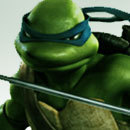
The visual redesign was the most obvious change. Leonardo, Raphael, Donatello, and Michelangelo were made larger, heavier, and more physically intimidating. Each Turtle had a distinct silhouette and accessories: Donatello wore tech gear, Michelangelo leaned into skater energy, Raphael looked like he could win an underground arm-wrestling league, and Leonardo carried the noble warrior vibe.
The goal was to make them believable in a modern live-action environment. The challenge was that “realistic teenage mutant turtle” is a phrase that fights itself in the parking lot. The more realistic the characters became, the more some viewers felt they lost the charming simplicity of earlier versions. Their faces, in particular, sparked debate. The expressive CGI allowed for emotion and performance, but the humanoid details pushed some fans into uncanny-valley territory.
The Tone Mixed Grit, Comedy, and Superhero Spectacle
The 2014 reboot tried to balance several versions of TMNT at once. It wanted the urban grit of the original comics, the family-friendly comedy of the animated shows, the superhero scale of modern blockbusters, and the action-movie energy associated with Bay’s productions. That is a lot to stuff into one shell.
At its best, the movie delivers kinetic entertainment. The snowy mountain chase is often singled out as one of the film’s most memorable action sequences, combining speed, slapstick, and destruction in a way that actually feels suited to the Turtles. At its weakest, the movie becomes overstuffed, rushing through character beats while leaning on noise and momentum to keep things moving.
The Plot of Teenage Mutant Ninja Turtles 2014, Explained
The 2014 film follows April O’Neil as she investigates the Foot Clan, a criminal organization terrorizing New York City. During her reporting, she discovers that mysterious vigilantes are fighting back. Those vigilantes turn out to be the Turtles: Leonardo, Raphael, Donatello, and Michelangelo.
April gradually realizes she has a connection to them. As a child, she rescued the young turtles and Splinter from a lab fire linked to her late father’s research. The mutagen involved in those experiments transformed them into intelligent, human-sized creatures. Splinter then raised the Turtles in the sewers and trained them in ninjutsu using knowledge gathered from books. It is a very comic-book explanation, which is fair, because this is a story about weaponized pizza-loving reptiles.
The villain plot involves Shredder, the Foot Clan, and Eric Sacks, who plans to release a toxin over New York and profit from the cure. The Turtles must stop the plan, battle Shredder, and step into their role as protectors of the city. The story is straightforward superhero origin material: hidden heroes, public danger, personal discovery, rooftop climax, and enough falling debris to keep several insurance adjusters employed for life.
Why Fans Were Divided
The Michael Bay-produced Ninja Turtles reboot divided fans because it understood some surface elements of TMNT but struggled with the deeper rhythm that makes the franchise special. It had pizza jokes, brotherly banter, martial arts, Shredder, April, Splinter, and New York City. On paper, the ingredients were there. But the recipe came out different, like ordering a classic New York slice and receiving a protein shake with pepperoni in it.
For some viewers, the reboot was fun, fast, and visually impressive. Younger audiences could enjoy the action without worrying about whether Raphael’s facial structure respected 1984 comic tradition. The movie also gave each Turtle a recognizable personality: Leonardo was disciplined, Raphael was angry, Donatello was brainy, and Michelangelo was the lovable goofball.
For longtime fans, however, the film felt too engineered. The Turtles were physically huge but emotionally underdeveloped. The plot leaned heavily on familiar blockbuster formulas. The humor sometimes felt forced. And the darker, bulkier designs clashed with the playful energy many people associate with the characters. TMNT works best when the brothers feel like teenagers first and action figures second. The 2014 reboot sometimes reversed that order.
Box Office Success vs. Critical Response
Commercially, the 2014 Teenage Mutant Ninja Turtles reboot performed well. It opened strongly in North America and earned a large worldwide total, especially for a franchise that had not had a major live-action theatrical presence in years. From a studio perspective, that made the movie a success. Money talks, and in Hollywood it often talks while wearing sunglasses and ordering a sequel.
Critically, the response was much rougher. Reviewers frequently criticized the film’s thin storytelling, awkward tone, and overreliance on blockbuster spectacle. Many acknowledged that it had moments of energy, but few considered it a strong reinvention of the franchise. The gap between audience curiosity and critical disappointment became a defining feature of the reboot’s reputation.
This split matters because it explains why the 2016 sequel happened. The first movie made enough money to justify continuing, but the creative team also knew fans wanted something closer to classic TMNT. The sequel would try to answer that request with more familiar characters, more cartoon influence, and a lighter tone.
Out of the Shadows: The Sequel That Tried to Fix Things
Teenage Mutant Ninja Turtles: Out of the Shadows arrived in 2016 with Dave Green directing. It brought back Megan Fox, Will Arnett, and the CGI Turtles, while adding major fan-service elements: Bebop, Rocksteady, Krang, Baxter Stockman, and Casey Jones. In other words, the sequel opened the toy chest and dumped it directly onto the screen.
In many ways, Out of the Shadows was more faithful to the animated spirit of TMNT than the 2014 film. Bebop and Rocksteady were goofy mutant henchmen, Krang brought interdimensional weirdness, and Casey Jones gave the story a street-level vigilante flavor. The movie seemed to understand that Ninja Turtles should be ridiculous. Not secretly ridiculous. Proudly ridiculous. A man with a hockey mask fighting a rhino-man and a warthog-man is not where cinema goes to whisper.
Yet the sequel underperformed compared with the first film. It earned far less worldwide, despite being seen by some fans as an improvement. Why? The first reboot may have benefited from curiosity, nostalgia, and the excitement of seeing the Turtles return in a big-budget live-action format. By the time the sequel arrived, some casual viewers had moved on, and some disappointed fans were not eager to return. The result was a movie that corrected several creative issues but could not fully repair the brand’s live-action momentum.
What the Reboot Got Right
The Michael Bay-produced TMNT movies were not without strengths. First, they treated the Turtles as major blockbuster characters. The scale was huge, the action was expensive, and the franchise was presented as something that could compete in the modern superhero marketplace. For a property that began as a black-and-white indie comic parody, that is a wild journey.
Second, the motion-capture performances gave the brothers physical individuality. The Turtles did not move like identical digital models. Raphael carried anger in his posture, Michelangelo bounced with restless energy, Donatello looked overloaded with gadgets and nervous intelligence, and Leonardo moved like the team’s responsible older sibling. Those choices helped distinguish the characters for newer viewers.
Third, the sequel embraced TMNT’s stranger mythology. Bringing in Krang, Bebop, Rocksteady, and Baxter Stockman made Out of the Shadows feel more like a Saturday morning cartoon with a blockbuster budget. That may not be everyone’s preferred TMNT flavor, but it is absolutely a legitimate flavor. Sometimes this franchise should taste like neon cereal.
What the Reboot Got Wrong
The biggest issue was emotional balance. TMNT is not only about action. It is about family. The Turtles are brothers first, ninjas second, mutants third, and professional pizza commentators fourth. When the story focuses too much on villains, exposition, and citywide catastrophe, the brotherhood can get buried under rubble.
The 2014 film also struggled with character focus. April’s investigation was important, but the Turtles needed more room to carry the story themselves. The best TMNT scenes often come from the brothers arguing, joking, failing, and regrouping. They are teenagers, after all. If they save the world without at least one dumb argument, are they even doing it right?
Another problem was design philosophy. The reboot’s “realistic” approach made the Turtles physically impressive but less instantly lovable. Earlier versions often worked because the designs were simple, expressive, and readable. The 2014 versions were complex and textured, but complexity did not always equal charm. Sometimes a Turtle just needs a colored mask, a weapon, and the confidence to yell “Cowabunga” like it is a valid life plan.
Why the Franchise Pivoted After the Bay Era
After Out of the Shadows underperformed, the live-action Bay-produced version of TMNT lost momentum. The franchise did not disappear, of course. Ninja Turtles never really vanish; they just retreat to the sewer, train, and wait for a better release date.
Later projects leaned more strongly into animation, especially with Teenage Mutant Ninja Turtles: Mutant Mayhem. That animated reboot emphasized teenage energy, sketchy visual style, comedy, emotional sincerity, and a younger voice cast. It felt like a response to what the Bay-era films had struggled with: making the Turtles feel like actual kids rather than giant action assets.
The lesson was not that TMNT cannot work in live action. The 1990 film remains beloved precisely because it balanced practical effects, humor, grit, and heart. The lesson was that TMNT needs a strong emotional center. Whether animated, practical, or CGI, the Turtles must feel like brothers. Without that, the franchise becomes noise in a bandana.
The Legacy of the Michael Bay Ninja Turtles Reboot
The Michael Bay-produced reboot occupies a strange place in TMNT history. It was financially successful at first, widely debated, visually ambitious, and critically battered. It introduced the Turtles to some younger viewers and gave the franchise a massive blockbuster makeover. But it also became a cautionary tale about modernization.
Modernizing a beloved property is tricky. Change too little, and people ask why the reboot exists. Change too much, and fans start guarding the canon like Splinter guarding the last slice. The 2014 Teenage Mutant Ninja Turtles tried to update the brand for the superhero era, but it sometimes mistook size for significance. Bigger Turtles did not automatically mean better Turtles.
Still, the reboot deserves a fair explanation. It was not a lazy cash grab with no ideas. It had a clear strategy: make TMNT look like a contemporary action franchise. The problem was that TMNT has always been more than action. It is absurd, sincere, funny, scrappy, and weirdly wholesome. The Bay era captured some of the spectacle but only flashes of the soul.
Experience Section: Rewatching the Bay-Era Ninja Turtles Today
Watching the Michael Bay-produced Ninja Turtles reboot today is a surprisingly interesting experience, especially if you revisit it after seeing newer animated versions. The first thing that jumps out is how aggressively the 2014 film wants to be taken seriously as a blockbuster. The camera glides through New York with importance. The villains speak in big ominous sentences. The Turtles are introduced like urban legends. Everything seems to say, “Please respect these reptiles; they have a visual-effects budget.”
That seriousness can be fun in small doses. The first reveal of the Turtles has a certain comic-book thrill, and the action scenes are constructed for maximum impact. The snowy mountain sequence, in particular, still plays like the movie briefly figures out exactly what it should be: chaotic, funny, physical, and impossible to mistake for any other franchise. You cannot simply drop Batman, Spider-Man, or Captain America into that scene and get the same result. It is pure Turtle nonsense, and that is a compliment.
But the rewatch also makes the flaws clearer. The film often seems more comfortable with April’s investigation than with the brothers’ emotional lives. You get the sense that a stronger version of the movie would have spent more time in the lair, letting the Turtles argue about leadership, fear, identity, and whether pizza counts as a balanced diet if it has vegetables on it. The moments of brotherly comedy are there, but they feel like seasoning rather than the main dish.
The designs also remain a personal hurdle for many viewers. They are technically impressive, but technical achievement and affection are not the same thing. The Turtles look powerful, but not always approachable. Michelangelo should probably feel like the friend who talks you into bad ideas at an arcade. In the 2014 film, he sometimes looks like he could accidentally dent a refrigerator by leaning on it.
Rewatching Out of the Shadows is a different experience. It feels looser, brighter, and more willing to admit that TMNT is wonderfully ridiculous. Bebop and Rocksteady add goofy villain energy, Krang pushes the story into full sci-fi madness, and Casey Jones gives the human side more comic-book flavor. The sequel is not perfect, but it feels less embarrassed by the franchise’s toy-box imagination.
The most valuable takeaway from revisiting this era is that the Bay-produced reboot was not a total failure of concept. It was a mismatch of emphasis. The filmmakers prioritized scale, realism, and action intensity, while the franchise tends to thrive on personality, brotherhood, and joyful weirdness. The Turtles can survive many interpretations, but they need that core feeling: four misfit brothers, raised by an equally misfit father, trying to protect a city that may never fully understand them.
In that sense, the Michael Bay reboot is worth discussing because it helped clarify what audiences actually want from TMNT. Yes, fans enjoy action. Yes, they like Shredder, gadgets, vehicles, mutants, and rooftop battles. But what they love is the family under the shell. The Bay era gave us giant Turtles. Later versions remembered to make them kids again.
Conclusion: A Loud, Messy, Important Chapter in TMNT History
The Michael Bay reboot of Ninja Turtles is best understood as a blockbuster experiment. It tried to turn the Teenage Mutant Ninja Turtles into large-scale modern action heroes, complete with motion-capture CGI, massive set pieces, and a more intense visual style. The 2014 movie succeeded commercially but struggled critically, while the 2016 sequel moved closer to classic TMNT lore but could not maintain the same box office power.
For fans, the Bay era remains divisive. Some enjoy its energy, spectacle, and bold redesigns. Others see it as proof that bigger is not always better, especially when the heart of the franchise is four teenage brothers learning how to be heroes together. Either way, this reboot matters. It shaped the conversation around what TMNT should be in the 21st century and helped pave the way for later interpretations that leaned harder into youth, humor, and emotional authenticity.
In the end, the Michael Bay-produced Teenage Mutant Ninja Turtles movies are like a loaded pizza with too many toppings: messy, excessive, occasionally delicious, and guaranteed to start an argument. Cowabunga, apparently, is complicated.