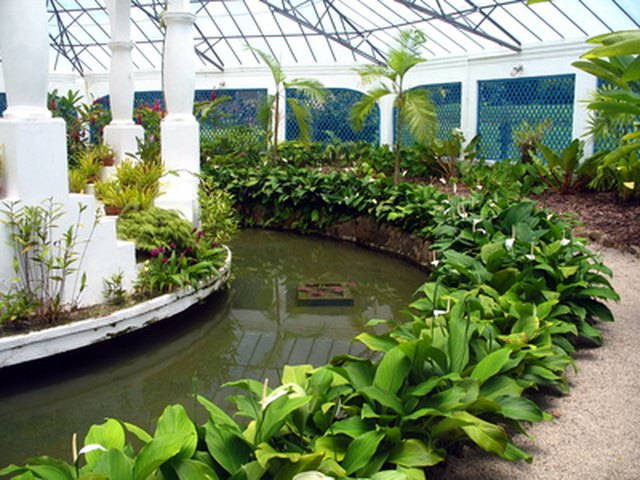
Flowers have always been overachievers. They attract pollinators, decorate weddings, soften apologies, honor the dead, launch romantic relationships, and occasionally rescue forgetful people on Valentine’s Day. Yet behind every carefully wrapped bouquet is a long history of cultivation, trade, science, design, and human fascination.
The history of floriculture is not simply the story of people growing pretty plants. It is the story of how flowers moved from sacred gardens and royal estates into commercial greenhouses, seed catalogs, neighborhood florist shops, supermarkets, and global transportation networks. Along the way, plant explorers crossed oceans, breeders created new colors and forms, engineers redesigned greenhouses, and marketers convinced generations that important emotions should arrive with petals attached.
Today, floriculture includes the commercial production and marketing of cut flowers, flowering plants, foliage plants, bedding plants, bulbs, florist greens, and propagation materials. Its roots, however, reach back thousands of years.
What Is Floriculture?
Floriculture is a specialized branch of horticulture focused on cultivating ornamental plants for gardens, interior decoration, floral design, landscaping, and commercial sale. It covers much more than roses in a glass vase. A modern floriculture business may produce chrysanthemums for bouquets, poinsettias for holiday displays, young plants for other growers, annuals for garden centers, foliage plants for offices, or specialty flowers for weddings.
Floriculture differs slightly from general ornamental horticulture. Ornamental horticulture can include trees, shrubs, turfgrass, and landscape plants, while floriculture concentrates primarily on flowering and decorative crops. The boundaries often overlap, particularly in nurseries and greenhouse businesses.
Ancient Civilizations and the First Cultivated Flowers
Flowers in Ancient Egypt
Long before anyone printed a flower catalog or calculated greenhouse heating costs, ancient societies cultivated plants for religious, medicinal, decorative, and ceremonial purposes. In ancient Egypt, gardens were associated with temples, palaces, wealthy households, and tombs. They often combined fruit trees, grapevines, aromatic plants, pools, and ornamental flowers.
The blue and white water lilies commonly called lotuses held especially powerful symbolism. Because the flowers closed at night and reopened in the morning, Egyptians associated them with creation, sunlight, renewal, and rebirth. Lotus images appeared in offerings, jewelry, architecture, and funerary objects. Flowers were not merely attractive accessories; they communicated ideas about life, death, and the universe.
Flowers in Greece and Rome
Ancient Greeks cultivated roses, violets, lilies, crocuses, and herbs in household and temple gardens. Wreaths and garlands were used during religious festivals, athletic celebrations, banquets, funerals, and public ceremonies. Flowers could identify honor, victory, affection, or mourning depending on the occasion.
The Romans expanded ornamental gardening on a grand scale. Wealthy Roman villas featured courtyards, fountains, clipped shrubs, shaded walkways, painted garden scenes, and seasonal flowers. Roses became particularly important for celebrations and luxury. Roman growers reportedly manipulated planting times and protected plants to extend availability, an early sign of the human determination to make flowers bloom whenever the calendar demanded them.
Asian and Middle Eastern Traditions
Floriculture also developed through long gardening traditions in China, Japan, India, Persia, and other parts of Asia. Chinese growers cultivated chrysanthemums, peonies, orchids, lotus flowers, and flowering trees, selecting plants for unusual colors, shapes, fragrances, and growth habits. The chrysanthemum became deeply connected with art, poetry, seasonal festivals, and ideas about endurance.
Japanese gardening and floral-arrangement traditions emphasized line, balance, seasonality, space, and the individual character of plant materials. These principles eventually influenced floral design far beyond Japan.
Persian and later Islamic gardens frequently combined fragrant flowers, shade trees, geometric layouts, flowing water, and enclosed spaces. Roses, jasmine, lilies, and fruit blossoms created environments intended to engage sight, scent, sound, and touch. The garden was not treated as outdoor furniture with leaves. It was an artistic and symbolic composition.
Medieval Gardens and the Preservation of Plant Knowledge
During the Middle Ages, European monasteries played an important role in preserving and expanding practical knowledge about plants. Monastic gardens commonly contained medicinal herbs, vegetables, fruit trees, and flowers used for religious decoration or household purposes.
Castles and wealthy estates also maintained enclosed gardens where roses, lilies, violets, irises, and other ornamentals were grown. Many flowers carried religious meanings. The white lily, for example, became strongly associated with purity, while roses appeared repeatedly in Christian art and symbolism.
Although medieval flower production was not a commercial floriculture industry in the modern sense, growers refined propagation, soil preparation, pruning, seed saving, and seasonal management. Those practical skills provided part of the foundation for later nursery and greenhouse businesses.
The Renaissance and the Rise of Botanical Curiosity
The Renaissance transformed European relationships with plants. Exploration, trade, scientific observation, and wealthy patronage brought unfamiliar species into gardens. Botanical gardens were created to study, classify, display, and preserve living collections. Plants increasingly became subjects of scientific investigation as well as symbols of status.
Collectors competed to obtain unusual bulbs, flowering shrubs, and exotic species. Botanical illustrations became more accurate, helping growers identify and exchange plants. Printing made gardening manuals and plant catalogs available to wider audiences.
This period also strengthened the connection between ornamental gardening and commerce. Rare flowers could command impressive prices, which naturally attracted merchants, breeders, collectors, and at least a few people who probably should not have been trusted with the family savings.
Dutch Greenhouses and Commercial Flower Production
The Netherlands became one of the most important centers in the history of floriculture. During the seventeenth and eighteenth centuries, Dutch growers developed more organized systems for producing cut flowers and bulbs for sale. Greenhouses and protected structures allowed them to manipulate growing conditions and bring flowers into bloom outside their normal seasons.
Lilac shrubs, for example, could be lifted from fields after receiving sufficient winter cold and then moved into greenhouses for forcing. The warmer environment encouraged early flowering, giving growers valuable blooms during periods when outdoor gardens were still mostly mud, bare branches, and optimism.
Dutch expertise in bulbs, plant breeding, greenhouse production, auctions, storage, and international distribution eventually helped establish the Netherlands as a central hub of the global flower trade. Roses, carnations, and chrysanthemums had already been cultivated for centuries, but protected production made commercial timing more predictable.
Glasshouses Change the Growing Calendar
Early greenhouses were expensive structures reserved primarily for wealthy estates and botanical institutions. Their development depended on improvements in glass manufacturing, heating, ventilation, and building design. As glass became more accessible, commercial growers could create larger structures for producing flowers throughout much of the year.
Nineteenth-century greenhouses were often heated with coal-fired boilers connected to pipes running beneath benches. Growers manually opened vents, managed shades, monitored temperatures, and watered crops. The work required constant attention. A freezing night, broken boiler, or poorly timed nap could destroy months of production.
Greenhouses changed consumer expectations. Flowers that had once been available only during a short natural season could now appear during winter celebrations. This ability to control flowering became one of floriculture’s defining commercial advantages.
Plant Exploration and the Wardian Case
Global plant exchange accelerated during the nineteenth century. Explorers, diplomats, missionaries, merchants, scientists, and nursery representatives collected seeds and living plants from around the world. Transporting those plants was extremely difficult because salt spray, temperature changes, darkness, and irregular watering killed many specimens during long sea voyages.
The Wardian case, a sealed or partially sealed glass container resembling a portable greenhouse, improved survival rates. Moisture circulated inside the case, allowing living plants to travel for extended periods with less watering. It helped move ornamental species between continents and expanded the plant selections available to botanical gardens and nurseries.
The invention also had an ecological downside. Living plants could carry insects, pathogens, and other unwanted organisms. By the early twentieth century, agricultural authorities were increasingly concerned about plant quarantines and the biological risks of unrestricted introductions. Floriculture’s global expansion brought beauty, but occasionally beauty arrived with bugs in its luggage.
The Growth of American Floriculture
Early American Nurseries
Commercial flower production followed European settlement in North America. Greenhouses were reported in the United States by the mid-to-late eighteenth century. Because transportation was slow and refrigeration did not exist, growers operated close to towns and cities. Flowers had to reach customers quickly, so local production was not a fashionable marketing slogan; it was basic survival.
American nurseries expanded during the eighteenth and nineteenth centuries, selling fruit trees, ornamental plants, bulbs, greenhouse specimens, vegetable seeds, and flower seeds. The Prince family’s Linnaean Botanic Garden and Nursery in New York became an influential early enterprise. Its increasingly specialized catalogs featured bulbous flowers, chrysanthemums, greenhouse plants, ornamental trees, and seeds. William Prince Jr. published an extensive American horticultural treatise in 1828 that discussed planting, propagation, pruning, soil, and disease management.
Peter Henderson and Practical Floriculture
Peter Henderson became one of the most influential figures in nineteenth-century American commercial horticulture. Born in Scotland, he came to the United States in the 1840s and built a successful gardening, floriculture, and seed enterprise near New York City.
His 1868 book Practical Floriculture helped explain commercial flower production to American growers. By 1890, Henderson reportedly operated approximately five acres under glass. His company also used colorful catalog illustrations and practical educational writing to reach customers throughout the country.
Henderson understood an important business principle that remains true today: people are more likely to purchase a plant when they can imagine it blooming beautifully instead of sitting in a shipping box looking like three roots and a legal dispute.
Seed Catalogs Bring Flowers to the Public
Mail-order seed catalogs transformed American gardening. Improvements in printing produced colorful illustrations that made new flower varieties irresistible to household gardeners. Railroads and postal networks allowed seeds and bulbs to be sold far from the nursery that produced them.
Women played important roles in this expanding market. Carrie H. Lippincott established a successful flower-seed company in Minneapolis in the 1880s and marketed directly to women through colorful, sentimental catalog imagery. Her success demonstrated that commercial floriculture was not shaped only by male nurserymen and greenhouse owners. Women were customers, gardeners, designers, seed entrepreneurs, marketers, and agricultural innovators.
Victorian Flower Culture and Public Displays
The nineteenth century brought an enormous appetite for ornamental plants. Victorian homes displayed ferns, palms, flowering plants, and elaborate arrangements. Conservatories became architectural symbols of wealth, scientific interest, and technological progress.
Public parks also embraced dramatic floral displays. Municipal greenhouses produced thousands of plants for carpet beds, geometric patterns, floral clocks, civic emblems, and seasonal exhibitions. Plant explorers supplied begonias, cannas, caladiums, coleus, pelargoniums, succulents, palms, and other species that breeders transformed into compact, colorful garden varieties.
These displays helped make floriculture visible to ordinary city residents. Flowers were no longer limited to private estates. They became part of civic design, public recreation, and urban identity. Some displays were sophisticated works of living art. Others spelled out town names in begonias. Every generation expresses itself differently.
Florists, Holidays, and the Business of Emotion
As cities expanded, retail florist shops became increasingly important. Florists combined horticultural knowledge with design, merchandising, delivery, and customer service. They supplied flowers for weddings, funerals, religious ceremonies, hotels, theaters, restaurants, and private homes.
National holidays created concentrated periods of demand. Mother’s Day became particularly important to the American floral trade. The holiday’s early association with white carnations helped connect flowers with public expressions of affection and remembrance.
In 1910, a flower wire service organized by the group that became Florists’ Telegraph Delivery allowed participating florists to transmit orders across long distances. A customer could place an order in one city while a florist near the recipient prepared and delivered the arrangement. In 1918, the memorable slogan “Say It With Flowers” helped turn floral products into a widely recognized language of emotion.
Refrigeration, Trucks, and Air Transportation
For much of floriculture history, flowers had to be grown near their buyers. Refrigerated trucks and faster transportation changed that economic rule. Growers could ship perishable flowers over longer distances while maintaining acceptable quality.
Production increasingly moved to regions with favorable climates. Roses and carnations became important in Colorado and coastal California, while Florida and California produced chrysanthemums, gladiolus, and other crops. California eventually became the dominant American cut-flower region.
Air freight expanded the geography even further. Commercial carnation production developed around Bogotá, Colombia, during the 1960s. The region’s elevation, moderate temperatures, strong sunlight, and lower production costs supported year-round cultivation. Roses and chrysanthemums followed, and Ecuador also became a major exporter.
Imported flowers placed intense pressure on American growers of conventional roses, carnations, and chrysanthemums. Many domestic greenhouse businesses closed or shifted toward bedding plants, potted crops, and specialty flowers that were difficult to ship long distances.
Floriculture Becomes a Global Industry
Modern flowers may pass through several countries before reaching a vase. Breeding can occur in one nation, young plants may be propagated in another, commercial stems may be grown in a third, and bouquets may be assembled near the final market.
Cold-chain management is essential. Flowers are harvested at carefully selected stages, rapidly cooled, graded, packed, transported, and stored at controlled temperatures. Small failures can shorten vase life, cause bent stems, encourage disease, or turn a premium bouquet into expensive compost.
Quality standards help buyers and sellers describe product condition consistently. In the United States, voluntary grade standards provide common terminology for evaluating flowers and plants in commercial markets.
USDA data illustrate the size and complexity of the contemporary market. Domestic cut flowers and florist greens were valued at nearly $763 million in 2022, while imports were valued at approximately $1.9 billion. About 10,800 commercial American farms grew flowers or greens for florists that year, with operations reported in every state.
Technology Reshapes Modern Floriculture
Modern greenhouse operators can control temperature, humidity, irrigation, nutrition, carbon dioxide, day length, and light intensity. Sensors send real-time information to climate-control systems. Automated equipment opens vents, closes energy curtains, mixes fertilizer, moves benches, and waters crops.
LED lighting allows growers to influence plant development while using less electricity than many older lighting systems. Tissue culture can multiply disease-free plants rapidly. Computerized scheduling helps producers deliver flowering crops during narrow retail windows such as Easter, Mother’s Day, and Christmas.
Plant breeding has also become more precise. Breeders select for color, fragrance, compact growth, heat tolerance, disease resistance, shipping durability, longer vase life, and reduced sensitivity to ethylene. Modern consumers can choose from varieties that earlier growers could scarcely have imagined, including nearly black petunias, green chrysanthemums, striped roses, and poinsettias that have apparently raided the entire paint aisle.
The Revival of Local and Specialty Flowers
Global imports continue to dominate important parts of the American cut-flower market, but local flower farming has experienced renewed interest. Small growers often concentrate on fragrant, delicate, seasonal, or unusual flowers that do not travel well in boxes.
Farmers markets, subscriptions, community-supported agriculture programs, event florists, and direct online sales allow growers to build relationships with nearby customers. High tunnels extend the growing season and protect valuable crops from frost, wind, and rain without requiring a fully heated greenhouse.
This movement is not a return to the past so much as a modern adaptation of floriculture’s oldest business model: grow distinctive flowers close to the people who will use them. University research indicates that local specialty producers can fill profitable niches by offering varieties that lose quality during long-distance transportation.
Sustainability and the Future of Floriculture
The future of floriculture will be shaped by environmental limits as much as consumer taste. Greenhouses may require significant energy, while irrigation, fertilizer, plastic packaging, pesticides, refrigeration, and air freight can add to the industry’s environmental footprint.
Growers are responding with water-recycling systems, biological pest control, renewable energy, reusable containers, peat alternatives, efficient lighting, reduced packaging, and improved shipping methods. Breeders are developing plants that require less water, tolerate heat, resist disease, and perform well with fewer chemical treatments.
Climate change will create additional challenges. Shifting temperatures may affect flowering schedules, pest populations, water availability, and the regions suitable for particular crops. At the same time, controlled-environment agriculture, data analysis, and improved genetics will give growers more tools for adapting.
The broader American horticultural sector remains economically significant. USDA’s 2024 Census of Horticultural Specialties reported $18.3 billion in sales across floriculture, nursery, and specialty horticultural crops. That figure includes more than flowers alone, but it shows how ornamental plants have grown from elite garden treasures into a major agricultural marketplace.
Experiencing the History of Floriculture in the Real World
Reading about the history of floriculture becomes much more meaningful after stepping into a working greenhouse. The first impression is usually sensory: warm air, damp growing media, humming fans, irrigation lines, fertilizer tanks, and thousands of plants arranged in disciplined rows. What appears effortless in a flower shop is revealed as carefully managed agriculture.
A greenhouse visit also makes historical technology easier to appreciate. Modern growers can check temperatures from a phone, but nineteenth-century operators relied on thermometers, boilers, hand-operated vents, and personal judgment. Standing inside a climate-controlled structure during freezing weather makes it clear why affordable glass, reliable heating, and automated ventilation were revolutionary. They did not merely improve production; they changed when society expected flowers to be available.
A visit to a local flower farm offers a different experience. Field-grown flowers bend with the wind, attract insects, collect rainwater, and mature at slightly different rates. Harvesting a straight, unblemished stem requires more skill than it appears. Growers must judge maturity, cut during the proper part of the day, remove excess foliage, cool the stems quickly, and protect them during transport.
This hands-on perspective explains why local producers often focus on specialty crops. A freshly harvested sweet pea, garden rose, dahlia, or delicate cosmos can have fragrance and movement that are difficult to preserve during international shipping. The flower may not fit perfectly into a standardized box, but that imperfection can become its greatest selling point.
Historic seed catalogs provide another way to experience floriculture’s development. Their illustrations reveal how breeders and marketers shaped consumer desire. Catalogs did more than list products. They presented visions of colorful homes, productive gardens, respectable families, and almost suspiciously weed-free flower beds. Comparing old catalogs with modern online stores shows that the technology has changed more than the sales strategy. Gardeners still purchase hope in small packets.
Wholesale flower markets reveal the global side of the industry. Buckets and boxes may contain roses from South America, tulips from the Netherlands, orchids from Asia, foliage from Florida, and seasonal stems from nearby farms. Labels, stem lengths, bunch counts, maturity stages, and temperature all influence price. The market functions like a perishable international exchange where beauty has a deadline.
Trying floral design adds another historical layer. Different flowers behave differently in the hand. Tulips continue to grow and bend after cutting. Hydrangeas lose water rapidly. Daffodils release sap that can affect neighboring stems. Woody branches require different conditioning from soft annuals. Floral design therefore depends on plant physiology as much as visual taste.
Public gardens and botanical institutions can connect these experiences to plant exploration and breeding. A familiar landscape plant may descend from seeds collected thousands of miles away or from decades of selection at a nursery. Since its founding in 1872, Harvard’s Arnold Arboretum, for example, has introduced ornamental plants gathered or developed through exploration, research, and collaboration.
The most valuable lesson from these experiences is that floriculture combines art, biology, engineering, logistics, and commerce. A bouquet is temporary, but the knowledge behind it is cumulative. Each stem reflects generations of growers learning how to propagate plants, control flowering, prevent disease, preserve freshness, transport delicate products, and persuade customers that one more vase is absolutely necessary.
Conclusion
The history of floriculture stretches from sacred lotus flowers and enclosed monastery gardens to Victorian conservatories, illustrated seed catalogs, refrigerated trucks, computerized greenhouses, and international flower auctions. Every era added something: symbolism, scientific classification, breeding, protected cultivation, mass distribution, floral design, or new ways of selling emotion.
Modern floriculture may appear polished and highly automated, but its central purpose remains remarkably old. People cultivate flowers because flowers help transform spaces, mark seasons, express feelings, and make ordinary life more memorable. Technologies and markets will continue to change, yet humans are unlikely to lose interest in blooms. We have had several thousand years to get bored with them, and so far the flowers are winning.