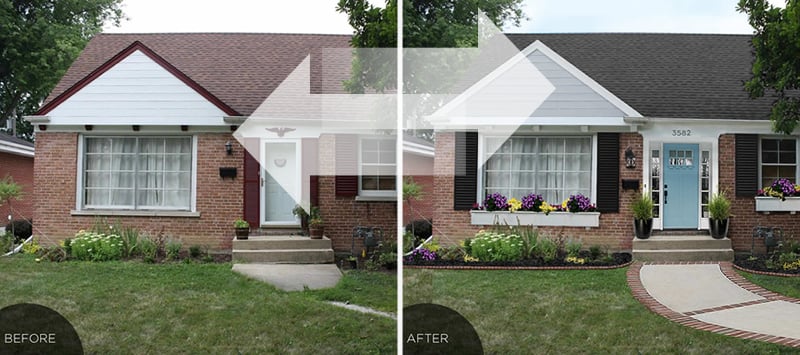
An English-style garden is basically what happens when a spreadsheet and a poem decide to co-parent a backyard.
It’s structure and softness. Rules and rebels. A place where clipped hedges politely escort you to a
border of plants that look like they threw a party and forgot to clean upyet somehow it’s all gorgeous.
If you’ve ever looked at a photo of a lush border spilling over a gravel path and thought, “How is that not chaos?”
you’re already thinking like an English gardener. The secret is simple: the “wild” part is carefully choreographed,
and the “orderly” part is what makes the romance believable.
What Makes a Garden Feel “English” (Even If You’re Nowhere Near England)
In the U.S., people often use “English garden” as shorthand for a few overlapping looks:
the formal English garden (symmetry, hedges, lawns, and focal points), the
English country garden (big mixed borders, roses, and layers), and the
cottage garden (a cheerful tumble of flowers with a wink of practicality).
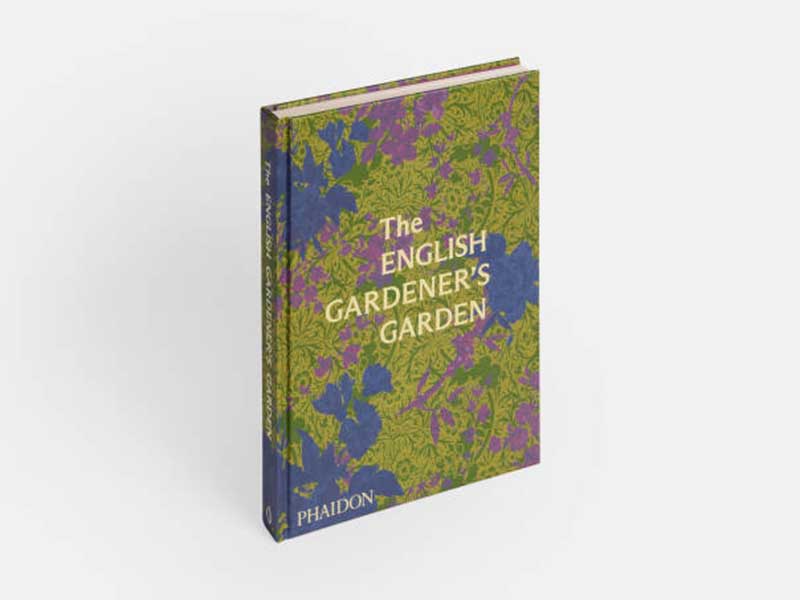
The English Gardener’s Gardenour version hereis the blend: tidy bones, generous planting, and a sense that
you could wander with purpose or drift without one. Think of it as “organized daydreaming.”
Start With the Bones: Structure Is the Unsung Hero
The fastest way to make an English-style garden look convincing is to build a simple framework that stays attractive
even when nothing is blooming. Flowers get the applause; structure does the actual work.
Garden Rooms: Make the Yard Feel Like a Story With Chapters
One classic English trick is dividing the space into “rooms”separate areas with their own mood. You can do this with
hedges, fences, trellis panels, archways, or even tall plantings that create gentle walls.
The point isn’t to block everything; it’s to reveal the garden in scenes.
- The Welcome Room: a small front border or entry bed with evergreen shape and a seasonal pop.
- The Stroll Room: a path with planting that brushes the edges (yes, you’re allowed to feel fancy).
- The Pause Room: a bench, a small patio, or a bistro tablesomewhere to sit and pretend you’re “just checking the roses.”
- The Secret-ish Room: a tucked-away corner with a focal point (urn, birdbath, small fountain, sculpture).
Symmetry… But Not the Scary Kind
Formal English gardens can be famously symmetrical, but you don’t need a manor house (or a staff named Nigel) to use
the idea. In a typical U.S. yard, symmetry works best as a light touch: matching planters at a gate, two clipped shrubs
flanking steps, or a straight path that calms the eye while borders go delightfully free-form.
Hedges, Edges, and “Green Geometry”
English-style gardens love evergreen structure: boxwood-like shapes, yew-ish silhouettes, clipped mounds, and strong edging.
If boxwood isn’t a great fit in your region (disease pressure, heat stress, or just personal beef with boxwood), you can
get the same effect with alternatives like inkberry holly, dwarf yaupon holly (in warmer zones), or other dense evergreens
that tolerate pruning.
The Heart of It: Borders That Look Effortless (Because You Worked for It)
The signature feature of the English Gardener’s Garden is the border: layered plants in a long bed, usually backed by
something stable (a hedge, fence, wall, or shrubs). The magic is in the mixdifferent heights, textures, and bloom times
that create a rolling “progression” from spring to frost.
The Herbaceous Border Cheat Sheet
A classic border is built in layers. You’re aiming for a pleasing “stack” that looks full without becoming a thicket.
Use this as a practical blueprint:
- Backbone layer: shrubs, small trees, or tall perennials (think roses, hydrangeas, delphiniums, foxgloves).
- Middle layer: the main cast (peonies, salvia, catmint, phlox, coneflowers, daisies, nepeta, alliums).
- Front edge layer: low plants that soften borders and spill slightly (lady’s mantle, creeping thyme, hardy geraniums, lamb’s ear, dianthus).
- Thread-it-through layer: grasses and airy plants for movement (ornamental grasses, gaura in warm zones, airy asters, verbena where hardy).
Two design habits make borders feel more “English” and less “random garden center clearance rack”:
plant in groups (clumps of 3, 5, or 7) and repeat those groups down the bed to create rhythm.
That repetition is what makes a busy border read as intentional.
Cottage-Garden Abundance Without the Headache
Cottage gardens look spontaneous, but good ones have a plan: color harmony, height control, and a few “anchors” that keep
the whole thing from turning into an emotional support jungle.
- Choose a color storyline: pastels and silvers, hot jewel tones, white-and-green, or pink-purple-blue.
- Use anchors: a clipped evergreen, a rose, a hydrangea, or a vertical obelisk gives the eye a place to rest.
- Let some plants lean: a little flop over a path is part of the charmjust leave enough space to walk without becoming pollen-covered confetti.
Signature English-Style Plants (With U.S.-Friendly Swaps)
You don’t need the exact plants from an English postcard. You need the roles: structure, romance, fragrance,
airy filler, and long-season interest. Here are reliable players and smart substitutions.
Roses: The Leading Characters
Roses are the iconic English-garden headline actespecially shrub roses with full, fragrant blooms. In many U.S. regions,
modern shrub roses can deliver that lush look with fewer tantrums than older, fussier types. Pair roses with companions
that hide bare “legs” and extend the season: catmint, salvia, lavender, hardy geraniums, and ornamental grasses.
Practical rose notes the English gardener would absolutely insist you follow (politely, but firmly):
give them sun, don’t cram them against a wall with no airflow, and feed the soil so the plant doesn’t have to live on
vibes alone.
Classic Cottage Flowers: Foxgloves, Delphiniums, and Friends
Tall spires (foxgloves, delphiniums, lupines in cooler regions) create that storybook vertical drama. If your summers are
hot and humid and these plants sulk, swap in heat-tolerant verticals like salvias, veronica, or even tough ornamental grasses
that still give you height and movement.
Lavender, Catmint, and the “Soft Edge” Crew
Lavender and catmint are English-garden staples because they do three things at once: color, fragrance, and a soft “haze”
that makes everything around them look more romantic. If lavender struggles in heavy humidity or wet winters, lean harder
on catmint, salvias, and drought-tolerant perennials suited to your zone.
Hydrangeas and Shrubs: Big Mood, Strong Structure
Shrubs are how you keep the garden attractive when perennials are asleep. Hydrangeas, clipped evergreens, and flowering shrubs
give you mass and continuity. In English-style design, shrubs are often the quiet backdrop that makes the border’s color
feel richer, not busier.
Paths, Arbors, and Water: The Details That Make It Feel Designed
The English Gardener’s Garden isn’t just a plant collection. It’s a place you move through. That means hardscape matters
even if your budget is “I have $47 and a coupon.”
Paths That Invite Wandering
Gravel paths are especially good for an English look: they’re practical, they crunch (very satisfying), and they pair well
with slightly overhanging plants. Brick, stone, and pavers can also workespecially if you keep edges crisp and let the planting
provide the softness.
Arbors, Trellises, and Vertical Drama
Vertical structures instantly give “English garden energy.” Add an arbor at an entry, a trellis panel to suggest a new “room,”
or an obelisk in a border for climbing roses or clematis. The structure looks good year-round; the climbers make it look like
you own an estate (even if your “estate” is a patio and a grill).
Water as Punctuation
A small fountain, birdbath, or even a simple bowl water feature can act as a focal point. You’re not trying to build a resort.
You’re creating a moment: a place where the eye lands, the noise of the world turns down, and you remember you have shoulders.
How to Adapt the English Gardener’s Garden to Real U.S. Conditions
English gardens were shaped by a mild, often-moist climate. Much of the U.S. is… not that. The good news: the style adapts
beautifully when you focus on structure and choose region-appropriate plants that play the same roles.
Soil and Mulch: The Boring Stuff That Makes the Pretty Stuff Possible
Big borders need healthy soil. Improve planting beds with organic matter (compost), keep mulch at a practical depth to conserve
moisture and reduce weeds, and plan irrigation early so you’re not dragging hoses like a garden sherpa every July.
If you do one “adult” gardening task this season, let it be improving soil. Your future self will feel personally loved.
Heat, Humidity, and Drought: Choose the Right Look-Alikes
- Hot/humid areas: use tougher shrubs for structure, pick disease-resistant roses, and favor salvias, catmint, coneflowers, and grasses.
- Dry areas: lean into gravel, drought-tolerant perennials, and deep mulching; create “rooms” with fencing and trellis instead of thirsty hedges.
- Cold-winter regions: use hardy shrubs and perennials, and plan for four-season interest with evergreens and seed heads.
Maintenance Rhythms: The English Garden Isn’t High-MaintenanceIt’s High-Attention
The look depends on small, regular tasks more than heroic weekend marathons. A simple rhythm keeps it thriving:
- Spring: cut back, amend beds, divide perennials if needed, refresh mulch.
- Early summer: stake tall plants early (before they flop dramatically), deadhead for repeat bloom, watch watering.
- Late summer: trim tired perennials, feed roses if appropriate, plant for fall interest (asters, ornamental grasses).
- Fall: tidy lightly, plant bulbs, leave some seed heads for winter beauty and wildlife value.
Small Yard? Small Budget? Still Very English.
An English Gardener’s Garden can be scaled down without losing the vibe. In fact, many of the most charming examples are small:
one great border, one arch, one bench, and a path that leads you somewhereeven if “somewhere” is just to your tomato pot.
Build One Border Like It’s the Star of the Show
Start with a single mixed border along a fence or walkway. Create a simple evergreen backbone, then layer perennials and
“fillers” in repeating groups. Use seasonal containers for extra color without replanting the world.
Budget Moves That Don’t Look Budget
- Ask neighbors for divisions of reliable perennials (gardeners love to sharesometimes aggressively).
- Use gravel paths and simple edging for instant structure.
- Buy fewer plants, but repeat them more for a designer look.
- Add one vertical element (trellis/obelisk) to create height and “rooms” in miniature.
Common Mistakes (And How to Dodge Them With Grace)
Mistake #1: All Flowers, No Framework
Without structurepaths, edges, shrubs, or focal pointsa garden can look messy instead of lush. Add evergreen shapes, define
the bed line, and give the eye a few places to rest.
Mistake #2: Planting Everything as a Single “One of Each”
English-style borders look rich because plants are grouped and repeated. If you buy one of everything, you get a “collector’s garden”
(which can be lovely) but not necessarily an English-garden rhythm. Choose a smaller palette and repeat it.
Mistake #3: Forgetting You Have to Reach the Plants
Big borders are wonderful until you can’t deadhead, weed, or prune without performing gymnastics. Make sure paths are practical,
beds are accessible, and tall plants aren’t blocking your ability to care for the middle layer.
Conclusion: The English Gardener’s Garden Is a Feeling You Can Build
At its best, the English Gardener’s Garden is equal parts craft and comfort. You shape a few strong lineshedges, paths, rooms,
and focal pointsthen let planting bring softness, fragrance, and surprise. You don’t copy a postcard. You borrow its logic:
structure first, abundance second, and the gentle confidence to let a rose arch over the path like it owns the place.
Experience Notes: What Living With “The English Gardener’s Garden” Really Feels Like (500+ Words)
The first experience most people have with an English-style garden is that it changes your definition of “done.”
In a typical yard, “done” means trimmed, uniform, and quiet. In the English Gardener’s Garden, “done” means
balancedlike a well-styled bookshelf where a few books are intentionally leaning because they’re having a moment.
You start noticing that the goal isn’t perfection; it’s presence. The garden looks alive, and you’re part of it.
In early spring, the garden feels like it’s waking up in layers. Shrubs and evergreens do the heavy lifting first,
proving why structure matters. Then bulbs appear like tiny stage lights, and suddenly you’re out there every day
“just checking” on things. This is a classic English gardener move: you’re not obsessed, you’re attentive.
A clipped mound looks crisp against messy new growth, and that contrastorder plus optimismsets the mood for the whole season.
By late spring into early summer, you experience the border as a sequence rather than a snapshot. Something is always about to happen.
You learn to love anticipation: buds swelling, a trellis filling in, catmint softening the edge before the roses peak.
This is also when you discover the slightly comedic side of abundance. A plant you placed “with plenty of room” now leans into the path
like it pays rent. The lesson is not to fight it, but to edit gentlymove a clump, tie a stem, trim here and there
and let the border keep its generous personality.
Mid-summer brings the most honest experiences: heat, humidity, and the reality that gardens are not static decor.
The English Gardener’s Garden teaches you to think like a designer and a caretaker at the same time. You may swap a finicky plant
for a tougher look-alike that still gives the right shape or color. You notice how mulch and irrigation aren’t “extra steps”
but the quiet systems that make the romance possible. If you sit in your pause-room with a cold drink (water counts!),
you can literally feel the value of shade, airflow, and a path that keeps your shoes from becoming one with the soil.
Late summer into fall is when the garden becomes less about peak bloom and more about texture and light. Seed heads, grasses,
and repeat-flowering perennials give the border a softer, amber look. You may find yourself leaving some stems standing
because they look beautiful in the low sun and because the garden has trained your eye to enjoy subtlety. It’s also the season
of “next year” thinking: where bulbs will go, where a shrub could anchor the view, where a new arch would create a better reveal.
English-style gardening makes planning feel like daydreaming with a purpose.
In winter, the experience becomes surprisingly satisfying if you built the bones well. Evergreen shapes, strong edges,
and a visible path keep the garden from disappearing. You realize the style isn’t dependent on flowersit’s dependent on design.
And then, just when the year feels quiet, you’ll spot the first signs of spring returning. The garden’s cycle starts again,
and you understand the true English-garden reward: it isn’t just a look. It’s a year-round relationship with your outdoor space,
full of small rituals, seasonal surprises, and the steady comfort of structure holding all that beauty together.