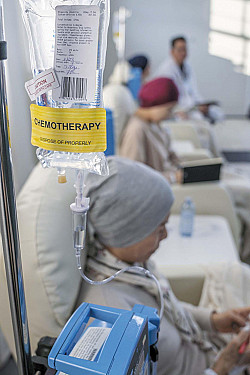
Cancer and heart disease used to be treated like two neighbors who waved politely from separate porches. One belonged to oncology. The other belonged to cardiology. Different offices, different tests, different pamphlets, different waiting-room magazines. But modern medicine has learned that these two conditions are not strangers at all. They share risk factors, biological pathways, treatment complications, lifestyle triggers, and long-term survivorship concerns. In short, cancer and heart disease are connected in more ways than most people realize.
This connection matters because millions of Americans are living longer after cancer, which is excellent news. The catchbecause health always likes to add a footnoteis that some cancer survivors face a higher risk of cardiovascular disease later in life. At the same time, people with existing heart disease may also have a higher risk of certain cancers, partly because both conditions often grow from the same soil: inflammation, aging, tobacco use, obesity, diabetes, high blood pressure, physical inactivity, poor diet, and chronic stress.
The good news is not tiny-print good news. It is big, practical, refrigerator-magnet good news: many of the same habits that protect your heart may also lower cancer risk and support recovery after treatment. That does not mean green smoothies are magic potions, or that a brisk walk can replace medical care. But it does mean your daily choices can help your heart and your long-term cancer outlook work from the same playbook.
What Is the Cancer–Heart Disease Connection?
The cancer–heart disease connection refers to the overlap between cancer, cardiovascular disease, cancer treatment, and long-term health after diagnosis. The field that studies this relationship is called cardio-oncology. It focuses on preventing, detecting, and treating heart problems in people who have cancer, are receiving cancer therapy, or have survived cancer.
Cardio-oncology is not about “heart cancer,” which is rare. It is about protecting the heart before, during, and after cancer care. A patient may need heart monitoring before chemotherapy, blood pressure control during targeted therapy, or long-term screening years after radiation to the chest. The goal is simple but powerful: treat the cancer effectively while keeping the cardiovascular system as safe as possible.
Why Cancer Survivors May Face Higher Heart Disease Risk
Many cancer treatments save lives, but some can stress the heart and blood vessels. Certain chemotherapy medicines, targeted therapies, immunotherapies, hormone therapies, and radiation treatments may increase the risk of heart failure, abnormal heart rhythms, high blood pressure, blood clots, coronary artery disease, or inflammation of the heart muscle.
Not every treatment harms the heart, and not every patient has the same risk. Risk depends on the specific therapy, total dose, age, genetics, previous heart health, family history, lifestyle, and other conditions such as diabetes or hypertension. Think of it like packing a suitcase: one sweater is manageable, but if you keep adding heavy boots, three hardcovers, and a waffle iron for reasons no one understands, the handle may eventually complain.
Chemotherapy and the Heart
Some chemotherapy drugs, especially anthracyclines such as doxorubicin and daunorubicin, have long been linked with heart muscle damage in certain patients. This damage may appear during treatment, shortly afterward, or years later. Doctors may use echocardiograms, blood tests, electrocardiograms, and symptom checks to monitor heart function when a patient receives therapies known to carry cardiovascular risk.
Radiation Therapy and Cardiovascular Risk
Radiation therapy to the chest, breast, lungs, or upper body can sometimes affect nearby heart structures. Modern radiation techniques are more precise than older approaches, but long-term risk may still exist for some patients. Possible late effects include coronary artery disease, valve disease, rhythm problems, or changes in the pericardium, the sac around the heart.
Targeted Therapy and Immunotherapy
Newer cancer treatments can be remarkably effective, but some may influence blood pressure, blood vessels, heart rhythm, or immune-related inflammation. Immunotherapy, for example, can rarely cause myocarditis, an inflammation of the heart muscle. These events are uncommon, but they are serious enough that care teams take symptoms such as chest pain, shortness of breath, fainting, swelling, and new palpitations seriously.
The Reverse Link: Can Heart Disease Influence Cancer Risk?
The relationship may also work in the other direction. Researchers increasingly recognize that cardiovascular disease and cancer may be biologically linked, not just accidentally parked next to each other in the same medical chart. Chronic inflammation, oxidative stress, immune system changes, metabolic dysfunction, and aging-related cellular changes may contribute to both conditions.
For example, a person with heart failure may have systemic inflammation and hormonal changes that affect the entire body. Atherosclerosis, the buildup of plaque in arteries, is also an inflammatory process. Cancer, too, can involve inflammation, immune escape, abnormal cell growth, and changes in metabolism. These shared pathways help explain why the cancer–heart disease connection is more than a side effect story.
Shared Risk Factors: The Usual Suspects Wearing Two Hats
Some risk factors raise the odds of both cancer and cardiovascular disease. This is where prevention becomes especially valuable, because one smart habit may pay two health dividends.
Smoking
Tobacco smoke damages blood vessels, raises the risk of blood clots, increases blood pressure, and contributes to many cancers, including lung, bladder, throat, kidney, pancreatic, and colorectal cancers. If smoking were a résumé, it would list “causing chaos” under special skills. Quitting is one of the most powerful steps for lowering both cancer risk and heart disease risk.
Obesity and Metabolic Health
Excess body weight is associated with higher risk for several cancers and is also a major driver of high blood pressure, type 2 diabetes, abnormal cholesterol, sleep apnea, and heart disease. The point is not to shame anyone about weight. The point is to recognize that metabolic health matters. Small, sustainable changes in food quality, movement, sleep, and medication management can improve risk markers over time.
Physical Inactivity
A sedentary lifestyle weakens cardiovascular fitness and may increase the risk of weight gain, insulin resistance, fatigue, and poor functional recovery. Regular physical activity helps improve blood pressure, cholesterol, blood sugar control, mood, sleep, and energy. For cancer survivors, movement can also help rebuild confidence in a body that has been through a medical thunderstorm.
Alcohol
Alcohol can increase the risk of certain cancers and may also contribute to high blood pressure, heart rhythm problems, cardiomyopathy, and stroke risk when consumed heavily. For many people, reducing alcohol is a realistic way to improve both cancer prevention and cardiovascular health without needing to buy a single neon gym outfit.
Poor Diet
A diet high in ultra-processed foods, added sugars, excess sodium, and unhealthy fats can contribute to obesity, high blood pressure, diabetes, inflammation, and poor cholesterol patterns. A heart-healthy and cancer-conscious eating pattern usually emphasizes vegetables, fruits, beans, whole grains, nuts, seeds, lean proteins, fish, and healthy fats. It is less about perfection and more about direction.
Inflammation: The Quiet Fire Behind Both Diseases
Inflammation is part of the body’s healing system. When you scrape your knee, inflammation helps repair the damage. But chronic inflammation is different. It is like leaving a smoke alarm chirping for years: annoying at first, harmful over time, and somehow always happening at 2 a.m.
Long-term inflammation can damage blood vessels, contribute to plaque buildup, alter immune function, and create an environment that may support abnormal cell growth. Obesity, smoking, poor sleep, chronic stress, autoimmune disease, infections, and inactivity can all feed inflammatory pathways. This helps explain why lifestyle medicine is not a fluffy side dishit is part of serious prevention.
What Symptoms Should Cancer Patients and Survivors Watch For?
Heart problems are not always dramatic. They do not always arrive clutching their chest like an actor in an old soap opera. Sometimes symptoms are subtle, especially during or after cancer treatment, when fatigue and weakness may already be present.
Important symptoms to report include new or worsening shortness of breath, chest pressure, swelling in the legs or abdomen, sudden weight gain from fluid retention, dizziness, fainting, racing or irregular heartbeat, unusual fatigue, trouble lying flat, or reduced ability to exercise. These symptoms do not automatically mean heart disease, but they deserve medical attention.
Who May Need Cardio-Oncology Care?
A cardio-oncology team may be helpful for people who already have heart disease, high blood pressure, diabetes, kidney disease, abnormal cholesterol, a history of stroke, or a strong family history of heart problems. It may also be important for patients receiving cancer therapies known to affect the heart, including certain chemotherapies, HER2-targeted therapies, chest radiation, vascular-targeting drugs, or immunotherapies.
Care often begins with a baseline risk assessment. Doctors may review personal history, family history, medications, cancer treatment plans, blood pressure, cholesterol, blood sugar, kidney function, and heart imaging. The point is not to scare patients before treatment. It is to build a smarter plan so the oncology team can fight cancer without leaving the heart to improvise in the parking lot.
How Doctors Monitor Heart Health During Cancer Treatment
Monitoring depends on the treatment and the patient’s baseline risk. Some patients may need an echocardiogram before therapy and repeated scans during treatment. Others may need blood tests such as troponin or natriuretic peptides, electrocardiograms, blood pressure checks, cholesterol management, or referral to a cardiologist.
If heart strain appears, doctors may adjust the cancer treatment schedule, add heart-protective medications, treat blood pressure aggressively, or coordinate care between oncology and cardiology. The goal is not automatically to stop cancer treatment. In many cases, early detection allows care teams to manage cardiovascular risk while continuing lifesaving therapy.
Prevention: One Lifestyle Plan, Two Major Benefits
The most practical part of the cancer–heart disease connection is that prevention strategies often overlap. You do not need one lifestyle plan for your arteries and another for your cells. Your body does not use separate suggestion boxes.
Move More, But Start Where You Are
Walking, cycling, swimming, strength training, stretching, and supervised rehabilitation can all be useful, depending on a person’s health and treatment status. Cancer survivors who are weak, anemic, recovering from surgery, or dealing with neuropathy should ask their care team for safe exercise guidance. Even short walks can be a meaningful start.
Eat for the Heart and the Whole Body
A Mediterranean-style or plant-forward eating pattern is often recommended for cardiovascular health and may support cancer prevention goals. That means more colorful plants, more fiber, more minimally processed foods, and fewer foods that come with an ingredient list longer than a streaming-service terms-of-use page.
Control Blood Pressure, Cholesterol, and Blood Sugar
Numbers matter. High blood pressure, high LDL cholesterol, and diabetes can silently damage blood vessels for years. Cancer survivors should not let these routine health issues fall off the radar. Primary care follow-up is essential after cancer treatment, especially when oncology visits become less frequent.
Quit Tobacco and Avoid Secondhand Smoke
Stopping tobacco use lowers the risk of heart attack, stroke, lung disease, and many cancers. People who quit often need multiple attempts, medication, coaching, support, or all of the above. That is not failure. That is practice with a very important finish line.
Survivorship Care: The Follow-Up Plan Matters
After cancer treatment ends, many survivors feel like they are expected to ring a bell, smile for a photo, and immediately understand their entire future medical plan. Real life is messier. Survivorship care should include a clear summary of treatments received, possible late effects, recommended screenings, heart health monitoring, medication review, and lifestyle goals.
Patients should ask: Did I receive a treatment that can affect the heart? Do I need echocardiograms or other tests later? How often should my blood pressure, cholesterol, and blood sugar be checked? Should I see a cardio-oncologist? What symptoms should prompt a call? These questions are not annoying. They are the medical equivalent of reading the map before driving through fog.
Specific Example: Breast Cancer and Heart Health
Breast cancer provides a clear example of why cardio-oncology matters. Some patients receive radiation near the chest, anthracycline chemotherapy, HER2-targeted therapy, or hormone therapy that may influence cardiovascular risk. Many women diagnosed with breast cancer are also at an age when heart disease risk naturally rises.
This does not mean patients should fear treatment. It means treatment decisions should include heart health planning. A care team may check baseline heart function, monitor during therapy, manage blood pressure, encourage exercise, and coordinate follow-up after treatment. The best cancer plan is not only about survival; it is about helping the survivor live well afterward.
Specific Example: Childhood Cancer Survivors
People treated for cancer in childhood may live for many decades after therapy, which makes late effects especially important. Some childhood cancer survivors who received chest radiation or certain chemotherapy drugs may need long-term heart monitoring as adults. The heart may look fine for years before problems appear, which is why survivorship guidelines and medical history matter.
Adults who had cancer as children should tell every new primary care doctor about their treatment history. If records are available, keeping a treatment summary is extremely helpful. Your future cardiologist cannot protect you from a therapy they do not know you had.
Practical Questions to Ask Your Doctor
Patients do not need to become walking medical encyclopedias. However, a few smart questions can improve care. Ask whether your cancer treatment has known cardiovascular risks. Ask whether you need heart testing before or during treatment. Ask what symptoms should trigger urgent attention. Ask whether exercise is safe and what type is recommended. Ask who will monitor your heart after treatment ends.
Also ask how your existing conditions affect your treatment plan. High blood pressure, diabetes, kidney disease, obesity, smoking history, and previous heart problems do not automatically prevent cancer therapy, but they may change the monitoring strategy. Good care is personalized care.
Experience Section: Living With the Cancer–Heart Disease Connection
One of the most common experiences among cancer survivors is surprise. Many people expect fatigue, hair loss, nausea, scars, or anxiety. Fewer expect a conversation about cholesterol, blood pressure, echocardiograms, or heart failure risk. After all, when cancer enters the room, it tends to take the microphone. Everything else becomes background music.
Imagine a patient named Linda, a 58-year-old breast cancer survivor. During treatment, she focused on appointments, scans, surgery, and chemotherapy. She kept a notebook full of medication names that looked like rejected Wi-Fi passwords. When treatment ended, she felt grateful but also confused. Her oncologist mentioned that one of her medications could affect heart function, so she needed follow-up imaging. Linda wondered, “Wait, I beat cancer and now my heart wants a meeting?”
That reaction is normal. Survivorship can feel like graduating from one school and immediately being handed homework from another. The emotional shift is real. During treatment, the schedule is intense but structured. After treatment, patients may suddenly have fewer appointments but more uncertainty. Heart monitoring can feel like one more thing to worry about, but it can also be empowering. It gives patients and doctors a chance to catch problems early, treat risk factors, and prevent complications before they become emergencies.
Another common experience is frustration with lifestyle advice. A survivor may hear, “Eat better, move more, reduce stress, sleep well,” and think, “Wonderful. Should I also become fluent in Italian by Thursday?” Cancer treatment can leave people tired, sore, anxious, and financially strained. Heart-healthy living must be realistic. For some people, success starts with a ten-minute walk three times a week. For others, it means replacing soda with water at lunch, taking blood pressure medication consistently, or finally scheduling a primary care visit.
Caregivers also experience this connection. A spouse, adult child, or friend may help track symptoms, drive to appointments, prepare meals, and encourage movement. Their role is valuable, but it should not become a second full-time job with worse snacks. Families can help by making changes together: walking after dinner, keeping tobacco out of the home, cooking simple meals, and treating follow-up care as normal rather than frightening.
There is also a mental health side. Cancer survivors may worry that every chest flutter means disaster or that every ache signals recurrence. Heart disease survivors may fear cancer after hearing about shared risks. The answer is not panic; it is partnership. Patients deserve clear explanations, written care plans, and permission to ask questions twice if the first answer arrived while their brain was buffering.
The best experience is when oncology, cardiology, and primary care communicate well. A survivor should not have to act as the human fax machine between specialists. When the care team shares information, patients feel safer. They understand which symptoms matter, which tests are needed, and which daily habits are worth the effort. That clarity can turn fear into action.
In real life, the cancer–heart disease connection is not just a scientific concept. It is the patient checking blood pressure before breakfast. It is the survivor asking whether chest radiation changes future screening. It is the cardiologist adjusting medication so cancer therapy can continue. It is the family walk around the block that starts slowly and becomes a ritual. It is not glamorous, but it is powerful. Sometimes the most heroic health decision is not dramatic at all. Sometimes it is taking the pill, keeping the appointment, asking the question, and choosing the stairs when your knees are not filing a formal complaint.
Conclusion: Protecting the Heart While Fighting Cancer
The cancer–heart disease connection is one of the most important lessons in modern medicine. Cancer and cardiovascular disease share risk factors, may influence each other biologically, and can collide during treatment and survivorship. That sounds intimidating, but it also creates opportunity. When doctors monitor heart health early, manage risk factors aggressively, and coordinate care, patients can often continue effective cancer treatment while reducing cardiovascular harm.
For patients and survivors, the message is not to fear every heartbeat. The message is to stay informed, stay followed, and stay involved. Know your treatment history. Ask about heart risks. Control blood pressure, cholesterol, blood sugar, tobacco exposure, weight, sleep, and physical activity as best you can. You do not need a perfect lifestyle. You need a sustainable one.
Heart health and cancer care are no longer separate conversations. They belong at the same table, preferably with a large glass of water, a sensible meal, and a doctor who explains things without sounding like a medical textbook swallowed a legal document. The better we understand the connection, the better we can help people not only survive cancer, but live longer, stronger, and with a healthier heart.