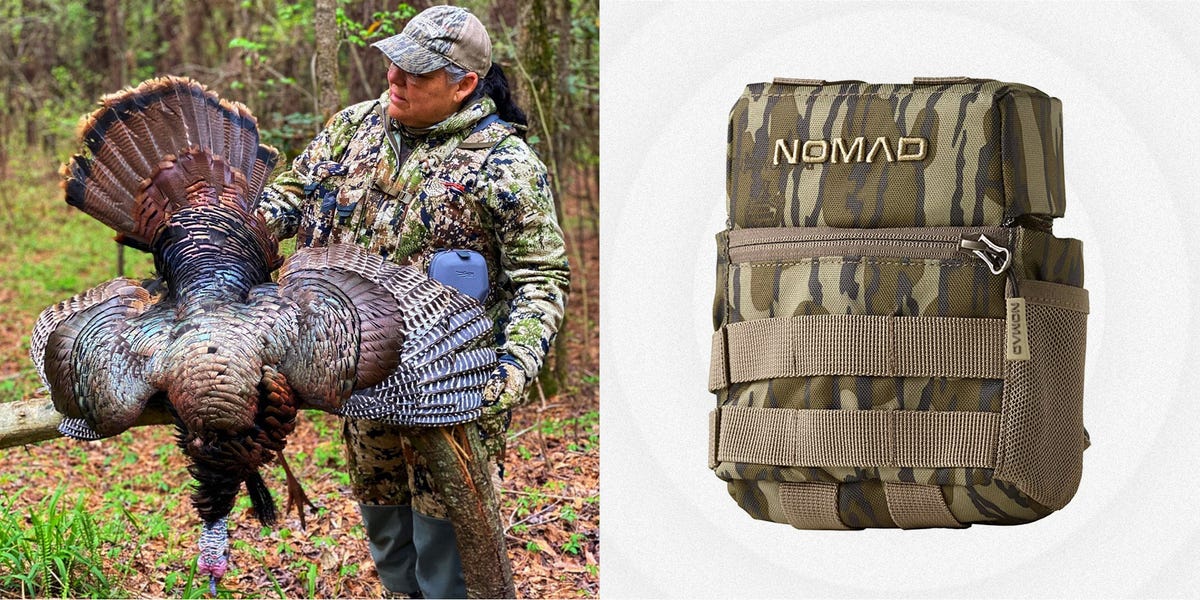
Turkey hunting looks simple from a distance: walk into the woods, make a few charming turkey noises, and wait for a gobbler to stroll in like he has a dinner reservation. Then opening morning arrives, the temperature drops, the ground is wet, mosquitoes hold a family reunion around your ears, and your box call is buried somewhere beneath a granola bar, two gloves, and a mysteriously loud zipper. That is when good turkey hunting gear stops being “nice to have” and starts feeling like the difference between a smooth morning and a comedy sketch filmed in camouflage.
The best turkey hunting gear in 2023 was not about buying every shiny gadget on the shelf. Smart hunters focused on comfort, concealment, safety, organization, and practical tools that help them stay quiet, patient, and prepared. Whether you are heading into hardwood ridges, pine flats, river bottoms, farm edges, or open pasture, the right setup should help you move efficiently, sit still longer, and adapt when spring weather changes its mind every twelve minutes.
This guide breaks down the essential non-weapon gear for turkey hunting in 2023: vests, camo clothing, boots, calls, decoys, blinds, optics, navigation tools, insect protection, rain gear, safety items, and field comfort upgrades. Think of it as your practical, web-ready checklist for the turkey woodsminus the clutter, hype, and “you absolutely need 47 accessories” nonsense.
Why Turkey Hunting Gear Matters
Wild turkeys are famous for sharp eyesight, suspicious behavior, and an impressive ability to disappear behind a sapling thinner than a pencil. A successful hunt often depends on patience and preparation. Gear will not replace woodsmanship, scouting, or good judgment, but it can make those skills easier to use.
The best turkey hunting gear helps with five major needs: staying hidden, staying comfortable, keeping essentials organized, moving safely, and reacting quietly when conditions change. A vest with smart pocket layout keeps calls and small tools within reach. Good boots protect your feet during long walks. A face mask and gloves reduce exposed skin. A compact rain layer keeps a chilly drizzle from ending the morning early. And a safety vest or blaze-orange item helps make you visible when walking in or out of hunting areas.
Turkey Hunting Vest: Your Mobile Command Center
A turkey vest is one of the most useful pieces of turkey hunting gear because it turns your body into a mobile filing cabinetonly quieter and less likely to be found in an office. The ideal vest carries calls, gloves, a face mask, snacks, water, decoy stakes, first aid items, and a seat cushion without making you feel like you packed for a three-week expedition.
What to Look for in a Turkey Vest
Look for a vest with quiet fabric, adjustable straps, a padded seat, balanced weight distribution, and pockets designed for specific calls. In 2023, many hunters favored modular and lightweight vests because they allowed better mobility. A bulky vest can become annoying when covering ground, especially on public land or hill country hunts.
A built-in seat is more valuable than many beginners realize. Turkeys often require long periods of stillness. Sitting on cold, wet ground can turn even the most focused hunter into a fidgeting statue with regrets. A good cushion helps you stay still and comfortable, which matters because movement is one of the fastest ways to get spotted.
Camo Clothing for Turkey Hunting
Camouflage is central to turkey hunting because turkeys notice movement and contrast extremely well. In 2023, the best turkey hunting clothing was not just about looking like a tree. It was about choosing quiet, breathable, season-appropriate layers that matched the habitat.
Match Camo to the Terrain
Early spring woods may be gray, brown, and open. Late spring areas may be bright green and leafy. Open fields require different concealment than dark timber. A hunter sitting against a hardwood trunk in April may want a different pattern than someone tucked into palmettos, pine shadows, or grassy field edges.
Choose camo that breaks up your outline rather than one that simply looks cool in the store. A pattern with too much green may stand out in bare early-season woods. A dark pattern may look like a suspicious blob in bright grass. The goal is not to win a fashion contest. The goal is to look like absolutely nothing worth investigating.
Do Not Forget Face and Hands
Face masks, neck gaiters, and lightweight gloves are small items with big impact. A bare face or pale hands can flash when you move a call, adjust binoculars, or reach for water. Lightweight gloves with grip and a breathable face covering help reduce glare and movement. They also keep mosquitoes from treating your knuckles like a breakfast buffet.
Boots: Comfort Starts at Ground Level
Turkey hunting often involves walking before daylight, crossing wet grass, easing along logging roads, or climbing ridges. Poor boots can turn a beautiful morning into a blister documentary. The best turkey hunting boots for 2023 depended heavily on region and terrain.
Rubber Boots
Rubber boots are popular for wet areas, muddy bottoms, and dewy fields. They help keep feet dry and are easy to clean after a swampy morning. They can also be useful in areas where scent control is a priority, although comfort and fit still matter most.
Lightweight Hiking Boots
For hills, dry ridges, or western-style spot-and-move hunting, lightweight hiking boots are often more comfortable than heavy rubber boots. They offer better ankle support and reduce fatigue over long distances. A breathable waterproof model is a strong all-around choice for unpredictable spring weather.
Snake-Protective Boots
In warmer southern areas, some hunters prefer snake-protective boots for peace of mind in thick cover. The best choice depends on local wildlife, temperature, and walking distance. Comfort still matters, because heavy protective boots can feel like ankle weights if you are covering miles.
Turkey Calls: Keep It Simple and Realistic
Turkey calls are one of the most discussed pieces of turkey hunting gear, and for good reason. Calls help communicate with birds, but more calling is not always better. A beginner with one well-practiced call is often better prepared than someone carrying a vest full of calls they operate like a drawer full of squeaky kitchen tools.
Box Calls
Box calls are beginner-friendly, loud, and useful for reaching across distance. They can produce clear yelps, clucks, and cutting sounds with a little practice. Their main downside is that they require hand movement, so hunters should use them carefully when birds are close.
Pot Calls
Pot calls, often made with slate, glass, or aluminum surfaces, offer a wide range of turkey sounds. They are versatile and can be very realistic. They also require a striker and hand movement, but many hunters love their tone and control.
Diaphragm Calls
Diaphragm calls are hands-free, which is helpful when a bird is close and movement must be minimal. They take more practice and may feel awkward at first. Start with a simple model and practice before the season. Opening morning is not the time to discover that your yelp sounds like a kazoo falling down stairs.
Locator Calls: Helpful, But Not Magic
Locator calls imitate sounds such as owl hoots, crow calls, or other natural noises that may trigger a gobble response. They are useful for finding birds without using turkey sounds too early or too often. However, locator calls should be used thoughtfully. Repeated loud calling can pressure birds or alert other hunters in public areas.
A compact crow call or owl hooter can be a useful addition to a vest. The key is restraint. Use locator calls to gather information, then move quietly and safely. The goal is to find a bird, not perform a one-person forest concert.
Decoys: Realism Without Overcomplication
Turkey decoys can help in fields, open lanes, and situations where a gobbler expects to see the source of the calling. In 2023, realistic collapsible decoys remained popular because they were easier to carry and looked more natural than stiff, shiny, old-school models.
Hen Decoys
A simple hen decoy is one of the most common choices. It can provide a visual focus and help calm a cautious bird in open terrain. Lightweight designs are easier to pack, especially for mobile hunters.
Jake Decoys
Jake decoys can create a dominance response from some gobblers, but they should be used carefully, especially on public land or in crowded areas. Safety and local regulations come first. Always check the rules where you hunt, and avoid any setup that could create confusion for other people in the area.
When to Skip Decoys
Decoys are not required for every hunt. In thick timber, a bird may approach without needing a visual. In heavily pressured areas, some turkeys become wary of decoys. If you are moving frequently, carrying fewer items may be smarter than hauling a full decoy spread through the woods like a traveling poultry salesman.
Ground Blinds and Natural Cover
Ground blinds are excellent for youth hunts, rainy mornings, field edges, and situations where comfort matters. They conceal movement better than sitting against a tree and allow more room for snacks, extra layers, and quiet adjustments. However, blinds add weight and setup time.
Natural cover is lighter and faster. A wide tree, brush pile, or shadowed edge can work beautifully when chosen carefully. The best setup gives you a solid background, breaks up your outline, and allows a clear view without forcing constant movement.
Optics: Binoculars for Scouting and Safety
Compact binoculars are a valuable turkey hunting accessory. They help identify movement across fields, check distant edges, and scout birds without walking too close. For turkey hunting, many hunters prefer lightweight binoculars because they are easy to carry in a vest or chest harness.
Optics are also useful for safety. They help you identify what you are seeing before making any decision. In turkey hunting, assumptions are dangerous. Clear identification, patience, and awareness of other people in the area are always more important than speed.
Navigation Tools and Mapping Apps
Good navigation tools are essential, especially on public land or unfamiliar private property. A GPS app with offline maps, property boundaries, topography, and waypoints can help hunters mark roost areas, parking spots, creek crossings, and safe routes.
Do not rely only on your phone. Batteries die, screens crack, and cold weather can drain power quickly. Carry a small backup power bank, and consider packing a traditional compass and paper map when hunting larger areas. Getting lost is a terrible way to extend a hunt.
Insect and Tick Protection
Spring turkey season overlaps with the grand opening of bug season. Ticks, mosquitoes, and biting insects can make sitting still nearly impossible. Insect protection became a major part of smart turkey hunting gear in 2023, especially in warm, humid regions.
Permethrin-treated clothing, EPA-registered insect repellent, a tick removal tool, and lightweight long sleeves can help reduce exposure. Some hunters also carry portable mosquito repellers for stationary setups. Whatever method you choose, follow product labels carefully and store repellents away from calls or food.
Rain Gear and Layering
Spring weather is famously dramatic. A morning may begin cold, turn warm, become windy, and then drop a surprise shower just to keep everyone humble. The best turkey hunting clothing system uses layers: a moisture-wicking base layer, quiet midlayer, weather-resistant outer layer, and packable rain shell.
Rain gear should be quiet. Some waterproof jackets sound like a potato chip bag being crushed in a library, which is not ideal when a gobbler is close. Look for soft, breathable materials and test them before hunting. If it sounds loud at home, it will sound like a marching band in the woods.
Seat Cushions, Knee Pads, and Comfort Items
Comfort is not laziness; it is strategy. A hunter who can sit still longer has a better chance of staying hidden. A padded vest seat, small foam cushion, or low-profile turkey chair can make a major difference. Knee pads may help when crawling or setting up in rough terrain, though movement should always be careful and safe.
Pack water, snacks, lip balm, and a small emergency layer. Hunger and dehydration make people impatient, and impatience makes people noisy. A quiet snack can save a hunt. Just avoid wrappers that sound like thunder when opened.
Safety Gear Every Turkey Hunter Should Carry
Safety belongs at the top of every turkey hunting gear list. Carry a first aid kit, whistle, headlamp, backup light, emergency contact information, and a fully charged phone. A blaze-orange hat, vest, or panel is useful when walking in, walking out, or carrying gear through areas where other hunters may be present.
Turkey hunters often wear full camouflage while sitting, which can make them hard for other people to see. That is useful for hiding from turkeys but risky around humans. Use visibility gear when moving, avoid stalking sounds made by other hunters, and never assume you are alone on public land.
Best Turkey Hunting Gear Checklist for 2023
Essential Non-Weapon Gear
- Turkey vest with padded seat and quiet pockets
- Season-appropriate camouflage clothing
- Face mask or neck gaiter
- Lightweight gloves
- Comfortable waterproof boots
- Box call, pot call, or diaphragm call
- Locator call
- Compact binoculars
- Legal decoys where appropriate
- Packable rain jacket
- Insect repellent and tick removal tool
- Headlamp with extra batteries
- Navigation app, map, compass, or GPS
- Water bottle and quiet snacks
- First aid kit and emergency whistle
- Blaze-orange safety item for movement
Budget vs. Premium Turkey Hunting Gear
You do not need premium everything to enjoy turkey hunting. Spend first on comfort, safety, and reliability. Good boots, a practical vest, weather protection, and a few quality calls are more important than owning every accessory released in 2023.
Budget hunters can start with a basic vest, one box call, one face mask, gloves, comfortable boots, and borrowed or existing outdoor layers. Upgrade slowly based on actual experience. Premium hunters may prefer modular vests, high-end breathable camo, realistic decoys, lightweight optics, and advanced mapping tools. The best gear is the gear you understand, carry comfortably, and use safely.
Common Turkey Gear Mistakes to Avoid
The first mistake is carrying too much. A heavy vest makes every hill feel personal. The second mistake is buying calls without practicing. A call still in its package has never convinced a turkey of anything. The third mistake is ignoring weather. Wet socks and cold fingers can end a hunt faster than silence from the roost.
Another common mistake is forgetting local regulations. Rules vary by state and sometimes by specific public land area. Decoy restrictions, legal hunting times, tagging requirements, reporting rules, and safety requirements may differ. Always check current regulations before the season.
Field Experiences: What Actually Matters in the Turkey Woods
After enough mornings in turkey country, one lesson becomes clear: the best turkey hunting gear is not always the most expensive gear. It is the gear that solves real problems before those problems ruin your day. A quiet zipper matters when a bird is close. A dry seat matters after a night of rain. A simple face mask matters when the sun hits your cheek and turns you into a human lighthouse.
One of the most useful habits is packing the vest the same way every time. Calls go in the same pockets. Gloves and face mask go in an easy-access pouch. Headlamp goes in a secure spot. Water goes where it will not slosh. This routine prevents frantic searching in the dark. Nothing says “professional outdoorsperson” like digging through five pockets while whispering words your grandmother would not approve of.
Another experience-based tip is to test every item before opening day. Sit on your cushion in the yard. Wear your boots on a long walk. Practice opening pockets quietly. Try your rain jacket in light movement. Use your calls enough to know which ones sound best. Many gear failures are not dramatic; they are small annoyances that stack up. A squeaky seat, stiff glove, foggy glasses, or noisy snack wrapper can become the villain of the morning.
Comfort also matters more than beginners expect. Turkey hunting often involves waiting. Sometimes a gobbler answers immediately. Other times the woods go silent, and the entire hunt becomes a patience contest against your own left foot falling asleep. A good seat, warm layer, and water bottle help you stay longer. Staying longer often means being present when birds finally move again.
Mobility is another major factor. Some hunters sit in one carefully chosen setup. Others cover ground, listen, and adjust. If you like moving, keep gear light. A minimalist vest, compact decoy, one or two calls, and good boots may beat a fully loaded setup. If you prefer field-edge sits or hunts with younger partners, a blind, chair, extra snacks, and more comfort gear may be worth the weight.
Weather teaches lessons quickly. A packable rain shell can save a hunt when spring showers roll in. Extra socks are underrated. A small towel or cloth can dry hands, optics, or call surfaces. In hot areas, insect protection may be the difference between sitting still and performing an interpretive dance called “Mosquito Panic.”
Finally, the most important experience is learning that gear supports judgment; it does not replace it. Safe movement, clear identification, respect for property lines, awareness of other hunters, and knowledge of regulations are more important than any product. The best turkey hunters are not the ones with the fullest vests. They are the ones who move carefully, listen closely, stay patient, and know when to call, when to stay quiet, and when to head home safely.
Conclusion
The best turkey hunting gear in 2023 focused on practical performance: a comfortable vest, quiet camo, reliable boots, useful calls, safe visibility items, weather protection, insect defense, navigation tools, and field-ready organization. You do not need to carry the entire outdoor aisle into the woods. Start with essentials, practice with your gear, and upgrade only when a real need appears.
Turkey hunting rewards patience, preparation, and attention to detail. The right gear keeps you comfortable enough to stay still, organized enough to react calmly, and safe enough to enjoy the season responsibly. Pack smart, check local rules, respect other people outdoors, and remember: the turkey may have a brain the size of a walnut, but in the spring woods, that walnut has home-field advantage.