Editorial note: This guide is based on real-world testing insights, current manufacturer specifications, and practical snow-clearing experience. Prices and availability can change faster than a snowplow blocks your driveway, so always confirm details before buying.
Why Cordless Snow Blowers Are Finally Worth Taking Seriously
For years, battery-powered snow blowers had the reputation of being the polite guest at a winter storm party: quiet, clean, and not especially useful when things got ugly. That has changed. Today’s best cordless snow blowers can clear real driveways, toss snow across a yard, and spare you from the annual ritual of yanking a gas starter cord while muttering words your neighbors pretend not to hear.
The big appeal is simple: cordless snow blowers start with a button, require far less maintenance than gas models, and do not need extension cords. They are also quieter, easier to store, and friendlier for homeowners who want power without smelling like a small engine repair shop. The best models now come with brushless motors, steel augers, self-propelled drive systems, LED headlights, heated handles, and battery platforms that work across lawn mowers, leaf blowers, chainsaws, and other outdoor tools.
Still, cordless does not mean magical. Battery snow blowers perform best when matched to the right property, snow type, and storm pattern. A compact single-stage unit may be perfect for a small paved driveway with fluffy snow, while a two-stage cordless snow blower is the better choice for deep snow, plow piles, and long clearing sessions. Choosing correctly matters, unless your winter fitness plan is “panic shovel at 6:30 a.m.”
How We Evaluated the Best Cordless Snow Blowers
To build this expert-style review, we compared hands-on testing notes from reputable home and tool publications, current product specifications, user-focused design details, and long-term practicality. The most important factors were clearing width, intake height, throwing distance, runtime, battery compatibility, chute control, ease of storage, performance in wet snow, and value for the money.
We also separated single-stage and two-stage models because they serve different homeowners. A single-stage cordless snow blower uses one auger to scoop and throw snow. It is lighter, simpler, and best for paved surfaces with light to moderate snowfall. A two-stage model uses an auger plus an impeller, making it better for deeper snow, wider driveways, and the dreaded icy ridge left by the municipal plow. That ridge has ruined more mornings than cold coffee.
Best Overall Cordless Snow Blower: Ryobi 40V HP Brushless 22-Inch Two-Stage
The Ryobi 40V HP Brushless Whisper Series 22-inch two-stage snow blower earns the top overall spot because it blends power, convenience, and homeowner-friendly design. It is self-propelled, uses two 40V batteries, has a 22-inch clearing width, and can throw snow up to 45 feet in favorable conditions. Ryobi also promotes the model as quieter than gas, which matters when you are clearing snow before sunrise and would prefer not to become the villain of the block.
What Makes It Stand Out
This Ryobi model feels like a true gas replacement for many suburban homes. Its two-stage system gives it more bite than lightweight single-stage machines, while the self-propelled drive helps reduce fatigue. The all-steel auger, 180-degree chute, LED headlights, and variable speed controls make it practical for driveways, sidewalks, and packed snow at the curb.
Who Should Buy It
Choose this model if you have a medium to large paved driveway, regularly deal with snow deeper than 6 inches, or already own Ryobi 40V tools. It is especially attractive for homeowners who want serious performance without gas, oil changes, spark plugs, carburetor drama, or the mysterious seasonal phrase “it ran fine last year.”
Possible Drawbacks
Runtime can drop in heavy, wet snow, and the price is not exactly “impulse buy next to the checkout gum.” Like most powerful cordless snow blowers, it rewards users who keep batteries warm before use and recharge them promptly after clearing.
Best Two-Stage Power Pick: EGO Power+ 24-Inch Self-Propelled 2-Stage Snow Blower
The EGO Power+ 24-inch two-stage snow blower is one of the most respected cordless snow blowers on the market, and for good reason. It uses EGO’s 56V ARC Lithium battery system and Peak Power technology, combining two batteries for stronger output. With a 24-inch clearing width, 20-inch intake height, self-propelled drive, and snow-throwing distance up to 50 feet, this machine is built for people who do not cancel plans just because winter got theatrical.
Best Features
The EGO’s big advantage is its strong balance of power and runtime. With recommended high-capacity batteries, it can handle a sizable driveway covered in several inches of snow. Variable auger speed lets you control throwing distance, while forward and reverse self-propelled settings make it easier to maneuver than a heavy push-only blower.
It also benefits from EGO’s excellent battery ecosystem. If you already use EGO mowers, leaf blowers, chainsaws, or string trimmers, the snow blower fits neatly into a year-round tool lineup. Battery platforms matter. Buying into one strong system can save money and garage space over time.
Who It Is Best For
This is a strong choice for homeowners with larger driveways, regular winter storms, and the need for a battery snow blower that feels closer to gas performance. It is not the cheapest cordless snow blower, but it is one of the easiest to recommend for serious residential use.
Best Premium Cordless Snow Blower: Toro 60V Power Max e24
The Toro 60V Power Max e24 is a premium two-stage cordless snow blower that brings Toro’s snow-clearing heritage into the battery era. It offers a 24-inch clearing width, a 20-inch intake height, steel construction, self-propelled operation, and a multi-battery design. Toro says the machine can clear a large driveway on a charge, with additional battery slots extending runtime.
Why It Feels Premium
This is not a dainty patio sweeper wearing a winter hat. The Power Max e24 is built more like a traditional two-stage snow blower, but with the advantages of battery power. The Quick Stick chute control is one of Toro’s most user-friendly features, allowing quick directional adjustments without fuss. That matters when the wind shifts and suddenly your snow stream is redecorating your own coat.
Best Use Case
The Toro e24 is best for homeowners who want a durable, full-size cordless snow blower for medium to heavy snow. It is particularly useful in areas where storms bring dense, wet snow or where plow piles at the end of the driveway are a recurring problem.
What to Consider
It is expensive and heavier than smaller cordless options. For a short walkway or tiny driveway, it may be overkill. For a serious winter property, however, it is one of the most compelling gas-free machines available.
Best Single-Stage Cordless Snow Blower: EGO Power+ 21-Inch Steel Auger
The EGO Power+ 21-inch single-stage snow blower is a great fit for homeowners who want a lighter, simpler cordless machine but still expect real performance. It uses two EGO 56V batteries, throws snow up to 40 feet, and features a steel auger designed to cut through snow and ice better than older rubber-only designs.
Why It Works
Many single-stage electric snow blowers are convenient but underpowered. The EGO 21-inch model avoids that trap by combining a brushless motor, dual-battery power, variable auger control, LED headlights, and a foldable handle. It is still easier to store than a large two-stage machine, but it has enough muscle for many typical suburban snowfalls.
Who Should Buy It
Buy this if your driveway is paved, your storms are usually moderate, and you want something easier to handle than a two-stage blower. It is especially good for two-car driveways, sidewalks, decks, and homeowners who prioritize convenience.
Where It Struggles
Like most single-stage models, it is not ideal for gravel surfaces, very deep snow, or heavy plow piles. It can handle more than a basic snow shovel, but it is not a bulldozer with manners.
Best Value Pick: Snow Joe 48V IONMAX 18-Inch Cordless Snow Blower
The Snow Joe 48V IONMAX 18-inch cordless snow blower is a smart budget-friendly option for lighter-duty snow removal. It clears an 18-inch-wide path and a 10-inch-deep path in a single pass, using a 1200-watt brushless motor. It is compact, relatively affordable, and useful for small driveways, walkways, patios, and decks.
Why It Belongs on the List
Not everyone needs a four-figure snow machine. If you get occasional snow and simply want to stop shoveling every square inch by hand, the Snow Joe makes sense. It is easier to store, easier to move, and less intimidating than a large two-stage blower.
Best For
This model is best for light to moderate snow on paved surfaces. It is also a good choice for people with limited storage space or those who want a backup machine for quick cleanups.
Limitations
Do not expect it to chew through heavy plow piles like a premium two-stage blower. In wet snow, it may require slower passes. For small jobs, though, it offers excellent convenience for the price.
Best Midrange Single-Stage Option: Greenworks 80V 22-Inch Cordless Snow Blower
The Greenworks 80V 22-inch cordless snow blower is a strong midrange option for homeowners who want a wider clearing path than many compact models. It offers a 22-inch clearing width, 13-inch clearing depth, 180-degree chute rotation, and compatibility with the Greenworks 80V battery platform.
Why It Is Practical
The 22-inch width helps reduce the number of passes required on driveways and sidewalks. It also comes from a battery ecosystem with many compatible outdoor tools, making it appealing if you already own Greenworks equipment.
Best For
This snow blower fits homeowners with moderate snowfall, paved surfaces, and a preference for lighter equipment. It is not as powerful as a two-stage machine, but it offers a useful mix of width, convenience, and battery compatibility.
Best Compact Cordless Snow Blower: Worx Nitro 40V 20-Inch
The Worx Nitro 40V 20-inch cordless snow blower is a compact, easy-handling option for smaller properties. It clears a 20-inch-wide and 10-inch-deep path, throws snow up to 20 feet, and uses two 20V Power Share batteries to create a 40V system.
This is the kind of snow blower that makes sense for townhomes, short driveways, walkways, and quick morning cleanups. It is not meant to challenge a mountain pass, but it can save your back after a typical overnight snowfall.
Best Lightweight Alternative: SKIL PWR CORE 40 20-Inch Snow Blower
The SKIL PWR CORE 40 20-inch single-stage snow blower offers a useful combination of compact size and respectable throwing distance. It can throw snow up to 30 feet and includes a digital brushless motor, rear crank chute control, rubber-tipped steel auger, and LED headlight.
For homeowners who want a simple cordless snow blower for paved driveways and sidewalks, the SKIL is worth considering. It is especially appealing if you prefer a manageable machine over a heavy-duty two-stage model.
Single-Stage vs. Two-Stage Cordless Snow Blowers
Choose a Single-Stage Snow Blower If:
- You have a paved driveway or sidewalk.
- Your typical snowfall is under 8 inches.
- You want lighter weight and easier storage.
- You prefer lower cost over maximum power.
Choose a Two-Stage Snow Blower If:
- You regularly get deep or wet snow.
- You have a long or wide driveway.
- You need to clear plow piles.
- You want self-propelled traction and greater throwing distance.
In simple terms, single-stage cordless snow blowers are great for “the driveway has snow on it.” Two-stage cordless snow blowers are better for “winter has declared war.”
What to Look for When Buying a Cordless Snow Blower
Battery Voltage and Amp-Hours
Voltage gives a rough idea of power potential, while amp-hours help indicate runtime. A 40V compact blower may be fine for a small driveway, while 56V, 60V, and 80V systems generally offer more serious performance. However, battery size, motor efficiency, auger design, and snow conditions matter just as much as voltage.
Clearing Width
A wider clearing width means fewer passes. For small walkways, 18 to 20 inches may be enough. For driveways, 21 to 24 inches is more efficient. Large two-stage machines with 24 inches or more can save time, especially after bigger storms.
Throwing Distance
Throwing distance matters more than people think. If your snow blower only tosses snow a short distance, you may end up moving the same snow twice. Look for 30 to 50 feet of claimed throwing distance if you need to clear a full driveway.
Chute Control
A good chute control system lets you adjust snow direction quickly. This is essential when clearing around cars, garage doors, landscaping, or that one neighbor who insists on parking exactly where your snow wants to go.
Self-Propelled Drive
Self-propelled drive is valuable on heavier two-stage machines. It reduces fatigue and helps the snow blower move through packed snow. Smaller single-stage models are usually push-powered, which is fine for lighter snow and shorter areas.
LED Headlights
Winter snow rarely respects your schedule. LED headlights help when clearing before work, after sunset, or during low-visibility storms.
Storage Design
Foldable handles, compact frames, and vertical storage options can make a big difference in crowded garages. Remember: the best snow blower is the one you can actually access when the first storm hits.
Battery Snow Blower Tips for Better Performance
To get the most from a cordless snow blower, store batteries indoors before use. Lithium-ion batteries perform better when they start warm, even if the machine itself lives in the garage. Charge them fully before storms, and consider buying extra batteries if you have a large driveway or frequent heavy snow.
Clear snow in stages during major storms. Waiting until 14 inches of wet snow has settled into driveway concrete is not bravery; it is a future chiropractic invoice. Make slower passes in heavy snow, keep the chute clear, and avoid forcing the machine beyond its design limits.
Safety matters too. Wear eye protection when clearing or adjusting the machine, inspect fasteners before use, and turn the snow blower off before clearing clogs. Never put your hand inside the chute or auger area. Snow blowers are helpful tools, not friendly kitchen appliances.
Our Practical Ranking of the Best Cordless Snow Blowers
| Category | Recommended Model | Best For |
|---|---|---|
| Best Overall | Ryobi 40V HP Brushless 22-Inch Two-Stage | Medium to large driveways and strong all-around performance |
| Best Two-Stage Power | EGO Power+ 24-Inch 2-Stage | Heavy snow, larger paved driveways, and long runtime needs |
| Best Premium Pick | Toro 60V Power Max e24 | Durability, wet snow, and full-size cordless performance |
| Best Single-Stage | EGO Power+ 21-Inch Steel Auger | Paved driveways, moderate snow, and easy storage |
| Best Value | Snow Joe 48V IONMAX 18-Inch | Small driveways, decks, patios, and lighter snow |
| Best Midrange | Greenworks 80V 22-Inch | Moderate snow and wider single-stage clearing |
| Best Compact | Worx Nitro 40V 20-Inch | Short driveways, sidewalks, and quick cleanups |
| Best Lightweight Alternative | SKIL PWR CORE 40 20-Inch | Simple paved-surface clearing with compact storage |
Real-World Experience: What Using a Cordless Snow Blower Actually Feels Like
The biggest difference between a cordless snow blower and a gas snow blower is not just the noise or the maintenance. It is the mood. With a gas blower, the process often starts with checking fuel, adjusting choke, pulling the starter, listening to the engine complain, and hoping the machine remembers its one job. With a cordless snow blower, you snap in the batteries, press a button, and begin. It feels almost suspiciously easy, like winter forgot to read the rules.
For light snow, a good cordless single-stage blower is a joy. It glides across pavement, clears down close to the surface, and turns a 40-minute shovel session into a quick walk behind a machine. On a 3- to 5-inch snowfall, the best battery-powered snow blowers feel perfectly matched to the task. They are quiet enough that you can clear early in the morning without sounding like a landscaping crew is attacking your driveway with motorcycles.
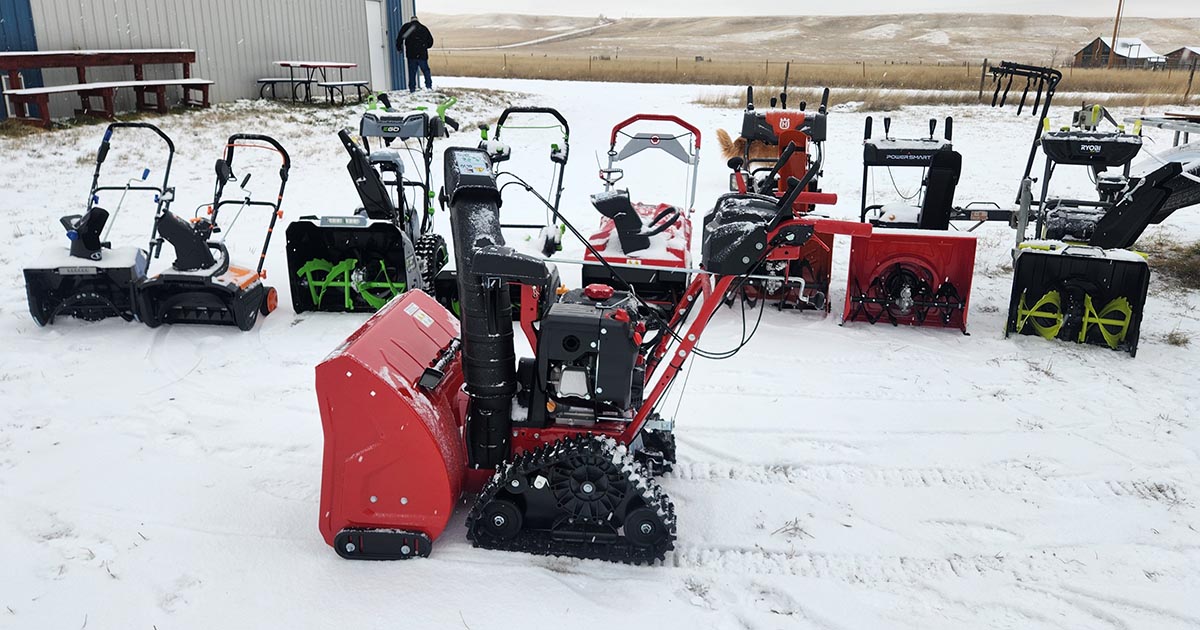
The real test comes with wet snow. That heavy, mashed-potato snow is where weaker cordless models begin to show their limits. A compact blower can still help, but you may need to slow down, take half-width passes, and clear the chute more often. This is where two-stage cordless models like the Ryobi, EGO, and Toro justify their higher prices. They have more traction, better intake height, stronger throwing ability, and less of that sad “I tried” energy.
Battery management becomes part of the routine. In cold climates, the smartest habit is keeping batteries indoors, charging them before the storm, and installing them only when you are ready to work. If you leave lithium-ion batteries in a freezing garage for days, runtime may drop. Keep them warm, and they perform much better. Think of batteries like people: they work harder when they are not frozen and miserable.
Another experience worth noting is storage. Cordless snow blowers are generally cleaner than gas models, so storing them in a garage, shed, or even a utility space is less unpleasant. No fuel smell, no oil drips, no carburetor maintenance. For homeowners who already use battery lawn equipment, winter becomes part of the same ecosystem. The same brand family may power your mower in July and your snow blower in January, which feels efficient in a very satisfying, adulting-successful way.
There is also a confidence factor. A cordless snow blower is less intimidating for many users. Push-button start, simple controls, LED headlights, and quieter operation make snow clearing feel more approachable. That matters for older homeowners, busy families, and anyone who wants to handle winter without becoming a part-time mechanic.
The best lesson from using cordless snow blowers is this: do not buy for the snow you wish you had; buy for the snow you actually get. If your winters are mild, a compact single-stage model can be fantastic. If your street plow leaves a frozen wall at the driveway entrance every storm, buy a two-stage machine. Matching the tool to the job is the difference between “I love this thing” and “why is my expensive snow blower crying?”
Conclusion: Which Cordless Snow Blower Should You Buy?
The best cordless snow blower depends on your driveway size, snowfall patterns, surface type, and budget. For most homeowners who want powerful, gas-like performance, the Ryobi 40V HP Brushless 22-inch two-stage and EGO Power+ 24-inch two-stage models are the safest recommendations. If you want a premium machine with a durable full-size feel, the Toro 60V Power Max e24 is an excellent pick. For smaller paved driveways, the EGO 21-inch steel auger model offers the best single-stage balance of power and convenience.
If value matters most, Snow Joe’s 48V IONMAX is a practical solution for lighter snow. Greenworks, Worx, and SKIL also offer useful cordless options for homeowners who need compact, easy-to-store machines. The key is to be honest about your snow. Powdery 4-inch storms and wet 14-inch driveway barricades are not the same enemy.
Cordless snow blowers have matured into serious winter tools. They are cleaner, quieter, easier to start, and far less fussy than gas models. Choose the right one, keep the batteries warm, and winter cleanup becomes less of a battle and more of a brisk outdoor chore with a satisfying snow-launching soundtrack.