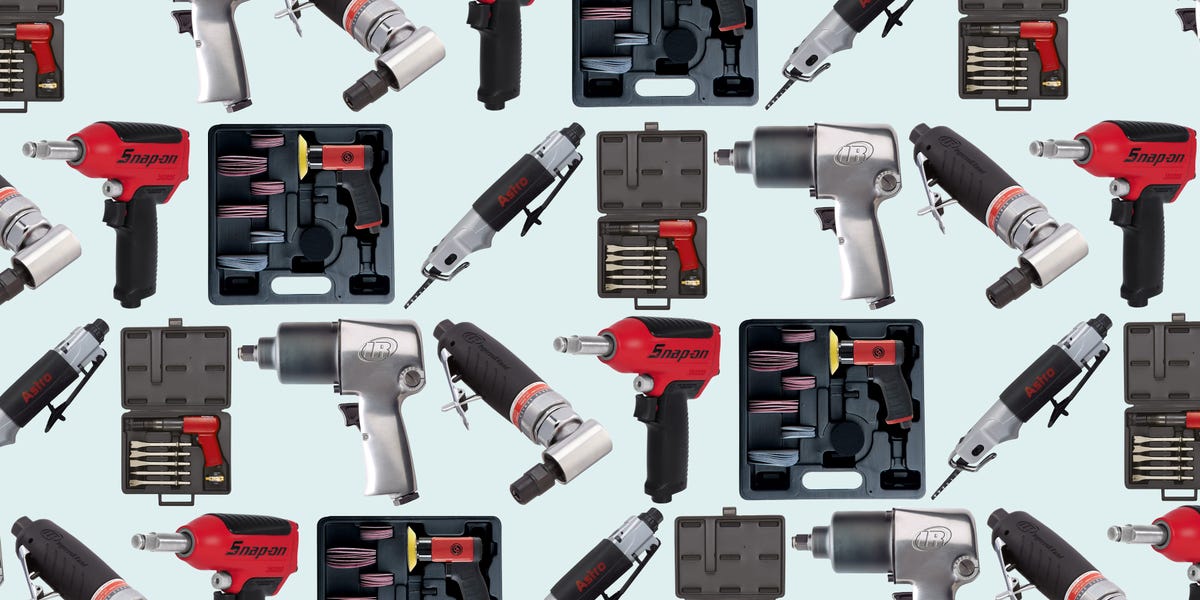
Note: This article is written in original, publication-ready American English and synthesized from current professional tool guidance, trade recommendations, and real-world pneumatic tool use cases.
Air tools are the quiet heroes of the shopwell, “quiet” may be generous if you have ever stood next to an impact wrench removing lug nuts like it has a personal grudge. But in professional garages, construction sites, cabinet shops, body shops, and serious home workshops, pneumatic tools still earn their space. Battery tools have gotten impressively powerful, but compressed air remains a favorite where speed, durability, lighter tool weight, and all-day runtime matter.
The best air tools are not just about raw power. Pros care about torque, air consumption, ergonomics, trigger control, serviceability, hose management, and whether the tool still behaves after being dropped, dragged, oiled, ignored, and asked to work overtime on a Friday afternoon. A good pneumatic tool should feel like an extra handnot a tiny metal jackhammer trying to leave your wrist and start its own business.
This guide breaks down the 12 best air tools recommended by pros, including automotive staples, woodworking essentials, metalworking workhorses, and finishing tools. Whether you are building a serious garage setup or upgrading your shop one smart purchase at a time, these are the pneumatic tools that consistently prove their worth.
Why Pros Still Recommend Air Tools
Professional mechanics, remodelers, carpenters, fabricators, and finishers still rely on air tools because compressed air delivers excellent power-to-weight performance. A pneumatic impact wrench can remove stubborn fasteners without carrying a heavy battery pack. A framing nailer can fire nail after nail with fast recovery. An air sander can run through long surface-prep sessions without overheating like some electric tools.
Air tools also tend to be simpler internally than many battery-powered tools. That does not mean they are indestructiblenothing is, except maybe the old coffee mug in a mechanic’s baybut it does mean many pneumatic tools are easier to maintain, rebuild, and keep in service for years.
Before Buying: Match the Tool to Your Compressor
Here is the rule that saves money and frustration: your air tool is only as good as the compressor feeding it. Nailers can usually run on smaller compressors because they need short bursts of air. Sanders, grinders, and spray guns demand more continuous airflow, measured in CFM. Impact wrenches and air hammers sit somewhere in the middle depending on how aggressively you use them.
Also consider PSI, tank size, hose diameter, couplers, filtration, and lubrication. A pro-grade tool connected to a tiny compressor through a restrictive hose is like putting racing tires on a shopping cart. Technically interesting, practically disappointing.
The 12 Best Air Tools Recommended by the Pros
1. Air Impact Wrench
If there is one air tool that screams “professional garage,” it is the air impact wrench. Mechanics use it for lug nuts, suspension bolts, engine work, heavy equipment repair, and fasteners that clearly skipped leg day and chose arm wrestling instead.
A quality 1/2-inch pneumatic impact wrench delivers high breakaway torque, fast removal speed, and less user fatigue than many heavy cordless models. For automotive shops, tire service, farm equipment, and fleet maintenance, this tool is almost mandatory. Pros usually look for a twin-hammer mechanism, adjustable power settings, a comfortable grip, and strong torque without excessive vibration.
Best for: Automotive repair, tire changes, suspension work, equipment maintenance.
Pro tip: Use impact-rated sockets only. Chrome hand sockets can crack under impact force, and nobody wants a socket becoming garage confetti.
2. Air Ratchet Wrench
An air ratchet is not designed to replace an impact wrench. Instead, it shines in tight spaces where speed matters more than brute force. Mechanics use air ratchets for engine bays, interior panels, brackets, covers, and repeated fastener work where a manual ratchet would turn your wrist into cooked spaghetti.
The best air ratchets are compact, smooth, and easy to control. A 3/8-inch drive model is the most versatile for general shop use, while 1/4-inch mini air ratchets are excellent for dashboard work, small engines, and delicate assemblies.
Best for: Tight-space fastening, engine work, assembly, maintenance tasks.
Pro tip: Break stubborn bolts loose manually first, then let the air ratchet spin them out quickly.
3. Pneumatic Framing Nailer
For framing walls, building decks, adding room additions, or tackling structural carpentry, a pneumatic framing nailer is one of the biggest time-savers on the jobsite. It drives large nails quickly and consistently, making it a favorite among builders and remodelers.
Pros like pneumatic framing nailers because they are usually lighter than cordless models and can run all day as long as the compressor keeps up. Look for tool-free depth adjustment, reliable jam clearing, a comfortable grip, and compatibility with the nail angle you plan to use.
Best for: Framing, sheathing, decks, fences, subfloors, structural carpentry.
Pro tip: Choose nails that match your nailer’s collation angle and local building code requirements.
4. Brad Nailer
A brad nailer is the trim carpenter’s best friend. It fires small 18-gauge brads that hold delicate trim without leaving giant holes. If a framing nailer is a sledgehammer in a tuxedo, a brad nailer is a fountain pen with a compressor hose.
Pros use brad nailers for baseboards, casing, small molding, cabinet details, decorative trim, and light woodworking. Pneumatic brad nailers remain popular because they are lightweight, affordable, and precise. They also make finish work faster while reducing the chance of splitting thin material.
Best for: Trim, molding, cabinetry, small woodworking projects, decorative details.
Pro tip: Keep a nail set and wood filler nearby. Even the cleanest brad nail hole deserves a little cosmetic attention.
5. Finish Nailer
A finish nailer is the stronger cousin of the brad nailer. It typically shoots 15- or 16-gauge nails, giving it more holding power for thicker trim, door casings, crown molding, stair parts, and built-ins.
Professional carpenters often keep both a brad nailer and a finish nailer because they solve different problems. The brad nailer is for delicate work. The finish nailer is for pieces that need more grip. Trying to use one for everything is like wearing flip-flops to both the beach and a roofing jobpossible, but questionable.
Best for: Crown molding, door trim, window casing, stair trim, built-ins.
Pro tip: Use the depth adjustment to avoid overdriving nails into soft wood or underdriving them in dense hardwood.
6. Air Die Grinder
The air die grinder is a small tool with a big personality. Fabricators, mechanics, welders, and body shop technicians use it for grinding, deburring, gasket removal, porting, polishing, and cleaning metal surfaces.
There are straight die grinders and right-angle die grinders. Straight models are great for reaching into open areas, while right-angle versions work beautifully in tight spots. Pros value die grinders because they spin fast, are relatively compact, and pair with many attachments, including carbide burrs, abrasive stones, sanding discs, and surface-conditioning pads.
Best for: Metal shaping, weld cleanup, gasket removal, deburring, polishing.
Pro tip: Wear eye protection. A die grinder throws debris with enthusiasm, and enthusiasm is not always your friend.
7. Air Angle Grinder
An air angle grinder is built for more aggressive grinding, cutting, and surface prep. In fabrication shops and repair bays, it handles rust removal, weld smoothing, metal cleanup, and cutting tasks when fitted with the proper wheel.
Compared with electric grinders, pneumatic angle grinders can be lighter and easier to control during long work sessions. However, they require a compressor with enough airflow. This is not the tool to pair with a tiny pancake compressor unless your hobby is waiting.
Best for: Metal fabrication, rust removal, weld cleanup, cutting, surface prep.
Pro tip: Always match the wheel rating to the grinder speed. Overspeeding abrasive wheels is dangerous and unnecessary.
8. Pneumatic Air Hammer
The air hammer is the tool professionals reach for when something is stuck, rusted, seized, or generally being rude. It uses rapid chisel action to cut, separate, loosen, punch, and persuade metal parts.
Automotive technicians use air hammers for ball joints, exhaust work, bushings, panels, rivets, and stubborn hardware. Body shops use them with panel cutters and shaping tools. The best air hammers offer strong impact force, good trigger control, and a quick-change retainer for bits.
Best for: Automotive repair, exhaust work, suspension jobs, metal cutting, rivet removal.
Pro tip: Let the tool do the work. Pushing harder usually adds fatigue, not results.
9. Air Cut-Off Tool
An air cut-off tool is a compact cutting machine used for slicing bolts, sheet metal, exhaust clamps, brackets, and small metal stock. It is especially handy where a larger grinder cannot fit.
Pros like air cut-off tools because they are lightweight, fast, and precise for controlled cuts. Body shops, exhaust shops, mechanics, and metalworkers all keep one nearby. The tool is simple, but the wheel choice matters. Use quality cut-off discs and let them cut at their own pace.
Best for: Cutting bolts, brackets, sheet metal, exhaust parts, small fabrication work.
Pro tip: Do not twist the disc while cutting. Thin wheels dislike side pressure and will complain dramatically.
10. Random Orbital Air Sander
If you do bodywork, cabinetry, refinishing, or serious woodworking, a random orbital air sander earns its keep quickly. It removes material evenly while reducing swirl marks, making it a favorite for surface preparation.
Professional body shops often prefer pneumatic sanders because they are lightweight, durable, and comfortable during long sanding sessions. Woodworkers use them for smoothing panels, tabletops, doors, and furniture parts. The key is airflow: sanders are air-hungry tools and require a compressor that can deliver steady CFM.
Best for: Auto body work, woodworking, refinishing, paint prep, surface smoothing.
Pro tip: Use dust extraction whenever possible. Sanding dust is not seasoning for your lungs.
11. HVLP Spray Gun
An HVLP spray gunhigh volume, low pressureis one of the most valuable air tools for finishing. Pros use spray guns for automotive paint, furniture finishing, cabinet coatings, primers, sealers, stains, and clear coats.
The appeal is control. A good HVLP gun can produce a smooth, even finish with less overspray than older spray systems. However, spray guns demand clean, dry air. Water in the line can ruin a finish faster than a cat walking across wet paintand with less dignity.
Best for: Painting, cabinet finishing, furniture refinishing, automotive coatings, clear coats.
Pro tip: Use a moisture separator and filter. Clean air is not optional for quality finishing.
12. Air Blow Gun and Inflation Kit
The humble blow gun may not look glamorous, but pros use it constantly. It clears dust, dries parts, cleans workbenches, blows chips away from machinery, and helps with general shop cleanup. Add an inflation kit, and the compressor becomes useful for tires, sports equipment, air mattresses, and pressure checks.
This is often the first air accessory a new compressor owner buys and the one they keep using forever. It is simple, affordable, and surprisingly helpful. In tool terms, it is the shop equivalent of duct tape: not fancy, but always invited.
Best for: Cleaning, drying, dust removal, tire inflation, general shop use.
Pro tip: Use OSHA-compliant safety nozzles where required and avoid blowing debris toward people, pets, or open containers of mystery garage liquid.
How to Choose the Best Air Tools for Your Shop
Check Air Consumption First
Every pneumatic tool lists air requirements, usually in CFM at a given PSI. Nailers use short bursts, while sanders, grinders, and spray guns need continuous air. If your compressor cannot keep up, the tool will slow down, lose power, or perform inconsistently.
Consider Tool Weight and Grip
Pros spend hours holding tools, so comfort matters. A lighter body, rubberized grip, balanced design, and smooth trigger can make a major difference during repetitive work.
Buy for the Work You Actually Do
It is tempting to buy every shiny pneumatic tool in sight. Resist the tool aisle siren song. Start with the air tools that match your real projects. Automotive work? Impact wrench, ratchet, air hammer, die grinder. Carpentry? Framing nailer, finish nailer, brad nailer. Finishing? Sander and HVLP spray gun.
Do Not Ignore Air Quality
Moisture, dirt, and poor lubrication shorten tool life. Use filters, regulators, moisture separators, and proper air tool oil when needed. A few drops of oil can save a tool from an early retirement speech.
Air Tools vs. Cordless Tools: Which Is Better?
The honest answer is that both deserve a place in modern shops. Cordless tools are portable, convenient, and getting better every year. They are excellent for quick repairs, jobsite mobility, and work far from a compressor.
Air tools still win in many professional environments where tools run repeatedly for long periods. They are often lighter, cooler-running, and cost-effective once you already own a compressor. Pneumatic nailers remain popular in construction, air sanders are still loved in body shops, and impact wrenches continue to dominate many tire and repair bays.
For most pros, the best setup is not air versus cordless. It is air plus cordless. Use cordless tools where mobility matters. Use air tools where speed, endurance, and power-to-weight performance matter.
Essential Accessories for Better Air Tool Performance
Buying the tool is only half the story. To get professional results, you need the right accessories. A quality air hose reduces pressure drop. High-flow couplers help demanding tools breathe better. A regulator lets you dial in the correct PSI. A moisture separator protects spray finishes and internal components. Inline oilers can help tools that need steady lubrication.
Storage matters too. Keep air tools clean, lightly oiled, and protected from dust. Drain the compressor tank regularly to reduce moisture buildup. Replace worn fittings before they leak. A tiny leak may seem harmless, but compressors do not enjoy working overtime because a five-dollar coupler gave up on life.
Safety Tips Pros Actually Follow
Air tools are powerful, and powerful tools deserve respect. Always wear safety glasses. Use hearing protection with impact tools, grinders, air hammers, and sanders. Disconnect the air supply before changing bits, blades, wheels, nails, or attachments. Keep hands away from moving parts and never point nailers, blow guns, or air nozzles at people.
For grinders and cut-off tools, inspect wheels before use and confirm they are rated for the tool speed. For nailers, understand the firing mode and keep your free hand away from the nailing path. For spray guns, work in a well-ventilated area and use the proper respirator for the coating. Safety gear is cheaper than medical bills and much easier to store.
Real-World Experience: What Pros Learn After Using Air Tools for Years
Ask experienced mechanics, carpenters, and shop owners about air tools, and you will hear a few lessons repeated again and again. The first lesson is simple: buy enough compressor. Many beginners purchase a small compressor because it is affordable and easy to carry, then wonder why their sander acts tired after thirty seconds. Small compressors are fine for brad nailers, inflation, and light use. They are not ideal for continuous-duty tools like grinders, sanders, and spray guns.
The second lesson is that fittings matter more than people expect. A powerful impact wrench connected through a restrictive hose and cheap coupler may feel weak. Pros often upgrade to better hoses, high-flow fittings, and properly sized lines before blaming the tool. Airflow is like traffic: one bottleneck can ruin the whole commute.
The third lesson is maintenance. Pneumatic tools are tough, but they are not magical. A few drops of oil, clean dry air, and proper storage can extend tool life dramatically. Many “bad” air tools are actually neglected air tools. Dirt, moisture, and dry internal vanes can make a good tool feel lazy. Treat the tool well, and it will usually return the favor.
The fourth lesson is tool selection. Professionals do not always buy the most powerful model. They buy the tool that fits the job. A giant impact wrench is excellent for heavy truck work but clumsy for smaller automotive repairs. A compact air ratchet may not win a torque contest, but it can save huge amounts of time in tight spaces. The best air tool is not always the biggest beast on the shelf; sometimes it is the one that fits between the firewall and the bolt that was clearly installed by a person with tiny robot hands.
Carpenters learn a similar lesson with nailers. A framing nailer is wonderful for structural work, but it is not the tool for delicate trim. A brad nailer leaves small holes, but it may not hold heavy casing securely. A finish nailer provides more strength, but it can split narrow trim if used carelessly. Pros choose nail size and tool type based on material, holding power, and appearance.
Body shop technicians often swear by air sanders because of comfort and consistency. Long sanding sessions expose the difference between a balanced tool and a bargain-bin wrist shaker. A good sander feels smoother, tracks better, and helps create a cleaner surface before paint. In finishing work, the spray gun teaches patience. Air pressure, fluid control, fan pattern, temperature, humidity, and surface prep all matter. A spray gun will not hide bad prep; it will politely make it shiny and obvious.
Another practical experience: hoses are part of the tool system. Long hoses are convenient, but too much length or too small a diameter can reduce performance. Hose reels keep shops tidy, but they should be sized correctly. Pros also learn to manage hoses so they do not drag across fresh paint, finished wood, or the one fragile part on the bench. Somehow, hoses always find the worst possible path unless supervised.
Finally, air tools reward planning. Set the compressor pressure correctly, choose the right accessory, keep safety gear nearby, and organize fittings so you are not hunting for a coupler while the project stares at you judgmentally. When the system is set up well, pneumatic tools feel fast, reliable, and professional. That is why, even in the age of impressive cordless technology, compressed air still has a reserved parking spot in serious workshops.
Conclusion
The best air tools recommended by pros are the ones that save time, improve control, and survive real work. For automotive repair, start with an air impact wrench, air ratchet, air hammer, die grinder, and cut-off tool. For woodworking and construction, a framing nailer, brad nailer, and finish nailer are shop-changing upgrades. For finishing and surface prep, an air sander and HVLP spray gun can deliver professional results when matched with clean, steady air.
Air tools are not old-fashioned; they are specialized, efficient, and still incredibly useful. Build your setup around your projects, compressor capacity, and work style. Choose wisely, maintain the tools properly, and your pneumatic setup will keep earning its keepone bolt, nail, sanding pass, and blast of compressed air at a time.