Target heart rate in pregnancy sounds like it should be a neat little number you can write on a sticky note, slap on your water bottle, and obey like fitness law. Unfortunately, pregnancy did not receive the memo about neat little numbers. Your heart is working harder, your blood volume is changing, your breathing feels different, and your body may respond to the same workout very differently from one trimester to the next.
So, what heart rate should you aim for while exercising during pregnancy? The most useful answer is: not one universal number. For most healthy pregnant people, safe exercise intensity is better measured by how you feel, whether you can talk, your fitness level before pregnancy, and any medical guidance from your OB-GYN or midwife. A heart-rate monitor can still be helpful, but it should be treated like a dashboard light, not a bossy tiny coach on your wrist.
This guide explains how to think about pregnancy exercise heart rate, why the old “140 beats per minute” rule is outdated, how to use the talk test, and when to slow down or call your healthcare provider.
What Is a Target Heart Rate?
A target heart rate is a range of heartbeats per minute that reflects a certain exercise intensity. In general adult fitness, moderate-intensity exercise is often estimated at about 50% to 70% of maximum heart rate, while vigorous exercise is often around 70% to 85% of maximum heart rate. Maximum heart rate is commonly estimated as 220 minus your age.
For example, a 30-year-old has an estimated maximum heart rate of about 190 beats per minute. A moderate-intensity range might be roughly 95 to 133 beats per minute. That can be useful for a nonpregnant adult doing a cardio workout. During pregnancy, however, the math becomes less reliable because pregnancy itself changes your cardiovascular system.
Why Heart Rate Changes During Pregnancy
During pregnancy, your body is not just “carrying extra weight.” It is building a temporary life-support system, managing more blood volume, sending oxygen and nutrients to the fetus, and adjusting to hormonal changes. Your heart often beats faster at rest and may climb more quickly during activity than it did before pregnancy.
That means a heart rate that looks “high” compared with your pre-pregnancy workouts may not automatically mean something is wrong. It may simply mean your body is doing pregnancy math, which is apparently written in glitter pen and impossible to fit into one simple equation.
Is There a Safe Target Heart Rate in Pregnancy?
There is no single safe target heart rate for every pregnant person. Older advice often told pregnant people not to let their heart rate rise above 140 beats per minute. Modern guidance has moved away from that strict limit because heart-rate response varies widely based on age, fitness level, trimester, hydration, temperature, stress, sleep, medications, and pregnancy complications.
For many healthy pregnant people, the better goal is moderate-intensity exercise. This usually means you are working hard enough to raise your heart rate and breathing, but not so hard that you cannot speak. Think “I can talk in sentences, but I would not volunteer to sing the national anthem right now.”
The Talk Test: Your Most Practical Pregnancy Fitness Tool
The talk test is simple: while exercising, you should be able to carry on a conversation. If you can talk but not sing, you are likely in a moderate-intensity zone. If you can only gasp out a few words, slow down. If you can sing a full Broadway number, you may be exercising lightlywhich is still fine, especially on days when your energy has packed a suitcase and left town.
How to Use the Talk Test
Try this during a walk, swim, stationary bike session, or prenatal aerobics class:
- Too easy: You can sing comfortably or chat without noticing your breathing.
- Moderate: You can talk in short sentences, but singing would be awkward.
- Too hard: You cannot speak without gasping, feel dizzy, or feel pressure, pain, or unusual discomfort.
The moderate zone is usually the sweet spot for pregnancy workouts. It supports cardiovascular fitness without turning every session into a heroic survival documentary.
How Much Exercise Is Recommended During Pregnancy?
For most generally healthy pregnant people, the standard recommendation is at least 150 minutes of moderate-intensity aerobic activity each week. That can be divided into 30 minutes on five days, three 10-minute walks per day, or shorter sessions that fit your schedule, energy, and bladder negotiations.
If you were active before pregnancy, you may often continue many of your usual workouts with smart modifications. If you were not active before pregnancy, you can usually begin gently, such as walking 5 to 10 minutes a day and gradually building up. Always check with your healthcare provider, especially if you have medical conditions or pregnancy complications.
General Heart Rate Ranges: Helpful, But Not a Pregnancy Prescription
The following table shows general adult moderate-intensity heart-rate estimates. These are not pregnancy-specific limits. Use them only as background information, not as a substitute for your provider’s advice.
| Age | Estimated Max Heart Rate | Approx. Moderate Range, 50%–70% |
|---|---|---|
| 20 | 200 bpm | 100–140 bpm |
| 30 | 190 bpm | 95–133 bpm |
| 35 | 185 bpm | 93–130 bpm |
| 40 | 180 bpm | 90–126 bpm |
During pregnancy, your resting heart rate may be higher than usual, so your exercise heart rate may also look higher. That is why perceived exertion, the talk test, hydration, temperature, and symptoms matter so much.
Best Ways to Monitor Exercise Intensity While Pregnant
1. Use the Talk Test First
If you can talk but not sing, you are probably in a reasonable moderate-intensity range. This is easy, free, and does not require a wearable device that judges you for taking a snack break.
2. Check Perceived Exertion
On a 0-to-10 effort scale, moderate exercise usually feels like a 3 or 4. You are working, but you are not fighting for your life. On the classic 6-to-20 Borg scale, moderate effort is often around 12 to 14, or “somewhat hard.”
3. Use Heart Rate as a Clue, Not a Command
A fitness tracker can help you notice patterns. For example, if your usual walking route suddenly sends your heart rate much higher than normal, it may be time to slow down, hydrate, avoid heat, or call your provider if symptoms appear.
4. Watch the Weather
Heat and humidity can raise heart rate and increase the risk of overheating. Pregnancy already tends to make you warmer, so hot yoga, outdoor workouts in extreme heat, and “I’ll just power through” thinking are best avoided.
5. Respect the Trimester Shift
Your first-trimester workout may not feel the same in the third trimester. That does not mean you are losing fitness. It means your body is doing a major construction project with no quiet hours.
Safe Pregnancy Exercises That Raise Heart Rate Gently
The best pregnancy workouts are usually low-impact, adjustable, and enjoyable enough that you will actually do them. Good options often include:
- Brisk walking
- Swimming or water aerobics
- Stationary cycling
- Low-impact aerobics
- Prenatal yoga
- Prenatal Pilates
- Light to moderate strength training
- Elliptical training at a comfortable pace
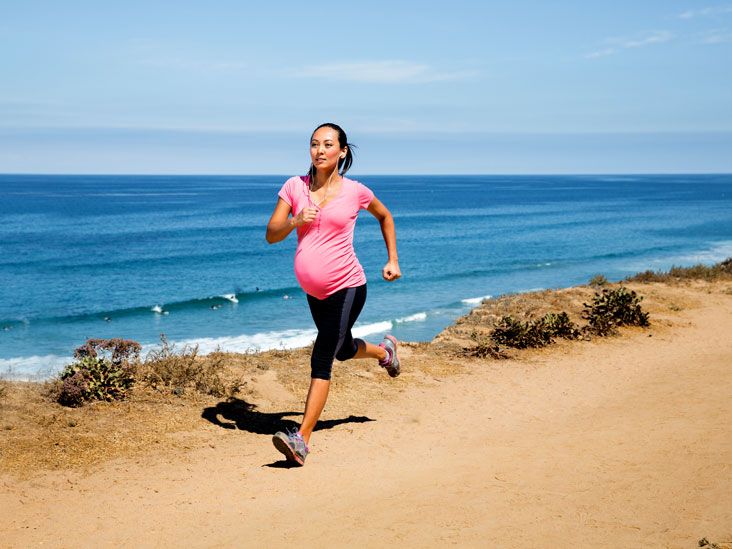
Running may be safe for some pregnant people who ran regularly before pregnancy and have provider approval. The key is not proving anything. Pregnancy is not the season for chasing personal records unless your personal record is “most creative use of pillows during sleep.”
Exercises and Conditions That Need Extra Caution
Some activities are generally discouraged during pregnancy because they raise the risk of falling, abdominal trauma, overheating, or oxygen-related concerns. These include contact sports, downhill skiing, horseback riding, gymnastics, scuba diving, hot yoga, skydiving, and activities with a high fall risk.
After the first trimester, many healthcare professionals recommend avoiding exercises that require lying flat on your back for extended periods, because the weight of the uterus can affect blood flow. Some short, modified movements may be acceptable for certain people, but this is a good area to personalize with a prenatal fitness professional or clinician.
When to Stop Exercising and Call Your Healthcare Provider
Stop exercising and contact your healthcare provider promptly if you experience:
- Vaginal bleeding
- Fluid leaking from the vagina
- Chest pain
- Dizziness or fainting
- Severe shortness of breath before starting exercise or during light activity
- Regular painful contractions
- Calf pain or swelling
- Severe headache
- Muscle weakness that affects balance
- Decreased fetal movement, if you are far enough along to track movement
- Any unusual pain, pressure, or symptoms that feel wrong
Also get individualized advice if you have placenta previa after 26 weeks, preeclampsia, severe anemia, significant heart or lung disease, cervical insufficiency, multiple pregnancy with complications, or any condition your provider says requires activity limits.
Example: What a Moderate Pregnancy Workout Might Look Like
Here is a simple 30-minute pregnancy-friendly cardio session for someone cleared to exercise:
- 5 minutes: Easy warm-up walk or slow stationary cycling.
- 15–20 minutes: Moderate pace where talking is possible but singing is not.
- 3–5 minutes: Slow down gradually.
- 2–5 minutes: Gentle stretching, hydration, and a quick body check.
If 30 minutes feels like too much, split it into three 10-minute sessions. The body does not demand that all exercise arrive in one dramatic package with inspirational music.
Target Heart Rate by Trimester: Should It Change?
There is no official universal target heart rate by trimester. However, your workout intensity often needs to become more flexible as pregnancy progresses. In the first trimester, nausea and fatigue may be the main barriers. In the second trimester, energy may improve, but balance starts to shift. In the third trimester, breathing, pelvic pressure, back discomfort, and belly size can make lower-impact movement more comfortable.
Instead of asking, “What heart rate should I hit this trimester?” ask, “Can I move safely, breathe comfortably, stay cool, hydrate well, and recover normally afterward?” That question is much more useful.
Can Your Heart Rate Get Too High During Pregnancy?
Yes, exercise can become too intense during pregnancy, but the warning sign is not always a specific number. A high heart rate paired with dizziness, chest pain, shortness of breath, contractions, overheating, or feeling faint is a reason to stop. A number that is higher than usual but comes with comfortable breathing, normal conversation, and no symptoms may simply reflect normal pregnancy changes.
This is why your personal baseline matters. A trained runner, a beginner, a person carrying twins, and a person with anemia may all respond differently to the same treadmill speed.
Tips for Staying in a Safe Pregnancy Exercise Zone
- Warm up and cool down slowly.
- Drink water before, during, and after exercise.
- Avoid exercising in extreme heat or humidity.
- Wear supportive shoes and comfortable clothing.
- Choose stable surfaces to reduce fall risk.
- Eat enough to support pregnancy and activity.
- Stop before exhaustion, not after it.
- Check in with your provider if your workout suddenly feels much harder than usual.
Real-Life Experiences With Target Heart Rate in Pregnancy
Many pregnant people begin with the same question: “How high is too high?” The more practical experience is often learning that pregnancy exercise is less about hitting a perfect heart-rate number and more about reading the whole body. One person may find that a pre-pregnancy jogging pace now sends their heart rate soaring, while a slower jog-walk pattern feels great. Another may discover that swimming feels magical because the water supports the belly, lowers joint strain, and makes movement feel less like hauling a watermelon through gravity.
A common experience is that the same activity feels different from week to week. A 25-minute walk may feel easy on Monday and oddly difficult on Thursday. That does not automatically mean something is wrong. Sleep, hydration, nausea, stress, weather, and normal pregnancy changes all affect heart rate. A smart approach is to keep a loose log: activity, duration, heart rate if available, perceived effort, symptoms, and recovery. Over time, patterns become clearer. Maybe your heart rate spikes on hot afternoons. Maybe stairs feel harder after poor sleep. Maybe your body prefers shorter morning walks. This information is useful without. This information is useful without turning exercise into a science fair project.
Some people also learn to stop comparing pregnancy workouts with pre-pregnancy workouts. That comparison can be unfair. Before pregnancy, a moderate workout may have meant a fast spin class or a strong run. During pregnancy, moderate may mean a brisk walk, light resistance circuit, or water aerobics class. The goal is not to “win” pregnancy fitness. The goal is to support circulation, strength, mood, sleep, healthy weight gain, and confidence while respecting what your body is doing.
Another real-world lesson: wearables are helpful but imperfect. A watch may report a surprisingly high heart rate during an easy walk, especially if the band is loose, your skin is sweaty, or your arm movement confuses the sensor. If the number seems strange, pause and check your body. Can you talk? Are you dizzy? Do you have chest pain, contractions, or unusual shortness of breath? If you feel fine, adjust the device and continue gently. If you feel wrong, stop and contact your provider.
Pregnancy also teaches the value of permission. Permission to slow down. Permission to switch from running to walking. Permission to take breaks. Permission to count 10 minutes as worthwhile. Permission to hydrate dramatically, like a wellness influencer with a very large bottle. These small choices are not failures; they are intelligent adjustments.
The most reassuring experience many pregnant people have is discovering that exercise does not need to be extreme to be effective. A steady walk, a pool session, or a prenatal strength routine can improve energy, reduce stiffness, and provide a mood boost. The best target heart rate in pregnancy is not a magic number. It is the range where movement feels safe, sustainable, and supportiveand where you can still say, “Yes, I can talk, but please do not make me sing.”
Conclusion
Target heart rate in pregnancy is best understood as a flexible guide, not a rigid rule. For most healthy pregnant people, moderate-intensity exercise is safe and beneficial, and the talk test is often more useful than chasing a single beats-per-minute target. If you can talk but not sing, feel steady, stay hydrated, avoid overheating, and recover well, you are likely exercising at a reasonable level.
Use heart-rate data as one piece of the puzzle. Combine it with perceived exertion, symptoms, trimester changes, fitness history, and medical guidance. And if something feels offchest pain, dizziness, bleeding, fluid leakage, contractions, severe shortness of breath, or decreased fetal movementstop exercising and call your healthcare provider.