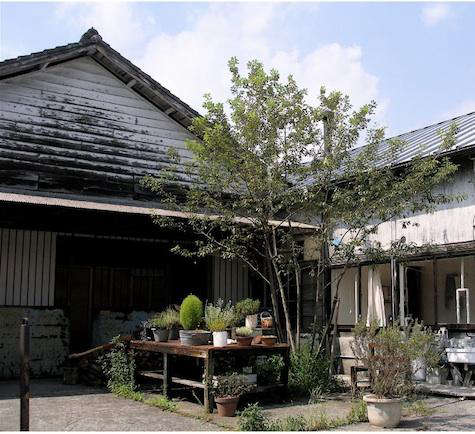
Tokyo has many places where shopping feels like cardio with receipts. Department stores rise like polished spaceships, vintage boutiques hide behind narrow staircases, and somewhere between a quiet residential lane and a design lover’s daydream sits the memory of Tamiser Antiques in Tokyo. For people who love antiques, craft, old tools, handmade objects, and interiors that whisper instead of shout, Tamiser has long carried the aura of a shop that does not simply sell things. It edits them. It listens to them. It asks, very politely, whether a cracked plate might have more soul than a perfect one.
The name “Tamiser” comes from a French verb meaning “to sift.” That single word tells you almost everything about the store’s philosophy. Instead of piling up old objects and hoping visitors enjoy the treasure hunt, Tamiser became known for careful selection: Japanese and European antiques, rustic artifacts, everyday tools, pottery, wooden furniture, glass vessels, religious figures, books, and humble items that look as if they have survived time by being useful, beautiful, or stubborn. In the best possible way, Tamiser feels like the opposite of algorithmic shopping. No flashing “limited-time offer.” No neon sign screaming “authentic.” Just quiet objects with excellent posture.
Although many international design fans still search for “Tamiser Antiques in Tokyo,” the story is slightly more layered. Antiques Tamiser opened in Motoazabu in 2001, later moved to Ebisu, and became one of Tokyo’s most admired small antique shops. After years in the capital, the Tamiser world shifted strongly toward Kuroiso in Tochigi Prefecture, where the shop’s sensibility continues in a calmer setting. Still, the Tokyo chapter matters. It shaped the way many travelers, designers, collectors, and slow-living enthusiasts think about antique shopping in Japan: less as consumption, more as conversation.
Why Tamiser Antiques Became a Quiet Tokyo Legend
Some shops become famous because they are huge. Tamiser became memorable because it was precise. Its Ebisu location had the kind of restraint that makes a visitor slow down automatically. Large windows, natural light, rough textures, old wood, muted ceramics, and objects from various countries created an atmosphere that felt more like a private study than a standard retail store. The shop did not need to overwhelm people with inventory. It understood that one weathered table, placed correctly, can say more than thirty shiny pieces shouting over each other like relatives at Thanksgiving.
Owner Shotaro Yoshida has often been associated with a highly personal eye for objects. That eye is the heart of Tamiser. The shop’s selections were not arranged only by age, price, or category. They were chosen for mood, use, proportion, surface, and presence. A white French plate with knife marks could sit near a Japanese tool, a rustic wooden table, or a glass vessel by an artist such as Peter Ivy. The result was not a museum display, because museum displays usually suggest, “Please admire from a safe distance.” Tamiser suggested something warmer: “Imagine living with this.”
The Meaning of “Sifted” Objects
To sift is to separate what matters from what merely takes up space. In cooking, sifting flour makes it lighter. In design, sifting taste makes a room breathe. Tamiser’s identity rests on this act of refinement. The objects were not always rare in the loud auction-house sense. They were rare because they had passed through a thoughtful filter. The store’s appeal came from the feeling that every piece had survived a long audition.
This is especially important in Tokyo, where visual culture can be intensely fast, bright, and trend-driven. Tamiser offered another rhythm. Its antiques asked visitors to notice small details: the edge of a plate, the grain of a table, the cloudy transparency of handblown glass, the shadow under a chair, the patina on a religious figure, the way a tool reveals the hand that once used it. These are not objects that beg for attention. They wait. Then they win.
Ebisu: The Right Neighborhood for a Store Like Tamiser
Ebisu has always been a good fit for thoughtful shopping. Located just south of Shibuya and near Daikanyama and Nakameguro, it combines residential calm with refined restaurants, galleries, boutiques, and design-minded retail. Unlike the electric rush of Shinjuku or the luxury theater of Ginza, Ebisu feels walkable, relaxed, and quietly stylish. It is the sort of neighborhood where you can buy a beautiful object, have coffee, reconsider your entire apartment, and then pretend you only came for lunch.
That atmosphere helped Tamiser become more than a place to browse antiques. It became part of a larger Tokyo design route. Visitors interested in interiors could move between shops, galleries, cafés, bookstores, and small restaurants, building a day around looking closely. In that context, Tamiser’s strength was not only its merchandise but also its pacing. You did not rush through it. You entered, adjusted your eyes, and let the room teach you how to look.
What Kind of Antiques Did Tamiser Offer?
Tamiser’s Tokyo-era reputation centered on a beautifully irregular mix: antique wooden tables, simple pottery, rustic artifacts, glassware, rare books, light fixtures, old tools, and objects gathered from Japan and Europe. The collection avoided the stiff feeling that sometimes haunts antique shops, where every object looks terrified of fingerprints. Tamiser’s pieces often carried the dignity of use. They looked like they had held meals, light, work, dust, and time.
Pottery and Everyday Vessels
One of the most charming aspects of Tamiser’s philosophy is the attention to everyday vessels. A plate is not just a plate. It is a stage for food, a record of meals, a shape that lives in the hand. Tamiser’s approach encouraged people to choose ceramics and tableware not only by maker, period, or value, but by the simple question: “What would I want to put on this?” That question is wonderfully practical. It saves us from buying a dish that looks noble on a shelf but panics when asked to hold roasted vegetables.
Wood, Furniture, and Texture
Old wood played a major role in Tamiser’s appeal. Antique tables, stools, shelves, and rough-hewn furniture can change the emotional temperature of a room. In modern apartments full of clean lines and smooth surfaces, one old wooden piece can provide balance. It brings warmth without needing to wear a tiny sweater. Tamiser understood this balance well: rustic does not have to mean messy, and minimal does not have to mean cold.
Glass by Peter Ivy and the Beauty of Transparency
Tamiser also became linked in design circles with glass pieces by Peter Ivy, an American-born glass artist based in Japan. Ivy’s work is known for clarity, function, and quiet form. His vessels often feel both modern and timeless, as if they belong equally in a rural Japanese kitchen, a Tokyo apartment, or the home of someone who claims they “just need one more carafe” but clearly needs adult supervision in glass shops. In Tamiser’s world, such glass sat naturally beside older objects, proving that handmade contemporary craft can converse beautifully with antiques.
Tamiser and Japanese Interior Design Sensibility
To understand Tamiser Antiques in Tokyo, it helps to understand a broader Japanese design instinct: the ability to value imperfection, use, season, and quietness. This does not mean every Japanese interior looks like a tea room or that every antique must be dramatically weathered. It means that many design-minded spaces in Japan are comfortable with restraint. The best rooms often leave enough silence for an object to speak.
Tamiser’s aesthetic fits into that tradition while also reaching beyond it. Its mix of Japanese and European objects created an international language of patina. A French plate, a Japanese tool, a Belgian flea-market vessel, a wooden bench, and handblown glass could all share the same room because they shared a similar honesty. They were not trying too hard. They had texture, history, and proportion. They looked as though they had been chosen by someone who trusted quiet things.
Why Designers Loved Tamiser
Interior designers, stylists, architects, and magazine editors tend to notice shops like Tamiser because they solve a problem that new furniture cannot always solve. New pieces can provide function, comfort, and polish. Antiques provide memory. A room filled only with new objects can feel efficient but emotionally undercooked. Add one old table, one handmade bowl, or one lamp with a little age, and suddenly the room has a past. It may be a mysterious past, but that is part of the fun.
Tamiser’s influence also extended into space design. The shop’s spare, atmospheric style was associated with interiors that used simple furniture, collected objects, and natural textures to create mood. This kind of design is not about decorating every inch. It is about editing until what remains feels inevitable. That is much harder than it looks. Anyone can fill a room. Tamiser showed how to leave room for breathing.
How to Shop the Tamiser Way
Even if you are not standing inside the original Ebisu shop, you can still shop with the Tamiser mindset. First, look for objects that improve with attention. A good antique should not reveal everything in three seconds. It should have surfaces, weight, repairs, traces, and questions. Second, consider use. If you buy a vessel, imagine food in it. If you buy a stool, imagine where it will sit. If you buy a wooden box, imagine what it will hold. Antiques become more meaningful when they reenter daily life instead of becoming decorative hostages.
Third, avoid buying only because something is old. Age is not a personality. Some old objects are dull, and some new handmade objects have enormous soul. Tamiser’s genius was never about age alone. It was about selection. The right object has tension: beauty and practicality, roughness and grace, humility and presence. When you find that balance, you do not need a sales pitch. The object has already started moving into your imagination and rearranging the furniture.
Planning a Tokyo Antique-Inspired Day
For travelers inspired by Tamiser Antiques in Tokyo, a good itinerary begins with neighborhoods rather than checklists. Ebisu remains a strong starting point because of its mix of shops, cafés, restaurants, galleries, and access to Daikanyama and Nakameguro. Spend the morning walking slowly, not sprinting from pin to pin like a tourist with a spreadsheet and low blood sugar. Visit small boutiques, look for ceramics, browse bookstores, and notice how Tokyo retailers use lighting and negative space.
Then expand toward other antique and vintage areas. Tokyo has outdoor antique markets, design shops, secondhand bookstores, and specialty dealers scattered across the city. The experience changes depending on where you go. A curated shop may offer fewer objects but more confidence. A market may require more patience but reward you with surprise. Both experiences are valuable. The Tamiser lesson is to keep your eye active: do not just hunt for bargains, hunt for feeling.
The Difference Between Collecting and Accumulating
Tamiser also teaches an important lesson for anyone who loves old objects: collecting is not the same as accumulating. Accumulating says, “I bought seven bowls because they were there.” Collecting says, “I chose this bowl because it changes how breakfast feels.” The first fills shelves. The second builds a life with better shelves.
Good antique shopping requires restraint. That can be painful. Nobody enjoys leaving behind a beautiful object, especially when it seems to whisper, “Take me home; your carry-on has room.” But restraint is what gives a collection shape. Tamiser’s own curation demonstrated that the space between objects matters as much as the objects themselves. In a world of endless shopping tabs, that idea feels almost radical.
Why Tamiser Still Matters
The continuing interest in Tamiser Antiques in Tokyo proves that memorable shops can outlive addresses. People remember how a place made them look. Tamiser’s Tokyo chapter became beloved not simply because it offered antiques, but because it modeled a way of seeing. It treated ordinary objects as worthy of attention. It showed that beauty can be quiet, useful, scratched, repaired, and still completely magnetic.
Today, as more people seek sustainable interiors, vintage furniture, handcrafted tableware, and slower shopping habits, Tamiser’s philosophy feels especially relevant. Buying antiques is not automatically sustainable, tasteful, or meaningful. But buying fewer, better, longer-lasting objects can be. Choosing a plate you will use for twenty years is different from buying a trendy item that will look exhausted by next spring. Tamiser’s world encourages patience, and patience is a rare luxury that does not require a luxury logo.
Experiences Related to Tamiser Antiques in Tokyo
Imagine arriving in Ebisu on a clear afternoon, the kind of Tokyo day when the city seems to have been polished overnight. The station is busy, but not aggressively so. Office workers move with purpose, couples drift toward cafés, and somewhere nearby someone is probably taking a photo of a dessert that has better lighting than most movie stars. You turn away from the obvious noise and begin walking into quieter streets. This is the correct emotional temperature for discovering a shop like Tamiser.
The first experience is visual adjustment. A visitor used to bright retail displays may need a moment to understand the room. Tamiser-style shopping does not throw products at your eyes. It invites your eyes to come closer. You notice a table first, then the shadow under it, then the vessel on top, then the tiny unevenness in the vessel’s rim. Nothing is trying to become a social media background, which ironically makes everything more memorable. The room feels edited, but not sterile. It has the calm confidence of someone who owns one perfect coat and never panics before leaving the house.
The second experience is tactile imagination. Even if you do not touch every object, you begin to feel them mentally. A wooden surface looks dry, dense, and warm. A white plate seems heavy enough to survive both soup and family drama. A glass bottle catches light in a way that makes ordinary water look like it has been promoted. This is where antique shopping becomes personal. You are not merely asking, “What is this?” You are asking, “Could this belong in my daily rhythm?”
The third experience is the strange humility of old things. In many modern stores, products look desperate to be chosen. In a Tamiser-like environment, the objects appear comfortable with themselves. A chipped bowl does not apologize. A worn table does not explain. A religious statue, an old tool, or a stack of rare books can carry silence without becoming gloomy. These things have already lived. Your decision is not whether to rescue them, but whether to continue the story with respect.
The fourth experience comes after leaving. You may not buy anything, and that is perfectly fine. In fact, some of the best antique shop visits end with empty hands and a newly sharpened eye. Suddenly, at dinner, you notice the shape of the plate. Back at your hotel, you notice the grain of the desk. At home, weeks later, you may look at your own shelves and realize they are full but not necessarily alive. That is the quiet power of a place like Tamiser: it follows you around without needing a shopping bag.
For travelers, the best practical advice is simple. Visit antique shops when you have time, not when you are squeezed between three temples, two ramen stops, and a train you absolutely cannot miss. Bring curiosity, patience, and measurements if you are serious about furniture. For smaller objects, think about customs rules, packing, and whether the item can survive your suitcase. A beautiful old plate deserves better than being wrapped in one T-shirt and hope. Most importantly, buy what you genuinely want to live with. The most Tamiser-like purchase is not the rarest object in the room. It is the one that makes your everyday life feel more carefully chosen.
Conclusion
Tamiser Antiques in Tokyo remains a meaningful reference point for anyone interested in Japanese antique shops, curated interiors, vintage furniture, handmade vessels, and slow design. Its story begins in Tokyo, matures through Ebisu, and continues through a broader world of thoughtfully selected objects. What makes Tamiser special is not merely the inventory, but the philosophy behind it: sift carefully, look deeply, live with objects that reward attention.
In a culture where shopping often moves too fast, Tamiser reminds us that the best objects do not always shout. Some wait quietly in a patch of natural light, wearing their scratches like medals, ready to turn an ordinary room into a place with memory. That may be the real magic of antiques. They do not just decorate a home. They teach it how to age gracefully.
Note: This article is based on publicly available information about Tamiser’s Tokyo-era history, design reputation, and later relocation context. Readers should verify current hours and location details before planning a visit, because small independent shops can change schedules, addresses, or operating formats.