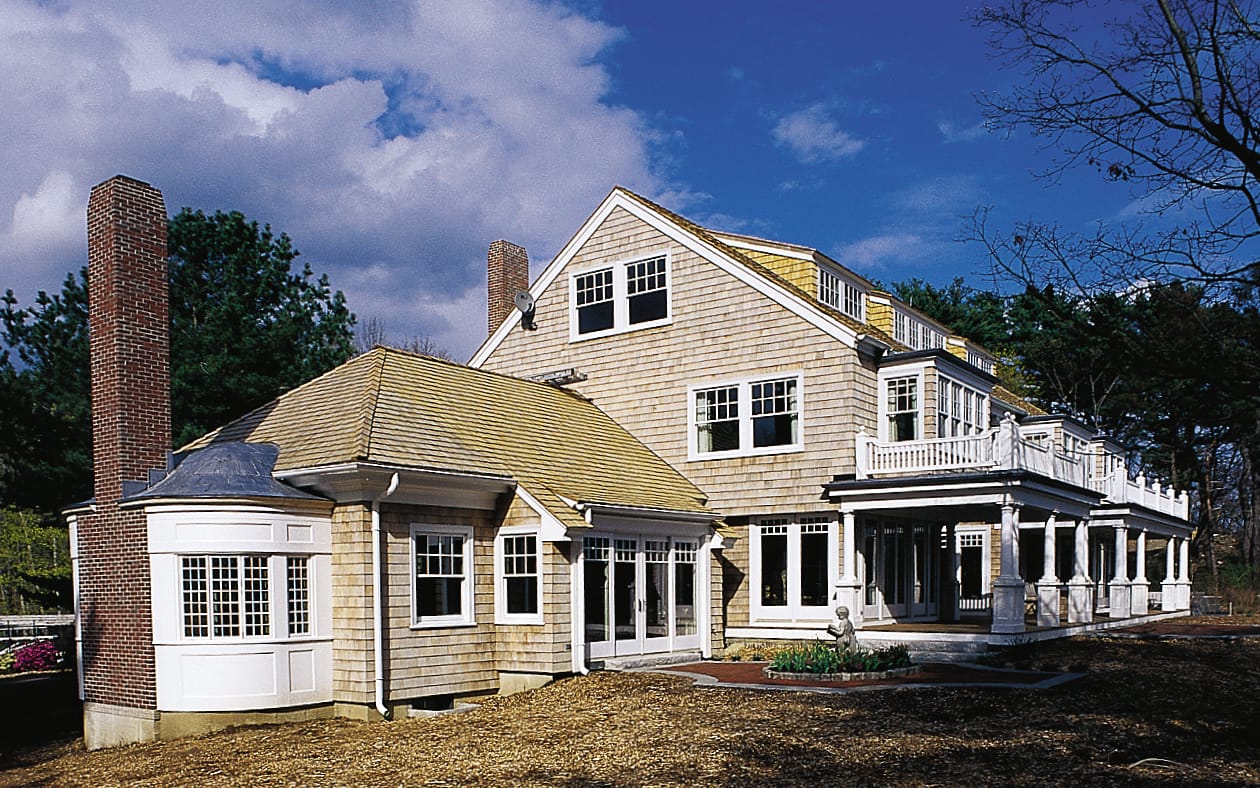
If regular windows are the sensible sneakers of a house, aluminum-clad windows are the polished leather boots: handsome, hardworking, and just fancy enough to make the neighbors suspicious that you know what you’re doing. These windows are a favorite in custom homes, remodels, and historically inspired projects because they pair the warm look of real wood on the inside with a durable aluminum shell on the outside. In other words, they let homeowners enjoy wood where they see it most and cut down on exterior upkeep where weather tries its best to be dramatic.
That combination is exactly why aluminum-clad windows keep showing up in design conversations. They offer a premium appearance, a broad range of colors and styles, and a practical answer to a very old homeowner problem: “How do I get the beauty of wood without signing up for a lifelong relationship with scraping and repainting?” The answer, at least for many homes, is aluminum cladding.
Still, these windows are not magic. They are usually more expensive than basic vinyl options, and they are not automatically the best pick for every budget, every climate, or every project. The smart move is to understand what aluminum-clad windows are, where they shine, where they struggle, and what details matter before you buy. Let’s open that sash and take a proper look.
What Are Aluminum-Clad Windows?
Aluminum-clad windows are typically wood windows protected by an exterior layer of aluminum. Inside the home, you get the warmth, texture, and natural character of wood. Outside, the aluminum cladding acts as a protective skin that helps resist weather, reduces maintenance, and holds paint-like finishes for years. It is a “best of both worlds” idea, and for many homeowners, that phrase is not just marketing fluff for once.
The concept is simple, but the execution can vary. Some manufacturers offer thicker, extruded aluminum cladding, while others may use thinner formed materials. That difference matters because thicker cladding generally improves durability, helps resist dents better, and can contribute to a more substantial feel. Think of it as the difference between a sturdy travel mug and that flimsy takeout cup lid that gives up under pressure.
Aluminum-clad windows are available in many popular window styles, including:
- Casement windows for excellent ventilation and a clean look
- Double-hung windows for traditional homes and easy familiarity
- Awning windows for ventilation even during light rain
- Picture windows for large, uninterrupted views
- Specialty shapes for dramatic architectural statements
Because the interior is wood, these windows can fit beautifully into traditional, craftsman, farmhouse, transitional, or even modern homes. And because the exterior is aluminum, they can be ordered in crisp, contemporary colors that would be a maintenance headache on exposed wood.
Why Homeowners Like Aluminum-Clad Windows
1. They balance beauty and durability
This is the headline benefit. Wood interiors look rich, timeless, and customizable. Aluminum exteriors stand up well to rain, sun, temperature swings, and day-to-day exposure. That balance makes aluminum-clad windows especially attractive to homeowners who want genuine interior materials without a high-maintenance exterior.
2. They are lower maintenance than all-wood windows
Let’s be honest: exterior wood can be beautiful, but it also has hobbies. Those hobbies include expanding, contracting, weathering, and asking for maintenance at awkward times. Aluminum cladding helps reduce the need for repainting and offers a more weather-resistant surface. “Low maintenance,” however, does not mean “no maintenance.” These windows still need cleaning, occasional inspection, and proper installation to perform their best.
3. They offer strong design flexibility
Many aluminum-clad product lines are built for customization. Homeowners can often choose from multiple exterior colors, interior finishes, grille patterns, hardware styles, divided-lite looks, and large-format configurations. That makes them a strong fit for custom builds and remodeling projects where design matters as much as performance.
4. They can support expansive glass and slim, elegant profiles
Aluminum’s strength helps manufacturers create sleek exterior lines and larger openings in certain product lines. If you want a home that feels filled with daylight rather than chopped into tiny framed rectangles, aluminum-clad windows often deserve a spot on your shortlist.
5. They can be matched to demanding projects
Some aluminum-clad lines are available with impact-rated glass packages, coastal options, and high-performance configurations intended for challenging weather zones. That does not mean every aluminum-clad window is automatically hurricane-ready, but it does mean the category includes serious performers when properly specified.
How Aluminum-Clad Windows Perform on Energy Efficiency
Here is where things get interesting. People sometimes hear “aluminum” and assume poor energy performance because old-school aluminum windows developed a reputation for conducting heat and cold too easily. But aluminum-clad windows are not the same as simple all-aluminum frames. The wood interior contributes insulating value, and the overall performance depends heavily on the full window system: frame design, glass package, spacers, weatherstripping, coatings, and installation quality.
Instead of shopping by material alone, smart buyers should check the label and compare actual performance ratings. The most important numbers include:
- U-factor: Measures how well a window prevents heat transfer. Lower is generally better.
- Solar Heat Gain Coefficient (SHGC): Measures how much solar heat comes through the glass. Lower numbers block more heat from the sun.
- Visible Transmittance (VT): Indicates how much daylight gets through the glass.
- Air Leakage: Helps show how much air may enter around the window assembly.
- Condensation Resistance: Higher numbers generally indicate better resistance to interior condensation.
If you live in a colder climate, you may prioritize a lower U-factor. In a hot, sunny climate, SHGC becomes especially important. This is why Energy Star climate-zone guidance matters so much. Two aluminum-clad windows can look nearly identical and still perform very differently depending on their glass packages and certifications.
The practical takeaway is simple: never assume a premium-looking window is automatically a high-performing window. Beauty and brawn should both be invited to the inspection party.
Pros and Cons of Aluminum-Clad Windows
Pros
- Warm, authentic wood look on the interior
- Durable, weather-resistant exterior surface
- Less upkeep than exposed exterior wood
- Broad design and color flexibility
- Suitable for traditional and modern architecture
- Available in premium performance and impact-rated options
- Often ideal for large or visually prominent windows
Cons
- Usually more expensive than vinyl and many basic window options
- Premium appearance can come with premium installation costs
- Not every line performs the same, so label-checking is essential
- Exterior still needs cleaning and routine inspection
- Some environments may require extra attention to finish durability and warranty coverage
That last point matters. In coastal or severe-weather areas, homeowners should ask detailed questions about finish performance, corrosion resistance, impact ratings, and maintenance requirements. Aluminum-clad windows can absolutely work in demanding locations, but the right product selection matters more than the catchy brochure photo with a beach view and suspiciously perfect throw pillows.
Aluminum-Clad vs. Other Window Materials
Aluminum-Clad vs. Vinyl
Vinyl windows are usually more budget-friendly and can deliver strong energy performance at a lower price. They are popular for replacements because they are practical, widely available, and easy on the wallet. Aluminum-clad windows, however, typically win on interior aesthetics, high-end customization, and architectural appeal. If budget is your main priority, vinyl often wins. If you want premium looks and real wood indoors, aluminum-clad is the stronger contender.
Aluminum-Clad vs. Fiberglass
Fiberglass windows are often praised for durability, energy efficiency, and stability. They can be an excellent middle path for homeowners who want strong performance without paying for wood interiors. Aluminum-clad windows usually offer more traditional warmth and a more upscale interior finish, but fiberglass can be a compelling option for buyers focused on efficiency, toughness, and lower maintenance.
Aluminum-Clad vs. All-Wood
All-wood windows have a timeless charm that is hard to beat, especially in historic homes. But the exterior maintenance burden is real. Aluminum-clad windows preserve much of the wood look indoors while reducing the exterior maintenance load. For many homeowners, that trade is worth every penny and every spared ladder climb.
Aluminum-Clad vs. All-Aluminum
All-aluminum windows often suit commercial or ultra-modern designs, but they generally do not deliver the same natural interior warmth as wood. Aluminum-clad windows soften that feel by keeping wood inside while still benefiting from aluminum outside. If you want modern performance without making your living room feel like a stylish airport lounge, clad windows often strike a better balance.
Where Aluminum-Clad Windows Make the Most Sense
These windows tend to make the most sense in a few scenarios:
- High-visibility rooms: Living rooms, dining rooms, kitchens, and primary bedrooms where the window is a design feature, not just a hole with glass.
- Custom homes: Projects where color choices, large openings, and trim details matter.
- Historic or traditional renovations: Homes that benefit from real wood interiors and authentic styling.
- Long-term ownership plans: If you expect to stay in the home, the premium price may feel more justified over time.
- Mixed-material design strategies: Some homeowners use aluminum-clad windows in main living spaces and more budget-friendly materials elsewhere.
They may be less compelling in a purely budget-driven whole-house replacement where aesthetics are secondary and every dollar is under a microscope. In that situation, a well-performing vinyl or fiberglass window may deliver better overall value.
What to Check Before You Buy
Ask about the cladding itself
Is the exterior cladding extruded aluminum or a thinner formed material? What is the finish process? How many colors are available? What does the warranty cover? These are not annoying questions. These are expensive-window questions, which makes them excellent questions.
Read the NFRC label
Do not shop by looks alone. Compare U-factor, SHGC, air leakage, and other ratings. If your salesperson keeps steering the conversation back to “timeless elegance” while avoiding actual performance numbers, you may need a stronger cup of coffee and a different salesperson.
Match the glass package to your climate
Low-E coatings, dual-pane or triple-pane glass, gas fills, and solar-control choices all influence comfort and efficiency. The right combination in Arizona may not be the right combination in Minnesota.
Do not overlook installation quality
A great window installed poorly becomes a very expensive draft. Flashing, sealing, level installation, and water management are critical. Even premium materials cannot rescue sloppy workmanship.
Think about your interior finish
One of the biggest advantages of aluminum-clad windows is the wood inside. Make sure the species, stain, paint options, and trim details fit your interior design plan. Otherwise, you are paying for a premium feature and then hiding it behind a color that makes it look mildly confused.
Maintenance Tips for Aluminum-Clad Windows
These windows are lower maintenance, not maintenance-proof. A simple routine goes a long way:
- Wash exterior surfaces periodically with gentle soap and water
- Inspect sealants, finishes, and joints seasonally
- Clean tracks, sills, and weep systems as recommended by the manufacturer
- Check interior wood for condensation issues or finish wear
- Address hardware adjustments early instead of waiting for full-blown drama
Routine care is especially important in coastal, snowy, or intensely sunny regions. Harsh conditions are not a reason to panic, but they are a reason to read the care instructions instead of treating them like decorative napkins.
Are Aluminum-Clad Windows Worth It?
For many homeowners, yes. Aluminum-clad windows can be a smart investment when design, durability, and reduced exterior maintenance all matter. They are especially compelling if you love the look of wood, want more exterior color options, and plan to stay in your home long enough to enjoy the upgrade.
They are not the cheapest path, and they are not automatically the highest-value choice for every project. But in the right home, they can deliver an appealing mix of comfort, beauty, and practicality that cheaper materials often struggle to match. In plain English: they are a premium product for people who want premium looks and are willing to pay for them without signing up for endless exterior upkeep.
Real-World Experiences With Aluminum-Clad Windows
Homeowner experiences with aluminum-clad windows tend to sound a lot like this: “We bought them for the look, but stayed happy because of the day-to-day performance.” That pattern makes sense. The first thing people notice is usually the aesthetics. The wood interior feels warmer and more intentional than many builder-grade options, especially in living rooms, studies, or kitchens with visible trim work. In homes where natural materials matter, aluminum-clad windows often look like they belong there instead of merely existing there.
Many remodelers also say these windows shine in projects where old wood windows had character, but too much maintenance baggage. Homeowners replacing aging painted wood units often appreciate that the inside can still feel classic while the outside no longer demands endless scraping, patching, and repainting. It is the home-improvement equivalent of keeping the charm and firing the headache.
Another common experience is improved comfort when buyers choose the right glass package. People often report fewer drafts near seating areas, less harsh afternoon heat in sunny rooms, and quieter interiors when upgrading from older, leaky windows. That benefit is not exclusive to aluminum-clad windows, of course, but the category often attracts buyers who are already shopping at the higher end, where better glazing packages are common.
Design flexibility also comes up again and again. Homeowners like being able to choose darker exterior finishes without worrying as much about exterior wood upkeep. Architects and designers often appreciate how aluminum-clad windows can support both traditional grille patterns and cleaner contemporary lines. In practical terms, that means one material category can work in a craftsman bungalow, a transitional suburban remodel, or a modern custom build without looking out of place.
That said, experiences are not universally glowing. Some buyers are surprised by the cost once upgrades, custom sizes, premium hardware, and installation are added. Others discover that premium windows still need cleaning and seasonal inspection, which can feel mildly unfair after writing a premium-sized check. A few homeowners also learn the hard way that the product is only as good as the installation. Even a beautiful, well-built window can disappoint if water management, sealing, and trim details are handled poorly.
The happiest long-term owners seem to have three things in common: they chose a product that matched their climate, they paid attention to energy ratings instead of just showroom looks, and they hired installers who knew what they were doing. In those cases, aluminum-clad windows tend to age gracefully, deliver steady visual appeal, and avoid becoming the kind of “upgrade” people complain about at backyard barbecues for the next ten years.
Final Thoughts
Aluminum-clad windows are not just a pretty face in the building-products aisle. They combine the beauty of wood interiors with the weather-fighting practicality of aluminum exteriors, making them a strong option for homeowners who want style without volunteering for endless exterior maintenance. Their real value shows up when aesthetics, durability, and customization all matter at once.
The key is to buy with your eyes and your brain. Compare ratings, ask about cladding quality, match the glass to your climate, and insist on excellent installation. Do that, and aluminum-clad windows can be one of those rare home upgrades that feel satisfying every single day instead of only during the first week after the contractor leaves.