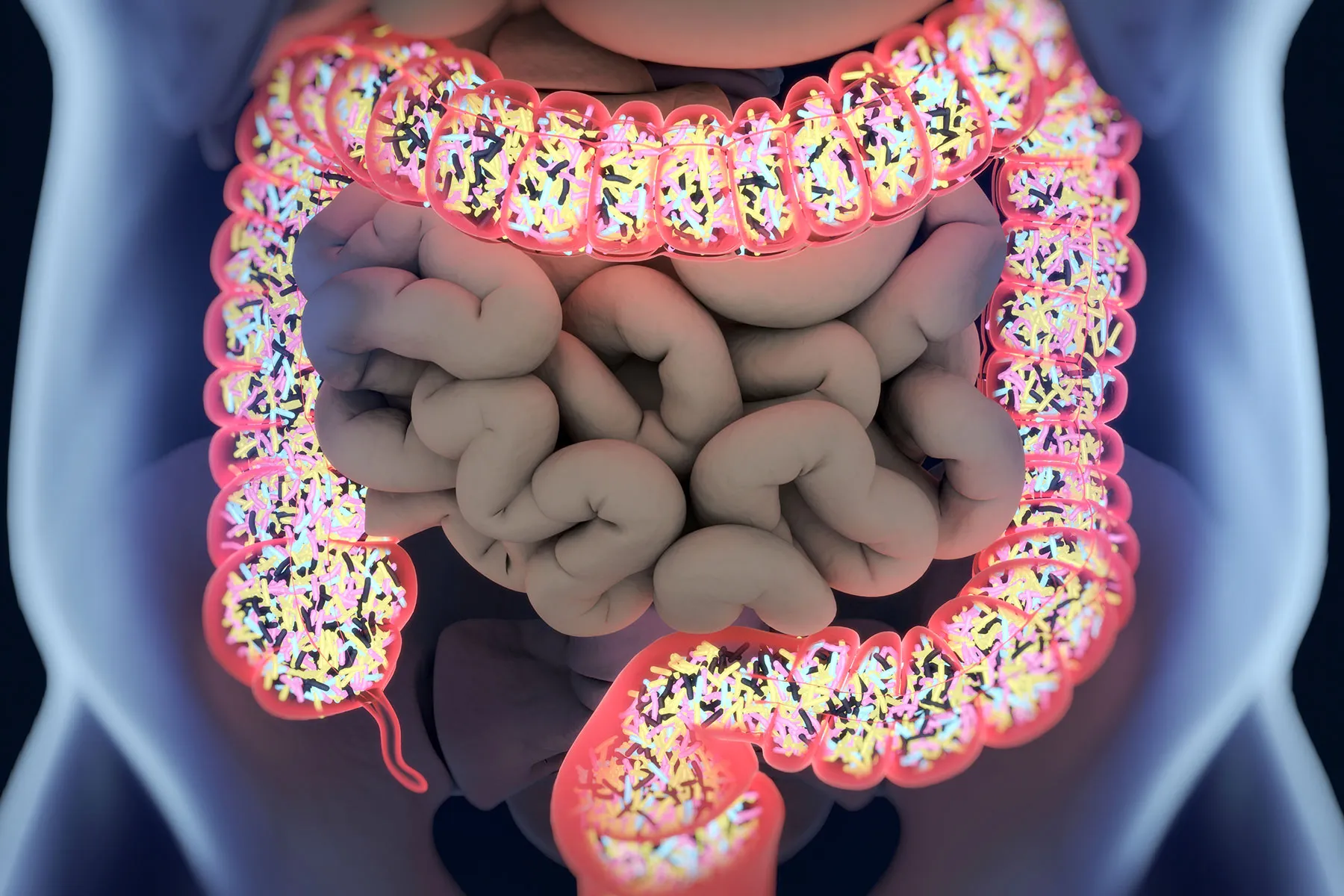
For most of medical history, figuring out what was happening deep inside the digestive tract required a fair amount of detective work. Doctors could study symptoms, analyze stool, perform imaging, thread cameras into the body, or ask patients to consume a carefully prepared radioactive breakfast and then wait while their stomach emptied. Useful? Absolutely. Convenient? Not exactly anybody’s idea of a relaxing Tuesday.
Now an entirely different approach is moving from science fiction toward clinical reality: swallowable gut sensors. These electronic capsules travel through the gastrointestinal tract while measuring conditions around them, transmitting information to equipment outside the body, or recording signals that can later be analyzed by clinicians.
The technology is advancing quickly. One FDA-cleared system can use temperature and intestinal gas measurements to calculate how long a capsule spends in different sections of the digestive tract. Experimental devices developed at American research institutions are going further, targeting inflammatory molecules, glucose, serotonin, oxidation-reduction conditions, and even continuous core temperature.
In other words, the humble pill is getting a graduate degree in electrical engineering.
What Is a Swallowable Gut Sensor?
A swallowable gut sensor, sometimes described as an ingestible sensor, smart capsule, or electronic pill, is a miniature device designed to travel through the digestive tract while collecting physiological or biochemical information.
Unlike ordinary medication, its main job isn’t necessarily to release a drug. Instead, the capsule may contain combinations of sensors, batteries, antennas, microchips, accelerometers, chemical detectors, engineered biological components, or other miniature electronics.
Depending on the device, it may measure variables such as:
- Gastrointestinal transit time
- Temperature
- pH
- Pressure
- Hydrogen and carbon dioxide
- Movement and capsule orientation
- Metabolites and nutrients
- Inflammatory biomarkers
- Hormones and neurotransmitters
- Oxidation-reduction conditions in the gut
Some capsules wirelessly transmit data to a receiver worn outside the body. Others communicate with a smartphone-like device, while experimental designs may produce a visible signal after reaching the stool.
The larger goal is the same: obtain information from locations that are difficult to monitor continuously using conventional tests.
Why the Gut Is Such a Difficult Place to Study
Your gastrointestinal tract isn’t just a food-processing tube. It is a constantly changing environment populated by microorganisms, immune cells, digestive secretions, hormones, gases, nutrients, and chemical signals.
And it is inconveniently located inside you.
Upper endoscopy provides excellent views of the esophagus, stomach, and beginning of the small intestine. Colonoscopy examines the colon and end of the small bowel. Capsule cameras help visualize areas of the small intestine that traditional scopes may struggle to reach.
But seeing tissue isn’t the same as continuously measuring its chemistry.
Stool testing can reveal valuable information, but the final sample represents material that has already traveled through much of the digestive system. A biopsy provides extremely detailed information from a particular location, but only at a particular moment. Blood tests offer another window into health, yet some molecules produced inside the gut are transient or locally concentrated and may be difficult to study once they enter general circulation.
A sensor traveling directly through the GI tract can theoretically sample the environment where the biology is actually happening.
The Atmo Gas Capsule: Following Digestion Through Gas
One of the most important recent developments is the Atmo Gas Capsule System, which received FDA 510(k) clearance in 2025 as a Class II gastrointestinal motility monitoring system.
The prescription-only capsule is designed to measure regional and whole-gut transit times. According to FDA documentation, it collects temperature, hydrogen concentration, and carbon dioxide concentration while also using indicators related to oxygen, movement, and antenna behavior to identify where the capsule is traveling.
The capsule itself is approximately 27.8 millimeters long and 11.1 millimeters in diameter and weighs about 3.8 grams. Data travel wirelessly from the capsule to a receiver worn by the patient. Information can then be transferred for cloud-based analysis and clinician review.
Why Measure Transit Time?
Digestive symptoms don’t always reveal exactly where the problem lies.
Someone complaining of bloating, nausea, constipation, abdominal discomfort, or feeling full unusually quickly might have delayed stomach emptying, slow movement through the colon, another motility problem, or something unrelated to transit altogether.
By identifying when a capsule leaves the stomach, crosses into the colon, and eventually exits the body, clinicians can obtain an objective map of gastrointestinal transit.
The FDA-cleared indications include evaluation of gastric emptying in patients with suspected gastroparesis and assessment of colonic transit in chronic constipation. The system can also calculate small-bowel and whole-gut measurements.
The Gas Is Information, Not Just an Embarrassing Side Effect
Hydrogen and carbon dioxide concentrations change as digestion and microbial fermentation occur in different parts of the gut. Gas-sensing capsules exploit these changing chemical environments as navigational clues.
That’s rather elegant when you think about it. Biology produces gases; engineers turn those gases into location information; physicians use the information to study motility. Your intestines have apparently been broadcasting status updates for years. We simply lacked the receiver.
How Does This Compare With Traditional Testing?
Swallowable sensors aren’t designed to make every other gastrointestinal test obsolete. Different tests answer different questions.
Gastric Emptying Scintigraphy
Gastric emptying scintigraphy remains a familiar method for investigating suspected delayed stomach emptying. A patient eats a standardized meal containing a small amount of radioactive material, and imaging tracks how rapidly that meal leaves the stomach, often over several hours.
A swallowable motility capsule takes another approach: instead of repeatedly imaging a meal from outside the body, the device travels through the digestive tract itself.
Capsule Endoscopy
Capsule endoscopy is also swallowable technology, but it serves a different purpose. The capsule contains a miniature camera that captures thousands of images as it travels through the gastrointestinal tract, particularly the small intestine.
A sensor capsule may not take pictures at all. Its specialty is measuring the environment: chemistry, temperature, pressure, gases, movement, or biomarkers.
Think of capsule endoscopy as sending a photographer through the intestines. A sensor capsule sends a laboratory technician.
Experimental Smart Pills Are Getting Much More Ambitious
Transit measurements are only the beginning. Researchers are developing ingestible devices that could eventually transform the digestive tract into a source of continuous biochemical data.
MIT’s Bacteria-and-Electronics Smart Pill
MIT researchers have developed an experimental ingestible platform combining genetically engineered bacteria with ultra-low-power electronics.
The concept is wonderfully strange. Engineered bacteria respond when they encounter specific biological molecules. That response produces light, which miniature electronics detect and translate into a wireless signal.
A 2023 prototype, tested in pigs, was designed to detect nitric oxide and chemical products associated with hydrogen sulfide, molecules relevant to inflammation. The pill was described as roughly blueberry-sized and capable of transmitting signals externally in real time.
Earlier work from the same research ecosystem demonstrated related bacterial-electronic approaches for detecting gastrointestinal bleeding.
The potential appeal for conditions such as inflammatory bowel disease is obvious. Instead of waiting until symptoms clearly announce a flare, future sensors might identify molecular changes occurring earlier in the inflammatory process. That possibility remains under investigation rather than established clinical practice, but it illustrates where ingestible diagnostics could be heading.
Caltech’s PillTrek Wants to Measure Gut Chemistry
Caltech researchers introduced another experimental platform called PillTrek in 2025.
The capsule measures about 25 millimeters long and 7 millimeters wide and contains a miniature electrochemical sensing system. Researchers designed the platform so different sensor modules could potentially be installed depending on what investigators want to measure.
In proof-of-concept animal experiments, PillTrek measured pH, temperature, glucose, and serotonin. Researchers envision future versions studying metabolites, ions, hormones, and potentially proteins.
This is an important conceptual leap. A capsule capable of measuring multiple biochemical signals as it moves through different gastrointestinal regions could reveal changes that stool, blood, or a single biopsy might miss.
Stanford Researchers Are Exploring Gut Redox Signals
Another research direction focuses on oxidation-reduction potential, often shortened to ORP.
Researchers at Stanford have worked on wireless sensing systems intended to study redox conditions created by interactions among diet, intestinal microbes, and the host. Changes in the gut’s oxidative environment have been investigated in connection with inflammation and alterations in the microbiome.
This work remains largely experimental, but it demonstrates how broad the smart-capsule concept has become. Scientists aren’t merely asking, “How fast is the pill moving?” They’re increasingly asking, “What biochemical neighborhood is the pill moving through?”
An Inflammation Sensor That Could Literally Change Color
Not every ingestible sensor needs Bluetooth, cloud computing, and enough electronics to make your smartwatch jealous.
In 2025, Mass General Brigham researchers described an experimental device called PRIM, short for Pill for ROS-responsive Inflammation Monitoring.
The capsule uses a material that responds to elevated reactive oxygen species associated with inflammation. When the appropriate chemical conditions occur, the device releases blue dye that can later become visible in stool.
In preclinical testing involving a rat model of colitis, researchers reported encouraging but imperfect detection performance. Human studies and additional development would be needed before such a device could become a routine clinical tool.
Still, the approach highlights an important principle: advanced diagnostics don’t always require complicated electronics. Sometimes the cleverest sensor is the one that makes the answer easy to see.
Smaller Sensors Could Make Swallowable Tech Safer and Easier
Miniaturization matters enormously in ingestible electronics.
In 2026, MIT researchers reported an experimental continuous temperature sensor measuring only about 6 millimeters across and 4 millimeters high. The tiny device uses extremely low-power circuitry and a wireless backscatter communication strategy to transmit temperature measurements.
The immediate applications extend beyond gastrointestinal disease. Researchers have discussed possibilities including fever monitoring, anesthesia, fertility tracking, and physiological monitoring in demanding environments.
But the engineering lesson applies directly to gut technology: smaller electronics can make capsules easier to swallow while potentially reducing the risk that a device becomes lodged somewhere it shouldn’t.
What Could Real-Time Gut Tracking Eventually Tell Us?
The most exciting future isn’t simply collecting more numbers. It’s connecting those numbers to events in everyday life.
Imagine being able to correlate gastrointestinal chemistry with meals, medication, symptoms, sleep, bowel movements, or disease activity.
A person with chronic digestive symptoms might report that discomfort usually appears after dinner. A conventional symptom diary records the complaint. A future multisensor capsule might reveal that the symptom coincides with abnormal transit, unusual fermentation patterns, changing pH, or an inflammatory signal in a specific intestinal region.
Researchers could also examine how the gut responds to different foods or treatments. Instead of relying exclusively on before-and-after snapshots, they might obtain a timeline.
That doesn’t mean a capsule will someday announce, “The burrito was a mistake.” But medically speaking, we’re moving surprisingly close to that level of gastrointestinal accountability.
Potential Benefits of Ingestible Sensors
If ongoing research translates successfully into clinical practice, smart gastrointestinal capsules could offer several advantages.
- Continuous measurements: Data can be collected while conditions inside the digestive tract naturally change.
- Regional information: Researchers may be able to determine where important changes occur rather than studying only the final output in stool.
- Less invasive monitoring: Some applications could potentially reduce dependence on repeated invasive procedures.
- Objective symptom investigation: Physiological measurements can complement patient-reported symptoms.
- Personalized treatment: Repeated or more detailed monitoring could eventually help clinicians understand how individual patients respond to therapies.
- New microbiome research: Sensors may reveal chemical conditions influencing microbial behavior inside the living intestine.
But Don’t Expect a Consumer Gut Fitbit Tomorrow
There’s a tempting story here: swallow a capsule in the morning, open an app, and spend the afternoon watching your colon’s analytics dashboard.
Actual medicine is less dramatic.
Many of the most sophisticated technologies discussed in research laboratories have only been demonstrated in animals or preclinical experiments. Turning an ingenious prototype into a routinely prescribed medical product requires human trials, manufacturing controls, reliable algorithms, regulatory review, clinical validation, cybersecurity protections, and evidence showing that the resulting information improves patient care.
Even FDA-cleared motility technology is intended for specific diagnostic purposes rather than casual self-quantification.
More data isn’t automatically better healthcare. Doctors need to know what measurements mean, what ranges are clinically important, and whether acting on them improves outcomes.
Are Swallowable Sensors Safe?
Safety depends on the specific device and the patient.
Capsule-based gastrointestinal procedures are generally designed to pass naturally through the digestive tract, but retention is a recognized concern. A capsule can potentially become stuck when a patient has an abnormal narrowing, obstruction, tumor, inflammation-related stricture, or certain surgical changes.
This is why swallowing a diagnostic capsule isn’t the medical equivalent of testing a new vitamin gummy. Clinicians consider a patient’s history and the device’s specific contraindications before recommending testing.
The FDA’s 2025 documentation for the Atmo system describes clinical testing involving 213 participants across multiple sites and reports that predetermined performance endpoints were met, with no serious adverse events associated with the system during the pivotal study. The device is prescription-only and is not indicated for pediatric patients.
Anyone considering an ingestible diagnostic device should follow the instructions of the healthcare professional supervising the test.
Privacy Will Matter, Too
A capsule that generates medical information creates another question that doesn’t fit neatly inside the digestive tract: who controls the data?
Future systems may transmit information between a capsule, wearable receiver, mobile device, cloud platform, and clinician portal. Each step introduces practical questions involving encryption, cybersecurity, storage, patient consent, and access.
The more intimate digital health becomes, the more important those safeguards become. Your intestinal transit time probably isn’t something you’d like included in the next giant corporate data leak.
Developers and regulators will therefore have to treat secure data handling as part of medical-device design rather than as an optional software feature.
Experience: What Is It Like to Have Technology Traveling Through Your Gut?
The following is an illustrative patient-experience scenario based on how swallowable motility and capsule-based tests generally work. It is not presented as one real person’s medical history.
The strangest part of a swallowable sensor test may be how ordinary the beginning feels. After all the electronics, wireless communication, gas sensing, algorithms, and clinical terminology, the most dramatic instruction can simply be: swallow the capsule.
Someone expecting a futuristic medical procedure may be surprised. There’s no tiny robot voice announcing departure. No control room starts counting down from ten. The capsule goes down with water, and from the patient’s perspective, the world’s smallest scientific expedition has officially begun.
Depending on the testing protocol, the patient may wear or carry a receiver that collects information transmitted from the capsule. That creates an unusual psychological experience. You know something electronic is moving through your stomach and intestines, yet you usually can’t feel exactly where it is.
Normal life may continue with certain restrictions or timing instructions. Meals matter. Bowel movements matter. Symptoms matter. Patients may be asked to record when they eat, drink, experience discomfort, sleep, or use the bathroom so that clinicians can later compare those events with sensor measurements.
That diary can suddenly make ordinary digestion feel remarkably scientific. Breakfast isn’t just breakfast anymore. It is “Event 08:14.” A bout of bloating becomes useful context. A bowel movement is no longer something to forget immediately; congratulations, it has joined the dataset.
The waiting period may also change how a person thinks about symptoms. Someone who has spent months saying, “My stomach just feels slow,” may finally be participating in a test capable of producing measurable transit information. For patients with persistent digestive problems, objective data can feel meaningful even before a diagnosis is reached.
There can also be anxiety. Will the capsule pass normally? Is the receiver collecting the signal? What if symptoms occur while the device is traveling? These are reasonable questions, which is why clear clinical instructions are important.
Eventually, the capsule completes its journey and leaves the body naturally. There is something slightly anticlimactic about the finale. A sophisticated combination of sensors, batteries, antennas, software, and biomedical engineering ultimately exits through the same route as yesterday’s lunch.
The valuable part comes afterward, when the collected measurements are analyzed. A clinician may be able to estimate when the capsule left the stomach, how long it spent in different gastrointestinal regions, and whether transit was unusually slow or otherwise abnormal.
What makes the experience especially interesting is the shift from describing digestion to observing it. Patients are exceptionally good at knowing that something feels wrong, but sensations don’t always reveal where or why the problem occurs. Ingestible sensing adds another layer: a moving stream of physiological evidence.
Future capsules could make that experience far richer. Instead of reporting primarily on transit, next-generation devices may someday provide chemical measurements showing how intestinal conditions change after a meal, during inflammation, or in response to medication.
If that future arrives, swallowing a diagnostic sensor may eventually seem as ordinary as wearing a heart monitor does today. The technology will be remarkable precisely because the experience won’t have to be.
The Future of Tiny Technology Inside the Human Body
Swallowable sensors sit at an unusual intersection of gastroenterology, electronics, materials science, synthetic biology, wireless communication, and data science.
Today’s clinically available technology can already provide information about gastrointestinal transit without requiring a sensor to remain permanently inside the body. At the experimental frontier, researchers are investigating capsules capable of detecting molecules associated with inflammation, profiling gut chemistry, measuring neurotransmitters, studying redox conditions, and transmitting physiological measurements continuously.
The biggest challenge now isn’t proving that miniature sensors can survive inside the digestive tract. Researchers have demonstrated that repeatedly. The harder questions are which measurements genuinely improve diagnosis, how accurately they reflect disease, whether the devices can be manufactured affordably, and how physicians should act on the information they produce.
Those questions will take years to answer.
But the direction is clear. Medicine is gradually gaining the ability to send laboratories into places where laboratories previously couldn’t go.
And sometimes the entrance fee is simply one glass of water.
Conclusion
Ingestible gut sensors are changing how scientists and clinicians think about gastrointestinal monitoring. Instead of studying digestion only through external imaging, occasional samples, symptoms, or invasive procedures, swallowable devices can travel directly through the system being investigated.
The current technology ranges from FDA-cleared motility capsules to experimental devices measuring inflammatory molecules, metabolites, hormones, gases, redox conditions, and temperature. Some innovations are already clinically relevant; others remain promising laboratory research and should not be mistaken for commercially available diagnostic tools.
Still, the long-term potential is enormous. A future smart capsule might help doctors locate motility problems, monitor intestinal inflammation, measure changing chemistry, and understand how diet or medication affects an individual patientall while the person goes about an otherwise ordinary day.
The gut has always generated an astonishing amount of information. Tiny technology is finally learning how to listen.