If sugar had a publicist, that person would be exhausted by now. For years, we have been told to cut back on added sugar, read labels, skip the sugary drinks, and stop pretending that a “healthy” muffin is just cake in activewear. Then along come natural sugar alternatives promising sweetness without the crash, calories, or guilt. Stevia. Monk fruit. Allulose. Coconut sugar. Honey. Maple syrup. Suddenly the sweetener aisle looks less like a pantry and more like a chemistry class that shops at a farmers market.
So what is actually worth buying? The short answer: some natural sugar substitutes can help you reduce added sugar, but “natural” does not automatically mean healthier. A few options genuinely lower sugar and calories. Others simply rebrand sugar with better lighting. The trick is knowing which is which, how they taste, and what they do in real-life cooking, baking, and everyday eating.
This guide breaks down the science, the marketing, and the practical trade-offs behind natural sugar alternatives in plain English. No fearmongering. No wellness fairy dust. Just the sweet truth.
What Counts as a Sugar Substitute, Anyway?
The term sugar substitute covers a lot of territory. Some products are non-nutritive sweeteners, meaning they add little or no calories. Others are sugar alcohols, which usually have fewer calories than regular sugar. Then there are sweeteners that sound wholesome and rustic, like honey or maple syrup, but still behave a lot like sugar once they hit your bloodstream.
The three main buckets
1. Natural high-intensity sweeteners: These include purified stevia and monk fruit. They come from plants and are much sweeter than table sugar, so a tiny amount goes a long way.
2. Low-calorie sugar alternatives: Allulose and some sugar alcohols fall into this group. They often provide texture and bulk that high-intensity sweeteners cannot.
3. Natural sugars that are still, well, sugar: Think honey, agave, maple syrup, date syrup, and coconut sugar. These may sound healthier, and some contain small amounts of minerals or plant compounds, but they still count as added sugar in your diet.
That distinction matters. If your goal is to truly reduce sugar intake, swapping white sugar for honey is not the same as swapping it for stevia or monk fruit. One is a wardrobe change. The other is a metabolic plot twist.
The Biggest Myth: “Natural” Does Not Mean “Unlimited”
Let’s lovingly retire one of nutrition’s most stubborn myths: if a sweetener comes from a plant, beehive, tree sap, or trendy glass bottle, it is not automatically better for you.
Honey, maple syrup, agave nectar, and coconut sugar all sound more virtuous than plain table sugar. They may be less processed, and some do contain trace nutrients or antioxidants. That sounds impressive until you remember how small those amounts usually are in a typical serving. Nobody is fixing a mineral deficiency with a drizzle of pancake syrup.
More importantly, these sweeteners are still concentrated sources of sugar. Your body still breaks them down and uses them for energy in much the same way. In other words, they may have slightly different flavors and nutrient profiles, but they are not a free pass for endless pouring, drizzling, or “healthy” baking marathons.
Agave is a great example of how marketing can get ahead of reality. It is often promoted as lower-glycemic than table sugar, which sounds fabulous until you realize that does not make it a health food. Maple syrup may feel more artisanal. Honey may sound more ancestral. Coconut sugar may wear the halo of the word “coconut.” But from a practical dietary standpoint, they are still added sugars, and too much is still too much.
If your main goal is to cut down on added sugar, these sweeteners are best treated like occasional upgrades in flavor, not unlimited wellness loopholes.
Natural Sugar Alternatives That Actually Can Help
If you want sweetness without loading up on regular sugar, a few options stand out. They are not perfect, but they are useful tools when used wisely.
Stevia: Sweet, Plant-Based, and a Little Opinionated
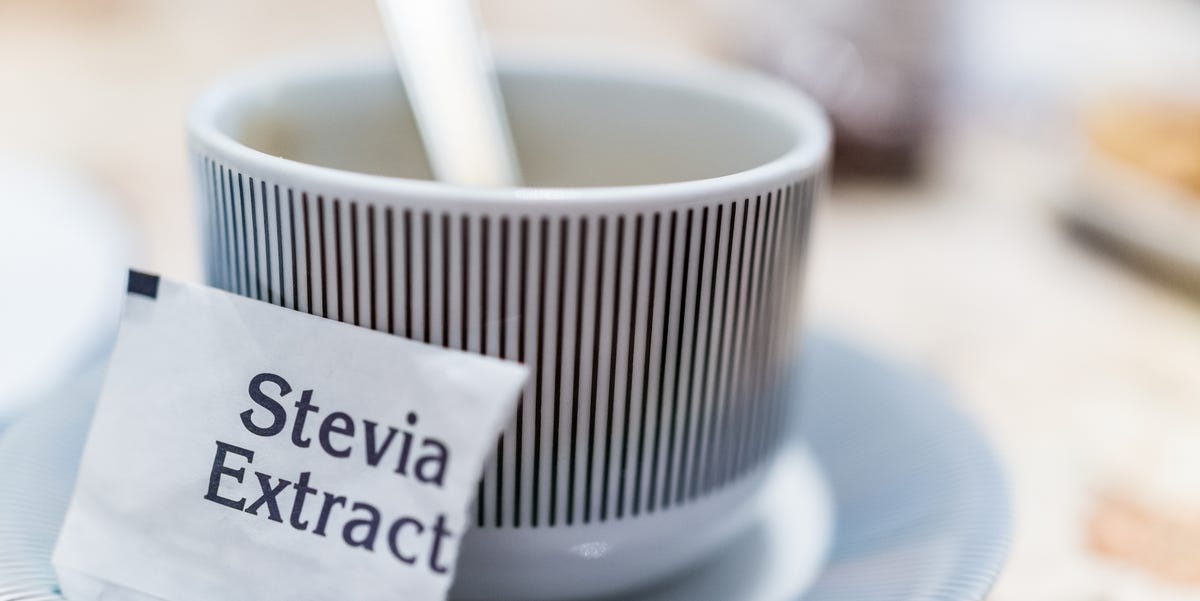
Stevia comes from compounds called steviol glycosides, which are found in the leaves of the stevia plant. The purified sweetening compounds used in food are intensely sweet, so you only need a tiny amount.
Why people like it:
Stevia has little to no calories, does not act like table sugar in the body, and is widely used by people trying to reduce added sugar or manage carbohydrate intake. It is available in packets, liquid drops, blended sweeteners, flavored creamers, yogurts, and everything else that can fit the words “naturally sweetened” on a label.
What to watch for:
Not all stevia products are the same. Some are blended with dextrose, erythritol, or other bulking agents. And taste? Let’s just say stevia is not shy. Some people notice a bitter or licorice-like aftertaste, especially in coffee or when too much is used in baking.
Best use:
Tea, coffee, smoothies, yogurt, oatmeal, and recipes where you do not need sugar to create volume, browning, or chewiness.
Monk Fruit: The Smooth-Talking Cousin
Monk fruit sweetener is made from an extract of the monk fruit, also called luo han guo. Like stevia, it is much sweeter than sugar and is often used in very small amounts.
Why people like it:
Many fans say monk fruit has a cleaner taste than stevia, with less bitterness. It also contains few or no calories in its pure form and is a popular choice in beverages, tabletop packets, baking blends, and “sugar-free” snacks.
What to watch for:
Most monk fruit products are not 100% monk fruit. They are commonly mixed with erythritol, allulose, or other sweeteners to make them measure more like sugar. That is not necessarily bad, but it means the ingredient list matters. A product sold as “monk fruit sweetener” may really be a blended product where monk fruit plays more of a supporting role than the headliner.
Best use:
Coffee, sauces, low-sugar desserts, and everyday sweetening when you want a more sugar-like flavor profile.
Allulose: The Baker’s Secret Weapon
Allulose is often called a “rare sugar.” It occurs naturally in small amounts in certain foods and is manufactured for commercial use as a sweetener. It is less sweet than table sugar, but it behaves more like sugar than stevia or monk fruit do.
Why people like it:
Allulose can brown, dissolve, and add bulk more like regular sugar, which makes it especially appealing for baking. It is also lower in calories than sugar and tends to have a milder taste than high-intensity sweeteners.
What to watch for:
Because it is not as sweet as sugar, you may need to use more of it. Some people also notice digestive discomfort if they overdo it. If your stomach starts sending strongly worded complaints, scale back.
Best use:
Cookies, sauces, frozen desserts, and recipes where texture matters almost as much as sweetness.
Sugar Alcohols: Useful, but Not Always Gentle
Sugar alcohols include erythritol, xylitol, sorbitol, and maltitol. They are common in sugar-free gum, candy, protein bars, low-carb desserts, and many blended “natural” sweeteners.
Why people like them:
They usually have fewer calories than sugar and do not act exactly like regular sugar in the body. Some also help provide the bulk and texture that pure stevia or monk fruit lack.
What to watch for:
This category is where digestive drama often enters the chat. Bloating, gas, and diarrhea are common complaints when sugar alcohols are eaten in larger amounts. Maltitol is especially notorious for turning “one serving” into a regret-filled afternoon.
There is another reason for caution: some newer research has raised questions about erythritol and xylitol in relation to cardiovascular risk, while regulators say a causal link has not been established. Translation: the science is still evolving. That does not mean panic, but it does mean moderation is a smart move.
Are Natural Sugar Alternatives Better for Weight Loss or Blood Sugar?
Here is the nuanced answer nobody likes but everyone needs: they can help, but only if they replace sugar instead of joining it.
If you swap a daily sugary soda for sparkling water, unsweetened tea, or a low- or no-calorie sweetened drink, that can reduce sugar and calories. If you replace several tablespoons of sugar in your coffee habit with stevia or monk fruit, that can help too. But if you use sugar substitutes while still eating lots of highly sweet foods overall, the benefits shrink quickly.
For people watching blood sugar, many non-nutritive sweeteners have little effect on glucose levels when used in small amounts. That is one reason they are popular in diabetes-friendly products. But “sugar-free” is not the same thing as “carb-free,” and it definitely is not the same thing as “eat without thinking.” Some sugar-free foods still contain starches, flour, fats, and enough calories to matter.
There is also the habit side of the story. If every snack, drink, yogurt, and protein bar is still intensely sweet, your taste buds may never really adjust. Some nutrition experts suggest the long game is not just replacing sugar, but gradually reducing your preference for sweetness overall. Your palate is trainable. It is not always cooperative, but it is trainable.
The Sweeteners That Sound Healthy but Are Mostly Just Sugar in Better Branding
If you are shopping for a healthier pantry, these sweeteners deserve a reality check:
Honey
Delicious, natural, and still a form of added sugar when you spoon it into food or drinks. Fine in moderation. Not a wellness cheat code.
Maple Syrup
More flavorful than white sugar and contains small amounts of minerals, but still a concentrated sweetener. Great on pancakes. Still sugar.
Agave Nectar
Often marketed as lower-glycemic, but it remains a concentrated sweetener. “Lower glycemic” should not be confused with “eat with abandon.”
Coconut Sugar
Often sold as less processed and more natural, but nutritionally it is much closer to sugar than to some magical island superfood.
If you love these options for flavor, use them for flavor. That is a perfectly reasonable reason. Just do not expect them to transform dessert into a leafy green.
How to Choose the Best Sugar Substitute for Your Goal
If your goal is fewer calories
Try stevia or monk fruit, ideally in products without a long list of extra sweeteners or fillers.
If your goal is better baking results
Look at allulose or a baking blend designed to replace sugar cup-for-cup. Pure stevia is often too concentrated and can make baked goods taste strange, flat, or oddly noble.
If your goal is steadier blood sugar
Focus on reducing added sugars overall, choosing unsweetened foods more often, and remembering that total carbohydrates still count.
If your goal is a less processed approach
Use fruit for sweetness when possible. Mashed banana, applesauce, dates, or berries can add sweetness plus fiber and nutrients, though they still contribute carbs and calories.
If your goal is fewer digestive surprises
Be cautious with sugar alcohols, especially if you are sensitive to them. Start small. Your stomach should not have to become the quality-control department.
Smart Label-Reading Tips for Sugar Substitutes
Do not stop at the front of the package. “Natural,” “keto,” “diabetic-friendly,” and “no sugar added” are not magic words.
Check the ingredient list
Look for stevia, monk fruit extract, allulose, erythritol, xylitol, maltitol, sorbitol, or blends. If a product is marketed as monk fruit but lists erythritol first, that tells you a lot.
Look at total carbs and calories
A sugar-free cookie is still a cookie. It may fit better into your goals than the standard version, but it is not invisible to your body.
Watch serving sizes
Nutrition labels love optimism. If the serving size is “half a brownie” and you know you are emotionally committed to the full brownie, read accordingly.
Notice how sweet your diet still is
Even when the calories are lower, a very sweet diet can keep cravings alive. Sometimes the healthiest swap is not a sweeter “healthy” product. Sometimes it is plain yogurt with fruit. Revolutionary, I know.
The Bottom Line on Natural Sugar Alternatives
Natural sugar alternatives can be useful, but they are not all created equal. If you want to truly reduce sugar, stevia, monk fruit, and allulose are the most practical options to know. If you simply swap regular sugar for honey, agave, maple syrup, or coconut sugar, you may gain flavor, but you are not dramatically changing the sugar story.
The smartest approach is not to hunt for a perfect sweetener unicorn. It is to decide what matters most to you: fewer calories, a lower-sugar baking option, a more natural ingredient list, better blood sugar support, or just coffee that does not taste like sadness. Then pick the sweetener that fits that specific job.
And above all, remember this: the healthiest long-term move is not merely switching the source of sweetness. It is teaching your taste buds that everything in life does not need to taste like dessert. Except dessert. Dessert can still taste like dessert.
Real-World Experiences With Sugar Substitutes: What People Commonly Notice
In real life, switching from sugar to natural sugar alternatives usually does not happen in one dramatic movie montage where someone tosses a bag of sugar into the trash and instantly becomes a label-reading legend. It is usually much messier, much funnier, and much more human than that.
One of the first experiences people often report is simple surprise: they discover how many foods are sweet even when they never thought of themselves as “sweet tooth” people. Yogurt, granola bars, protein shakes, flavored oatmeal, coffee drinks, sauces, and so-called healthy cereals can all pile on sweetness fast. Once someone starts using stevia, monk fruit, or allulose at home, packaged foods can suddenly taste much sweeter than before. It is like turning down the brightness on your phone and realizing you had been flashbanging your eyeballs for years.
Another common experience is taste recalibration. The first few days without regular sugar can feel disappointing. Coffee tastes stern. Tea tastes like warm responsibility. A low-sugar smoothie may seem suspiciously adult. But many people notice that after a week or two, their palate changes. Fruit tastes sweeter. Plain Greek yogurt becomes more tolerable. Dark chocolate starts to taste less like punishment and more like an actual treat. That shift is one of the biggest practical wins, because it makes healthier habits feel less forced.
Then there is baking, where optimism frequently meets physics. Someone tries replacing a full cup of sugar with a tiny spoonful of stevia and wonders why the muffins came out dry, pale, and emotionally distant. Sugar does more than sweeten; it adds structure, browning, moisture, and tenderness. That is why many home bakers end up preferring allulose or monk fruit blends for cookies and cakes. The experience often becomes less about finding the single “healthiest” sweetener and more about finding the one that actually works for the recipe without making the family stage a quiet rebellion.
People also learn quickly that not every “natural sweetener” product feels the same. Some monk fruit blends taste almost sugar-like, while others leave an aftertaste that lingers like a guest who missed every social cue. Some stevia drops are great in iced tea but unpleasant in hot coffee. And many people do not realize that a product advertised as monk fruit or stevia may contain a hefty amount of erythritol until their stomach points it out in unmistakable terms.
That leads to another very real experience: digestive feedback. Sugar alcohols can be fine for some people in small amounts, but others notice bloating, gas, or bathroom drama after sugar-free candy, protein bars, or “better-for-you” frozen desserts. This is often the moment when label reading stops being a hobby and starts becoming a life skill.
Finally, many people report that the most sustainable change is not chasing perfect substitutes. It is using less sweetness overall. They keep monk fruit for coffee, allulose for occasional baking, and fruit for everyday sweetness. That middle-ground approach tends to feel realistic, flexible, and far less exhausting than trying to outsmart every gram of sugar on the planet.