Note: This article is written in original American English and synthesizes real U.S. cooking guidance, recipe techniques, and food-safety best practices into a fresh, publication-ready format.
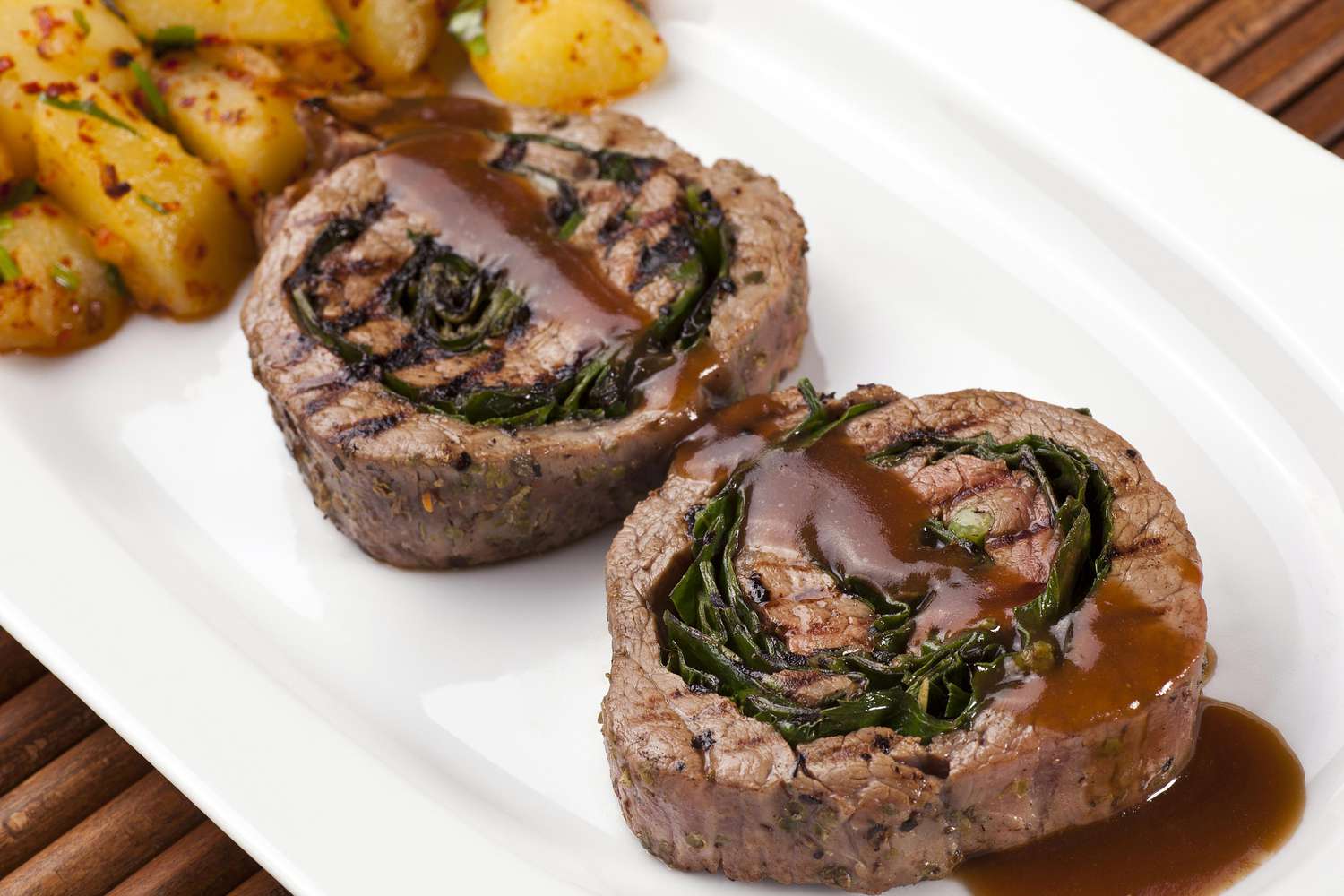
Stuffed London broil is one of those recipes that looks like it required a culinary school diploma, three assistants, and a dramatic soundtrack. In reality, it is a very achievable dinner made with a lean cut of beef, a flavorful filling, a little kitchen twine, and the confidence to roll meat like you mean it. The result is a beautiful sliced steak roll with savory spirals of spinach, cheese, herbs, garlic, and breadcrumbs tucked inside juicy beef.
London broil is often sold as a specific cut, but the term usually refers to a cooking method used for lean beef cuts such as flank steak, top round, or sirloin tip. These cuts benefit from marinating, quick high-heat cooking, resting, and slicing against the grain. When stuffed, London broil becomes even more exciting because the filling adds moisture, flavor, and visual appeal. It is the kind of dish that says, “Yes, I made dinner,” but also, “Please admire my knife work.”
This stuffed London broil recipe is designed for home cooks who want a meal that feels special without becoming a full-blown kitchen obstacle course. It works for Sunday dinner, holidays, date night, or any evening when plain steak sounds a little too predictable. The recipe below uses a classic spinach, garlic, Parmesan, mozzarella, and roasted red pepper filling, but it also includes variations, cooking tips, serving ideas, storage notes, and real-world experience to help you nail it the first time.
What Is Stuffed London Broil?
Stuffed London broil is a butterflied piece of lean beef that is filled, rolled, tied, seared or roasted, then sliced into pinwheels. The filling can be Italian-inspired, Mediterranean, steakhouse-style, or even holiday-ready with mushrooms and herbs. The key is using ingredients that bring flavor without making the inside watery.
Traditional London broil is usually marinated and cooked quickly under a broiler or on a grill. Stuffed London broil borrows that same lean-beef approach but adds a roulade-style twist. Because the meat is rolled, it cooks a little differently from a flat steak. You want enough heat to brown the outside, but not so much that the filling melts out and the beef turns tough.
Best Cut of Beef for Stuffed London Broil
The best cut for stuffed London broil is usually flank steak because it is relatively flat, flavorful, and easy to butterfly. Top round can also work, especially if it is sold as London broil, but it may need more careful pounding to create an even thickness. The goal is a piece of beef that can be opened like a book, filled, rolled tightly, and sliced cleanly after resting.
Good options include:
- Flank steak: The easiest and most reliable choice for stuffed London broil.
- Top round London broil: Budget-friendly and flavorful, but often thicker and leaner.
- Sirloin tip: A workable option if sliced thin and tenderized properly.
Ask your butcher to butterfly the meat if you are not comfortable doing it yourself. This small request can save time and prevent the “oops, I made beef confetti” problem that happens when a knife goes too far.
Ingredients for Stuffed London Broil
For the beef and marinade:
- 1 1/2 to 2 pounds London broil, preferably flank steak
- 1/4 cup olive oil
- 3 tablespoons soy sauce
- 2 tablespoons balsamic vinegar
- 1 tablespoon Worcestershire sauce
- 1 tablespoon Dijon mustard
- 3 cloves garlic, minced
- 1 teaspoon brown sugar or honey
- 1 teaspoon black pepper
- 1/2 teaspoon kosher salt
- 1 teaspoon dried Italian seasoning
For the stuffing:
- 2 cups fresh spinach, chopped
- 1/2 cup roasted red peppers, drained and chopped
- 3/4 cup shredded mozzarella cheese
- 1/3 cup grated Parmesan cheese
- 1/3 cup panko breadcrumbs
- 2 tablespoons chopped fresh parsley
- 1 tablespoon olive oil
- 2 cloves garlic, minced
- 1/4 teaspoon red pepper flakes, optional
- Salt and black pepper, to taste
For cooking:
- 1 tablespoon olive oil for searing
- Kitchen twine
- Instant-read meat thermometer
How to Make Stuffed London Broil
Step 1: Butterfly the London broil
Place the steak on a cutting board with the grain running left to right. Using a long, sharp knife, slice horizontally through the side of the meat, stopping about 1 inch before cutting all the way through. Open it like a book. If some parts are thicker than others, cover the meat with plastic wrap and gently pound it to about 1/2-inch thickness.
This step matters because an even thickness helps the stuffed London broil cook evenly. Thick spots stay underdone while thin spots dry out, and nobody invited that drama to dinner.
Step 2: Marinate the beef
In a bowl, whisk together olive oil, soy sauce, balsamic vinegar, Worcestershire sauce, Dijon mustard, garlic, brown sugar, black pepper, salt, and Italian seasoning. Place the butterflied beef in a large zip-top bag or shallow dish. Pour the marinade over the meat, cover, and refrigerate for at least 2 hours or up to overnight.
Marinating helps season the lean beef and adds a little tenderness. Avoid leaving the meat in a highly acidic marinade for too long, because vinegar and citrus can eventually affect the texture. For this recipe, 2 to 8 hours is the sweet spot.
Step 3: Make the stuffing
Heat 1 tablespoon olive oil in a skillet over medium heat. Add garlic and cook for about 30 seconds, just until fragrant. Add spinach and cook until wilted. Remove from heat and let it cool slightly. Squeeze out excess liquid from the spinach if needed.
In a bowl, combine the cooked spinach, roasted red peppers, mozzarella, Parmesan, panko breadcrumbs, parsley, red pepper flakes, salt, and black pepper. The breadcrumbs help absorb moisture and keep the stuffing from sliding out like it is making a dramatic escape.
Step 4: Fill and roll the steak
Remove the beef from the marinade and pat it dry with paper towels. Lay it flat on a cutting board. Spread the stuffing evenly over the surface, leaving about a 1-inch border around the edges. Starting from one long side, roll the steak tightly into a log.
Tie the roll with kitchen twine every 1 1/2 to 2 inches. Make sure the seam side is secure. If a little filling peeks out, do not panic. Stuffed steak is supposed to look rustic, not like it was assembled by a laser-guided robot.
Step 5: Sear the outside
Preheat the oven to 375°F. Heat 1 tablespoon olive oil in a large oven-safe skillet over medium-high heat. Place the rolled London broil seam-side down and sear for 2 to 3 minutes per side, turning carefully until browned all over.
Searing builds a flavorful crust and helps the outside of the meat look as good as the filling tastes. Use tongs and turn gently so the twine stays in place.
Step 6: Roast until done
Transfer the skillet to the oven. Roast for 25 to 35 minutes, depending on thickness, until the center reaches your preferred doneness. For food safety, whole cuts of beef should reach at least 145°F followed by a 3-minute rest. If you prefer medium-rare texture, many cooks remove the meat a little earlier and allow carryover heat to continue cooking, but always use a thermometer and follow safe cooking practices.
Step 7: Rest, slice, and serve
Remove the stuffed London broil from the oven and transfer it to a cutting board. Tent loosely with foil and rest for 10 minutes. This gives the juices time to settle and makes slicing easier. Cut away the twine, then slice the roll into 1/2-inch to 3/4-inch pinwheels.
Serve warm with pan juices spooned over the top. The slices should reveal a beautiful spiral of beef, spinach, cheese, and roasted peppers. It is dinner with a built-in applause cue.
Tips for the Best Stuffed London Broil Recipe
Do not overstuff the steak
It is tempting to pile on the filling like you are building a deli sandwich during a power outage. Resist. Too much stuffing makes the steak difficult to roll and can cause the filling to leak during cooking. A thin, even layer is best.
Pat the meat dry before searing
Moisture prevents browning. After marinating, pat the beef dry with paper towels before adding the stuffing. This helps the outside sear instead of steam.
Use kitchen twine, not toothpicks
Toothpicks can work for small steak roll-ups, but a whole stuffed London broil needs stronger support. Kitchen twine keeps the roll tight and helps it cook evenly.
Slice against the grain
London broil can be chewy if sliced incorrectly. Look for the direction of the muscle fibers and cut across them. This shortens the fibers and makes each bite more tender.
Let it rest before cutting
Cutting too soon releases the juices onto the cutting board instead of keeping them in the meat. Resting also helps the cheese and filling firm up slightly, making cleaner slices.
Flavor Variations
Italian Stuffed London Broil
Use provolone, prosciutto, basil, garlic, and sun-dried tomatoes. This version tastes like your steak took a vacation to a charming Italian countryside villa and came back with better accessories.
Mushroom and Swiss Stuffed London Broil
Sauté mushrooms and onions until deeply browned, then combine with Swiss cheese and breadcrumbs. This creates a steakhouse-style filling that pairs beautifully with mashed potatoes.
Mediterranean Stuffed London Broil
Use spinach, feta, olives, roasted red peppers, parsley, and lemon zest. The salty, bright filling balances the richness of the beef.
Garlic Herb Stuffed London Broil
Combine parsley, rosemary, thyme, garlic, Parmesan, and breadcrumbs for a classic herb-forward version. This is a great choice for holiday dinners.
What to Serve with Stuffed London Broil
Stuffed London broil is hearty, so it pairs well with sides that balance richness and add color. Mashed potatoes are a classic choice because they soak up the pan juices. Roasted vegetables, green beans, asparagus, or a crisp salad also work well.
Best side dishes include:
- Garlic mashed potatoes
- Roasted carrots and parsnips
- Green beans almondine
- Caesar salad
- Buttered egg noodles
- Roasted Brussels sprouts
- Crusty bread for soaking up juices
For sauces, try a simple balsamic reduction, mushroom gravy, chimichurri, or garlic herb butter. A little sauce goes a long way because the stuffing already brings plenty of flavor.
How to Store and Reheat Leftovers
Store leftover stuffed London broil in an airtight container in the refrigerator for up to 3 to 4 days. For best texture, keep the slices whole rather than chopping them. Reheat gently in a covered skillet with a splash of beef broth, or warm in a 300°F oven until heated through.
Avoid blasting leftovers in the microwave for too long, unless you enjoy turning beautiful steak pinwheels into chewy little hockey pucks. If using a microwave, cover the slices and heat in short intervals at reduced power.
Can You Make Stuffed London Broil Ahead?
Yes. You can butterfly, marinate, stuff, roll, and tie the London broil several hours ahead of cooking. Keep it covered in the refrigerator until ready to sear and roast. This makes it a smart option for entertaining because the messiest work can be done before guests arrive.
You can also prepare the stuffing one day in advance. Store it separately in the refrigerator and let it come closer to room temperature before spreading it over the beef. Cold stuffing can slow down cooking in the center of the roll.
Common Mistakes to Avoid
Skipping the thermometer
A thermometer is the most reliable way to know when stuffed London broil is done. Guessing based on color can be misleading, especially with a rolled steak that has filling inside.
Using wet filling
Spinach, mushrooms, and roasted peppers can carry extra moisture. Drain and squeeze them well before adding them to the stuffing. Too much liquid can make the inside soggy and cause the roll to split.
Rolling too loosely
A loose roll creates gaps, uneven cooking, and messy slices. Roll firmly, but do not squeeze so hard that the filling shoots out the sides like toothpaste.
Cooking at too high a temperature for too long
London broil is lean. High heat is useful for browning, but extended cooking can make it tough. Sear first, then roast at a moderate temperature until the center reaches the proper doneness.
Stuffed London Broil Recipe Card
Prep Time
25 minutes, plus marinating time
Cook Time
35 to 45 minutes
Total Time
About 1 hour 10 minutes, plus marinating
Servings
4 to 6 servings
Ingredients
- 1 1/2 to 2 pounds London broil or flank steak, butterflied
- 1/4 cup olive oil
- 3 tablespoons soy sauce
- 2 tablespoons balsamic vinegar
- 1 tablespoon Worcestershire sauce
- 1 tablespoon Dijon mustard
- 5 cloves garlic, divided
- 1 teaspoon brown sugar or honey
- 1 teaspoon dried Italian seasoning
- 2 cups chopped spinach
- 1/2 cup chopped roasted red peppers
- 3/4 cup shredded mozzarella
- 1/3 cup grated Parmesan
- 1/3 cup panko breadcrumbs
- 2 tablespoons chopped parsley
- Salt and pepper, to taste
- Kitchen twine
Instructions
- Butterfly the London broil and pound it to an even 1/2-inch thickness.
- Whisk olive oil, soy sauce, balsamic vinegar, Worcestershire sauce, Dijon, 3 minced garlic cloves, brown sugar, Italian seasoning, salt, and pepper.
- Marinate the beef for at least 2 hours or up to overnight in the refrigerator.
- Sauté remaining garlic with spinach until wilted. Cool slightly and squeeze out extra moisture.
- Mix spinach with roasted red peppers, mozzarella, Parmesan, panko, parsley, salt, and pepper.
- Pat beef dry. Spread stuffing over the meat, leaving a border around the edges.
- Roll tightly and tie with kitchen twine every 1 1/2 to 2 inches.
- Sear in an oven-safe skillet until browned on all sides.
- Roast at 375°F for 25 to 35 minutes, or until the center reaches safe doneness.
- Rest for 10 minutes, remove twine, slice into pinwheels, and serve.
Personal Experience and Practical Lessons from Making Stuffed London Broil
The first thing most home cooks learn when making stuffed London broil is that the recipe looks more intimidating before you start than it does once your hands are actually on the steak. A flat piece of beef, a bowl of filling, and a few pieces of kitchen twine may not seem glamorous at first, but halfway through rolling it up, you begin to understand why this dish has such dinner-party energy. It transforms basic ingredients into something that looks thoughtful, generous, and just a little theatrical.
One useful experience is learning how important the thickness of the meat really is. If one side of the London broil is much thicker than the other, the finished roll can cook unevenly. The thinner side may be perfectly done while the thicker side still needs more time. Pounding the steak gently is not just busywork; it is the difference between a clean spiral and a lopsided beef burrito with commitment issues. A meat mallet, rolling pin, or even the bottom of a sturdy skillet can help. The trick is to tap, not attack. You are evening the meat, not taking out your inbox frustrations.
Another lesson is that the filling should taste slightly bold before it goes into the steak. Beef has a strong flavor, and once the filling is rolled inside, subtle seasoning can disappear. Parmesan, garlic, herbs, roasted peppers, and a pinch of red pepper flakes help the stuffing stand up to the meat. At the same time, balance matters. Too much cheese can melt out, too many breadcrumbs can make the filling dry, and too much spinach moisture can make the roll soggy. The best filling is flavorful, moist, and cohesive, almost like a savory spread.
Kitchen twine also deserves respect. Many cooks try to avoid it, but it makes stuffed London broil much easier. Tying the roll at regular intervals keeps everything compact and helps create attractive slices. A good habit is to place the twine pieces under the steak before rolling. That way, once the beef is rolled, the twine is already in position. This prevents the awkward dance of trying to lift a stuffed meat log while cheese attempts to flee the scene.
Resting the meat may feel like the hardest part because the kitchen smells incredible by then. Still, the rest time is essential. When the stuffed London broil comes out of the oven, the juices are active and the cheese is very soft. Cutting immediately can cause the filling to spill out and the meat juices to run everywhere. Ten minutes of patience gives you cleaner slices, better texture, and a prettier plate. Use that time to finish the salad, pour drinks, or stand proudly near the stove pretending this was effortless.
Stuffed London broil is also flexible enough to fit different occasions. For a cozy family dinner, serve it with mashed potatoes and green beans. For a holiday table, add mushroom gravy and roasted root vegetables. For a lighter meal, pair it with a crisp salad and lemony asparagus. Leftovers are surprisingly useful, too. Thin slices can be tucked into sandwiches, served over rice, or chopped into a steak salad. The flavor often gets even better the next day because the filling and beef have had time to mingle.
The biggest takeaway is that stuffed London broil rewards preparation more than perfection. A neat roll is nice, but a slightly rustic one still tastes wonderful. A little filling may leak, a slice may wobble, and the twine marks may not look magazine-perfect. None of that matters once people start eating. This recipe is about turning an affordable, lean cut of beef into something memorable. It brings flavor, presentation, and comfort to the table without requiring professional equipment or advanced skills. In other words, it is exactly the kind of recipe worth keeping in your dinner rotation.
Conclusion
Stuffed London broil is a flavorful, impressive, and surprisingly practical recipe that turns lean beef into a centerpiece meal. With a good marinade, a balanced stuffing, careful rolling, and proper slicing, this dish delivers tender beef and savory filling in every bite. Whether you choose spinach and cheese, mushrooms and Swiss, or an Italian-style version with provolone and herbs, the method stays simple: butterfly, marinate, fill, roll, cook, rest, and slice.
This recipe is ideal for anyone who wants a dinner that feels special without being overly complicated. It is budget-friendly, customizable, and perfect for both family meals and entertaining. Just remember the golden rules: do not overstuff, tie it well, use a thermometer, rest before slicing, and cut against the grain. Follow those steps, and your stuffed London broil will look impressive, taste delicious, and possibly make people think you have been secretly training with a steak wizard.