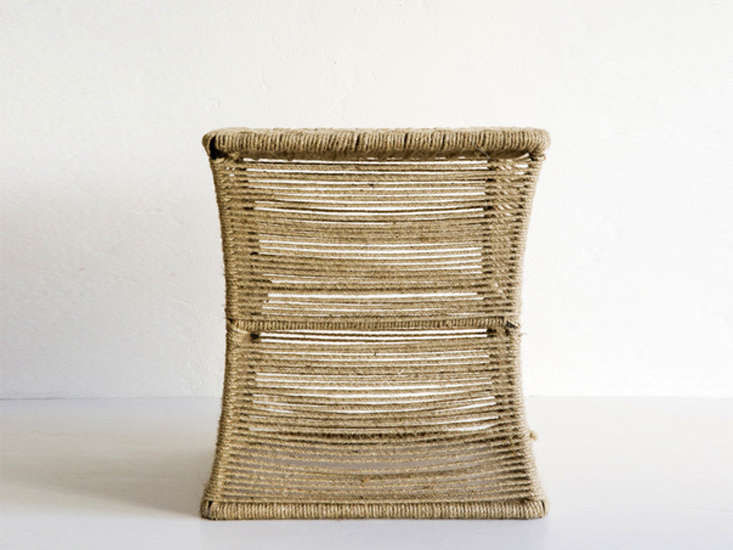
The Studio One Jute Z Stool is one of those deceptively simple home pieces that looks like it wandered in from a sunlit design studio, sat down politely, and decided to become useful. It is compact, textural, quietly sculptural, and far more interesting than the average “extra seat” hiding in the corner like it missed the party invitation.
At first glance, the stool’s charm comes from its natural jute surface and bold Z-shaped profile. But look a little longer and the appeal gets richer. This is not just a small stool; it is a flexible accent piece that can work as a low seat, footrest, bedside landing pad, plant stand, sculptural object, or that mysterious little table everyone ends up using for coffee, books, and keys. Its beauty lies in the balance between rustic material and modern form.
Originally featured as a curated furniture pick from Lost & Found Shop, the Studio One Jute Z Stool was described as handcrafted from salvaged raw material, giving each piece an environmentally friendly and individual character. The listing noted two sizes: a small version at approximately 15 inches high by 13 inches square, and a large version at approximately 17 inches high by 16 inches square. That scale makes it especially useful in apartments, reading corners, bedrooms, and living spaces where full-size furniture would feel like bringing a parade float into the room.
What Is the Studio One Jute Z Stool?
The Studio One Jute Z Stool is a low accent stool made with natural jute and salvaged raw material. Its name gives away two of its defining features: the jute texture and the Z-shaped silhouette. The stool has a compact footprint, but visually it does a lot of work. The angular form brings structure, while the woven or raw-fiber character softens the look.
That contrast is the secret sauce. Many natural-fiber pieces lean fully rustic, which can be beautiful but sometimes too beach-house-in-a-basket. The Z Stool feels more edited. It can sit comfortably in a minimalist room, a bohemian apartment, a coastal bedroom, a modern farmhouse entry, or an eclectic living room where nothing matches but somehow everything gets along.
Because it is handcrafted, the stool should not be expected to look machine-perfect. That is part of the point. Slight variations in tone, texture, and finish make each piece feel less like a catalog clone and more like something with a small backstory. Think of it as furniture with a personality, but thankfully not the kind that asks to borrow your car.
Why Jute Works So Well in Home Decor
Jute has been used for generations in sacks, burlap, twine, rugs, baskets, and home goods because it is strong, affordable, textured, and naturally warm in color. In interiors, jute brings visual depth without shouting. It adds texture the way a good supporting actor improves a movie: quietly, consistently, and without needing dramatic lighting.
One reason jute remains popular is its natural appearance. Its earthy beige, tan, and golden-brown tones pair easily with wood, linen, cotton, wool, leather, plaster, stone, and painted furniture. A jute stool can warm up a white room, relax a black-and-metal scheme, or add grounding texture to a space full of smooth surfaces.
Jute is also associated with sustainability because it is plant-based, biodegradable, and often used as an alternative to synthetic fibers. When paired with salvaged raw materials, as in the Studio One Jute Z Stool, the result feels aligned with slower, more thoughtful decorating. It is the opposite of disposable decor that looks tired before your receipt stops smelling like printer ink.
Design Analysis: The Power of the Z Shape
The Z-shaped profile is what separates this stool from a basic cube or round pouf. A cube is practical. A pouf is cozy. A Z stool has attitude. The angular form gives the piece a graphic quality, almost like a small architectural gesture placed on the floor.
This shape makes the stool especially useful in rooms that need a bit of tension. If your space has too many soft cushions, rounded lamps, fluffy throws, and gentle curves, the Studio One Jute Z Stool adds a crisp line. If your room is already modern and angular, the jute material keeps the stool from feeling cold or severe.
In design terms, it bridges organic and geometric. That is why it photographs well, styles easily, and feels more expensive than its small size might suggest. The shape catches the eye, while the natural fiber keeps the piece approachable.
Best Places to Use a Studio One Jute Z Stool
1. Beside a Lounge Chair
Place the stool next to a reading chair and it instantly becomes a casual side table. Add a small tray on top for a cup of tea, a paperback, or your phone. Without a tray, the textured top is better suited for soft goods, books, or decorative objects rather than anything wobbly or spill-prone.
2. At the Foot of a Bed
In a bedroom, the stool works as a small perch for slippers, a folded throw, or tomorrow’s outfit if you are the kind of person who plans ahead. For the rest of us, it can hold the sweater we tried on, rejected, and respectfully abandoned.
3. In an Entryway
A compact stool near the door is useful for putting on shoes, dropping a tote bag, or adding visual interest to an otherwise narrow space. Pair it with wall hooks, a small mirror, and a woven basket for a natural, practical entry setup.
4. As a Plant Stand
The Z Stool can elevate a plant beautifully, especially trailing greenery or a sculptural pot. To protect the jute and raw material, always use a waterproof saucer and avoid placing freshly watered plants directly on the stool. Jute and surprise puddles are not best friends.
5. In a Bathroom Dressing Area
If the bathroom is dry, well-ventilated, and spacious enough, the stool can add spa-like warmth. However, it should not sit where it will be splashed often. Natural fibers can absorb moisture, which may lead to discoloration, odor, or faster wear.
How to Style the Studio One Jute Z Stool
The easiest way to style this piece is to treat it as a texture anchor. It does not need much decoration. In fact, overstyling it can ruin the charm. The stool already brings form, material, and character, so the goal is to support it rather than bury it under accessories.
For a Minimalist Room
Use the stool as the only rustic element in a clean, neutral space. Pair it with white walls, pale oak, a linen sofa, and black accents. The jute will prevent the room from feeling too sterile, like a showroom where nobody is allowed to sneeze.
For a Bohemian Space
Layer it with patterned pillows, a vintage rug, ceramic lamps, and woven baskets. The stool will blend naturally into a collected look while still offering enough structure to keep the room from becoming a texture jungle.
For a Coastal Interior
Pair the stool with slipcovered seating, light woods, cotton throws, and blue or sandy accents. It adds beachy warmth without resorting to seashell overload. Your living room can whisper “coastal” without yelling “souvenir shop.”
For a Modern Farmhouse Look
Use it beside a spindle chair, iron bed, or reclaimed wood console. The raw material quality works well with farmhouse style, but the Z silhouette keeps the look current rather than overly rustic.
What to Pair With a Jute Z Stool
Because the Studio One Jute Z Stool is neutral, it pairs with many materials. Wood is the most natural partner. Oak, pine, walnut, teak, and reclaimed wood all work beautifully. Linen and cotton bring softness, while black metal creates contrast. Ceramic pieces, especially handmade vases or matte planters, enhance the artisanal feeling.
For colors, stay close to nature if you want an easy win: cream, clay, olive, charcoal, rust, sand, warm white, and muted blue. If your style is bolder, the stool can also calm bright colors. Try it near a cobalt chair, terracotta wall, or patterned rug. Jute is basically the friend who can sit at any lunch table.
Avoid pairing it with too many shiny synthetic finishes. High-gloss plastic, chrome-heavy furniture, and ultra-slick surfaces can make the stool feel out of place unless the contrast is intentional. The best combinations let the stool’s natural texture breathe.
Care and Maintenance Tips
Natural-fiber furniture needs simple but consistent care. The original product guidance warned against leaving the stool in direct sunlight or water for prolonged periods because that can accelerate aging. This is especially important for jute, which is absorbent and sensitive to moisture.
Keep It Dry
Use the stool indoors or in a protected area. Avoid damp basements, wet bathrooms, uncovered patios, or anywhere it might sit in moisture. If a spill happens, blot immediately with a clean, dry cloth. Do not scrub aggressively, because rough scrubbing can disturb the fibers.
Avoid Long Sun Exposure
Some sunlight is fine, but constant harsh sun can fade and weaken natural materials over time. If the stool sits near a bright window, rotate it occasionally or use window treatments during the strongest afternoon light.
Dust Regularly
Use a soft brush, dry cloth, or vacuum with a gentle attachment. Dust and grit can settle into textured fibers, so light maintenance keeps the stool looking fresh. This is not a piece that needs dramatic cleaning rituals. No steam cleaners, no soaking, no heroic bucket-and-sponge situation.
Use a Tray for Drinks
If you want to use the stool as a side table, place a stable tray on top. This protects the surface and makes it easier to hold cups, candles, or small objects. A round wooden tray or shallow ceramic tray can look especially good against the jute texture.
Is the Studio One Jute Z Stool Comfortable?
The stool is best understood as occasional seating rather than a lounge chair substitute. It can offer a handy perch, but it is not designed for long movie marathons or deep philosophical conversations that last until 2 a.m. The compact proportions and structured shape make it more useful as an accent seat, footrest, or small surface.
For comfort, add a slim cushion if the stool will be used regularly for sitting. A neutral linen cushion, small kilim pad, or folded textile can soften the top while adding another layer of style. Just keep the cushion proportional; a giant pillow on a small stool will look like a marshmallow trying to wear a belt.
Who Should Buy This Stool?
The Studio One Jute Z Stool is ideal for people who love natural materials, compact furniture, and design pieces that do more than one job. It suits small-space dwellers, renters, stylists, collectors of artisan decor, and anyone who wants texture without clutter.
It is also a smart choice for people who prefer furniture with visible character. If you like everything glossy, identical, and factory-perfect, a handcrafted jute stool may feel too irregular. But if you appreciate subtle variations, natural aging, and pieces that look collected rather than mass-produced, this stool fits beautifully.
Potential Drawbacks to Consider
No piece is perfect, not even a charming little stool with good cheekbones. The Studio One Jute Z Stool has a few practical limitations. First, natural jute can be sensitive to moisture. Second, handcrafted materials may vary in color and finish. Third, the stool’s low height means it will not work as dining seating or standard desk seating.
It may also require extra shipping charges because furniture often ships differently from small decor items. If buying a similar piece today, always check current availability, shipping cost, return policy, and exact dimensions before ordering.
That said, these drawbacks are manageable if you use the stool as intended: indoors, away from prolonged water and sun exposure, and as a flexible accent rather than heavy-duty utility furniture.
Decorating Ideas Inspired by the Studio One Jute Z Stool
One of the best ways to use a stool like this is to create small moments around the home. A stool does not need to dominate a room to matter. Sometimes the most memorable interiors are built from small, thoughtful details: a textured stool beside a chair, a ceramic bowl on a woven surface, a folded throw placed just so.
Try placing the stool below a framed artwork to create a mini vignette. Add a single sculptural vase, but leave some negative space. Or use it beside a bathtub with a candle and towel if the area is dry and protected. In a guest room, place it next to the bed with a book and a small dish for jewelry. In a living room, tuck it near the sofa so it can move wherever needed.
For a layered look, combine the stool with a jute or wool rug, but avoid making every single item in the room woven. Too much texture can turn charming into “accidental storage closet.” Balance jute with smooth ceramics, glass, painted wood, or soft upholstery.
Experience-Based Notes: Living With a Piece Like the Studio One Jute Z Stool
After spending time with natural-fiber accent stools in real rooms, one thing becomes clear: their value is not only in function, but in how they change the mood of a space. A piece like the Studio One Jute Z Stool makes a room feel more relaxed almost instantly. It brings a handmade quality that softens sharp corners, warms up plain walls, and gives the eye somewhere pleasant to land.
The best experience comes from using it flexibly. In a living room, it may begin beside an armchair, holding a book and a cup on a tray. By the weekend, it may become a footrest during a long conversation. Later, it might move near the window to hold a plant. That mobility is part of the pleasure. Unlike a heavy coffee table or bulky ottoman, a compact jute stool can shift roles without requiring a furniture-moving committee and three emotional support snacks.
In small apartments, this kind of stool earns its keep quickly. It can fill an awkward corner without making the room feel crowded. It can act as a visual bridge between a sofa and a chair. It can provide extra seating when someone stops by, even if that seating is best for short visits. It is not the chair you offer someone for Thanksgiving dinner, but it is perfect for casual, everyday use.
The texture also changes how accessories look. A plain white vase feels warmer on jute. A stack of books looks more intentional. A small lamp nearby feels softer because the stool adds an earthy counterpoint. This is why designers often use natural fibers in styled spaces: they prevent rooms from looking too flat. Even a neutral room needs texture, or it risks looking like it was decorated by a very organized cloud.
Care habits matter. The easiest routine is to keep the stool dry, dust it lightly, and avoid placing drinks directly on it. A tray is the simplest upgrade. It makes the stool more functional and protects the surface. If using it for plants, a waterproof saucer is non-negotiable. Natural fibers can forgive many things, but slow leaks from a plant pot are not among them.
Over time, a jute stool may develop a more relaxed, lived-in look. That is not necessarily a flaw. Many natural materials age with character, especially when treated gently. The key is to distinguish patina from damage. Softening, slight color variation, and minor texture changes can look beautiful. Water stains, mildew, or fiber breakdown are signs the piece needs better placement or care.
In styling terms, the Studio One Jute Z Stool works best when it is allowed to be useful and visible. Do not hide it under piles of stuff. Let the Z shape show. Let the jute texture contrast with nearby materials. Place it where it can be touched, moved, and used. The charm of this stool is that it feels both designed and down-to-earth, which is harder to achieve than it sounds.
Ultimately, the experience of owning a piece like this is about slowing the room down. It adds warmth without heaviness, personality without clutter, and function without fuss. For anyone building a home that feels natural, collected, and quietly stylish, the Studio One Jute Z Stool is the kind of small piece that can make a surprisingly big difference.
Conclusion
The Studio One Jute Z Stool is a compact, character-rich accent piece that blends natural jute texture with a modern sculptural shape. Its salvaged-material story, handcrafted feel, and flexible size make it especially appealing for thoughtful interiors where every object needs to earn both its space and its compliments.
Use it as a low stool, footrest, side table, plant stand, or decorative accent. Keep it dry, protect it from prolonged direct sun, and style it with materials that let its texture shine. It may be small, but in the right room, it has the confidence of a much larger piece of furniture.