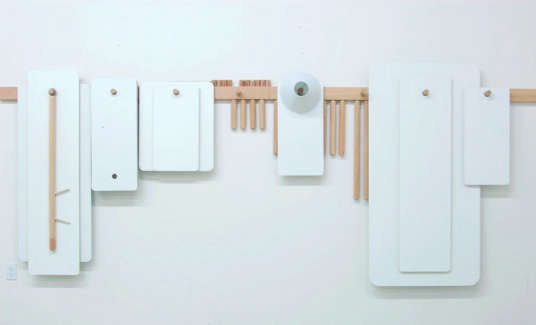
Note: This article is written for web publication and synthesizes practical storage concepts, pegboard organization methods, modular wall storage principles, and real-world home organization best practices into original content.
What Is a Peg System Concept?
The storage peg system concept is beautifully simple: take a flat vertical surface, add a grid of holes or rails, insert removable pegs, hooks, shelves, baskets, or holders, and suddenly your wall becomes a flexible storage command center. It is part organization tool, part design trick, and part “why did I leave all this stuff in a drawer for five years?” moment.
At its core, a peg system turns unused wall space into accessible storage. Instead of hiding tools, kitchen utensils, craft supplies, office gear, gardening items, or entryway essentials in overstuffed cabinets, a peg system lets you see what you own and grab it quickly. The system can be as rugged as a metal garage pegboard or as polished as a Scandinavian-inspired wood peg wall in a home office.
The beauty of peg storage is flexibility. A drawer gives you one kind of storage. A cabinet gives you another. But a peg system can change every week. Today it holds screwdrivers. Tomorrow it holds headphones, keys, dog leashes, tape rolls, scissors, small baskets, measuring cups, or a tiny shelf for that one plant you are trying very hard not to kill.
Why Peg Systems Are So Popular in Modern Storage Design
Home storage has changed. People want organization that is useful, attractive, affordable, and easy to adjust. A peg system checks all four boxes. It works in small apartments, garages, workshops, kitchens, laundry rooms, craft corners, dorm rooms, mudrooms, and kids’ spaces. In other words, if there is a wall and a pile of clutter nearby, a peg system is probably raising its hand politely.
One major reason peg systems are popular is that they use vertical storage. Floors get crowded fast. Countertops become landing zones for everything from mail to mystery screws. Drawers turn into archaeological sites. Walls, however, are often underused. A pegboard storage system allows you to move items up and out of the way while keeping them visible and reachable.
Another advantage is customization. Traditional shelves are helpful, but they are fixed. Peg systems are modular. Hooks can move. Shelves can shift. Baskets can be replaced. Accessories can grow with your needs. This makes peg storage especially useful for hobbies, tools, and household routines that change over time.
Main Types of Peg Storage Systems
Classic Hardboard Pegboards
Classic pegboards are usually made from tempered hardboard with evenly spaced holes. They are affordable, lightweight, and easy to cut to size. This type of pegboard is common in garages and workshops because it handles everyday tools well and is widely available.
Hardboard pegboards are best for lighter to medium-weight items such as pliers, wrenches, scissors, tape, paintbrushes, rulers, small bins, and hand tools. They are not ideal for very heavy loads unless installed carefully with proper backing and support.
Metal Pegboards
Metal pegboards are the tough cousins of hardboard pegboards. They are stronger, more moisture-resistant, and often better suited for garages, basements, utility rooms, and commercial workspaces. If your storage zone includes heavy tools, humid air, or a person who believes “good enough” means hanging a sledgehammer on the wall, metal is worth considering.
Metal systems often include specialized hooks, shelves, bins, and brackets designed to lock into place. This can reduce wobbling and make the storage wall feel more secure.
Wood Peg Rail and Dowel Systems
A wood peg system is often used in entryways, kitchens, bedrooms, and living spaces where style matters as much as storage. Instead of small metal hooks, these systems use larger wooden pegs or dowels inserted into a wall-mounted board or panel.
Wood peg rails are excellent for coats, hats, bags, baskets, towels, cutting boards, and decorative shelves. They bring a warmer, more furniture-like look than a workshop pegboard. Think less “garage project” and more “organized home with excellent taste.”
Modular Peg Wall Panels
Modern modular peg wall panels combine function and design. These systems often use larger holes, interchangeable pegs, shelves, trays, and boxes. They work especially well in home offices, craft rooms, children’s rooms, studios, retail displays, and small-space apartments.
The larger format makes them easier to style. You can mix storage with decor: a shelf for books, a peg for headphones, a basket for markers, and a tiny framed print that says “organized chaos,” because honesty is important.
Slatwall and Rail-Based Alternatives
Although not technically pegboards, slatwall and rail systems belong in the same storage family. They use horizontal channels or tracks to hold hooks, shelves, bins, racks, and baskets. Slatwall is often better for larger items like bikes, garden tools, ladders, sports gear, and bulky garage supplies.
A useful way to compare them is this: pegboards are great for small and medium items; slatwalls are great for larger and heavier items. Many organized garages use both.
Where to Use a Peg System at Home
Garage and Workshop
The garage is the classic home of pegboard storage, and for good reason. Tools are easier to use when they are visible. A pegboard wall above a workbench can hold screwdrivers, hammers, levels, tape measures, clamps, safety glasses, paint brushes, extension cords, and hardware bins.
For the best layout, group tools by task. Put measuring tools together, painting supplies together, gardening tools together, and frequently used hand tools at eye level. Store rarely used items higher or farther to the side. The goal is to stop the garage from turning into a tool-themed escape room.
Kitchen
A kitchen peg system can free up cabinet and drawer space. It can hold pots, pans, lids, utensils, measuring spoons, cutting boards, mugs, spice jars, and small shelves. This idea works especially well in small kitchens where every inch counts.
For kitchen use, choose materials that are easy to clean. Painted wood, sealed wood, stainless steel, powder-coated metal, or durable modular panels are practical choices. Keep the layout tidy by hanging only items you use often. If the fondue fork set from 2008 has not seen daylight in a decade, it does not need prime wall real estate.
Home Office
A pegboard organizer above a desk can hold notebooks, headphones, pens, charging cables, sticky notes, scissors, calendars, mail, and small tech accessories. This keeps the desk surface clear, which is helpful for productivity and also for finding your coffee before it goes cold.
Office peg systems work best when they include a mix of hooks, cups, trays, shelves, and clips. A small shelf can hold a speaker or decorative object, while hooks manage cords and headphones. The result is practical but not sterile.
Craft Room or Studio
Craft supplies multiply when no one is looking. Ribbon, thread, scissors, glue, markers, tape, paper punches, paint, brushes, beads, rulers, and yarn all need homes. A peg system is perfect because craft supplies vary widely in size and shape.
Use clear containers, labeled cups, small baskets, rods, and hooks. Arrange supplies by project type or color. A pegboard craft wall can be both a storage system and a creative display. It says, “I am artistic,” while quietly preventing the glitter from conquering the entire room.
Entryway and Mudroom
Entryways collect keys, bags, jackets, sunglasses, umbrellas, dog leashes, mail, hats, and the emotional weight of everyone arriving home at once. A peg rail or pegboard system can create a compact drop zone.
Use sturdy pegs for bags and coats, small shelves for keys, baskets for gloves, and labels for family members. In a mudroom, larger pegs can hold backpacks, sports bags, reusable shopping totes, and seasonal accessories.
Laundry Room
A laundry room peg system can hold lint rollers, cleaning brushes, stain removers, clothespins, mesh bags, spray bottles, small baskets, and drying accessories. It is especially useful in narrow laundry spaces where cabinets make the room feel cramped.
For best results, avoid overloading the wall. Laundry rooms are often humid, so choose sealed, plastic, or metal materials when moisture is a concern.
Kids’ Rooms and Play Areas
A peg system in a child’s room can organize art supplies, dress-up items, headphones, small toys, books, bags, and school supplies. The key is height. Put daily-use items within the child’s reach and keep adult-managed items higher.
Bright colors, labeled bins, and picture tags make the system easier for kids to use. When children can see where items belong, cleanup becomes less mysterious. Not always automatic, but less mysterious.
How to Plan a Peg System Storage Layout
Step 1: Choose the Purpose
Before buying anything, decide what the peg system needs to do. Is it for tools, cookware, craft supplies, office gear, entryway storage, or decorative display? The purpose determines the material, size, hardware, and placement.
A garage tool wall needs strength. A kitchen pegboard needs cleanability. A home office peg wall needs a balance of function and style. A kids’ room peg system needs safety and accessibility.
Step 2: Measure the Space
Measure the wall area carefully. Consider nearby doors, outlets, switches, cabinets, furniture, windows, and walking paths. Leave enough clearance so hanging items do not bump into people, chairs, appliances, or cabinet doors.
If you are installing above a desk or workbench, leave enough room between the surface and the pegboard for larger items. A pegboard that starts too low can make the workspace feel crowded.
Step 3: Sort Items Before Hanging
Do not install a pegboard and then dump everything onto it. First, sort the items you plan to store. Keep what you use. Donate, recycle, or discard what you do not need. Organizing clutter is still clutter; it just wears a nicer outfit.
Group items by category and frequency of use. Daily-use items should be easiest to reach. Seasonal or backup items can go higher, lower, or off to the side.
Step 4: Pick the Right Accessories
Accessories make the peg system work. Common options include straight hooks, curved hooks, double hooks, baskets, shelves, cups, bins, rods, clips, magnetic strips, tool holders, and peg-mounted trays.
Use shelves for items that cannot hang. Use baskets for loose supplies. Use hooks for tools and bags. Use clips for paper, photos, labels, or lightweight items. The best peg system usually includes several accessory types instead of one hook trying to do the job of an entire storage department.
Step 5: Test the Layout
Before finalizing the arrangement, lay items on the floor in the approximate layout or temporarily place hooks and accessories. Check whether the most-used items are easy to reach and whether heavy objects are properly supported.
Leave some empty space. A peg system packed edge to edge may look impressive for about six minutes, then become annoying. Breathing room makes the system easier to use and easier to maintain.
Installation Tips for a Strong Peg System
A pegboard needs space behind it so hooks can fit through the holes. For classic pegboard, this usually means mounting it over furring strips or spacers instead of directly against the wall. The strips create a gap and also help distribute weight.
Whenever possible, screw the support strips into wall studs. If studs are not available, use proper wall anchors rated for the load. For masonry, use appropriate concrete or brick anchors. Heavy-duty storage should never rely on guesswork, hope, or that one screw you found in a kitchen drawer.
For garages and workshops, choose thicker pegboard or metal panels for durability. For kitchens and bathrooms, consider moisture-resistant materials. For decorative rooms, paint the panel or frame it with trim so it feels intentional rather than borrowed from a hardware aisle.
Always check weight limits for the board, hooks, shelves, and fasteners. The weakest part of the system determines what it can safely hold. A strong hook does not help much if the board itself cannot handle the load.
Design Ideas That Make Peg Storage Look Better
Paint the Pegboard
Painting a pegboard can transform it from purely practical to stylish. Match the wall color for a subtle built-in effect, or choose a contrasting color for a bold feature wall. In a kitchen, a painted pegboard can become part of the decor. In a craft room, it can add energy and personality.
Add a Frame
Wood trim around the edges gives a pegboard a finished look. This works especially well in home offices, bedrooms, entryways, and studios. A frame also helps the board look like a design choice rather than a storage emergency.
Use Matching Containers
Matching baskets, cups, and bins create visual order. They do not have to be expensive. Simple white bins, metal baskets, clear cups, or natural wood accessories can make the system feel clean and cohesive.
Mix Open Storage With Negative Space
Open storage is convenient, but too much of it can feel busy. Leave open areas between groups of items. Use symmetry where possible. Display attractive tools, cookware, or supplies, and hide less attractive items in bins or cabinets nearby.
Peg System Concept vs. Traditional Storage
Traditional storage hides items. Peg systems display them. Neither approach is always better; they simply solve different problems. Cabinets are great for items you do not want to see. Drawers are great for small loose objects. Shelves are great for bins and boxes. Peg systems are great for items you use often and want within reach.
The strongest storage plan often combines several systems. In a garage, you might use pegboard for hand tools, shelves for bins, cabinets for chemicals, and ceiling racks for seasonal items. In a kitchen, you might use pegboard for frequently used cookware, drawers for utensils, and cabinets for appliances.
A peg system is not a magic wand. It will not make you love sorting screws by size. But it can make storage easier, faster, and more visual. That matters because an organization system only works if people actually use it.
Common Mistakes to Avoid
Overloading the Board
The fastest way to ruin a peg system is to hang too much on it. Heavy objects need stronger panels, better hardware, and secure wall mounting. If an item makes you wonder, “Is this too heavy?” the answer is probably, “Let’s not find out the loud way.”
Ignoring Daily Habits
A beautiful pegboard that does not match your routine will fail. Store items where you naturally use them. Put coffee tools near the coffee station, gardening gloves near the garage door, craft scissors near the worktable, and keys near the entry.
Choosing Looks Over Function
A peg wall can be attractive, but function comes first. If the hooks are too small, baskets too shallow, or shelves too narrow, the system becomes decoration with commitment issues.
Forgetting Labels
Labels are helpful when multiple people use the same space. They are especially useful in garages, laundry rooms, classrooms, craft rooms, and family entryways. Labels reduce the classic household mystery: “Where does this go?”
Best Items to Store on a Peg System
A peg system can hold an impressive variety of items. In the garage, store hand tools, cords, safety glasses, tape, clamps, small parts bins, and gardening tools. In the kitchen, hang pots, pans, lids, utensils, strainers, cutting boards, and mugs. In the office, organize headphones, pens, calendars, cords, notebooks, and mail.
In a craft room, peg systems can hold scissors, ribbons, paintbrushes, yarn, thread, rulers, paper rolls, markers, and glue. In the entryway, they can hold keys, bags, hats, jackets, umbrellas, and dog leashes. In the laundry room, they can hold lint rollers, cleaning brushes, clothespins, and stain treatment supplies.
The main rule is simple: store items that are used often, safe to display, and easy to hang or contain. If something is fragile, very heavy, rarely used, or visually chaotic, it may belong in a cabinet instead.
Budget-Friendly Peg System Ideas
You do not need a luxury custom wall to enjoy peg storage. A basic hardboard panel, a few furring strips, screws, hooks, and small baskets can create a useful system at a modest cost. Start with one section rather than covering an entire wall. Expand only after you know what works.
Repurpose containers you already own. Small cups can hold pens or brushes. Jars can hold hardware. Baskets can hold cords or gloves. Scrap wood can become mini shelves. PVC pipe can be cut into tool cubbies. The peg system concept rewards creativity, which is good news for anyone whose budget currently says, “Please be creative.”
For a polished look without overspending, paint the board, choose one accessory color, and group similar items together. Simple visual consistency makes even budget storage look intentional.
Maintenance: How to Keep a Peg System Organized
Once the peg system is installed, maintenance is easy but necessary. Review the wall every month or two. Remove items that no longer belong. Adjust hooks when routines change. Replace weak accessories. Tighten hardware if anything feels loose.
Use the “prime zone” wisely. The center area between waist height and eye level should hold your most-used items. Less-used items can go above, below, or to the edges. This keeps the system practical rather than merely photogenic.
Also, resist the urge to fill every empty hole. Empty space is not wasted space. It is future flexibility. It is visual calm. It is the difference between “organized” and “hardware store sneezed on my wall.”
Storage: Peg System Concept in Real Life
The peg system concept works because it respects how people actually live. We need storage that can change. We buy new tools, start new hobbies, move into smaller homes, work from home, cook more, craft more, and occasionally decide that this is the year we become very serious about gardening.
A good peg system supports those changes. It gives items a visible home. It makes cleanup faster. It reduces drawer digging. It turns forgotten vertical space into a useful storage zone. Most importantly, it makes organization feel less like punishment and more like design.
Whether you install a rugged pegboard above a workbench, a sleek wood peg rail in an entryway, or a colorful modular peg panel in a craft room, the concept remains the same: keep useful things accessible, adjustable, and easy to return to their place.
Conclusion
The storage peg system concept is one of the most practical and adaptable organization ideas for modern homes. It saves space, improves visibility, reduces clutter, and works in nearly every room. From garage tools to kitchen pans, craft supplies to office accessories, peg systems give everyday items a clear, reachable home.
The best peg storage setup starts with a purpose, uses the right materials, includes strong installation, and leaves room for change. It should fit your habits, not fight them. When done well, a peg system is more than a wall with holes. It is a flexible storage strategy that makes your space easier to use and much easier to love.
Personal Experiences and Practical Lessons About the Storage Peg System Concept
One of the most useful things about a peg system is that it teaches you what you actually use. When items are hidden in drawers or stacked in boxes, it is easy to pretend everything is important. Once those items are displayed on a pegboard, the truth becomes visible. The favorite screwdriver gets used every week. The odd little wrench from a mystery furniture kit sits untouched like a tiny metal fossil. That visibility is powerful.
In a garage or workshop, the first major lesson is to place tools based on motion. The items used most often should sit closest to the workbench and dominant hand. Measuring tape, pencil, utility knife, screwdriver set, and safety glasses deserve the best spots. Rarely used tools can live farther away. This sounds obvious, but many people organize by tool size or appearance instead of workflow. A peg system works best when it follows the way tasks actually happen.
Another experience-based tip is to outline tool shapes only after testing the layout. Some people draw outlines around tools immediately, which looks wonderfully organized. The problem is that the first layout is rarely the best layout. Use the system for a few weeks before making anything permanent. Move hooks around. Try different basket positions. Notice what feels awkward. Only then should you add labels, outlines, or more permanent visual guides.
In kitchens, the peg system concept is most successful when it is edited carefully. A kitchen pegboard should not hold every utensil you own. It should hold the items you reach for constantly: the skillet, the strainer, the ladle, the measuring cups, the cutting board, the everyday pan lid. Too many items can make a kitchen feel visually noisy. A curated pegboard, however, feels charming and efficient. It can even make cooking feel faster because the tools are already in sight.
In a home office, peg systems are excellent for removing clutter from the desk surface. A small wall panel can hold headphones, charging cables, sticky notes, pens, notebooks, and mail. The biggest lesson here is to combine storage with a little personality. Add one small plant, a framed card, or a favorite object. A peg wall that is only functional can look stiff. A peg wall with a touch of personality feels intentional and pleasant to use.
For families, peg systems work best when everyone understands the zones. In an entryway, one peg per person can reduce morning chaos. Add a small basket for each family member, and suddenly keys, gloves, sunglasses, and permission slips have a fighting chance. The system does not have to be perfect. It just has to be easier than dropping everything on the nearest chair, which is the unofficial storage system of many busy homes.
The final lesson is that a peg system should evolve. The first version is not the final version. Seasons change. Hobbies change. Kids grow. Tools get added. Work routines shift. The great strength of peg storage is that it can adapt without requiring a full renovation. Move a hook, add a shelf, remove a basket, repaint the panel, or expand the wall. A good peg system is never frozen in time. It is a living storage concept, which sounds dramatic for a board with holes, but honestly, it earns the title.


