A stainless steel hutch is what happens when kitchen storage decides to stop being decorative and start paying rent. It is tough, clean-looking, practical, and oddly satisfying in the way only a perfectly organized shelf of plates, pans, coffee mugs, or prep tools can be. Whether you are designing a restaurant kitchen, upgrading a bakery workstation, organizing a garage, or giving your home kitchen a polished industrial edge, a stainless steel hutch can deliver storage without the drama.
Unlike a traditional wooden hutch, which often leans into farmhouse charm, glass doors, and “please do not spill tomato sauce on me” energy, a stainless steel hutch is built for real-world use. It resists moisture, wipes down quickly, holds weight confidently, and fits naturally in spaces where hygiene, durability, and efficiency matter. That includes commercial kitchens, food trucks, laboratories, laundry rooms, outdoor kitchens, and modern homes that prefer function with a clean metallic finish.
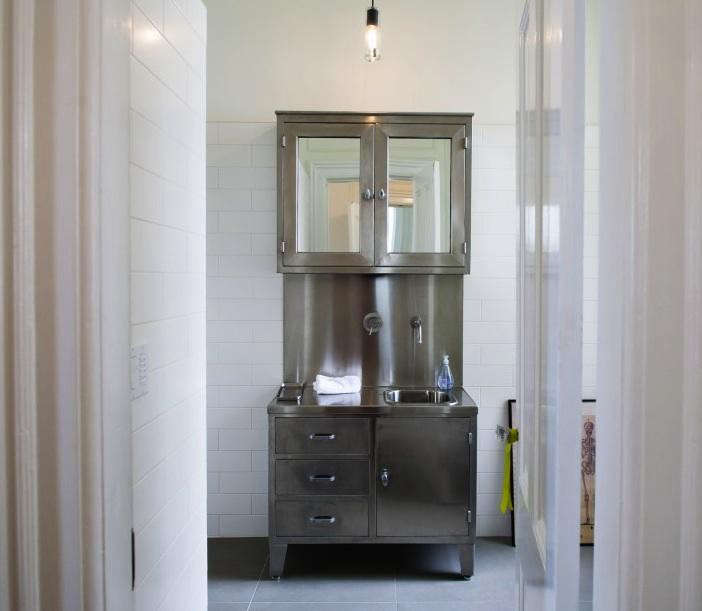
In simple terms, a stainless steel hutch is a storage unit made primarily from stainless steel, usually combining shelving, cabinets, doors, backsplashes, drawers, or overhead compartments. Some models are wall-mounted. Others sit over work tables. Some are enclosed with hinged or sliding doors, while others are open for fast access. Think of it as the organized adult in the room: not flashy, but always useful.
What Is a Stainless Steel Hutch?
A stainless steel hutch is a vertical or semi-vertical storage structure designed to keep items accessible, protected, and organized. In commercial foodservice, the term may overlap with stainless steel wall cabinets, overshelves, enclosed storage cabinets, utility hutches, or prep-table shelving systems. In residential use, it may refer to a freestanding kitchen hutch, pantry cabinet, microwave station, coffee bar, garage storage cabinet, or outdoor kitchen storage unit made from stainless steel or stainless-style metal.
The main idea is simple: raise storage upward, protect supplies, and make better use of space. If a base cabinet gives you storage below the counter, a hutch gives you storage above, beside, or around the working area. That vertical design can turn dead wall space into a practical zone for dishes, spices, trays, towels, cleaning supplies, small appliances, or restaurant prep tools.
Why Stainless Steel Works So Well
Stainless steel is popular because it balances strength, cleanliness, and long-term value. It is not magic metal, despite what late-night kitchen remodel videos may suggest, but it is very good at surviving environments that would make wood, particleboard, and painted finishes quietly give up.
Durability for Heavy Use
A quality stainless steel hutch can handle daily opening, closing, wiping, loading, unloading, and the occasional “oops, I dropped the stockpot” moment. Commercial designs often use thicker gauges, reinforced shelves, welded frames, and heavy-duty hardware. For restaurants, cafeterias, hotels, bakeries, and institutional kitchens, that durability is not a luxury. It is survival.
Easy Cleaning and Better Hygiene
Stainless steel has a smooth, nonporous surface, which makes it easier to clean than many porous or coated materials. In food areas, cleanability matters because crumbs, grease, moisture, and residue are not just unattractive; they invite bacteria, pests, odors, and health-code headaches. A stainless steel hutch can be wiped down with mild soap, warm water, and the right non-chloride cleaner. It does not need polishing rituals involving three candles and a whispered apology.
Moisture Resistance
Kitchens are wet places. Steam, splashes, condensation, mop water, and dishwashing chaos all show up eventually. Wood can swell. Laminate can peel. Painted metal can chip. Stainless steel resists rust and staining better when properly selected and maintained, making it a smart choice for humid rooms, prep zones, and spaces near sinks or dish areas.
Modern Appearance
A stainless steel hutch adds a professional, modern, and slightly chef-approved look. In a home kitchen, it can create a clean industrial style. In a commercial kitchen, it blends with work tables, sinks, shelves, carts, and appliances. The finish can be brushed, polished, or matte, but the overall effect is usually the same: organized, serious, and ready for action.
Common Types of Stainless Steel Hutches
Wall-Mounted Stainless Steel Hutch
A wall-mounted stainless steel hutch is installed above a counter, sink, prep table, or service area. It may be open-front for fast access or enclosed with doors to protect contents. Commercial wall cabinets are especially useful where floor space is limited. A small restaurant kitchen can feel like a game of Tetris played with hot pans, so wall storage is often a lifesaver.
Freestanding Stainless Steel Hutch
A freestanding unit works well in homes, garages, utility rooms, and flexible foodservice spaces. It may include tall shelves, lower cabinets, adjustable compartments, or a countertop zone for a microwave, coffee maker, mixer, or toaster oven. This style is ideal when you cannot or do not want to drill into walls.
Prep Table With Overshelf
In commercial kitchens, a stainless steel prep table with an overshelf functions much like a work hutch. The lower table provides prep space, while upper shelves hold containers, pans, ingredients, utensils, gloves, labels, or small equipment. This arrangement keeps tools visible and within arm’s reach. It is the kitchen equivalent of having a very organized assistant who never takes a lunch break.
Enclosed Stainless Steel Cabinet Hutch
Enclosed models protect contents from dust, splashes, and accidental bumps. Sliding doors are useful in tight spaces because they do not swing outward. Hinged doors can offer wide access and a more traditional cabinet feel. Enclosed hutches are great for storing clean dishes, packaged goods, linens, chemicals, paper products, or backup supplies.
Outdoor Stainless Steel Hutch
Outdoor kitchens need materials that can handle temperature changes, moisture, and weather exposure. Stainless steel is common for grill islands, patio cabinets, and backyard prep stations. For coastal homes or salty environments, higher-grade stainless steel may be worth considering because chloride exposure can be rough on lower-grade materials.
Choosing the Right Stainless Steel Grade
Not all stainless steel is the same. For a stainless steel hutch, the most common grades you will see are 304, 316, and 430. The best choice depends on where the hutch will live and what it will face every day.
304 Stainless Steel
Grade 304 stainless steel is widely used in kitchens and foodservice equipment. It offers strong corrosion resistance, good durability, and reliable performance for general indoor use. If you are buying a stainless steel hutch for a restaurant prep area, home kitchen, bakery, coffee bar, or pantry station, 304 is often an excellent choice.
316 Stainless Steel
Grade 316 stainless steel includes molybdenum, which improves resistance to chlorides, salt, acidic conditions, and harsher environments. It usually costs more, but it can make sense for coastal outdoor kitchens, seafood operations, chemical-heavy cleaning environments, or spaces where salty liquids and aggressive cleaners are part of daily life.
430 Stainless Steel
Grade 430 stainless steel is often more affordable and can work well in dry, lower-corrosion environments. It is commonly used in certain cabinets, panels, and equipment parts. However, it does not offer the same corrosion resistance as 304 or 316, so buyers should think carefully before placing 430 stainless steel near constant moisture, salty air, brines, or harsh cleaners.
Important Features to Look For
Gauge and Thickness
Gauge tells you how thick the steel is. Lower gauge numbers generally mean thicker steel. A 16-gauge stainless steel surface is usually stronger than an 18-gauge surface, while 14-gauge equipment is heavier-duty still. For light home storage, thinner material may be fine. For a busy commercial kitchen, thicker steel can prevent denting, sagging, and wobbling.
Adjustable Shelves
Adjustable shelving makes a stainless steel hutch much more flexible. Today it holds mixing bowls. Tomorrow it holds sheet pans, coffee syrups, food containers, or cleaning supplies. Adjustable shelves are especially useful in bakeries, cafés, shared kitchens, and garages where storage needs change faster than anyone admits.
Backsplash or Rear Lip
A backsplash helps prevent items, liquids, and crumbs from falling behind the unit. In a prep area, it also protects the wall from splashes. Even a small rear lip can make cleaning easier and reduce the mysterious “where did that spoon go?” problem.
Doors: Open, Hinged, or Sliding
Open shelving is fastest. Hinged doors provide easy full access. Sliding doors save space. The right choice depends on the room. In a wide pantry, hinged doors may be comfortable. In a narrow restaurant line, sliding doors may prevent staff from bumping into each other like a low-budget kitchen ballet.
NSF Listing for Commercial Use
If the hutch will be used in a commercial foodservice environment, look for NSF-listed or NSF-certified equipment when required by local codes or inspectors. NSF-style food equipment standards focus on cleanability, food protection, materials, construction, and sanitation. For restaurants, buying equipment without checking compliance can lead to expensive surprises during inspection.
Load Capacity
Always check shelf capacity and total weight capacity. Plates, canned goods, flour bags, cookware, and small appliances add up quickly. A hutch that looks sturdy in a product photo may still have limits. For heavy storage, choose reinforced shelves, welded frames, strong mounting hardware, and professional installation where appropriate.
Best Places to Use a Stainless Steel Hutch
Commercial Kitchens
Restaurants, cafés, delis, bakeries, commissaries, and food trucks benefit from stainless steel hutches because they support speed and sanitation. A well-placed hutch can store squeeze bottles near the prep station, pans near the oven, plates near the pass, or dry goods above a work table. The goal is to reduce steps, reduce clutter, and keep the line moving.
Home Kitchens
In a home kitchen, a stainless steel hutch can work as a pantry station, coffee bar, appliance garage, baking center, or open display shelf. It pairs nicely with white cabinets, concrete counters, black hardware, butcher block, and modern appliances. The contrast between warm home elements and stainless steel can make the space feel polished without becoming sterile.
Outdoor Kitchens
Outdoor stainless storage is useful for grill tools, charcoal accessories, serving trays, outdoor dinnerware, and cleaning supplies. For outdoor use, pay extra attention to grade, hardware quality, drainage, and exposure. Stainless steel resists weather better than many alternatives, but it still needs cleaning and protection from salt, chemicals, and standing water.
Garage and Workshop Storage
A stainless steel hutch is not limited to food. In garages and workshops, it can store tools, oils, towels, hardware bins, chargers, garden supplies, or car-care products. Stainless steel is easy to wipe after dusty or greasy projects, and it gives the space a clean, professional look.
Laundry and Utility Rooms
Laundry rooms are another smart location. A stainless steel hutch can hold detergents, folded towels, stain removers, pet supplies, and household extras. Because laundry rooms often deal with water and humidity, stainless steel can be more forgiving than particleboard furniture.
How to Measure Before Buying
Before choosing a stainless steel hutch, measure the width, depth, height, wall clearance, door swing, and walking space. For wall-mounted models, check studs or structural support. For freestanding models, check floor level and base stability. A hutch that blocks outlets, windows, vents, switches, or cabinet doors will quickly become less charming.
Also measure the items you plan to store. Sheet pans, stockpots, stand mixers, coffee machines, and bulk containers have a habit of being taller than expected. If the hutch includes a countertop zone, make sure the work height is comfortable. If the shelves are too high, the top shelf may become a museum for things you never use.
Cleaning and Maintenance Tips
Stainless steel is low-maintenance, not no-maintenance. Treat it well and it will look good for years. Neglect it, and it may show scratches, water spots, discoloration, or pitting.
Use Mild Cleaners
For everyday cleaning, warm water, mild dish soap, and a soft cloth are usually enough. For commercial use, follow your sanitation plan and local requirements. Avoid harsh abrasives unless the manufacturer specifically recommends them.
Avoid Chlorine Bleach
Chlorine bleach and chloride-heavy cleaners can damage stainless steel, especially if they sit on the surface. If a chlorinated product is used by mistake, rinse thoroughly and dry quickly. Stainless steel likes oxygen, not chemical soup.
Wipe With the Grain
Most brushed stainless steel has visible grain lines. Wiping with the grain helps preserve the finish and reduce noticeable scratches. Wiping in random circles may feel energetic, but the metal will not applaud.
Dry After Cleaning
Standing water can leave mineral spots and may contribute to corrosion over time, especially in hard-water areas. After cleaning, rinse and dry with a soft towel. This small habit makes a big difference in appearance.
Do Not Let Salt or Acid Sit
Salt, brine, vinegar, tomato sauce, citrus, and acidic cleaners can be tough on stainless steel if left sitting for long periods. If a spill happens, wipe it up promptly. A stainless steel hutch is durable, but it is not asking to marinate overnight.
Stainless Steel Hutch vs. Wood Hutch
A wood hutch often wins on warmth, traditional style, and decorative charm. It can make a dining room feel cozy and classic. A stainless steel hutch wins on durability, cleanability, moisture resistance, and heavy-use performance. The best choice depends on the space.
For a formal dining room displaying china, wood may be more inviting. For a prep kitchen, café, utility room, outdoor grill area, or modern industrial kitchen, stainless steel is usually more practical. Some homeowners even combine both: wood base cabinets with stainless open shelving above, or a stainless hutch beside warm butcher-block counters.
Buying Mistakes to Avoid
Choosing Looks Over Structure
Some hutches look sleek online but feel flimsy in person. Check gauge, shelf capacity, fasteners, welds, door tracks, and stabilizers. A shiny finish does not automatically mean heavy-duty construction.
Ignoring the Environment
A dry pantry and a salty outdoor patio are very different environments. For high-moisture, coastal, or heavy-cleaning locations, consider better corrosion resistance and stronger hardware.
Forgetting Installation
Wall-mounted hutches need proper anchoring. Heavy freestanding hutches may need leveling feet or anti-tip hardware. In commercial kitchens, improper installation can create cleaning gaps, unsafe loads, or code issues.
Buying Too Small
Storage needs grow. If you are already close to capacity on day one, the hutch may become overloaded quickly. Choose a size that handles today’s items plus tomorrow’s inevitable “just one more appliance.”
Real-World Examples
Imagine a small bakery with a stainless steel prep table and overhead hutch. The top shelf holds ingredient bins, the middle shelf holds mixing bowls, and the lower undershelf stores sheet pans. The baker can scale dough, reach tools, and move trays without crossing the room. That saves minutes every hour, which adds up over a long production day.
Now picture a home coffee station. A freestanding stainless steel hutch holds mugs on the top shelf, syrups and beans in the middle, and a compact espresso machine on the counter zone. The lower cabinet stores extra filters, towels, and cleaning tablets. Suddenly the morning routine feels like a tiny café instead of a scavenger hunt.
In a garage, a stainless steel hutch can turn a messy corner into a tool-care station. Cleaning sprays, microfiber towels, drill bits, extension cords, and hardware boxes all get a place. Because the surface is wipeable, sawdust and grease do not feel like permanent life choices.
Experience-Based Section: Living With a Stainless Steel Hutch
The first thing most people notice after using a stainless steel hutch is how much calmer the room feels. Not emotionally calm like a spa with cucumber water, but operationally calm. The items that used to drift across counters now have a vertical home. The coffee grinder stops living next to the fruit bowl. The baking sheets stop leaning against the wall like exhausted office workers. The kitchen begins to make sense.
In a working kitchen, the experience is even more obvious. A stainless steel hutch changes the rhythm of movement. Instead of opening three drawers and one cabinet to find gloves, labels, tongs, and portion cups, staff can reach up and grab what they need. Open shelving makes inventory visible. Enclosed cabinets keep backup supplies protected. Sliding doors help when two people are working shoulder to shoulder and nobody wants a cabinet door in the ribs.
One practical lesson is that placement matters more than people expect. A hutch near the prep zone should store prep-related items. A hutch near the dish area should store clean wares, towels, or sanitizer supplies. A hutch near a coffee station should hold mugs, stirrers, filters, beans, and small tools. If the hutch becomes a random storage cave, it loses its power. Organization is not about owning more shelves; it is about giving every shelf a job.
Another experience-based tip: leave breathing room. It is tempting to fill every shelf from edge to edge, because empty space feels like wasted space. In reality, a little open space makes the hutch easier to use. You can slide out a tray without knocking over three containers. You can wipe the shelf without unloading your entire culinary life. You can actually see what you own. That last part is underrated.
Cleaning becomes easier when you treat it as a daily reset rather than a once-a-month rescue mission. At the end of the day, remove loose crumbs, wipe high-touch areas, rinse away cleaner residue, and dry the surface. Handles, door tracks, shelf edges, and corners deserve attention because they collect fingerprints and dust. In commercial spaces, add the hutch to the cleaning checklist so it does not become the forgotten shiny rectangle in the corner.
Fingerprints are the small comedy tax of stainless steel. They will happen. A brushed finish hides them better than a mirror finish, and wiping with the grain helps keep the surface looking intentional. For home kitchens, microfiber cloths are your friend. For restaurants, consistent cleaning tools and approved cleaners are essential. Either way, the goal is not to keep stainless steel flawless forever. The goal is to keep it clean, safe, and good-looking with reasonable effort.
People also discover that stainless steel hutches are surprisingly flexible. A unit purchased for pantry storage can become a coffee bar. A garage hutch can become an outdoor prep station. A commercial overshelf can be reconfigured when the menu changes. Adjustable shelves are worth paying attention to because life changes, equipment changes, and somehow everyone eventually buys a larger blender.
The final experience lesson is simple: buy better than the minimum if the hutch will work hard. A lightweight decorative unit may be fine for napkins and mugs, but heavy pans, mixers, restaurant containers, and tools require sturdier construction. Strong shelves, stable feet, good doors, proper anchoring, and corrosion-resistant material save frustration later. A stainless steel hutch should feel like a dependable teammate, not a shiny liability with shelves.
Conclusion
A stainless steel hutch is one of those storage upgrades that quietly improves how a space works. It does not need to shout. It simply holds more, cleans faster, resists moisture, and brings a professional look to kitchens, garages, laundry rooms, outdoor cooking areas, and commercial foodservice spaces. The best model depends on your environment, load requirements, cleaning routine, and design goals.
For commercial kitchens, focus on NSF-listed construction, cleanable surfaces, strong shelves, proper installation, and the right stainless grade. For home use, look for adjustable storage, a finish that matches your appliances, and enough capacity for real life. For outdoor or coastal use, consider corrosion resistance carefully. Choose well, clean consistently, and your stainless steel hutch can serve for years without needing compliments, therapy, or replacement every season.