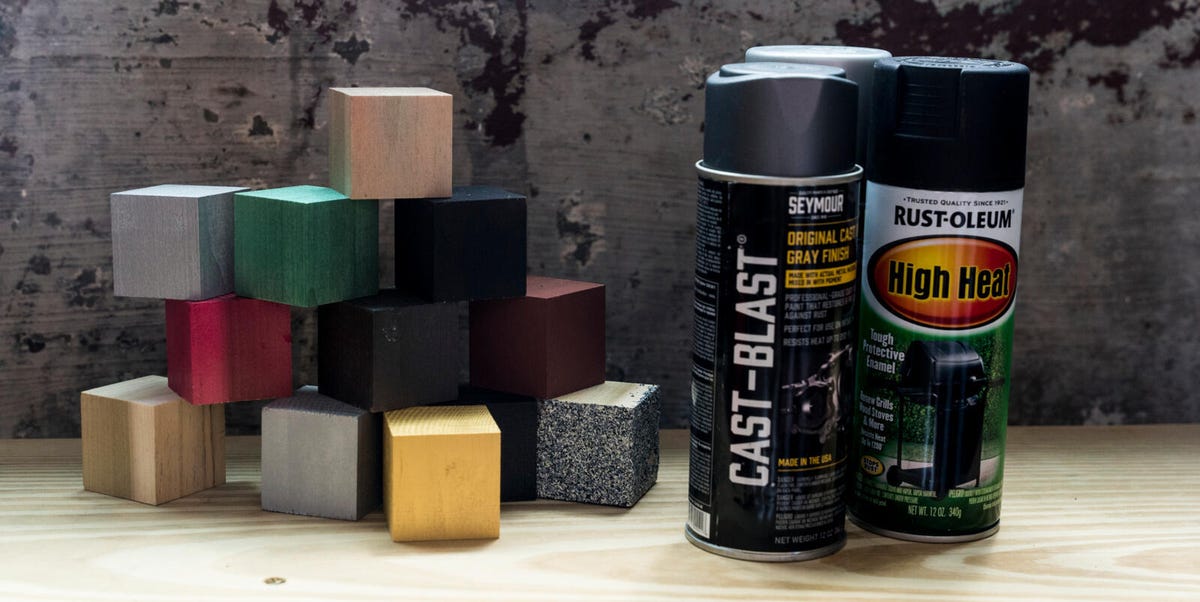
Spray paint used to be the quick fix hiding in the garage: a rattling can, a hopeful shake, and a prayer that the lawn chair would look less like it survived a small weather event. Today, specialized spray paints are far more advanced. They are made for specific surfaces, finishes, temperatures, textures, and jobsfrom rescuing a rusty patio table to giving a lamp a hammered-metal glow or turning a cabinet panel into a chalkboard.
The magic is not just convenience. Specialized spray paints combine pigment, binder, solvent, propellant, and additives in formulas designed to solve real coating problems. Some bond to plastic without primer. Some tolerate high heat. Some create stone, metallic, chalky, frosted, fluorescent, or appliance-like finishes. Others fight rust, protect automotive parts, mark turf, or seal craft projects. In other words, the spray paint aisle is no longer just “red, blue, black, and good luck.” It is a mini chemistry lab with color swatches.
This guide breaks down the major types of specialized spray paints, how to choose the right one, how to apply it cleanly, and what practical mistakes to avoid. Your project deserves more than a random can grabbed during a hardware-store sprint.
What Are Specialized Spray Paints?
Specialized spray paints are aerosol coatings formulated for a specific purpose beyond basic color coverage. Standard spray paint works well for many decorative projects, but specialty formulas are designed to handle tougher conditions or create distinctive effects. A high-heat spray paint, for example, is not the same as an all-purpose enamel. A plastic-bonding spray paint is different from a chalkboard coating. Appliance epoxy is not the paint you want on wicker, unless your design theme is “confused refrigerator basket.”
The main advantage is performance. The right specialty spray paint can improve adhesion, durability, moisture resistance, heat tolerance, rust prevention, or visual texture. It can also save time by reducing the need for separate primers or complicated brushwork. That said, even the best formula cannot rescue poor surface prep. Spray paint rewards patience. It punishes fingerprints, dust, grease, impatience, and the classic rookie move: spraying one heroic, dripping coat instead of several thin ones.
Common Types of Specialized Spray Paints
1. High-Heat Spray Paint
High-heat spray paint is made for surfaces exposed to elevated temperatures, such as grills, fire pits, wood stoves, radiators, engine parts, and metal fireplace accessories. These products are typically designed for metal and often help protect against rust. They are not meant for cooking surfaces, food-contact areas, or the inside of a grill where direct flame and food residue are involved.
Use high-heat paint when the surface gets hot enough to make ordinary paint blister, peel, or discolor. A fire pit bowl, grill exterior, or stove pipe can look refreshed with the right coating. The key is to read the label carefully. Temperature ratings, curing instructions, and surface recommendations matter. Some high-heat coatings need gradual heat curing to reach full durability.
2. Rust-Preventive Spray Paint
Rust-preventive spray paint is a favorite for outdoor metal furniture, railings, gates, bicycles, toolboxes, planters, and decorative metal pieces. These coatings are designed to slow corrosion while adding color and protection. Many come in gloss, satin, matte, hammered, or textured finishes, which makes them useful for both practical repairs and style upgrades.
For rusty metal, preparation is everything. Remove loose rust with a wire brush or sandpaper, clean away dust and grease, and use a rust-inhibiting primer if the product calls for it. Painting over flaky rust is like putting a tuxedo on a raccoon: technically dressed up, still a problem underneath.
3. Plastic-Bonding Spray Paint
Plastic is tricky because many paints do not grip it well. Specialized plastic spray paints are formulated to bond to surfaces such as resin chairs, plastic storage bins, PVC, planters, outdoor toys, and some household items. Some all-surface sprays also include plastic in their approved surface list.
The best results usually come from cleaning the plastic thoroughly, lightly scuffing glossy surfaces if recommended, and applying thin coats. Avoid painting flexible plastic that bends constantly, because even a good coating can crack when the surface moves too much. Also, check whether the item will live outdoors. UV exposure, rain, and temperature swings demand a more durable outdoor-rated formula.
4. Appliance Epoxy Spray Paint
Appliance epoxy spray paint is made for refinishing the exterior of metal appliances such as refrigerators, dishwashers, washing machines, dryers, and metal cabinets. It creates a hard, smooth, washable finish that can cover chips, scratches, and worn areas.
This is not a shortcut for painting appliance interiors, stovetops, ovens, or surfaces exposed to high heat. Appliance epoxy works best on clean, dry, lightly sanded exterior metal. It is especially useful when an appliance functions perfectly but looks like it has been through three moves, two toddlers, and one tragic magnet collection.
5. Chalkboard Spray Paint
Chalkboard spray paint turns many surfaces into a writable chalkboard-style finish. It is popular for pantry labels, kids’ room décor, message boards, cabinet panels, craft projects, and home office organization. It usually dries to a flat black or dark finish that can be written on with chalk after curing.
For a usable chalkboard surface, smoothness matters. Sand the surface, apply light coats, allow proper curing time, and condition the surface with chalk before regular use if the label recommends it. This is one specialty finish where rushing the cure can lead to disappointing marks, smears, or scratches.
6. Chalky Finish Spray Paint
Chalky finish spray paint is different from chalkboard paint. Chalkboard paint is for writing. Chalky finish paint creates a soft, ultra-matte, vintage-inspired look. It is often used on furniture, picture frames, jars, baskets, shelves, and decorative pieces. Many DIYers love it because it can make thrift-store finds look intentionally charming instead of “rescued from behind the garage.”
Chalky finishes are great for farmhouse, cottage, shabby-chic, and modern matte designs. For furniture or frequently handled items, a clear protective topcoat may improve durability.
7. Metallic, Hammered, and Textured Spray Paint
Metallic spray paint creates finishes that resemble gold, silver, copper, bronze, chrome, or brushed metal. Hammered spray paint gives a dimpled, forged-metal look that can hide minor surface imperfections. Textured spray paint can mimic stone, sand, granite, or rough ceramic effects.
These finishes are excellent for lamps, hardware, planters, frames, vases, cabinet pulls, holiday décor, and accent furniture. The trick is restraint. A metallic accent can look expensive. Metallic everything can look like a robot opened a boutique.
8. Frosted Glass and Translucent Spray Paint
Frosted glass spray paint creates a semi-transparent etched effect on glass surfaces. It is commonly used for privacy panels, vases, jars, shower windows, cabinet glass, and decorative stenciling. The finish diffuses light while softening visibility.
Clean glass thoroughly before spraying. Even tiny fingerprints can show through the final finish. Mask edges carefully and apply light coats. Frosted effects look best when they are even, subtle, and not overloaded.
9. Fluorescent, Glow, and Marking Spray Paint
Fluorescent spray paints are bright, high-visibility coatings used for signs, crafts, safety markers, costumes, and attention-grabbing décor. Glow-in-the-dark paints store light and emit a glow in dark conditions, though results depend heavily on the surface, number of coats, and light exposure.
Marking spray paints are used for construction, landscaping, utility marking, athletic fields, and temporary ground lines. These are specialized tools, not general craft paints. They are often designed to spray upside down and work with marking wands.
10. Automotive Spray Paint and Primers
Automotive spray paints include primers, engine enamel, wheel paint, trim paint, caliper paint, clear coats, and touch-up coatings. They are formulated for vehicle-related surfaces and may offer added resistance to heat, chemicals, road grime, or weather.
Small automotive projects can be satisfying, but they require careful prep. Cleaning, sanding, priming, masking, and curing are not optional. If you are touching up a car panel, color matching can be challenging because sun exposure changes the original paint over time. For large visible panels, professional refinishing may be the better route.
How to Choose the Right Specialized Spray Paint
Match the Paint to the Surface
Start with the material: metal, wood, plastic, glass, ceramic, fabric, concrete, wicker, or laminate. Then choose a product that specifically lists that surface. “All surface” can be useful, but do not assume every all-purpose can handles every situation equally well. A patio chair, fireplace screen, and refrigerator door all need different performance features.
Match the Paint to the Environment
Indoor projects need lower mess, smooth finish, and durability against handling. Outdoor projects need weather resistance, UV resistance, and corrosion protection. High-temperature projects need heat-rated coatings. Moisture-prone projects need finishes that can handle cleaning and humidity.
Choose the Right Finish
Spray paint sheen affects both style and practicality. Gloss looks shiny and is often easier to wipe clean. Satin is balanced and forgiving. Matte hides glare and gives a modern look but may show oils and scuffs. Textured and hammered finishes can disguise flaws. Metallics add drama, but surface prep must be clean because shine highlights bumps.
Check Dry Time and Cure Time
Dry-to-touch time is not the same as full cure time. A surface may feel dry in minutes but remain soft underneath for hours or days. Handling too soon can leave fingerprints, dents, or tacky spots. Always check the label for recoat windows and curing instructions. Spray paint is fast, but it is not magic. Even magic needs ventilation and patience.
Surface Preparation: The Step Everyone Wants to Skip
Surface prep is the difference between a finish that lasts and a finish that flakes off during its first dramatic weather moment. Before spraying, remove dirt, grease, wax, rust, peeling paint, and dust. Sand glossy surfaces if recommended. Fill deep scratches or dents when appearance matters. Let everything dry completely.
Use primer when the surface is porous, stained, rusty, slick, uneven, or a major color change. Primer improves adhesion, helps create an even base, and can reduce the number of color coats needed. Some specialty spray paints include primer, but that does not mean primer is never needed. The label is your best friend here. It may not be exciting, but it knows things.
Application Tips for a Cleaner Finish
Shake the can thoroughly before spraying and continue shaking occasionally during the job. Test the spray pattern on cardboard. Hold the can the recommended distance from the surface, usually around 8 to 12 inches depending on the product. Start spraying slightly before the object and release after passing the edge. This helps prevent heavy spots at the beginning and end of each pass.
Use multiple thin coats instead of one heavy coat. Heavy coats cause drips, bubbles, orange peel texture, and slow drying. Move your arm steadily, overlap each pass slightly, and rotate the object when possible. If painting small parts, elevate them on scrap wood or cardboard so edges are easier to coat.
Watch the weather. Wind blows overspray everywhere. High humidity can slow drying. Cold temperatures may affect flow and adhesion. Hot surfaces can make paint dry too quickly, leading to rough texture. A calm, mild day is ideal for outdoor spraying.
Safety Matters More Than the Color
Spray paint should be used with good ventilation, proper protective gear, and common sense. Work outdoors or in a well-ventilated area. Avoid breathing mist or fumes. Wear gloves and eye protection. For larger projects or solvent-heavy products, use an appropriate respirator rated for paint vapors and particulates. Keep spray paint away from flames, sparks, heaters, and smoking materials.
Also protect nearby surfaces. Overspray travels farther than beginners expect. Cover floors, walls, cars, plants, and anything you do not want lightly misted in “accidental satin black.” When finished, store cans according to label directions and dispose of empty or partially full cans according to local rules. Leftover paints and aerosols may require household hazardous waste handling.
Best Project Ideas for Specialized Spray Paints
Outdoor Metal Furniture Refresh
Use rust-preventive spray paint to revive patio chairs, bistro tables, and plant stands. Remove loose rust, clean thoroughly, prime if needed, and finish with a durable outdoor-rated coating.
Budget Appliance Makeover
Use appliance epoxy spray on the exterior of a scratched refrigerator, washer, or dryer. This can make a functional but tired appliance look cleaner and newer without replacing it.
Custom Storage Labels
Use chalkboard spray paint on wood tags, cabinet panels, jars, or pantry bins. It is practical, reusable, and far more attractive than mystery masking tape from 2019.
Designer-Look Hardware
Use metallic spray paint on cabinet pulls, lamp bases, picture frames, and curtain rods. Proper cleaning and light coats can create a high-end look for a small budget.
Glass Privacy Upgrade
Use frosted glass spray paint on bathroom windows, glass cabinet doors, or decorative panels. Careful masking creates a clean, custom effect.
Common Mistakes to Avoid
The first mistake is buying by color alone. A beautiful color in the wrong formula will not perform well. The second mistake is skipping prep. Paint needs a clean, stable surface. The third mistake is spraying too close, which creates runs. The fourth mistake is applying thick coats because patience apparently left the building. The fifth mistake is ignoring cure time and using the object too soon.
Another common issue is assuming every specialty paint is food-safe, heat-safe, waterproof, or child-safe for every use. Specialized does not mean universal. Always read the label for approved surfaces, limitations, and safety warnings.
Real-World Experience: What Specialized Spray Paints Teach You After a Few Projects
After enough spray paint projects, you learn that the can is only half the story. The other half is the surface, the weather, the prep, and your ability to resist “just one more coat” when the paint is already wet and giving you warning signs.
One of the most useful experiences comes from painting outdoor metal furniture. A rusty chair may look hopeless, but rust-preventive spray paint can make a dramatic difference if the flaky rust is removed first. The mistake many beginners make is spraying directly over rough corrosion. It looks fine for a week, then the finish starts lifting like old wallpaper. A wire brush, sandpaper, and a clean rag can feel boring in the moment, but they are what make the final result last.
Plastic projects teach a different lesson: adhesion is picky. A plastic planter or resin chair may look simple, but glossy plastic can reject paint if it is dirty or too slick. Washing with mild soap, letting it dry fully, and using a plastic-compatible formula makes a huge difference. Light coats are especially important on plastic because heavy wet coats can stay tacky or peel at the edges.
High-heat paint teaches humility. It is tempting to grab any black spray paint for a fire pit or grill exterior, but ordinary paint can blister when temperatures climb. A heat-rated coating is the correct choice, and curing instructions should be followed carefully. Also, no matter how nice the finish looks, it should not be used on cooking grates or direct food-contact areas. The outside gets the makeover; the burger does not need decorative enamel.
Chalkboard spray paint is fun, but it rewards smooth surfaces. A rough board becomes a rough writing surface. Sanding before painting and allowing the coating to cure properly makes chalk write and erase more cleanly. The same patience applies to appliance epoxy. It can make a washer or refrigerator exterior look impressively fresh, but only if the surface is clean, lightly sanded, and protected from dust while drying.
The biggest experience-based tip is to create a spray zone before opening the can. Use a drop cloth, cardboard walls, or a large box for small items. Overspray is sneaky. It floats, settles, and somehow finds the one thing nearby that absolutely should not become matte navy. Good lighting also matters. Many missed spots are not visible until the piece is moved into daylight.
Finally, save the label or take a photo of the can. If you need touch-ups later, knowing the exact product, color, sheen, and finish saves guesswork. Spray paint projects are satisfying because they deliver fast transformation, but the best results come from treating each can as a specialized tool, not a magic wand. Though, to be fair, when an ugly lamp becomes gorgeous in under an hour, it does feel a little magical.
Conclusion
Specialized spray paints make it possible to tackle projects that ordinary paint cannot handle well. Whether you need high-heat resistance, rust protection, plastic adhesion, appliance durability, chalkboard function, frosted glass effects, or metallic style, there is likely a formula designed for the job. The secret is choosing by surface and purpose, not just by color.
For the best finish, clean thoroughly, prep patiently, spray lightly, and respect cure times. A few extra minutes before painting can save hours of sanding, peeling, and muttering later. Specialized spray paint is one of the most affordable ways to refresh, repair, customize, and protect everyday objectsjust remember that every great makeover starts with reading the label.