Every winter, the internet rediscovers two truths. First: snow makes adults act like overexcited fourth-graders. Second: pet owners will absolutely look at a perfectly good pile of fresh powder and think, “You know what this yard needs? A snow version of Kevin the corgi.” And honestly, bless them for it.
The quirky trend known as Snow Pets is exactly what it sounds like: people sculpting snowy replicas of their dogs, cats, and other beloved companions. Sometimes the results are shockingly accurate. Sometimes the sculpture looks like a marshmallow with ears and emotional baggage. Either way, the appeal is irresistible. These chilly tributes blend internet humor, DIY creativity, pet obsession, and seasonal fun into one gloriously goofy winter pastime.
But this trend is more than a throwaway joke for social media. It says something real about how people relate to pets, why handmade art still matters, and how winter rituals evolve online. It also comes with one important reminder: the snow sculpture should be the only thing freezing. The real pet needs to stay safe, warm, and unbothered by your quest for viral greatness.
Why Snow Pets Became a Thing
Snow sculptures are old-school winter fun. People have been stacking snow into lumpy little citizens for generations. The modern twist is that pet owners now use that same backyard creativity to honor the true rulers of the household: the animals. Once photos of snow dogs, snow cats, and fluffy white snow-poodles started circulating online, the idea became instantly shareable. It is visual, funny, wholesome, and easy to understand in half a second. On the internet, that is the golden retriever of content categories.
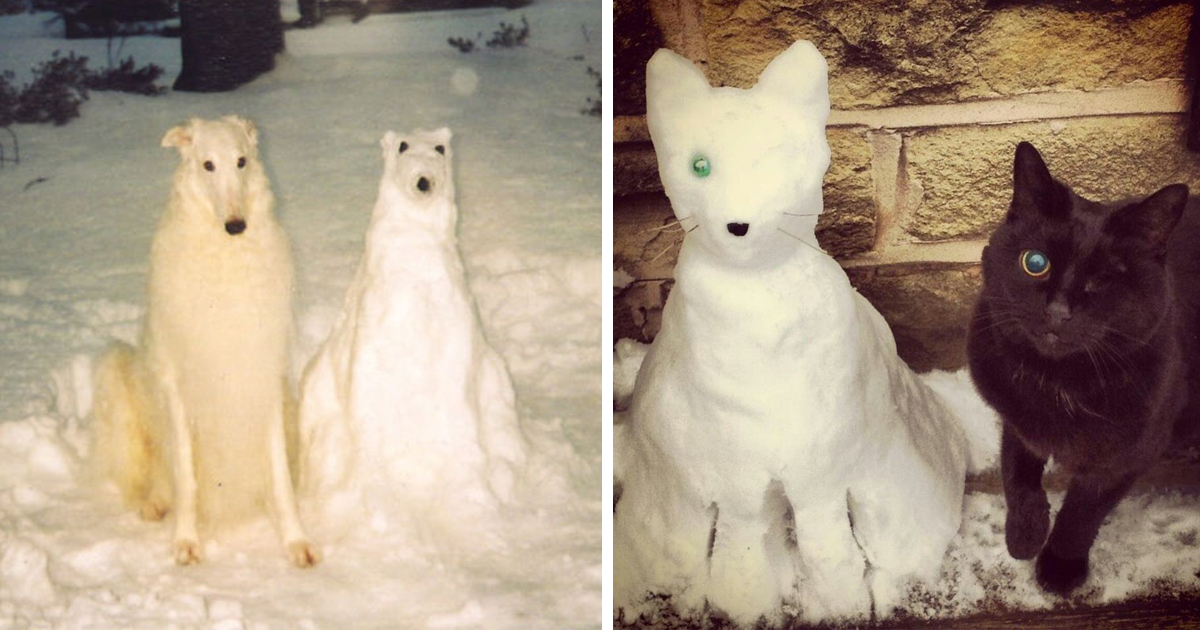
Part of the trend’s charm is contrast. Pets are warm, expressive, and full of motion. Snow sculptures are cold, silent, and dramatically committed to staying in one pose. Putting those two worlds together creates comedy. A real husky next to a snow version of itself looks like an artist evaluating its own statue. A skeptical cat standing beside a snow-cat clone looks like a museum curator who regrets agreeing to the exhibit.
There is also a deeper emotional layer. People love making things inspired by their pets because animals are family. From portraits to holiday ornaments to parade floats inspired by shelter animals, pet likenesses have become a full-blown cultural category. Snow sculptures simply make that affection more playful, more seasonal, and much messier on the gloves.
Why Pets Make Perfect Winter Muses
They already have iconic shapes
Great pet art starts with a strong silhouette, and pets deliver. A French bulldog has unmistakable ears. A dachshund is basically a loaf with a mission. A Persian cat looks like a glamorous cloud with opinions. Even when a sculpture is rough around the edges, pet owners can usually capture enough of the outline to make the joke land.
They come with built-in personality
The best Snow Pets are not always the most technically impressive. Sometimes the funniest ones are the sculptures that somehow reproduce the pet’s attitude. A proud chest puff on a snow rooster-shaped dog. A judgmental cat face made with tiny pebbles. A lopsided grin on a snow mutt. These details turn a basic snow project into a recognizable character.
They invite side-by-side photos
The trend thrives because the final reveal is not just the sculpture. It is the comparison shot. Pet on one side, snow doppelgänger on the other. The image practically writes its own caption. “Mom, why am I seeing myself like this?” It is cute, slightly absurd, and designed for social sharing.
What Makes a Great Snow Pet
You do not need to be a professional sculptor to build a memorable snow animal. You need three things: decent snow, basic observation skills, and the willingness to fail publicly in your own yard. Fresh, packable snow works best because it holds shape without crumbling into powdered disappointment. After that, the process is more about simplification than perfection.
Start with the silhouette
Think in chunky shapes, not fine detail. Most pets can be broken into simple forms: a round chest, a tucked body, a tail, a head, and signature ears. If you capture the posture, people will recognize the pet faster than if you obsess over microscopic whiskers.
Use texture to your advantage
Snow is not marble, and that is part of the fun. A fluffy dog can look even fluffier with rough surface texture. A smooth-coated breed may benefit from cleaner lines. Small dents can suggest eyes, a muzzle, or folded legs. In other words, do not fight the medium. Let the snow be snow.
Choose expressive details carefully
Two pebble eyes and a little nose can go a long way. But less is often more. Too many extras, and your elegant snow beagle starts looking like a failed craft project from a haunted kindergarten. Use natural materials sparingly, and skip anything sharp, toxic, or tempting for a real pet to eat.
The Internet Loves Snow Pets for Good Reason
There is a reason these images travel fast. They hit a sweet spot between craftsmanship and comedy. People admire the effort, laugh at the resemblance, and imagine making one themselves. In a digital landscape that can feel heavy, Snow Pets are comfort content. They are light-hearted, creative, and refreshingly low stakes. Nobody is pretending a snow schnauzer will solve society. It is just there to make your day better, one icy eyebrow at a time.
They also tap into a broader trend: ordinary people making backyard art after a snowfall. When a storm drops fresh snow, neighborhoods become temporary outdoor studios. Some people build snowmen. Some shape dragons, couches, or giant cartoon heads. Pet sculptures fit naturally into that tradition, especially because they reflect something personal. Your snow pet is not random. It is your companion, translated into winter sculpture with cold fingers and unreasonable devotion.
That mix of intimacy and absurdity is powerful. It turns a weather event into a memory. Long after the sculpture melts into a sad little hill, the photos remain. So does the story.
Keep the Real Pet Safe While the Snow Clone Gets the Spotlight
Here comes the responsible grown-up section, because a good trend should not come at the animal’s expense. Plenty of pets enjoy snow, but winter comfort varies widely by breed, size, coat type, age, and health. A husky may act like the weather is a personal love letter. A tiny short-haired dog may feel like winter has declared war.
Limit outdoor time in extreme cold
Even cold-tolerant dogs can be affected by freezing temperatures, especially on ears, tails, and paws. Frostbite and hypothermia are real risks, not dramatic plot twists invented by your aunt’s Facebook posts. If conditions are severe, keep sessions short and supervise closely.
Watch those paws
Snow, ice, and de-icing chemicals can irritate paw pads and the skin between toes. Booties can help, and paw balm can add a layer of protection. After outdoor time, wipe paws and bellies to remove salt, slush, and chemical residue. This is especially important because many pets will happily lick whatever they stepped in, which is not a trait anyone should encourage.
Dry them off when you come inside
A towel by the door is not glamorous, but it is part of the winter survival kit. Dry fur, feet, and underbellies after time outside. It helps prevent discomfort, skin irritation, and that classic post-snow moment when your dog sprints through the house as if powered by chaos and static electricity.
Do not assume all pets enjoy snow equally
Some dogs adore winter. Some dislike the sensation of cold flakes, wind, or wet fur. Cats, meanwhile, are often less enthusiastic about your outdoor artistic vision unless they happen to be supervising from a window like tiny furry landlords. Read your animal’s body language. If they look stressed, cold, or over it, end the session. The sculpture can wait. Their comfort cannot.
Be careful with materials
Keep decorations simple and pet-safe. Avoid sharp sticks, painted elements, small objects that can be swallowed, or anything coated in glitter, glue, or chemicals. The goal is a funny photo, not a veterinary bill with emotional damage attached.
How to Turn Snow Pets Into a Better Winter Tradition
The smartest version of the trend is not just cute. It is thoughtful. Instead of treating Snow Pets like a one-minute joke, you can turn them into a family ritual, a neighborhood challenge, or even a fundraiser. Imagine a local shelter-themed snow sculpture day where families build snowy tributes to adopted pets. Suddenly, the trend becomes a community activity with heart.
Parents can use it as a winter craft project that gets kids outside without requiring screens, batteries, or a 47-step instruction manual. Pet lovers can use it as a silly annual portrait tradition. Friends can compete to see who creates the most recognizable animal with the fewest details. Extra points if one sculpture accidentally looks more confident than the real pet.
That is the genius of Snow Pets. The barrier to entry is low, the payoff is high, and perfection is optional. In fact, imperfection may be the entire point. A slightly crooked snow pug often has more charm than a flawless one because it feels homemade, personal, and real.
Why This Trend Feels Bigger Than a Joke
At first glance, Snow Pets seem like pure internet fluff. But look closer and the trend reflects something meaningful about modern pet culture. People do not just own pets anymore. They celebrate them, document them, and build traditions around them. Animals have become central characters in family life, daily routines, and online storytelling.
Snow sculptures fit perfectly into that world because they are temporary, affectionate, and delightfully unnecessary. Nobody needs a snow replica of their terrier. That is exactly why making one feels joyful. It is art for the sake of connection. It is winter play with a personal twist. It is a reminder that some of the best seasonal memories come from doing something mildly ridiculous with people and animals you love.
And maybe that is why the trend keeps resurfacing. Every winter brings cold weather, shorter days, and a strong temptation to hibernate under blankets forever. Snow Pets push back against that mood. They invite people outside, give them something funny to make, and turn a freezing afternoon into a story worth keeping.
Conclusion
Snow Pets are charming because they combine everything people adore about winter creativity: fresh snow, handmade fun, neighborhood whimsy, and very spoiled animals. They are silly in the best way, and that is precisely why they work. Whether the result looks like a museum-worthy snow husky or a suspiciously chubby polar potato with ears, the emotional goal is the same. You made something joyful out of a cold day.
That is the real magic of this trend. It celebrates pets without taking itself too seriously. It gives people a reason to laugh, create, and step outside. It turns a backyard into a gallery and a pet into a muse. Just remember the golden rule of snow-based pet art: let the sculpture be chilly, but keep the actual animal safe, dry, and gloriously unimpressed.
Extra Experiences: What Snow Pets Feel Like in Real Life
The experience of making a Snow Pet is half sculpture, half comedy sketch. It usually begins with confidence. You step outside, look at your dog or cat, look at the snow, and think, “How hard could this be?” Ten minutes later, you are knee-deep in powder, your gloves are damp, and the head of your “lifelike” labrador looks suspiciously like a snow loaf wearing earmuffs. That is when the real fun begins.
There is something wonderfully old-fashioned about the process. The world goes quiet after a snowfall. Sound gets muffled. The yard looks new. Your breath hangs in the air while you start piling snow into shapes that make sense only to you at first. Then, slowly, a familiar posture appears. A curved tail. A rounded chest. Pointy ears. You are not just building with snow anymore. You are translating affection into a temporary form.
Meanwhile, the real pet becomes part audience, part critic. Some dogs bounce around the project like unpaid studio assistants. They sniff the sculpture, step on the sculpture, or attempt to eat the sculpture’s face with no respect for artistic labor. Cats, if they participate at all, often deliver their review with one look. It is a look that says, “Interesting choice. I would never.” In that moment, the sculpture becomes even funnier, because now it is part of a live performance.
Families often remember the little details more than the finished product. The kid who insisted the snow beagle needed a bow tie. The neighbor who shouted over the fence, “That actually looks like him!” The dog who sat beside the sculpture for exactly three seconds, just long enough for one good photo before sprinting off like a furry action hero. These are small moments, but they stick. They feel warm even when your boots do not.
There is also a strange emotional sweetness to how temporary the whole thing is. A Snow Pet is not meant to last. Sunlight softens it. Wind changes its edges. A warmer afternoon sends the ears drooping in dramatic fashion. By the next day, your majestic snow shepherd may look like it had a rough night. By the end of the week, it melts back into the yard. But the short life span is part of the charm. It makes the project feel playful instead of precious.
That temporary quality can be surprisingly meaningful. In a world where so much content is made for endless scrolling, a snow sculpture exists mainly to create one afternoon of delight. You build it, laugh at it, photograph it, and let it go. The reward is not permanence. The reward is the experience itself: cold cheeks, tired hands, a ridiculous sense of accomplishment, and a camera roll full of proof that winter can still be magical.
For many pet owners, that is the real reason Snow Pets resonate. The sculpture is funny, yes, but the process feels intimate. You notice your pet more carefully. You study their shape, their posture, their signature expression. You realize how recognizable they are from just a silhouette. In trying to sculpt them, you end up appreciating them all over again. That is not bad for a pile of frozen water and a free Saturday.
So if a snowstorm rolls through and leaves your yard looking like a blank canvas, you could build a standard snowman. No shame there. But you could also sculpt your dog, your cat, or your magnificently round rabbit and create a memory that feels more personal. It may melt. It may collapse. It may look only vaguely like the animal you intended. But if it makes your household laugh and gives you one unforgettable winter photo, then the Snow Pet has already done its job.