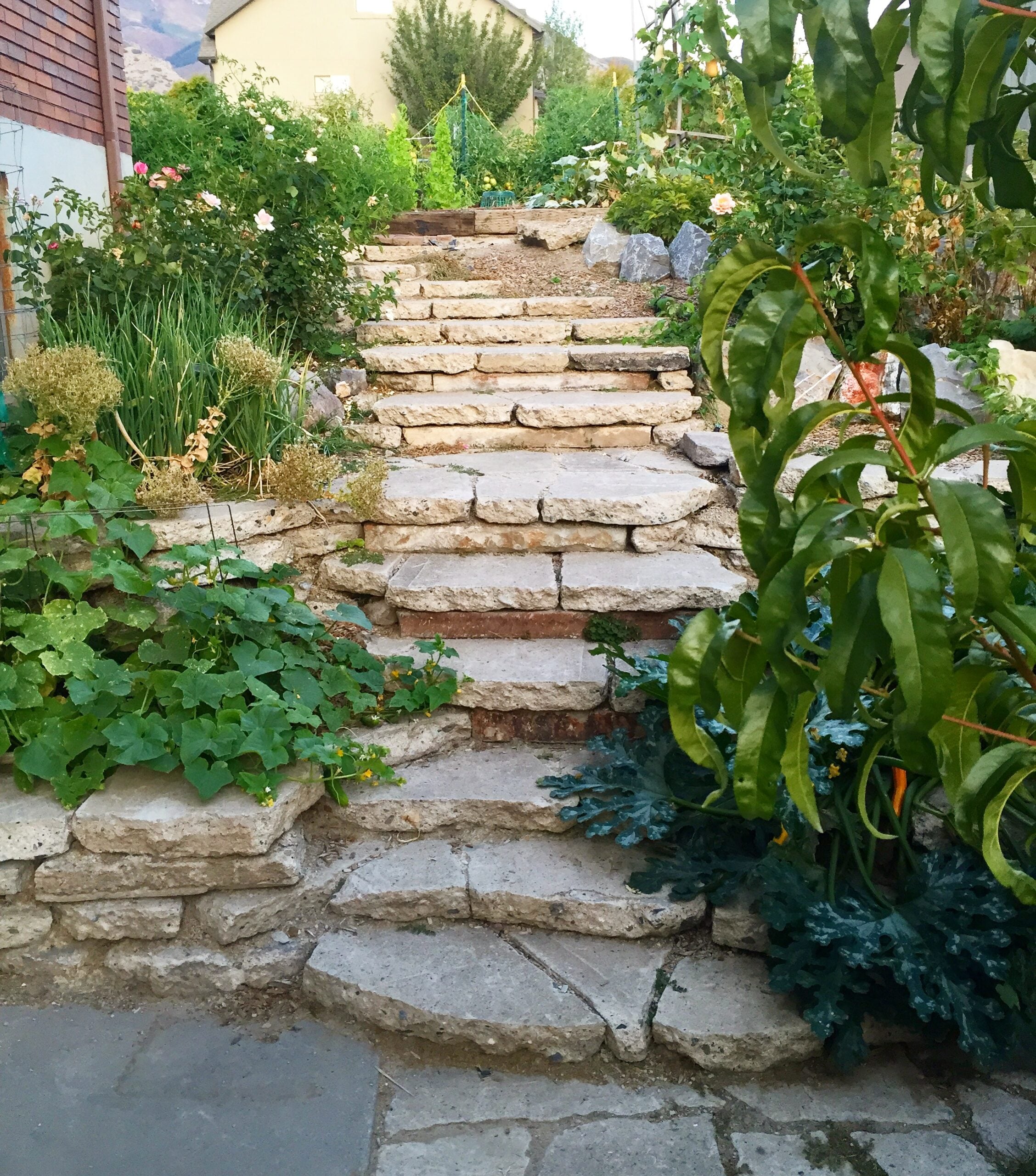
A small backyard can feel like a design challenge wrapped in a fence and sprinkled with weeds. Add a limited budget, and suddenly every landscaping idea on social media seems to involve a crane, imported stone, and a suspiciously photogenic olive tree.
Fortunately, attractive small backyard landscaping ideas on a budget have much more to do with smart planning than expensive materials. A compact yard can actually be cheaper and easier to transform because every improvement affects a larger percentage of the space. One well-placed tree can become the focal point. A few bags of mulch can refresh an entire garden bed. A simple gravel patio may provide nearly all the outdoor living space you need.
The most successful budget backyard landscaping projects generally follow the same principles: work with existing conditions, prioritize function, choose plants suited to the site, use vertical space, reduce unnecessary maintenance, and complete improvements in stages. Here’s how to make a little yard look surprisingly polished without making your checking account cry quietly in the garage.
Start With a Plan Before Buying Anything
The cheapest landscaping purchase is often the one you decide not to make.
Before visiting a garden center, measure your backyard and sketch a basic plan. Mark doors, fences, trees, utility areas, sunny spots, shady corners, slopes, drainage problems, and anything that cannot easily be moved.
Next, decide what you actually want to do outside. A yard designed primarily for grilling should look different from one meant for gardening, children, pets, or quiet reading.
Divide the Yard Into Simple Zones
Even a tiny backyard benefits from zones. You might have a small seating area near the house, a narrow planting bed along the fence, a vegetable garden receiving the best sunlight, and a compact storage area hidden in a corner.
Do not try to squeeze six outdoor rooms into a 200-square-foot yard. Simplicity makes small spaces feel larger. Repeating a few materials and plant varieties also creates visual unity instead of the botanical equivalent of a crowded garage sale.
1. Refresh Existing Beds With Mulch
Few inexpensive landscaping projects create such an immediate visual improvement as fresh mulch. It gives planting beds defined edges, makes greenery stand out, suppresses many weeds, moderates soil temperature, and helps slow moisture loss.
Organic materials such as shredded bark, wood chips, chopped leaves, and pine-based mulch can also contribute organic matter as they break down. Availability varies by region, so check municipal recycling programs and local tree services before buying bags. Some communities offer inexpensive or even free wood chips or composted materials.
Keep mulch away from direct contact with tree trunks and woody stems. The infamous mulch volcano may look energetic, but trees did not request tiny bark mountains around their ankles.
2. Create an Affordable Gravel Seating Area
A full deck or professionally installed patio can consume a landscaping budget quickly. For many small yards, a compact gravel seating area accomplishes the same basic mission for much less.
Choose a level area, remove unwanted vegetation, prepare the base appropriately for your soil and drainage conditions, install edging, and add compactable gravel or another locally suitable aggregate. Add two comfortable chairs, a small table, and perhaps an outdoor rug.
The result is a defined outdoor room without covering the entire yard in expensive hardscape.
Use Hardscape Only Where It Has a Job
Small backyard design works best when every square foot earns its keep. Instead of paving everything, concentrate durable surfaces beneath furniture and along major walking routes. Leave other areas planted, mulched, or covered with suitable groundcovers.
This approach lowers material costs while keeping the backyard softer and more inviting.
3. Use Stepping Stones Instead of a Full Walkway
If you simply need a path between the patio and shed, installing a continuous masonry walkway may be unnecessary. Individual stepping stones or spaced pavers can provide comfortable circulation using considerably less material.
Surround them with mulch, fine gravel, or an appropriate low-growing groundcover. Curving the route slightly can also make a small backyard appear deeper because the entire destination is not visible at once.
Use stable, slip-resistant materials and install them securely enough to avoid wobbling. Charming paths stop being charming around the first twisted ankle.
4. Grow Up With Vertical Gardening
When horizontal space is limited, start negotiating with gravity.
Vertical gardening lets homeowners add flowers, herbs, vegetables, and privacy without sacrificing much usable ground. Existing fences, walls, railings, and sturdy posts can support trellises, hanging containers, wall-mounted planters, or climbing plants.
Vining vegetables such as pole beans and some cucumbers can be trained upward. Ornamental vines can soften fences and create a lush backdrop. Herbs can grow in stacked containers near the kitchen door.
Before attaching anything heavy to a fence or wall, make sure the structure can safely support the additional weight, especially after containers have been watered.
5. Choose Smaller Plants and Let Them Grow
Garden centers know that humans are impatient. That is why a large, mature-looking plant generally costs considerably more than its younger sibling.
If you are willing to wait, buying smaller nursery plants can stretch your landscaping budget. Once correctly planted in suitable conditions, many healthy young perennials and shrubs establish quickly.
The important part is choosing according to mature size rather than the size of the plant on purchase day. Small yards are especially unforgiving when a cute little shrub eventually attempts to become a delivery van.
Read plant labels and research mature height, spread, sunlight requirements, soil preferences, cold hardiness, and moisture needs before buying.
6. Invest More Heavily in Perennials
Annual flowers are excellent for instant color, but buying large quantities every year can turn into a recurring landscaping subscription.
Use perennials, shrubs, ornamental grasses, and other long-lived plants as the foundation of your beds. Then add a smaller number of annuals in strategic places for seasonal color.
Some established perennials can eventually be divided, providing additional plants for other areas at little or no extra cost. Plant swaps with friends, neighbors, and local gardening groups can stretch a budget even further.
Look for Plants That Work More Than One Season
In a tiny backyard, plants that offer spring flowers, summer foliage, fall color, berries, interesting bark, or winter structure are particularly valuable. A plant doing several jobs saves both space and money.
7. Use Native and Regionally Appropriate Plants
One of the smartest forms of low-maintenance landscaping is choosing plants adapted to local growing conditions.
Native and regionally suitable species can often perform well with less supplemental irrigation and fewer interventions once established, provided they are matched correctly to the specific site. They may also provide food and habitat for local insects, birds, and other wildlife.
Remember that “native” does not automatically mean “plant anywhere and forget forever.” A woodland native placed beside a blazing west-facing wall may become deeply offended. Match each plant to sunlight, drainage, soil, climate, and available space.
Local Cooperative Extension resources, native plant organizations, and reputable independent nurseries can help homeowners identify suitable species.
8. Reduce Lawn Where Grass Is Not Useful
You do not have to declare war on grass. A small lawn can be valuable for pets, children, games, or simply lying outside while pretending emails do not exist.
But turf tucked into narrow strips, awkward corners, steep slopes, or areas that are difficult to irrigate may create more maintenance than enjoyment.
Consider converting unnecessary lawn into planting beds, groundcovers, mulch, gravel paths, or a compact patio. Keeping turf primarily where it serves a practical function can reduce mowing and may lower irrigation needs.
The key is not “no lawn.” It is intentional lawn.
9. Create Privacy Without Building a Massive Wall
Privacy is often a major concern in small suburban yards, where neighbors can sometimes identify what kind of mustard you put on your hamburger.
A tall fence is one solution, but landscaping can provide softer screening. Depending on your climate and available width, consider narrow shrubs, small ornamental trees, trellised vines, tall grasses, or combinations of plants at different heights.
For extremely limited spaces, a simple trellis panel with a climbing plant may occupy far less ground than a wide hedge.
Before planting along property lines, confirm mature plant dimensions. A hedge that becomes six feet wider than expected is less “privacy screen” and more “botanical land dispute.”
10. Repurpose Materials for Garden Edging
Edging makes inexpensive landscaping look intentional. Beds with clean boundaries often appear more finished even when the plants themselves are simple.
You may be able to reuse bricks, pavers, stones, lumber suitable for outdoor use, or leftover materials from another project. A simple hand-cut trench can also define beds without purchasing edging at all.
If you use salvaged materials, avoid items coated with questionable chemicals or materials that can break into dangerous sharp pieces.
11. Add Container Gardens Where Flexibility Matters
Containers are perfect for renters, patios, decks, paved yards, and spaces where planting directly into the ground is difficult.
Instead of buying ten decorative pots, consider one or two larger containers positioned where they create maximum visual impact. Large containers can support combinations of herbs, flowers, or compact vegetables while acting as focal points.
Secondhand containers can be excellent bargains. Almost any suitable container can work if it is durable and provides adequate drainage.
12. Add Inexpensive Lighting Strategically
Good landscape lighting is about placement, not turning the backyard into an airport runway.
A modest number of solar or low-voltage fixtures can highlight a path, attractive plant, seating area, or architectural feature. String lights can make a small patio feel like a legitimate outdoor room for relatively little money.
Focus light downward where possible, avoid unnecessarily bright fixtures, and be considerate of neighbors. Your hydrangeas probably do not require interrogation-level illumination at 2 a.m.
13. Make Furniture Do Two Jobs
Multifunctional features are extremely useful in small yards. A storage bench provides seating and hides cushions, garden tools, toys, or watering supplies. A small table can double as a plant stand. A sturdy raised-bed edge may occasionally provide informal seating if designed appropriately.
Before buying new outdoor furniture, check resale shops and local online marketplaces. Structurally sound pieces can often be cleaned, refinished, or updated with weather-resistant cushions.
14. Grow Herbs and Food in the Landscape
Edible landscaping makes limited space work harder.
Instead of separating every vegetable into a traditional garden plot, incorporate compact edible plants into containers and beds where appropriate. Herbs such as thyme, parsley, chives, basil, and oregano can fit into relatively small spaces. Strawberries can work in containers, while tomatoes and some vining crops can grow upward with support.
Choose crops based on available sunlight and container volume rather than wishful thinking. A tiny shaded patio is probably not the place to launch your family’s commercial watermelon operation.
15. Landscape in Phases Instead of All at Once
One of the best budget backyard landscaping strategies costs nothing: patience.
Start with infrastructure and major decisions. Correct drainage problems first. Establish the seating area and paths. Plant important trees or shrubs. Then add secondary plants, lighting, decorations, and optional features later.
Phased landscaping lets you spread costs across multiple seasons. More importantly, it gives you time to observe how the yard actually behaves.
You may discover that the “sunny” corner receives four hours of shade by midsummer or that your planned lounge area sits directly beneath the neighbor’s basketball hoop. Better to learn that before installing anything permanent.
A Sample $500 Small Backyard Makeover Strategy
Every market and property is different, but thinking in percentages can prevent impulse spending. For an illustrative $500 DIY landscaping budget, you might allocate roughly 30% to a basic gravel or paver seating area, 25% to plants, 15% to mulch or groundcover materials, 10% to containers or a simple trellis, 10% to lighting or seating improvements, and keep the final 10% as a contingency fund.
That contingency matters. Backyard projects have a remarkable ability to discover that you need another bag of gravel precisely twelve minutes after the store closes.
If you already own furniture or can obtain reclaimed materials, shift more of the budget toward long-lived plants and soil improvement.
Common Budget Landscaping Mistakes to Avoid
Buying Plants Before Making a Plan
The clearance rack is powerful. Remain calm. A half-price plant that cannot survive your conditions is still 100% wasted money.
Ignoring Mature Plant Size
Overcrowded shrubs eventually require pruning, transplanting, or removal. Leaving appropriate space saves maintenance later.
Covering Every Surface With Hardscape
Patios and paths are useful, but unnecessary paving increases material costs and can contribute to drainage issues if poorly planned.
Choosing Cheap Materials That Need Constant Replacement
The lowest initial price is not necessarily the lowest long-term cost. Consider durability, maintenance, climate suitability, and repairability.
Trying to Finish Everything in One Weekend
Landscapes evolve. Plants grow. Sun patterns change through the seasons. Give yourself permission to complete the backyard gradually.
Experience-Based Lessons From Budget Small Backyard Makeovers
Looking across successful DIY yard transformations, one lesson appears again and again: the projects that feel expensive are not always the ones that look expensive. What matters most is whether the yard looks intentional.
A backyard with $3,000 worth of randomly purchased shrubs, pots, furniture, and decorative objects can look cluttered. A backyard using a much smaller budget can feel beautifully designed when it repeats the same edging material, uses a limited plant palette, and clearly defines where people sit, walk, and garden.
Another practical lesson is to live with the yard before committing to major changes. Observe it after heavy rain. Watch where afternoon shade falls. Notice which route people naturally walk from the door to the gate. Pay attention to where you instinctively move a chair when you want to relax.
Those observations are free design consultation from the backyard itself.
Plant purchases also tend to work better when made gradually. New gardeners frequently walk into a nursery determined to “buy landscaping,” which is approximately as specific as going to a grocery store to buy “food.” The cart fills remarkably quickly.
A better approach is to shop from a written plan: two compact shrubs for structure, three repeating perennials for the sunny bed, one container for the patio, and perhaps a vine for the fence. Suddenly the garden center becomes far less dangerous.
The same principle applies to hardscaping. Building a giant patio because “we might entertain someday” often costs more and consumes precious planting space. In a small yard, start with the furniture dimensions. Arrange the chairs and table temporarily on the ground. Walk around them. Only then determine how much patio you actually need.
Budget landscaping also rewards boring preparation. Nobody posts glamorous photographs of leveling soil or improving drainage, but those jobs determine whether the beautiful parts work. A bargain patio that holds a puddle after every storm is not a bargain. Neither is an inexpensive shrub planted somewhere its roots remain constantly waterlogged.
One particularly useful strategy is to spend money on permanent structure while saving on things that grow. A correctly placed tree, durable pathway, drainage correction, or quality soil improvement can influence the backyard for years. Many flowering plants, meanwhile, can be started smaller, propagated, divided, traded, or added gradually.
It is also worth leaving some empty space. Homeowners often feel obligated to landscape every exposed patch of soil immediately. Resist that urge. Plants need room to reach their mature size, and open areas provide visual relief. Empty space is not evidence that the landscaping budget ran out. When intentional, designers call it negative space, which sounds significantly more expensive.
Finally, the best backyard is rarely the one that receives the most compliments from strangers. It is the one you actually use. If you drink coffee outside every morning, prioritize a comfortable chair and shade. If you cook outdoors, create a practical route between the kitchen and grill. If you garden, reserve your sunniest real estate for plants instead of placing a decorative bench there because a magazine told you to.
A successful small backyard makeover should simplify outdoor life, not create another list of chores. When every plant, path, chair, and container has a reason to be there, even modest landscaping can feel polished, comfortable, and surprisingly spacious.
Conclusion: Spend Smarter, Not Bigger
The best small backyard landscaping ideas on a budget are rarely complicated. Start with a plan, work with the conditions you already have, define a few useful zones, and prioritize improvements that provide both visual and practical value.
Mulch can refresh tired beds. Gravel and stepping stones can create affordable hardscaping. Vertical gardens make fences useful. Perennials and locally appropriate plants can provide long-term value. Strategic lawn reduction can simplify maintenance. Reused materials, secondhand furniture, containers, and phased planting can stretch every landscaping dollar further.
Most importantly, remember that small is an advantage. You do not need dozens of plants or thousands of square feet to build a memorable outdoor space. A handful of smart decisions can transform a neglected patch of backyard into a place where you actually want to spend Saturday morningwhich is much more useful than owning an expensive yard you only admire through the kitchen window.