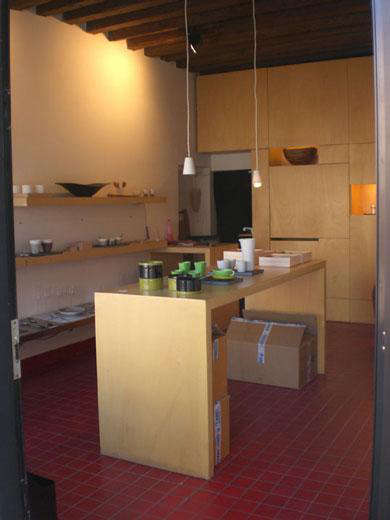
There are shops you enter because you need something, and then there are shops you enter because Venice has gently ambushed you with a doorway, a glow of wood, and the dangerous thought: I could become the kind of person who owns a handmade bottle stopper. Madera in Venice belongs to the second category. Tucked in Dorsoduro near Campo San Barnaba, this design boutique feels less like a store and more like a quiet conversation between architecture, craft, and the very persuasive beauty of useful objects.
For travelers who love independent shops, artisan homeware, minimalist design, contemporary jewelry, and souvenirs that do not scream “I survived a gondola ride,” Madera Venezia is the sort of address worth writing down before the trip begins. It is intimate, precise, and highly dangerous to anyone who believes luggage space is “just a state of mind.”
What Is Madera in Venice?
Madera is a concept boutique and design shop in Venice, Italy, located in the Dorsoduro district at Sestiere Dorsoduro 2762, near Campo San Barnaba. The shop is associated with Italian architect and designer Francesca Meratti, who originally opened it as a showcase for her own handmade wooden objects. The name “Madera” means “wood” in Spanish, which fits the store’s early identity beautifully: warm, tactile, honest, and rooted in natural material.
Over time, Madera expanded beyond wood into a thoughtful mix of home goods, kitchen objects, ceramics, glassware, lighting, accessories, textiles, and contemporary jewelry. The selection is not about quantity. It is about the slow pleasure of noticing: the grain of a spoon, the curve of a bowl, the texture of a tray, the quiet confidence of a handmade ring. In a city where the souvenir economy can feel louder than a crowded vaporetto at rush hour, Madera is refreshingly calm.
Why Madera Belongs in a Shopper’s Diary
A shopper’s diary is not just a list of stores. It is a record of atmosphere, small discoveries, and the moment you realize an object has more personality than half the furniture in your apartment. Madera earns its diary entry because it captures a specific kind of Venetian shopping experience: independent, design-minded, locally aware, and deeply connected to craft.
Venice has always been a city of makers. Glass, paper, textiles, woodwork, metalwork, masks, printing, bookbinding, and jewelry all belong to its cultural vocabulary. Madera does not try to imitate the past like a museum gift shop wearing perfume. Instead, it brings craft into the present with a modern eye. The result is a boutique that feels both contemporary and old-fashioned in the best possible way: sleek, edited, and still human.
The Setting: Dorsoduro, Venice’s Artful Side
Dorsoduro is one of Venice’s six historic sestieri, or districts, and it has a reputation for being artistic, slightly bohemian, and more relaxed than the busiest routes around San Marco and Rialto. This is the Venice of galleries, students, quiet canals, small bridges, neighborhood cafés, and unexpected artisan workshops. It is also home to major cultural landmarks such as the Gallerie dell’Accademia, the Peggy Guggenheim Collection, and the Basilica di Santa Maria della Salute.
Campo San Barnaba, near Madera, is the kind of Venetian square where you can pause without feeling like you are blocking a tour group from photographing the same stone wellhead. The area has a lived-in rhythm. Locals cross the campo with groceries. Travelers drift in from the Accademia side. Someone is probably deciding whether it is too early for a spritz. In Venice, the answer is often complicated, but rarely “absolutely not.”
A Neighborhood That Rewards Wandering
The best way to shop in Dorsoduro is slowly. Madera fits into a walking route rather than a checklist. Pair it with nearby artisan stops, galleries, bookstores, and cafés. Let the day unfold like a linen scarf: loosely, elegantly, and with at least one unexpected fold. This is not a district for speed shopping. It is a district for looking carefully, asking questions, and buying fewer things that mean more.
Inside the Madera Aesthetic
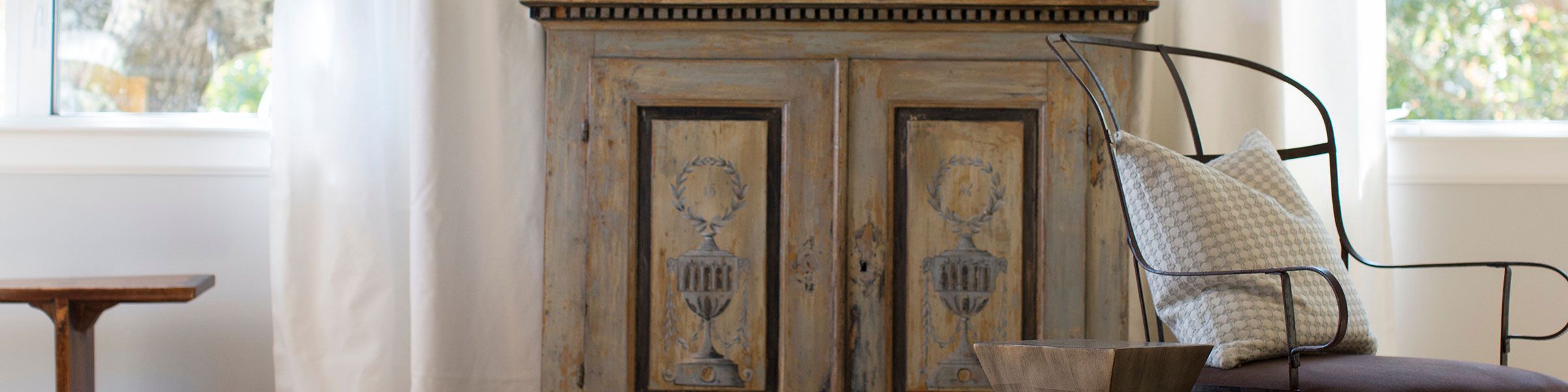
The Madera aesthetic can be described as minimalist, tactile, and quietly international. You may find wooden utensils, sculptural home objects, ceramic pieces, glass, jewelry, bags, accessories, and decorative items that blend Venetian craft with Nordic restraint, ethnic influences, and modern design. Nothing feels random. The store has the discipline of an architect’s sketchbook and the warmth of a kitchen where somebody actually knows how to cook without turning dinner into a small weather event.
What makes Madera special is the way it treats everyday objects as design objects. A salad server is not just a salad server. It is a small wooden tool that changes how a table feels. A tray is not just a tray. It is a surface for coffee, keys, citrus, jewelry, or the vague fantasy that one day your home will be organized enough to have “surfaces” instead of “piles.”
Wood, Ceramics, Glass, and Jewelry
Wood remains central to Madera’s identity, but the boutique’s world is broader. Ceramics bring softness and irregularity. Glass adds light. Jewelry introduces scale and intimacy. Textiles and accessories add movement. Together, the collection feels like a small design ecosystem where materials speak to each other politely, as if they were raised well.
For shoppers, this means Madera is not a one-note destination. You might walk in for a kitchen object and leave thinking about a necklace. You might plan to buy a gift and discover that the gift is, in fact, for you. This happens. Venice understands.
What to Buy at Madera Venezia
The exact selection changes, which is part of the appeal. Independent boutiques are not vending machines; they are living edits. Still, several categories define the Madera shopping experience.
1. Handmade Wooden Homeware
Wooden spoons, servers, trays, bottle stoppers, bowls, and small kitchen tools are among the most natural purchases here. They are practical, beautiful, and easier to pack than a chair, which is a sentence all design lovers must occasionally whisper to themselves for safety.
These pieces make excellent gifts because they feel personal without being too risky. Nobody has to guess a clothing size. Nobody has to pretend to like a novelty magnet. A handmade wooden object says, “I thought of you,” but in a calm, useful voice.
2. Ceramics and Table Objects
Madera’s ceramics and table pieces appeal to travelers who love hosting, cooking, or simply arranging breakfast in a way that suggests they have their life together. Look for pieces with clean lines, subtle textures, and a handmade quality. The best ceramic finds are the ones that do not shout across the room. They simply sit there looking quietly superior to your chipped mug from college.
3. Contemporary Jewelry
The shop also includes a dedicated interest in contemporary jewelry and accessories. This is ideal for shoppers who want something wearable but not mass-produced. Venetian shopping can easily become glass-heavy, and glass is wonderful, but Madera offers a broader design vocabulary. A piece of jewelry from a concept boutique often carries the memory of place without spelling “VENICE” in capital letters.
4. Accessories and Small Design Gifts
Small bags, textile pieces, decorative accents, and compact design objects are smart choices for travelers with limited suitcase space. The trick is to choose something that will still feel meaningful once you are home and no longer under the influence of canals, church bells, and vacation lighting.
How Madera Compares to Typical Venice Souvenir Shops
Venice is full of souvenir shops, and some are delightful. Others sell items that appear to have been designed by a committee whose only instruction was “more glitter, less dignity.” Madera stands apart because it prioritizes authenticity, material quality, and design coherence. It is not interested in disposable memory. It is interested in objects you will use, display, or wear for years.
This distinction matters. Responsible shopping in Venice is not just about personal taste; it is about supporting the city’s living creative economy. Buying from artisan workshops and independent boutiques helps preserve the skills, businesses, and neighborhood character that make Venice more than a backdrop. A city cannot live on postcards alone, no matter how aggressively postcards try.
Responsible Shopping in Venice
Venice faces real pressure from overtourism, day-tripper congestion, climate challenges, and the constant tension between local life and visitor demand. That does not mean travelers should avoid Venice. It means they should visit with intention. Shopping thoughtfully is one practical way to do that.
Instead of buying cheap, mass-produced souvenirs from illegal vendors or generic stalls, travelers can seek out authentic workshops, design boutiques, and local makers. Madera fits this approach because it focuses on crafted objects, design integrity, and a slower retail experience. You are not grabbing plastic trinkets on the way to the train. You are engaging with the city’s creative present.
Questions to Ask Before You Buy
Before purchasing, ask yourself: Who made this? What material is it made from? Will I use it? Can I pack it safely? Does it connect to Venice in a meaningful way, or am I just hungry and emotionally vulnerable near a cash register? These questions may sound dramatic, but they prevent regret. They also help you buy fewer, better things.
A Design Lover’s Walking Plan Around Madera
Start your visit in Dorsoduro with a museum or gallery, then give yourself time to wander toward Campo San Barnaba. Stop for coffee, look at the canal edges, and pay attention to the smaller streets. Venice rewards people who look sideways. Madera can be the shopping anchor of the route, but the surrounding area adds context.
After visiting the boutique, continue toward the Accademia area, explore additional artisan shops, or take a long walk toward the Zattere waterfront. If the weather is kind, the Zattere is one of the best places in Venice to practice the advanced travel skill known as “standing near water and pretending you have no responsibilities.”
Who Will Love Madera?
Madera is ideal for design travelers, architecture fans, home cooks, collectors of useful objects, jewelry lovers, and anyone who prefers a quiet boutique to a souvenir stampede. It is also a strong stop for gift shoppers. The inventory tends to favor pieces that are beautiful without being overly formal, making them suitable for real homes rather than imaginary magazine homes where nobody owns phone chargers.
If your taste leans toward natural materials, clean lines, handmade details, and objects with a story, Madera should be on your Venice shopping list. If your taste leans toward inflatable gondolier hats, Madera may gently raise an eyebrow and continue being elegant without you.
Practical Tips for Visiting Madera in Venice
Because small independent shops may adjust hours seasonally or for local events, check current opening information before making a special trip. Venice is a walking city, and even short distances can take longer than expected because bridges, crowds, and your own desire to photograph laundry over canals will interfere.
Bring a reusable tote or leave space in your bag. If buying fragile items, ask about wrapping. For wooden objects, consider how they will travel and whether they need basic care once home. Many handmade pieces benefit from gentle cleaning and thoughtful use rather than dishwasher drama. The dishwasher is convenient, yes, but it has the emotional sensitivity of a cement mixer.
Best Time to Go
Morning can be peaceful, especially if you plan to combine Madera with museums and neighborhood wandering. Late afternoon can be atmospheric, with softer light and a more relaxed mood. Avoid rushing in five minutes before closing unless you enjoy making decisions under pressure. Handmade design deserves more than a panic purchase.
Why This Little Shop Matters
Madera matters because it represents a more sustainable and satisfying way to experience Venice. The city is famous for grandeur: basilicas, palazzi, canals, chandeliers, and paintings large enough to make your neck file a formal complaint. But Venice is also built from details. Door handles. Wooden oars. Marble thresholds. Glass beads. Paper bindings. Kitchen tools. Jewelry. Small shops like Madera help visitors notice that scale.
In a culture increasingly dominated by fast consumption, Madera offers the opposite: slower looking, better materials, and objects with a maker’s intelligence behind them. It reminds us that shopping can be a form of attention. Not every purchase has to be a trophy. Some can be a relationship with a place.
Experiences Related to “Shopper’s Diary: Madera in Venice”
A visit to Madera is best understood as part of a larger Venice experience, not an isolated retail stop. Imagine beginning the morning in Dorsoduro with no strict plan except to follow the kind of street that looks like it knows a secret. You pass a canal where a boat is delivering boxes, cross a bridge with worn stone steps, and arrive in a campo where the pace feels human. That is the right mood for Madera. The shop rewards a traveler who has already slowed down enough to notice texture.
Inside, the experience is not about being overwhelmed. It is about editing your attention. You may pick up a wooden spoon and realize how different handmade weight feels in the hand. You may compare two ceramic pieces and notice that the tiny irregularity is not a flaw but the whole point. You may look at a piece of jewelry and think it carries the same quiet geometry as a Venetian doorway. This is the pleasure of design shopping: the object becomes a souvenir of perception, not just location.
One memorable way to build a day around Madera is to make it part of a “materials walk.” Start with art at the Accademia or the Peggy Guggenheim Collection, where canvas, pigment, stone, and metal tell one kind of story. Then walk toward Campo San Barnaba and notice the everyday materials of the city: brick, plaster, iron, water, rope, wood. By the time you enter Madera, your eye is already tuned. The store’s objects feel connected to the city’s physical language rather than separate from it.
Another experience is gift hunting with a rule: buy only things that can be used. This turns Madera into a delightful challenge. A serving piece for a friend who loves cooking. A small bowl for someone who collects desk objects. A necklace for a person with minimalist taste. A tray for the host who somehow makes olives look like a lifestyle. Useful gifts have staying power. They return to daily life instead of disappearing into a drawer labeled “vacation evidence.”
Travelers interested in responsible tourism can also use Madera as a reminder to choose local and independent businesses throughout Venice. After shopping, stop at a neighborhood café instead of a tourist funnel. Visit another artisan workshop. Buy fewer items, but choose them well. Ask questions when appropriate. Learn the difference between something made with skill and something made to look skillful from six feet away. Venice does not need visitors to consume it quickly; it needs visitors who participate in its living economy with respect.
The best part of the Madera experience may come later, at home. You unpack the object, place it on a table, and suddenly Venice returns in a quieter form. Not the postcard Venice, not the crowded Rialto version, but a smaller memory: wood grain under your fingers, a soft-lit shop in Dorsoduro, the confidence of a handmade thing. That is what makes Madera more than a boutique. It becomes a portable fragment of a city that knows beauty is often most powerful when it is useful, modest, and made by hand.
Conclusion
Madera in Venice is a must-visit for shoppers who care about design, craft, and meaningful souvenirs. Located in the artistic Dorsoduro district near Campo San Barnaba, the boutique reflects the vision of Francesca Meratti and the enduring appeal of handmade objects. From wooden homeware and ceramics to jewelry and accessories, Madera offers a quieter, more thoughtful alternative to ordinary souvenir shopping.
For anyone creating a Venice shopping itinerary, Madera is not just a place to buy something. It is a place to look better, choose better, and carry home an object that feels connected to the city’s creative soul. In a destination where beauty is everywhere, that kind of restraint is its own luxury.