One day, your baby happily waves at the babysitter. The next, you step toward the front door and your tiny roommate reacts as though you have announced a permanent move to another planet. Welcome to separation anxiety: an emotionally dramatic but usually healthy stage of infant development.
Separation anxiety in babies often appears during the second half of the first year, when infants become more aware of familiar caregivers and begin reacting when those caregivers leave. The Centers for Disease Control and Prevention even lists looking, reaching, or crying when a parent leaves as a common social-emotional milestone around 9 months. In other words, the tears are not necessarily evidence that something is wrong. They may show that your baby recognizes you as a trusted source of safety and comfort.
That knowledge may not make daycare drop-off quiet, but it can help you respond calmly. Understanding why separation anxiety happens, what it looks like, and how to support your baby can make this phase more manageable for everyoneincluding the parent hiding in the parking lot with suspiciously watery eyes.
What is separation anxiety in babies?
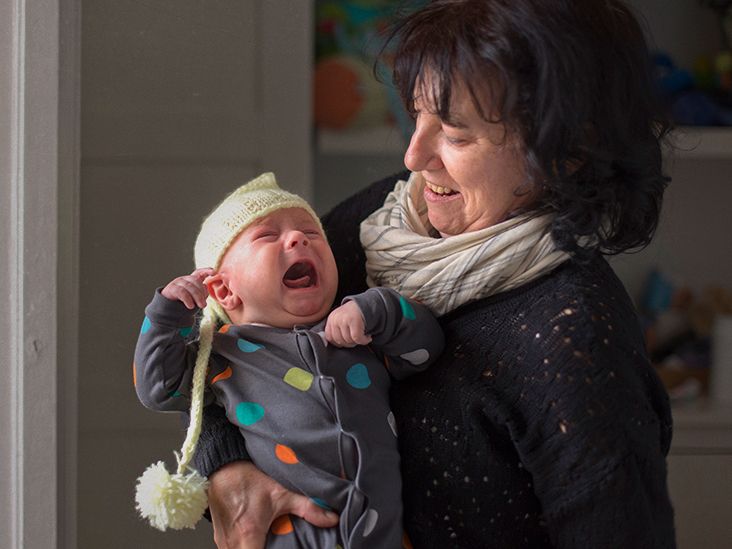
Separation anxiety is the distress a baby or young child experiences when a parent or another familiar caregiver leaves or appears likely to leave. A baby may cry when you walk into another room, cling to you when a relative reaches out, resist bedtime, or become upset during childcare drop-off.
Normal infant separation anxiety is not the same as separation anxiety disorder. Ordinary separation anxiety is expected at certain developmental stages and usually becomes less intense as a child gains experience, language, independence, and a better understanding that caregivers return. Separation anxiety disorder involves fear that is developmentally inappropriate, excessive, persistent, and disruptive to everyday life.
When does separation anxiety start?
There is no universal schedule because babies are not tiny software programs receiving the same emotional update on Tuesday morning. Many infants begin showing separation anxiety between approximately 6 and 9 months. It commonly becomes more noticeable between 9 and 18 months and may peak around 10 to 18 months. Symptoms often ease gradually during toddlerhood, although occasional flare-ups may continue until age 3 or later.
A baby who previously tolerated handoffs may suddenly object to being held by a grandparent. A once-independent sleeper may begin crying when placed in the crib. Some babies show only mild hesitation, while others deliver an award-worthy performance every time a parent reaches for the car keys.
Separation anxiety may also disappear for a while and return during transitions such as starting daycare, moving to a new home, traveling, recovering from an illness, welcoming a sibling, or changing caregivers. Temporary increases do not automatically mean that your baby is moving backward.
What causes separation anxiety in babies?
Growing attachment to familiar caregivers
Babies are biologically prepared to form strong emotional connections with adults who consistently feed, comfort, protect, and respond to them. As attachment develops, babies learn that certain people are especially reliable sources of safety. When one of those people disappears, distress is understandable: the person running the entire comfort department has apparently left the building.
Separation anxiety is therefore not proof that a baby has been “spoiled.” Frequently holding, soothing, or responding to an infant does not create this developmental stage. Responsive caregiving helps establish emotional security, which can support a child as they gradually become more comfortable exploring away from a caregiver.
Developing object permanence
During the first year, babies begin developing object permanencethe understanding that a person or object still exists when it cannot be seen. Before this skill develops, an absent parent may simply vanish from the baby’s immediate awareness. As the skill emerges, the baby understands that the parent still exists but does not yet fully understand where the parent went, how long the absence will last, or whether the parent will return soon.
This creates a frustrating developmental combination: “I know you exist, I know you left, and I have absolutely no access to your calendar.”
An immature sense of time
Adults understand the difference between leaving for 30 seconds and leaving for three hours. Babies do not. “I’ll be back after lunch” is not particularly reassuring to someone who cannot read a clock, define lunch, or reliably locate their own sock.
Because a young baby has a limited understanding of time, even a brief separation can feel significant. Repeated experiences of a caregiver leaving and returning gradually teach the baby that separation is temporary.
Temperament and sensitivity
Some babies adapt quickly to unfamiliar people and surroundings. Others need more time to observe, warm up, and decide whether the new adult holding a stuffed giraffe has acceptable credentials. Both responses can fall within normal development.
A cautious or highly sensitive baby may display stronger separation anxiety, especially in busy, loud, or unfamiliar settings. Temperament is not bad behavior, and it is not a parenting failure. It is part of how an individual child experiences the world.
Hunger, fatigue, illness, and overstimulation
Separation anxiety often becomes more intense when a baby is hungry, tired, sick, teething, or overwhelmed. The American Academy of Pediatrics advises planning departures, when possible, after a baby has eaten and rested rather than when the child is already running on an empty stomach and three minutes of patience.
Changes in routine
Babies depend heavily on familiar patterns. A new daycare room, substitute caregiver, family trip, parental work change, hospitalization, or household move can make the world feel less predictable. Stable routines and responsive relationships help young children manage ordinary stress and build confidence during transitions.
Common signs of separation anxiety
Separation anxiety can look different from one baby to another. Common signs include:
- Crying, reaching, or protesting when a caregiver leaves
- Clinging tightly in new places or around unfamiliar people
- Refusing to be held by someone who was previously accepted
- Following a parent from room to room once mobile
- Becoming upset when a parent prepares to leave
- Resisting naps or bedtime without a caregiver nearby
- Waking more frequently and crying for a parent
- Showing increased stranger anxiety
- Calming relatively soon after the parent has left
- Acting especially clingy after illness, travel, or another major change
Crying when you leave the room, clinging in unfamiliar situations, waking after previously sleeping well, and refusing to sleep without a parent nearby are widely recognized signs of normal infant separation anxiety.
How separation anxiety can affect sleep
During the second half of the first year, separation anxiety may contribute to bedtime resistance and nighttime waking. A baby who previously settled without much help may suddenly protest when placed in the crib or call out several times during the night.
Respond with calm reassurance while keeping the sleep environment boringin the most loving way possible. Use a quiet voice, gentle patting, or a brief check-in. Avoid turning each waking into a brightly lit midnight festival unless your baby needs feeding, changing, medical attention, or another essential form of care.
Maintain a predictable bedtime routine, such as feeding, bathing, reading, singing, and placing the baby in an appropriate sleep space. Babies younger than 12 months should be placed on their backs in a crib, bassinet, or play yard with a firm, flat surface and no pillows, blankets, stuffed toys, bumpers, or other loose items.
How to help a baby with separation anxiety
1. Practice short separations at home
Begin with small, manageable experiences. Tell your baby you are going into another room, leave briefly, and return. As your baby becomes comfortable, gradually increase the time. These low-pressure practice sessions teach an important pattern: you leave, life continues, and you come back.
Games such as peekaboo also reinforce the idea that people and objects can disappear and return. The educational value is impressive for an activity involving an adult repeatedly hiding behind a dish towel.
2. Create a brief goodbye ritual
Use the same simple routine whenever you leave: a hug, a kiss, one reassuring sentence, and perhaps a wave from the doorway. A consistent ritual makes the transition predictable.
Keep the goodbye warm but short. Long, emotional departures can signal that something dangerous or unusual is happening. Repeatedly returning for “one more hug” may restart the baby’s distress each time. Pediatric guidance consistently favors loving, confident, and reasonably quick farewells.
3. Do not sneak away
Slipping out unnoticed may prevent an immediate protest, but your baby may become more watchful if caregivers sometimes disappear without warning. Say goodbye even when tears are likely. The goal is not to guarantee that the baby never cries; it is to build trust through a reliable pattern.
4. Keep your promise about returning
For an older baby or toddler, describe your return using familiar events instead of clock time: “I’ll be back after your snack,” or “I’ll see you after your nap.” Return when promised whenever possible. Predictable reunions help your child learn that your words can be trusted.
5. Let new caregivers become familiar gradually
Invite the caregiver to spend time with you and your baby before the first extended separation. Let the caregiver join a familiar activity such as floor play, feeding, or reading. Your baby can observe that you trust this person before being expected to wave goodbye cheerfully.
At daycare, consider one or more short visits before the full schedule begins. Share the baby’s routines, favorite songs, soothing methods, feeding schedule, and preferred comfort strategies with staff.
6. Leave when your baby is rested and fed
Whenever you have control over the timing, avoid departures immediately before meals or naps. A rested, comfortable baby usually has more emotional flexibility than a hungry baby who has already filed several formal complaints about the day.
7. Stay calm and confident
Babies closely observe facial expressions, body tension, voice, and behavior. You do not need to become an emotionless departure robot, but try to communicate confidence in the caregiver and the situation.
If you appear frightened or repeatedly ask, “Are you going to be okay without me?” your baby may interpret the separation as unsafe. Take a breath, use your ritual, and leave calmly. Managing visible parental anxiety can help children interpret unfamiliar situations as manageable rather than threatening.
8. Allow a trusted caregiver to comfort your baby
It is difficult to walk away while your baby is crying, but many babies settle within minutes once the transition is complete. Give the caregiver an opportunity to use distraction, movement, singing, toys, or another familiar soothing technique.
Ask for an update after a reasonable amount of time if that helps you function like a normal human instead of refreshing your phone every six seconds. Avoid returning immediately unless the caregiver needs assistance, because repeated returns may prolong the adjustment.
9. Use a safe comfort item when age-appropriate
An older baby or toddler may benefit from a familiar comfort object, family photo, small cloth with a caregiver’s scent, or favorite toy during daytime separation. Childcare facilities may have their own rules, so check first.
Do not place blankets, stuffed animals, pillows, or other loose comfort items in the sleep space of an infant younger than 12 months.
10. Celebrate progress without shaming distress
Praise small steps: accepting comfort from a grandparent, playing while you sit across the room, or completing a daycare drop-off. Avoid labels such as “clingy,” “dramatic,” or “a baby.” Your baby is, technically, a baby, so that last criticism is not especially persuasive.
Comforting a distressed infant does not reward bad behavior. Calm support helps the baby regulate emotions while repeated safe separations build confidence.
What not to do
- Do not punish, tease, or shame your baby for crying.
- Do not turn every goodbye into a lengthy negotiation.
- Do not promise that you will never leave.
- Do not sneak out as a routine strategy.
- Do not introduce several major changes simultaneously when avoidable.
- Do not cancel every separation solely because your baby protests.
- Do not compare your baby’s reaction with another child’s temperament.
Avoiding all separation may provide immediate relief, but it also removes opportunities for the baby to learn that trusted caregivers can provide comfort and that parents reliably return. Gradual practice is generally more helpful than either forcing long separations suddenly or eliminating them completely.
When should parents contact a pediatrician?
Most separation anxiety in infancy is normal. Still, contact your child’s pediatrician if the distress is unusually intense, continues to worsen, prevents normal feeding or sleep, lasts throughout the entire childcare period, or significantly disrupts family life.
Seek professional guidance when:
- Your baby cannot be comforted by any familiar caregiver.
- Distress regularly continues for long periods after separation.
- Your child stops eating, sleeping, playing, or interacting normally.
- There is a sudden behavioral change accompanied by fever, pain, lethargy, breathing problems, vomiting, or other signs of illness.
- Your child loses previously acquired developmental skills.
- Fear remains severe beyond the expected developmental period.
- Anxiety prevents an older child from attending school or participating in age-appropriate activities.
- Your own anxiety is making necessary separation or daily functioning extremely difficult.
Persistent or extreme fears can sometimes indicate an anxiety disorder or another medical, developmental, or emotional concern. A pediatrician can review the child’s development, health, routines, sleep, family circumstances, and behavior and recommend further evaluation when needed.
Remember that a baby’s age matters. Behavior that is developmentally typical at 10 months may be more concerning if it remains severe and disabling years later. Separation anxiety disorder is defined by fear that is excessive for the child’s developmental stage and interferes with ordinary activities.
Real-world experiences: What separation anxiety can look like
The baby who cried at every daycare drop-off
Imagine a 10-month-old named Mia who begins daycare after spending most of her first year at home. On the first morning, she studies the room quietly. Then her father hands her to a teacher, says goodbye, and turns toward the door. Mia cries with the urgency of someone watching the last helicopter leave an island.
Her father initially remains in the classroom for 20 minutes, returning each time she cries harder. The result is a series of repeated separations rather than one clear transition. Working with the teacher, he changes the routine. He arrives at the same time each morning, helps Mia place her cup in a cubby, gives her two kisses, says, “Daddy comes back after afternoon snack,” and leaves.
For several days, Mia still cries. The teacher sends a photo 10 minutes later showing her playing with stacking cups. After two weeks, she protests briefly but reaches toward the teacher. After a month, she occasionally forgets to cry because a toy kitchen has captured her professional attention. Progress does not mean zero emotion; it means increasing recovery and trust.
The suddenly sleepless 9-month-old
Consider Noah, who slept predictable stretches until 9 months. Then he begins standing in his crib and crying whenever his mother leaves. His parents wonder whether they have ruined his sleep routine, whether he is teething, or whether the crib has developed a personal grudge.
They first rule out illness, hunger, temperature problems, and discomfort. They then return to a consistent bedtime routine: feeding, bath, pajamas, a short book, a song, and the same goodnight phrase. When Noah cries, a parent checks on him calmly, offers brief reassurance, and leaves again without beginning playtime.
The change is not instant. Some nights remain difficult, particularly when Noah is overtired. Over time, however, the predictable routine helps him understand what happens next. His parents also practice daytime separations so that bedtime is not the only moment when he must cope with a caregiver leaving.
The baby who suddenly rejected Grandma
Now picture 11-month-old Ava, who once happily sat with her grandmother but suddenly cries whenever Grandma approaches. Her family initially takes it personally. Grandma wonders whether Ava has forgotten her, while Ava’s parents worry that they have not socialized her enough.
Instead of forcing an immediate handoff, Grandma begins by sitting nearby while Ava remains on a parent’s lap. She reads the same board book during each visit, rolls a ball toward Ava, and waits for Ava to initiate contact. Eventually, Ava crawls over to inspect Grandma’s bracelet. During later visits, Grandma joins snack time and takes over a familiar game. The parents then leave the room briefly and return as promised.
This gradual approach respects Ava’s temperament without teaching her that unfamiliarity must always be avoided. Within a few visits, she becomes more comfortable. She may still prefer a parent when tired or sick, but that preference does not erase her growing relationship with Grandma.
These examples are composites rather than accounts of specific children, but they reflect a common pattern: improvement usually comes through repeated, predictable, manageable experiences. Babies learn that trusted adults can care for them, uncomfortable feelings pass, and departing parents return. The process may include tears, setbacks, and mornings when everyone is late because one tiny shoe has vanished. Even so, calm routines and responsive care gradually turn separation from a crisis into an ordinary part of life.
Note: This article provides general educational information and is not a substitute for personalized medical advice. Contact your child’s pediatrician about severe, persistent, sudden, or otherwise concerning changes in behavior, development, feeding, or sleep.