Colonoscopy is one of modern medicine’s most useful tools. It can detect colorectal cancer early, remove precancerous polyps, and give patients and families peace of mind. That is the good news. The trickier news is this: some seniors with limited life expectancy are still advised to return for future colonoscopies, even when the chance of benefit may be small and the burden may be real.
That does not mean colonoscopy is “bad.” Far from it. Colonoscopy has helped prevent countless cases of colon cancer. But for older adults, especially those in their late 70s, 80s, or beyond, the smartest decision is rarely based on age alone. It depends on overall health, prior screening history, past polyp findings, current symptoms, personal goals, and whether the patient is likely to live long enough to benefit from the test.
In other words, the question is not simply, “Is colonoscopy recommended for seniors?” A better question is, “Will this colonoscopy help this person, at this stage of life, more than it might harm or burden them?” That is where the conversation gets more thoughtfuland honestly, more human.
Why Colonoscopy Matters in the First Place
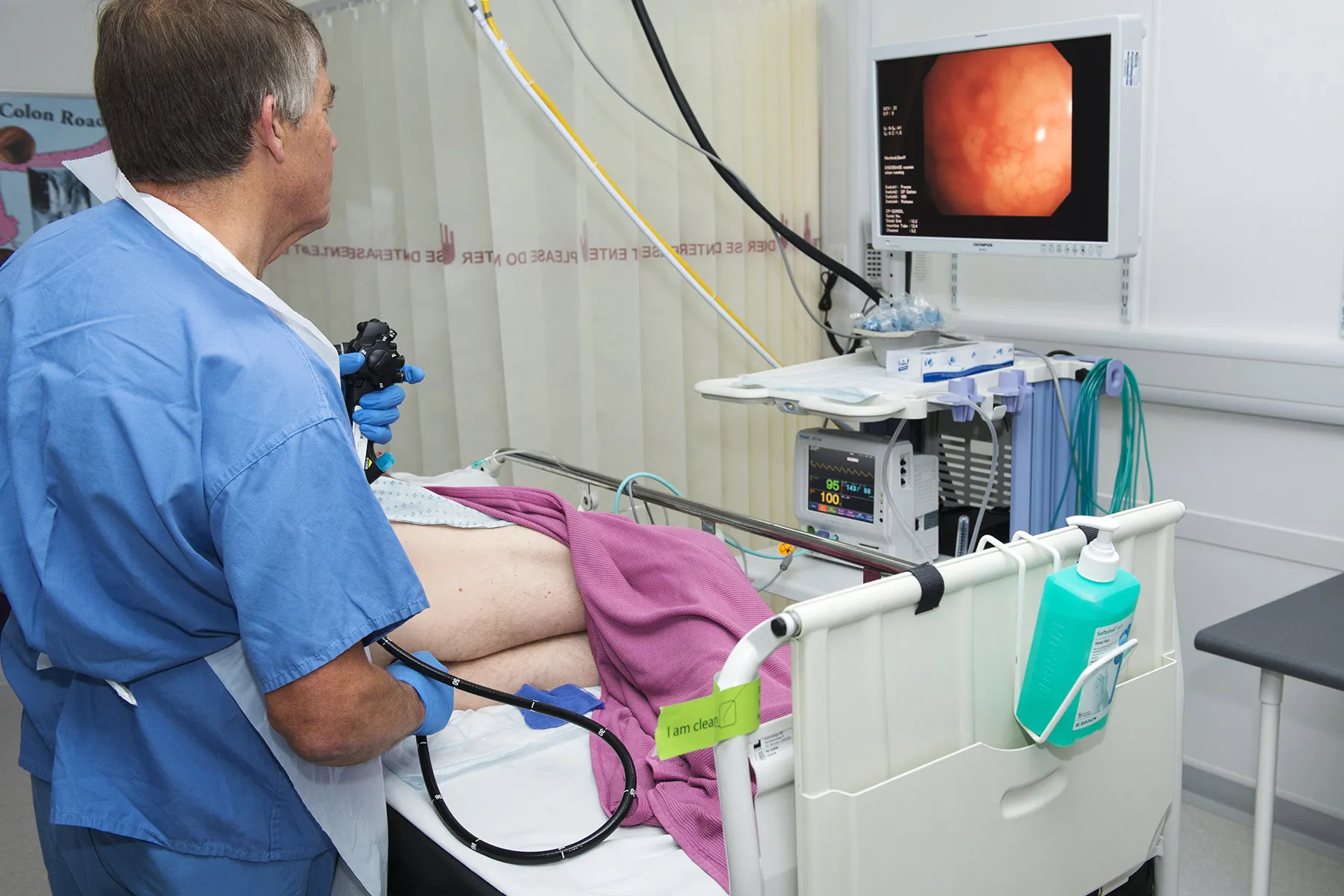
Colorectal cancer often develops slowly. Many cases begin as small growths called polyps, some of which may turn into cancer over many years. Colonoscopy allows a doctor to inspect the colon and rectum using a flexible camera. If polyps are found, many can be removed during the same procedure. That is why colonoscopy is both a screening test and, in many cases, a preventive treatment.
For average-risk adults, U.S. medical organizations generally recommend colorectal cancer screening beginning at age 45. Screening options include colonoscopy, stool-based tests such as FIT, stool DNA tests, flexible sigmoidoscopy, and CT colonography. Colonoscopy is often considered the most complete test because it allows doctors to see the colon directly and remove polyps immediately.
However, colonoscopy is not as casual as checking your blood pressure at the pharmacy while pretending not to notice the snack aisle. It requires bowel preparation, dietary changes, transportation, sedation in many cases, and recovery time. For a healthy 55-year-old, those inconveniences may be well worth it. For a frail 87-year-old with serious heart disease, dementia, or multiple hospitalizations, the calculation can look very different.
The Guideline Sweet Spot: Ages 45 to 75
For most adults at average risk, the strongest evidence supports regular colorectal cancer screening from age 45 through 75. During this period, the benefits are clearer because many people have enough years ahead for early detection or polyp removal to make a meaningful difference.
This “screening window” is not random. Colorectal cancer risk rises with age, but the benefits of screening can take years to appear. Removing a precancerous polyp today may prevent a cancer that would otherwise appear 10 or more years from now. That timeline matters greatly when screening older adults.
A 70-year-old in good health who hikes, gardens, manages chronic conditions well, and has never been screened may benefit from colonoscopy. A 70-year-old with advanced illness and a short life expectancy may not. The birthday is the same. The medical reality is not.
What Changes After Age 75?
After age 75, major U.S. guidelines shift away from routine screening for everyone and toward individualized decision-making. For adults ages 76 through 85, screening may still be appropriate for some people, especially those who are healthy, have a life expectancy of more than 10 years, and have not been previously screened.
For others, especially those who have been regularly screened and had normal results, another colonoscopy may offer little additional benefit. The body has only so many years on its calendar, and preventive tests must compete with more immediate priorities: comfort, mobility, independence, medication management, and quality of life.
Most guidelines advise stopping colorectal cancer screening after age 85. At that point, the likelihood of benefit becomes very small for most people, while the risks and burdens of the procedure become more important. Of course, diagnostic colonoscopy is different. If an older adult has symptoms such as rectal bleeding, unexplained anemia, persistent bowel changes, or unexplained weight loss, doctors may still recommend evaluation regardless of age.
Screening Colonoscopy vs. Surveillance Colonoscopy
One reason this topic gets confusing is that people use the word “colonoscopy” for different situations. A screening colonoscopy is done to look for cancer or polyps in someone without symptoms. A surveillance colonoscopy is done after a person has had polyps removed in the past, to check whether new polyps have developed.
Surveillance is common among older adults because many people have had polyps found earlier in life. Once a polyp appears in the medical record, future colonoscopies can become automatic, like a calendar reminder that refuses to retire. But automatic recommendations are not always ideal for seniors with limited life expectancy.
Recent research has found that many older adults with limited life expectancy are still advised to return for future surveillance colonoscopy. In one large study of older adults with prior polyps, the overall chance of finding advanced polyps or colorectal cancer was low, yet many patients with less than five years of estimated life expectancy were still told to come back for another colonoscopy. That finding raises an important question: are recommendations always matching the patient’s likely benefit?
Why Life Expectancy Matters More Than Age Alone
Life expectancy is not about putting an expiration date on a person. No doctor has a crystal ball, and if they did, insurance probably would not cover it. Instead, life expectancy is a practical estimate based on overall health, chronic conditions, function, and medical history.
The key issue is time to benefit. Colorectal cancer screening often prevents harm years in the future. If a person is unlikely to live long enough to experience that future benefit, the test may expose them to immediate burdens without much chance of payoff.
Consider two 79-year-olds. One takes a daily walk, manages blood pressure well, has no major illnesses, and has never been screened. The other has advanced heart failure, severe frailty, and frequent hospital stays. A colonoscopy discussion should not sound the same for both. The first person may reasonably consider screening. The second may be better served by focusing on comfort, symptom management, and avoiding procedures that are unlikely to improve life.
The Risks of Colonoscopy in Older Adults
Colonoscopy is generally safe, but it is not risk-free. Possible complications include bleeding, bowel perforation, infection, dehydration from bowel preparation, reactions to sedation, aspiration, heart or lung complications, and hospitalization. These risks remain uncommon, but they increase with age, frailty, and medical complexity.
The preparation itself can be difficult. Seniors may need to drink large volumes of laxative solution, spend hours near the bathroom, adjust medications, and manage fluid balance. For someone with kidney disease, diabetes, mobility problems, or a history of falls, the prep can be more than just unpleasant. It can be physically stressful.
There is also the practical side. Many older adults need a family member or caregiver to drive them, stay during the procedure, help afterward, and monitor for complications. A “routine” colonoscopy may involve several days of planning and recovery. For some families, that is manageable. For others, it is a logistical circusminus the popcorn.
When Colonoscopy May Still Make Sense for Seniors
It would be a mistake to say seniors should never have colonoscopy. Some older adults are healthy, active, and likely to live many more years. Others may have never been screened and therefore carry a higher chance of undetected disease. In those cases, screening may still be worthwhile.
Colonoscopy may be reasonable for an older adult who has a strong life expectancy, few serious medical problems, good functional status, and a personal preference for aggressive prevention. It may also be appropriate when previous colonoscopies found advanced adenomas or high-risk polyps, especially if the patient remains healthy enough to benefit from future detection and treatment.
Symptoms are another major exception. Screening guidelines apply to people without warning signs. A senior with blood in the stool, unexplained iron-deficiency anemia, persistent abdominal pain, new bowel habit changes, or unexplained weight loss may need diagnostic evaluation. That is not routine screening; that is investigating a medical problem.
When It May Be Better to Stop
Stopping colonoscopy can feel uncomfortable. Many patients hear “no more screening” and worry it means “no more care.” That is not true. Sometimes stopping a preventive test is a sign of better, more personalized care.
It may be reasonable to stop screening or surveillance colonoscopy when a senior has a life expectancy under 10 years, serious competing illnesses, advanced frailty, dementia, high sedation risk, or prior normal colonoscopies. It may also be reasonable to stop if the patient would not want cancer treatment even if cancer were found.
This last point is crucial. Before having a colonoscopy, patients should ask, “What would we do with the results?” If a cancer were discovered, would the patient want surgery, chemotherapy, radiation, or hospitalization? If the answer is no, the value of searching aggressively for cancer becomes much less clear.
Better Conversations Between Doctors, Seniors, and Families
The best decision usually comes from shared decision-making. That means the doctor brings medical evidence, and the patient brings values, goals, fears, and preferences. Families and caregivers may also help, especially when memory problems or complex care needs are involved.
A strong conversation might include questions such as:
- How healthy is the patient overall?
- Has the patient been screened before?
- Were prior colonoscopies normal, low-risk, or high-risk?
- What is the estimated life expectancy?
- What are the risks of sedation and bowel preparation?
- Would the patient want treatment if cancer were found?
- Are stool-based tests a reasonable alternative?
These questions move the conversation away from “You are old, so no” or “You had polyps once, so yes forever.” Instead, they create room for a decision that respects both science and the person sitting in the exam room.
Alternatives to Colonoscopy for Some Older Adults
For certain seniors, stool-based screening may be an option. The fecal immunochemical test, often called FIT, checks for hidden blood in stool and is usually done yearly. Stool DNA tests look for blood and DNA changes linked to colorectal cancer and are done at longer intervals. These tests are noninvasive, can be done at home, and do not require sedation or bowel preparation.
However, there is a catch. If a stool-based test is positive, the usual next step is colonoscopy. So before choosing a stool test, older adults should ask whether they would be willing and healthy enough to undergo colonoscopy if the result came back abnormal. If not, stool testing may create anxiety without a clear path forward.
Still, for some seniors who are healthy enough for follow-up but want to avoid colonoscopy unless necessary, stool-based testing can be a practical middle ground.
The Emotional Side of Stopping Screening
Medical guidelines are written in careful language, but real life is not a guideline table. For many seniors, being told to stop screening can feel like being quietly moved to the “do not bother” column. That emotional reaction deserves respect.
Doctors should explain that stopping colonoscopy is not abandonment. It is often a shift toward care that is more likely to help now. For example, managing blood pressure, preventing falls, reviewing medications, treating pain, improving sleep, supporting nutrition, and addressing loneliness may do more for an older adult’s daily life than another surveillance colonoscopy five years from now.
Families also need sensitivity. Saying, “Mom, you are too old for this” is unlikely to go well. A better approach is, “Let’s ask whether this test is likely to help you, and whether it fits what you want for your health.” That simple change in wording can turn a tense debate into a useful conversation.
Practical Examples: How the Decision Can Differ
Example 1: The Healthy 78-Year-Old Who Was Never Screened
A 78-year-old who is active, independent, and has never had colorectal cancer screening may still benefit. If they are likely to live more than 10 years and would want treatment if cancer were found, a doctor may reasonably recommend screening. Colonoscopy may be one option, but stool-based testing may also be discussed.
Example 2: The 82-Year-Old With Prior Normal Colonoscopies
An 82-year-old who has had several normal colonoscopies and no symptoms may gain little from another test. If overall health is declining, stopping screening may be sensible. This is especially true if the patient would face high risk from bowel preparation or sedation.
Example 3: The 80-Year-Old With Advanced Prior Polyps
An 80-year-old with a history of advanced adenomas may need a more detailed discussion. If the person is robust and wants preventive care, surveillance may still be considered. If the person has serious illness or limited life expectancy, the balance may tilt toward stopping.
Example 4: The 86-Year-Old With Rectal Bleeding
This is different. Rectal bleeding is a symptom, not a screening scenario. Even though routine screening is generally stopped after 85, doctors may still recommend diagnostic evaluation depending on the patient’s health, goals, and likely treatment choices.
How Seniors Can Prepare for the Appointment
Older adults and caregivers can make the colonoscopy conversation more productive by bringing a clear list of medical conditions, medications, prior colonoscopy results, and personal goals. It helps to know whether previous polyps were low-risk or advanced, because those findings influence future recommendations.
Patients can also ask direct questions. “What is my chance of benefiting from this test?” “What are my specific risks?” “Are there alternatives?” “What happens if we do nothing?” “Would you recommend this if I were your parent?” That last question is not scientific, but it does have a way of making the room very honest.
The goal is not to pressure the doctor into a yes or no. The goal is to understand the trade-off. A good recommendation should feel tailored, not stamped onto the chart by habit.
Experience Notes: What Families Often Learn the Hard Way
Many families discover the complexity of colonoscopy decisions only after an older loved one is already scheduled. At first, the appointment looks routine. A reminder appears, the doctor says it is time, and the family starts planning transportation. Then the details arrive: special diet, medication instructions, bowel prep, bathroom urgency, hydration concerns, and a full day built around the procedure. Suddenly, “just a colonoscopy” becomes a family project with a clipboard.
One common experience is the caregiver who realizes that preparation is the hardest part. An older parent may understand the procedure itself but struggle with drinking the prep solution, getting safely to the bathroom overnight, or avoiding dizziness. If the person uses a walker or has a history of falls, the night before the colonoscopy can be more stressful than the test. Families often wish they had asked earlier whether the expected benefit justified that burden.
Another experience involves the senior who wants every possible test because screening feels like control. That feeling is understandable. Medical tests can offer reassurance, and many older adults grew up with the message that prevention is always responsible. But prevention changes meaning near the end of life. A test that prevents cancer 10 years from now may not help someone whose biggest priorities are staying at home, avoiding hospitalization, and having enough energy for Sunday lunch with grandchildren.
Some families also face disagreement. Adult children may want more testing because they fear missing something. The older adult may be tired of procedures. Or the older adult may want testing while the family worries about complications. In these moments, the most useful question is not “Who is right?” but “What outcome are we hoping for?” If the answer is “more good days,” then every medical decision should be judged by whether it is likely to create them.
Doctors, too, can fall into patterns. A prior polyp may trigger repeat colonoscopy recommendations without enough discussion of current health. Specialists may focus on colon risk, while primary care doctors see the full picture: heart disease, memory loss, kidney function, falls, medications, caregiving limits, and the patient’s own definition of a good life. The best experiences often happen when these perspectives are brought together rather than treated as separate worlds.
There are also positive stories. Some healthy older adults undergo colonoscopy, have important findings removed, and feel grateful they chose screening. Others decide not to continue surveillance and feel relieved, not neglected. They replace the anxiety of future procedures with a care plan focused on symptoms, comfort, and everyday function. Both choices can be right when they are matched to the person.
The most meaningful lesson is that colonoscopy decisions in seniors should not run on autopilot. A thoughtful pause can prevent unnecessary procedures, reduce stress, and protect dignity. It can also identify the older adults who truly may benefit from continued screening. Personalized care is not about doing less. It is about doing what matters most.
Conclusion
Colonoscopy remains a powerful tool for preventing and detecting colorectal cancer, but in older adults, especially seniors with only a few years of life expectancy, more screening is not always better care. The decision should consider overall health, prior screening results, polyp history, symptoms, risks, personal values, and willingness to undergo treatment if cancer is found.
For adults 45 to 75, routine colorectal cancer screening is strongly supported. For adults 76 to 85, the choice should be individualized. After 85, routine screening is generally not recommended. But no guideline can replace a careful conversation between a senior, their doctor, and the people who help care for them.
The best colonoscopy recommendation is not the most aggressive one or the most conservative one. It is the one that fits the patient’s health, goals, and real life. Sometimes that means getting screened. Sometimes it means stopping. And sometimes the wisest medical decision is simply asking better questions before putting another procedure on the calendar.