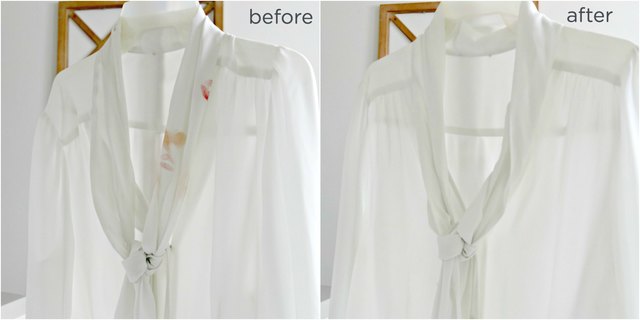
Makeup is wonderful on your face. On your favorite white shirt? Suddenly, it becomes a tiny, dramatic villain with excellent staying power. One swipe of foundation on a collar, one lipstick hug, one mascara smudge on a sleeve, and your outfit looks like it survived a beauty counter tornado.
The good news: most makeup stains are not permanent if you treat them correctly. The secret to removing makeup stains from clothes is not magic, yelling, or pretending the stain is “part of the design.” It is knowing what kind of makeup made the mess, treating it before heat sets it, and using the right cleaning method for the fabric.
This guide breaks down how to remove foundation, lipstick, mascara, powder, concealer, blush, bronzer, and waterproof makeup from clothing without making the stain worse. Grab a spoon, a clean cloth, detergent, and your patience. We are going in.
Why Makeup Stains Are So Stubborn
Makeup is designed to stay put. That is great when you want foundation to survive a long day, but less charming when it transfers to your blouse. Most makeup products contain some combination of oils, waxes, pigments, silicones, powders, and dyes. Those ingredients cling to fabric fibers the same way they cling to skin.
Foundation and concealer often contain oils and pigments. Lipstick brings wax, oil, and strong color. Mascara adds dark pigments and waxy ingredients, especially if it is waterproof. Powder products may look harmless, but once rubbed into fabric, they can become a dusty stain that spreads like gossip in a group chat.
That is why the first rule is simple: do not rub. Rubbing pushes makeup deeper into the fibers and can spread the stain. Instead, lift, blot, pretreat, rinse, and wash. Very glamorous? No. Very effective? Absolutely.
The Golden Rules Before Treating Any Makeup Stain
1. Check the Care Label First
Before using water, detergent, stain remover, or any DIY trick, check the care label. Cotton, polyester, nylon, and many washable blends can usually handle home stain treatment. Silk, wool, rayon, acetate, embellished fabrics, and “dry clean only” garments need extra caution. When in doubt, blot the excess and take the item to a professional cleaner.
2. Remove Excess Makeup Gently
If the stain is thick, like liquid foundation or lipstick, use the edge of a spoon, dull knife, or credit card to lift away extra product. Work from the outside of the stain inward so you do not create a larger masterpiece of chaos.
3. Blot, Do Not Scrub
Use a clean white cloth, microfiber towel, or paper towel to blot the stain. A white cloth helps prevent color transfer from the towel to the garment. Scrubbing may damage delicate fibers and spread pigment.
4. Test Products in a Hidden Area
Before applying stain remover, dish soap, makeup remover, hydrogen peroxide, oxygen bleach, or rubbing alcohol, test it on an inside seam or hem. Some dyes are sensitive, and nobody wants to remove a makeup stain only to create a faded polka dot.
5. Avoid the Dryer Until the Stain Is Gone
Heat can set makeup stains, especially oily or pigment-heavy stains. After washing, inspect the garment while it is still damp. If you can still see the stain, repeat the treatment. Air-dry until you are sure the spot has disappeared.
How to Remove Foundation Stains from Clothes
Foundation is one of the most common makeup stains because it loves collars, cuffs, necklines, and panic. The cleaning method depends on whether the foundation is oil-based, water-based, or powder.
For Liquid Foundation
First, lift off any excess foundation with a spoon. Place a clean towel under the stained area so the product does not transfer to another layer of fabric. Apply a small amount of liquid laundry detergent or stain remover directly to the stain. Gently work it in with your fingers or a soft toothbrush.
Let it sit for 5 to 15 minutes, depending on the product instructions and fabric type. Rinse with cool or lukewarm water from the back of the fabric to help push the stain out instead of deeper in. Then wash the garment in the warmest water allowed by the care label.
For Oil-Based Foundation
Oil-based makeup needs a grease-fighting step. Apply a tiny amount of liquid dish soap to the stain, since dish soap is designed to cut oil. Gently tap it into the fabric, then rinse. Follow with laundry detergent or stain remover before washing.
For delicate fabrics, skip aggressive scrubbing. Use a soft touch and repeat the process if needed. Makeup stains usually prefer patience over brute force.
For Powder Foundation
Do not wipe powder foundation right away. That can grind it into the fabric. Instead, shake the garment outside or use a hair dryer on a cool setting to blow away loose powder. Once the loose product is gone, treat any remaining mark with detergent and wash as directed.
How to Remove Lipstick Stains from Clothes
Lipstick stains are bold, waxy, and fully committed to ruining your day. Since lipstick contains oils, waxes, and strong pigments, it needs a two-part approach: break down the grease and lift the color.
Start by scraping away excess lipstick with a spoon or dull knife. Place the stained area face down on a clean paper towel or cloth. Apply liquid dish soap, laundry detergent, or a stain remover to the back of the stain. Blot gently so the color transfers into the towel underneath.
Rinse with cool or lukewarm water, then repeat if needed. Wash the item according to the care label. If the garment is white and bleach-safe, you may use a proper laundry-safe bleach method, but never guess. Bleach is not a “vibe”; it is chemistry with consequences.
How to Remove Mascara and Eyeliner Stains
Mascara and eyeliner can be tricky because they often contain waxes, oils, and dark pigments. Waterproof formulas are especially stubborn because they are designed to resist water. That is their whole personality.
For washable clothes, lift any clumps first. Apply a stain remover or a small amount of heavy-duty liquid detergent. Let it sit briefly, then gently blot and rinse. If the mascara is waterproof, an oil-free, non-flammable makeup remover can help loosen the stain. Use a cotton pad, dab gently, and avoid soaking the fabric unless the care label allows it.
After pretreating, wash the garment in the warmest water recommended for the fabric. Check before drying. If a gray shadow remains, repeat the process.
How to Remove Concealer, Blush, Bronzer, and Eyeshadow
Concealer behaves a lot like foundation, especially if it is creamy or long-wear. Treat it with liquid detergent, stain remover, or a small amount of dish soap if it feels oily. Blush, bronzer, and eyeshadow can be powdery or creamy, so identify the texture before attacking.
For Powder Makeup
Shake or blow off loose powder first. Do not wet the stain immediately because water can turn powder into a paste. After removing the excess, pretreat the remaining mark with detergent and wash.
For Cream Makeup
Scrape away excess product, then use detergent or stain remover. If the product is greasy, add a small dish soap step before laundering.
What to Do When Makeup Gets on White Clothes
White clothes make makeup stains look extra dramatic. A beige foundation streak on a white shirt can appear from across the room, waving like a tiny flag of betrayal.
For white washable fabrics, begin with the same steps: remove excess makeup, pretreat, rinse, and wash. Oxygen bleach can be helpful for many white fabrics and color-safe items, but always follow the product label. Chlorine bleach should only be used on fabrics that are bleach-safe. Never use bleach on wool, silk, spandex-heavy garments, leather, or items with care labels that warn against it.
If the stain remains after washing, do not dry it. Repeat the pretreatment. For stubborn white-shirt stains, soaking in an oxygen-based stain solution may help lift leftover pigment.
What to Do When Makeup Gets on Dark or Colored Clothes
Colored clothing needs careful treatment because stain removal products can affect dye. Test first. Use color-safe stain removers and detergents, and avoid chlorine bleach. Turn garments inside out before washing when appropriate, especially dark clothes that may fade with friction.
For black clothing, makeup residue can leave a pale or chalky mark. A small amount of liquid detergent worked gently into the stain can remove oily residue without over-washing the garment. Rinse thoroughly because leftover detergent can leave its own mark.
How to Handle Old or Dried Makeup Stains
Old makeup stains are harder, but not hopeless. If a stain has already dried, start by brushing off loose residue. Apply a stain remover or liquid detergent and let it sit according to the product directions. For oily stains, add a small amount of dish soap before washing.
If the garment has already gone through the dryer, the stain may be more deeply set. Repeat pretreating and washing. You may need several rounds. Do not use high heat again until the stain is gone.
Best Household Tools for Makeup Stain Removal
You do not need a laboratory to remove makeup stains from clothing. A simple stain-fighting kit can save many outfits.
- Liquid laundry detergent
- Laundry stain remover
- Liquid dish soap for oily makeup
- Clean white cloths or microfiber towels
- Soft toothbrush
- Spoon or dull knife
- Oxygen bleach for suitable fabrics
- Oil-free makeup remover for fresh waterproof makeup stains
Keep a stain-remover pen in your bag if you often apply makeup on the go. It is especially useful for fresh stains, small smudges, and “I got dressed before my mascara dried” emergencies.
Common Mistakes That Make Makeup Stains Worse
Using Hot Water Too Soon
Warm water can help some oily stains during laundering, but blasting a fresh stain with hot water too early may set certain pigments. Start with gentle blotting and pretreatment first.
Rubbing with a Napkin
Paper napkins can shred, leave lint, and push makeup deeper into fabric. Use a clean cloth when possible.
Drying Before Checking
The dryer is the final boss of stain setting. Always check the garment while damp.
Using Too Much Product
More detergent does not always mean cleaner clothes. Too much can leave residue. Use the recommended amount and rinse well.
Ignoring Fabric Type
A sturdy cotton T-shirt and a silk blouse should not receive the same treatment. Fabric matters.
Step-by-Step Quick Method for Fresh Makeup Stains
- Remove excess makeup with a spoon or dull edge.
- Blot gently with a clean white cloth.
- Apply detergent, stain remover, or dish soap depending on the makeup type.
- Let the pretreatment sit for several minutes.
- Rinse from the back of the stain.
- Wash according to the care label.
- Inspect before drying.
- Repeat treatment if needed.
Specific Examples: Matching the Stain to the Fix
Foundation on a White Shirt Collar
Scrape off extra foundation, apply liquid detergent, gently work it in, rinse, then wash. If the collar still looks beige, repeat before drying.
Red Lipstick on a Cotton Dress
Place the stain face down on a towel. Apply dish soap or detergent from the back, blot, rinse, and wash. Repeat if a pink shadow remains.
Waterproof Mascara on a Pillowcase
Use a small amount of oil-free makeup remover on a cotton pad, blot gently, then pretreat with detergent and wash.
Bronzer on a Black Blouse
Shake off loose powder first. Pretreat lightly with detergent, rinse, and wash inside out if the care label allows.
How to Prevent Makeup Stains in the First Place
Prevention is not as exciting as rescue, but it is easier. Let moisturizer, sunscreen, primer, and foundation dry before dressing. Put on clothes before applying heavy powder if possible, or drape a towel around your shoulders. When removing a shirt, pull it away from your face instead of dragging the neckline across your makeup.
Wash makeup brushes and sponges regularly. Dirty tools can transfer more product than expected. Also, keep makeup wipes or a stain pen nearby when traveling. A fresh stain is much easier to handle than one discovered after a cross-country flight and a hotel dryer cycle.
Experience Notes: Real-Life Lessons from Makeup Stain Emergencies
One of the biggest lessons from dealing with makeup stains is that panic is usually the real problem. The stain itself may be manageable, but the first instinct is often to grab the nearest napkin and rub like the shirt owes you money. That is how a small foundation dot becomes a full beige cloud. The calmer approach works better: pause, lift off excess, blot, and treat the stain with the right product.
A common real-life situation is the classic white T-shirt neckline stain. You finish your makeup, feel fantastic, pull on a shirt, and suddenly the collar has a foundation stripe. The best fix is to avoid wetting the whole collar immediately. First, scrape or lift the extra foundation. Then apply a small amount of liquid detergent directly to the mark. Let it sit briefly and rinse from the back. This helps push the makeup out instead of driving it farther into the fabric.
Lipstick stains teach another lesson: color and oil must both be handled. A bright red lipstick print on a napkin is cute. The same print on a blouse is less cute, unless your personal style is “romantic crime scene.” Dish soap can help with the waxy, oily part, while detergent helps finish the job in the wash. The trick is to blot patiently and keep moving to a clean part of the towel underneath so the stain has somewhere to transfer.
Mascara stains are sneaky because they often happen when you rub your eye and touch your sleeve without noticing. Waterproof mascara can be especially stubborn. In those cases, an oil-free makeup remover can loosen the product before laundering. But it is important not to pour remover all over the garment. A cotton pad and gentle dabbing are enough. More liquid does not always mean more success.
Another useful experience: powder makeup should be treated dry first. Many people wet powder stains too early, which turns loose powder into paste. If bronzer or setting powder lands on clothing, shake it off or blow it away with cool air before using detergent. It feels too simple, but it prevents the stain from spreading.
Travel stains are their own little circus. Makeup often leaks in bags, brushes touch clothing, and hotel lighting makes stains appear five hours after they happened. A compact stain kit helps: a stain-remover pen, a small pack of makeup wipes, and a clean handkerchief or microfiber cloth. Even if you cannot wash the garment immediately, blotting and pretreating early can make the final wash much more successful.
The final lesson is patience. Some makeup stains need two or three rounds. That does not mean the method failed. It means the product was designed to last all day, and unfortunately, it took that job seriously. Repeat the pretreatment, wash again, and air-dry until the stain is gone. Your clothes have survived worse. Probably laundry day. Definitely laundry day.
Conclusion
The real secret to removing makeup stains from clothes is matching the method to the makeup. Oil-based foundation needs grease-fighting help. Lipstick needs careful blotting and pretreatment. Mascara may need detergent plus a little makeup remover. Powder stains should be lifted dry before water gets involved.
Act quickly, treat gently, follow the care label, and never send a stained garment into the dryer before checking it. With the right approach, that dramatic makeup stain can become just another laundry story instead of a permanent fashion statement.