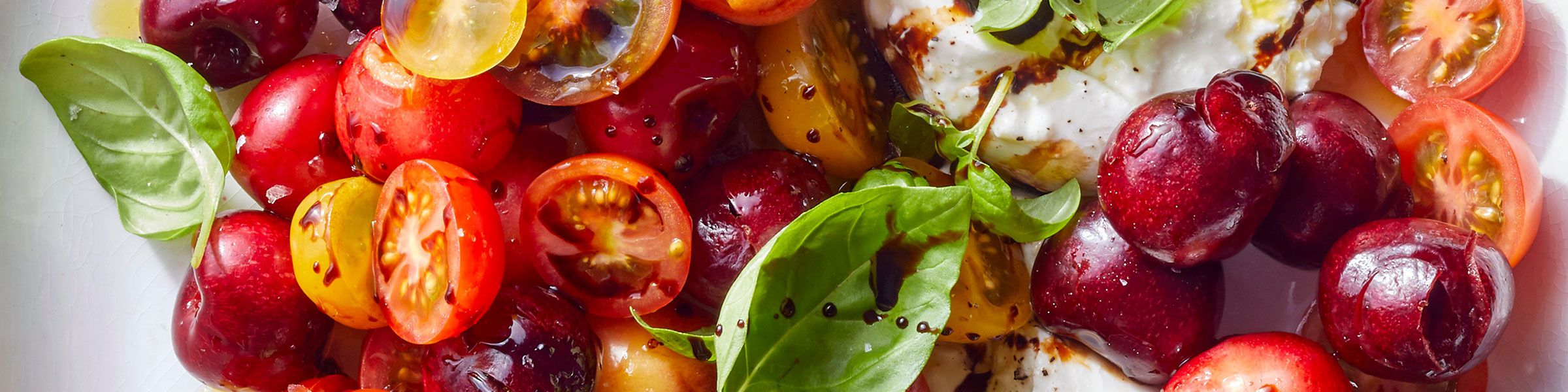
Let’s clear something up right away: a salad does not have to be a sad pile of lettuce with the personality of wet paper towels. A good salad should be crunchy, bright, salty, creamy, herby, and just chaotic enough to make every bite interesting. It should feel like lunch with ambition, dinner with manners, or a side dish that accidentally steals the show.
The best salad recipes work because they balance contrast. Crisp greens need something rich. Creamy ingredients need acid. Soft textures need crunch. And if a salad wants to become a real meal, it also needs staying power from protein, grains, beans, pasta, or all of the above if you’re living dangerously. That is why the smartest salad recipes are never only about lettuce. They are about structure, flavor, and that magical moment when homemade dressing hits a bowl and suddenly everyone starts acting like they eat like this every day.
Below, you’ll find practical, crowd-pleasing salad recipes along with tips to help you build better bowls at home. Some are fresh and leafy, some are hearty enough for dinner, and some skip lettuce completely because rules are for people who enjoy boring lunches.
What Makes a Great Salad Recipe?
Before we get to the recipes, it helps to know what separates a memorable salad from a bowl of chopped regret. First, start with the freshest ingredients you can get. Crisp romaine, peppery arugula, ripe tomatoes, crunchy cucumbers, sweet corn, sturdy beans, and fragrant herbs all make a difference because salads don’t have much to hide behind. When ingredients are raw or barely cooked, quality matters.
Second, pay attention to texture. A truly good salad usually has at least three texture zones: something crisp, something tender, and something crunchy. Think butter lettuce, roasted chicken, and toasted almonds. Or chickpeas, cucumbers, and feta. Or kale, shaved Parmesan, and crispy breadcrumbs. Your fork wants variety, not a monochrome mush-fest.
Third, make the dressing count. A simple vinaigrette can transform a bowl in seconds. Most good dressings hit a balance of fat, acid, salt, and a little personality from mustard, garlic, honey, herbs, or shallots. Creamy dressings follow the same logic, just with a richer base. And the golden rule is simple: dress the salad enough to coat it, not drown it. You want sparkle, not swamp conditions.
8 Salad Recipes Worth Repeating
1. Classic House Salad with Red Wine Vinaigrette
This is the dependable, goes-with-everything salad that belongs in your weekly rotation. Use chopped romaine, iceberg, cucumber, cherry tomatoes, red onion, and a few pepperoncini slices for zip. Add croutons and shaved Parmesan if you want a restaurant-style finish.
For the vinaigrette, whisk olive oil, red wine vinegar, Dijon mustard, minced garlic, salt, black pepper, and a pinch of oregano. Toss the greens just before serving so they stay crisp. This salad is perfect with pasta, grilled chicken, roasted fish, or pizza night when everyone wants to pretend balance was part of the plan from the beginning.
2. Caesar-Style Kale and Romaine Salad
Caesar salad is popular for a reason: it knows exactly what it is. But combining kale with romaine gives it more body and turns it into something that can hold up beautifully at lunch. Chop the kale small, massage it lightly with a spoonful of dressing, and mix it with torn romaine.
The dressing can be made with mayonnaise or egg yolk, lemon juice, garlic, Dijon, anchovy paste if you like the classic umami punch, Parmesan, olive oil, and black pepper. Finish with crunchy croutons and extra Parm. It’s bold, salty, creamy, and impossible to call boring with a straight face.
3. Greek Chickpea Salad
When you want a salad that is fresh, filling, and picnic-friendly, Greek chickpea salad is a smart move. Combine chickpeas, cucumber, cherry tomatoes, red onion, Kalamata olives, feta, and parsley. If you want extra crunch, add diced bell pepper.
Dress it with olive oil, lemon juice, red wine vinegar, garlic, oregano, salt, and pepper. The chickpeas soak up flavor as the salad sits, which makes leftovers arguably even better the next day. This recipe works as a side, lunch, or meal-prep superstar. It also travels well, which means it can survive potlucks, office fridges, and your best attempt at “healthy weekday decisions.”
4. Cobb Salad for Dinner
If your idea of a proper salad includes bacon, chicken, avocado, eggs, and cheese, congratulations: you understand the beauty of Cobb salad. Start with chopped romaine, butter lettuce, or a mix of sturdy greens. Arrange rows of sliced grilled chicken, crispy bacon, chopped hard-boiled eggs, tomatoes, avocado, and blue cheese or feta if you want a milder twist.
A red wine vinaigrette or balsamic shallot dressing works especially well here because it cuts through the richness without overpowering everything else. Cobb salad is proof that salad recipes can absolutely be dinner. In fact, when built right, they can be the kind of dinner that makes everyone else at the table glance over with envy.
5. Lemon Herb Pasta Salad
Not every salad needs leaves. Pasta salad earns its place by being chilled, sturdy, and deeply useful. Cook short pasta until just tender, rinse briefly to cool, and toss with olive oil so it doesn’t clump. Then fold in cucumbers, tomatoes, feta, olives, parsley, dill, and maybe some salami or grilled chicken if you want extra heft.
The dressing should be bright enough to wake up cold ingredients: lemon juice, olive oil, garlic, a little vinegar, salt, pepper, and oregano. This is the kind of salad that shines at cookouts, road-trip lunches, and chaotic family gatherings where timing is more suggestion than science.
6. Roasted Vegetable and Farro Salad
For a more hearty, earthy option, build a salad around roasted vegetables and grains. Roast sweet potatoes, carrots, cauliflower, or Brussels sprouts until caramelized. Toss them with cooked farro, arugula, chopped herbs, dried cranberries, and crumbled goat cheese.
A maple-Dijon vinaigrette ties the whole thing together beautifully. The sweet roasted vegetables, chewy grain, tangy cheese, and sharp greens create a salad that feels substantial without being heavy. It’s especially good in cooler months, when a bowl of plain greens sounds about as comforting as tax paperwork.
7. Crunchy Cabbage Slaw Salad
Cabbage is a salad hero because it stays crisp longer than delicate greens. Shred green and purple cabbage, then add carrots, scallions, cilantro, and toasted sunflower seeds or peanuts. For protein, edamame or shredded chicken work well.
You can go two ways with the dressing. For a lighter version, use lime juice, olive oil, honey, salt, and chili flakes. For something creamier, add Greek yogurt or mayonnaise with a splash of vinegar. This salad is vibrant, budget-friendly, and ideal for make-ahead lunches because it refuses to wilt on command.
8. Summer Tomato, Corn, and Avocado Salad
When the produce is good, don’t overcomplicate things. Toss sweet corn kernels, chopped ripe tomatoes, avocado, cucumber, basil, and red onion with olive oil, lemon juice, flaky salt, and black pepper. Add mozzarella pearls or feta if you want more richness.
This salad is peak warm-weather energy. It tastes like a farmers market and a back porch had a very successful collaboration. Serve it with grilled fish, burgers, roast chicken, or on its own with crusty bread for an easy lunch that feels much fancier than it really is.
How to Build Better Salad Recipes at Home
Choose a Strong Base
Romaine is crisp and reliable. Arugula adds peppery bite. Kale holds up well for meal prep. Butter lettuce is tender and delicate. Cabbage is crunchy and long-lasting. Grains, beans, pasta, and even roasted vegetables can serve as the base if you want a lettuce-free bowl.
Add Protein on Purpose
A salad becomes a satisfying meal when it includes a real source of protein. Good options include grilled chicken, salmon, tuna, hard-boiled eggs, chickpeas, white beans, lentils, tofu, tempeh, steak, or cheese. The trick is matching the protein to the mood of the salad. Greek salad loves chickpeas or chicken. Caesar loves chicken or shrimp. Grain salads are terrific with salmon or roasted chickpeas.
Don’t Forget Crunch
Crunch keeps a salad interesting from first bite to last. Use toasted nuts, seeds, crispy chickpeas, croutons, tortilla strips, or chopped raw vegetables like radishes and celery. Even a handful of crushed crackers can work in a pinch. This is not a place for snobbery. This is a place for texture.
Dress at the Right Time
Delicate greens should be dressed right before serving. Sturdier ingredients such as kale, cabbage, beans, pasta, and grains can handle dressing earlier and often improve with a little time. If you are meal prepping, keep watery ingredients, crunchy toppings, and dressing separate until the last minute whenever possible.
Common Salad Mistakes to Avoid
One of the biggest mistakes is using wet greens. Water clinging to lettuce can dilute dressing and leave everything tasting flat. Spin or pat the greens dry thoroughly before assembling. Another common problem is under-seasoning. Salad needs salt just as much as soups, roasted vegetables, and grilled meats do.
Overloading the bowl is another trap. If every ingredient is screaming for attention at full volume, the result can feel cluttered rather than delicious. Choose a few stars and let them shine. Finally, do not underestimate acid. A squeeze of lemon or splash of vinegar at the end can rescue a bland salad faster than any motivational speech ever could.
Salad Recipes for Real Life
The reason salad recipes remain endlessly useful is simple: they adapt to your life. Need something fast? Toss greens with leftover rotisserie chicken, cucumber, avocado, and bottled vinaigrette. Need a budget lunch? Use beans, cabbage, carrots, and homemade dressing. Feeding a crowd? Pasta salad, chopped salad, and slaw are all reliable options. Trying to eat more vegetables without feeling punished? Add crunch, salt, herbs, cheese, and a dressing you actually enjoy.
That may be the biggest lesson of all: the best salad recipe is not necessarily the fanciest one. It’s the one you genuinely want to eat again. The one that survives your workweek. The one that makes vegetables feel less like homework and more like a really good idea.
Experiences with Salad Recipes: Lessons from the Bowl
My relationship with salad recipes has evolved dramatically over the years. At one point, I thought salad was what you ordered when you wanted to feel responsible but not especially happy. It was usually a bland side salad with tired lettuce, two tomato wedges, and a dressing packet that seemed emotionally unavailable. Then I learned that a salad recipe is not a punishment. It is a design project. And once you understand that, the whole experience changes.
One of the first lessons I learned came from making lunch salads for busy weekdays. I used to toss everything together the night before, dressing included, and by noon the next day I had what can only be described as a bowl of surrender. The greens were wilted, the cucumbers had given up, and the croutons were performing as soggy little sponges. Separating the dressing and crunchy toppings changed everything. Suddenly lunch felt fresh, deliberate, and far less tragic.
I also learned that salad recipes become much better when they reflect the season. In summer, tomato and corn salads feel alive in a way winter tomatoes simply do not. In colder months, I lean toward kale, roasted squash, grains, nuts, and sharper dressings that can stand up to richer flavors. Seasonal salad recipes don’t just taste better; they feel more natural, like the bowl actually knows what month it is.
Then there’s the potluck lesson. If you bring a delicate green salad to a party and it sits around for an hour, you are taking a gamble. But bring a pasta salad, cabbage slaw, bean salad, or grain-based salad, and suddenly you look like the organized person everyone assumes has labeled containers at home. Sturdier salad recipes travel better, hold up longer, and are usually more forgiving when life delays dinner by forty-five minutes.
Another experience that shaped how I think about salad recipes was learning that leftovers are your best friend. Roast extra chicken, cook more farro than you need, keep a jar of vinaigrette in the fridge, and lunch practically assembles itself. A good salad recipe often starts long before the salad bowl appears. It starts with smart odds and ends waiting in the refrigerator like tiny edible coworkers ready to help.
Most of all, I’ve learned that the best salad recipes are the ones that feel generous rather than strict. Add herbs. Add texture. Add cheese if you want it. Add fruit if it makes sense. Add heat, crunch, creaminess, or a little sweetness. A salad should taste like someone wanted it to be good, not merely virtuous. And once you start making them that way, you stop asking how to force yourself to eat salad and start asking which salad recipe you’re making next.
Conclusion
Salad recipes are far more versatile than they get credit for. They can be light or hearty, leafy or lettuce-free, elegant enough for guests or practical enough for a Tuesday desk lunch. The secret is balance: crisp produce, a flavorful dressing, enough texture to keep things interesting, and ingredients you actually enjoy eating. Once you get those pieces right, the possibilities are endless.
Whether you start with a classic house salad, a Greek chickpea bowl, a dinner-worthy Cobb, or a sturdy pasta salad for the next cookout, the goal is the same: build something fresh, satisfying, and full of character. In other words, make a salad that doesn’t feel like a compromise. Make one that earns a repeat performance.