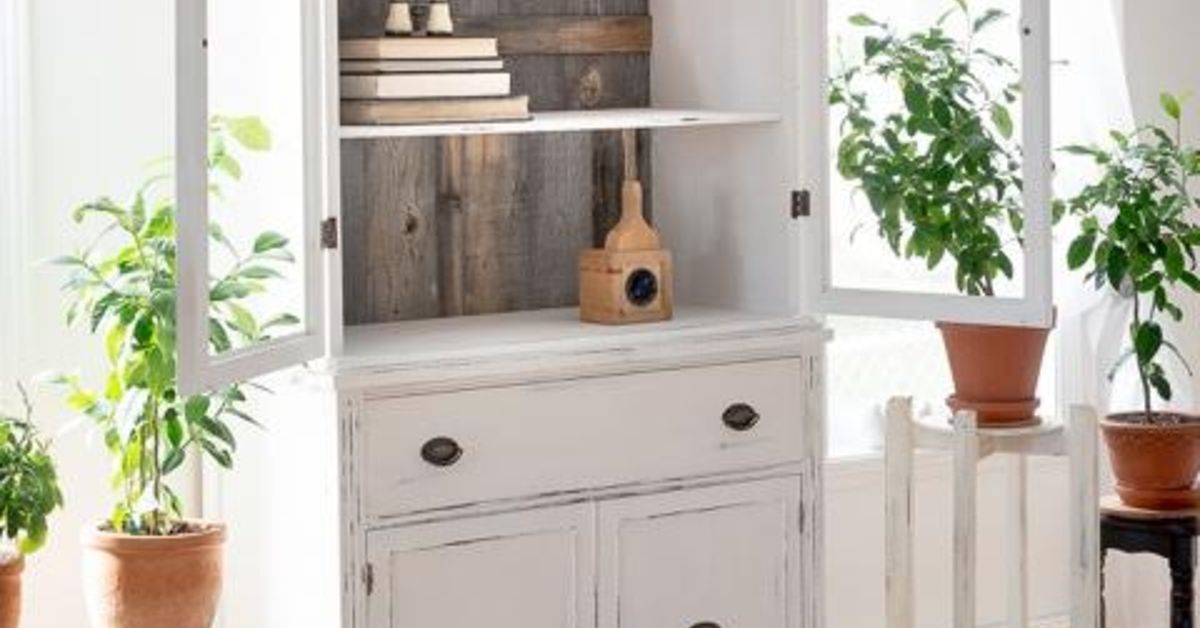
A rustic farmhouse china cabinet is part storage hero, part decorating centerpiece, and part family historian. It can protect your grandmother’s dishes, hide the serving bowls you use twice a year, and make an ordinary dining room look as though it has collected stories for generationseven when the cabinet arrived from a weekend flea-market expedition.
Unlike sleek built-in cabinetry, a farmhouse china cabinet is supposed to have personality. Visible wood grain, traditional hardware, glass-front doors, practical shelving, and a few honest imperfections give the piece its relaxed charm. The best examples feel useful rather than precious: beautiful enough to command attention, yet practical enough to survive holiday dinners, children, pets, and that one relative who insists on helping put the dishes away.
What Is a Rustic Farmhouse China Cabinet?
A china cabinet is a tall freestanding storage unit traditionally used for dinnerware, glassware, serving pieces, and table linens. Most designs combine an upper display section with glass doors or open shelves and a lower section with drawers, cupboards, or both.
The terms china cabinet and hutch are often used interchangeably. Technically, a hutch commonly has an upper shelving unit sitting on a lower cabinet, while a china cabinet may be constructed as one continuous piece. In everyday shopping, however, the labels overlap so enthusiastically that even furniture retailers occasionally throw up their hands and use both.
Farmhouse styling adds natural materials, straightforward construction, traditional proportions, and a comfortable sense of age. Modern farmhouse versions may use cleaner lines and restrained colors, while rustic or country versions often feature distressed paint, knotty wood, beadboard backs, iron hardware, or reclaimed-looking finishes. Contemporary farmhouse interiors generally depend on natural materials and practical forms rather than excessive themed decorations.
Why China Cabinets Are Popular Again
For several years, large dining-room hutches were treated like furniture dinosaurs: admired from a safe distance, but assumed to be too bulky for modern life. That attitude has changed. Display cabinets and vintage hutches are appearing again because homeowners want storage that feels personal, flexible, and less disposable.
Today’s china cabinet is not limited to formal porcelain. Designers and homeowners use these cabinets for books, folded linens, pottery, travel souvenirs, barware, art supplies, board games, collectibles, and everyday dishes. Glass doors provide visibility while reducing dust, and closed lower cupboards conceal the less photogenic necessities. Better Homes & Gardens and Apartment Therapy have both highlighted this shift toward using display cabinets for personal collections and practical household storage.
It Adds Architecture Without Remodeling
A tall cabinet gives a blank wall height, rhythm, and visual weight. It can function almost like built-in millwork without requiring a carpenter, demolition permit, or three weeks of eating takeout beside a pile of lumber.
In a dining room centered around a table, a substantial cabinet can create a second focal point and make the layout feel grounded. A dark-painted china cabinet is especially effective against pale walls, while natural wood introduces warmth into rooms dominated by white paint or cool surfaces. Designers frequently use contrasting cabinets, weathered wood, and layered natural textures to anchor farmhouse dining spaces.
How to Choose the Right Rustic Farmhouse China Cabinet
Measure the Cabinet, the Wall, and the Route Inside
Start with the intended wall. Measure its width and height, then note baseboards, outlets, vents, windows, light switches, and door swings. Leave enough open wall around the cabinet to keep it from looking squeezed into place.
Next, measure every doorway, stairwell, hallway corner, and elevator between the delivery truck and the final room. A magnificent eight-foot hutch loses some of its romance when it becomes permanently wedged halfway up the stairs.
Cabinet depth matters in smaller dining rooms. Many storage cabinets fall somewhere around 12 to 18 inches deep, although substantial antique hutches may be deeper. Use painter’s tape to mark the cabinet’s footprint on the floor. Pull out the dining chairs and walk around the taped area. This simple test reveals whether the cabinet fits real life, not merely the floor plan.
Match the Scale to the Room
A large farmhouse dining room can support a broad, tall cabinet with crown molding and heavy doors. In a compact breakfast room, choose a narrow cabinet, corner hutch, or shallow display unit. Oversized furniture can visually dominate a small room and reduce useful circulation space.
As a practical rule, the cabinet should feel substantial without competing with the dining table. If the table, chandelier, and cabinet are all enormous statement pieces, the room may begin to resemble a furniture convention.
Inspect the Construction
Solid wood cabinets are generally easier to repair, sand, stain, and refinish than thin veneers or low-density composite panels. That does not automatically make every solid wood cabinet superior; joinery, stability, shelf strength, and previous repairs also matter.
When evaluating a vintage cabinet, check:
- Whether the frame sits squarely without rocking
- Whether doors align and close properly
- Whether drawers slide without severe binding
- Whether shelves bow under light pressure
- Whether veneer is lifting, bubbling, or missing
- Whether the glass is secure and free from major cracks
- Whether there are small holes, fresh wood dust, or insect damage
- Whether musty odors suggest prolonged damp storage
Minor scratches, worn finish, and outdated hardware are usually manageable. Structural cracks, active pests, severe water damage, or unstable joints require more time and expertise.
Look for Useful Interior Features
Adjustable shelves let you accommodate tall pitchers, stacks of bowls, serving platters, and decorative objects. Plate grooves help upright dishes stay in position. Drawers are valuable for flatware, napkins, candles, and serving utensils, while closed cupboards are ideal for bulky pieces.
Interior lighting can make glassware and ceramics sparkle, but wiring should be neat, safe, and easy to conceal. Battery-powered LED strips or rechargeable puck lights can add illumination without drilling through an antique cabinet.
Best Colors and Finishes for Farmhouse Style
Natural and Stained Wood
Oak, pine, maple, walnut, and other visible-grain woods bring warmth and authenticity to a farmhouse room. Medium brown stains feel traditional, lighter finishes create a casual Scandinavian-farmhouse mood, and deeper stains provide old-world character.
Do not automatically strip an old cabinet. Original finish, hand-painted details, unusual hardware, maker’s labels, and historic construction may contribute to its value. When a piece could be genuinely antique or collectible, consult a qualified furniture appraiser or conservator before altering it.
Warm White and Cream
Warm white remains popular because it brightens a heavy cabinet and blends easily with neutral interiors. Cream, ivory, and soft off-white usually feel more relaxed than a sharp refrigerator white. White-painted hutches can make a small dining area feel lighter, while the darker interior shadows preserve depth.
Modern farmhouse palettes commonly include off-white, greige, gray, and natural wood, with muted accent colors layered in for personality.
Muted Green, Blue, Gray, and Black
Sage green, smoky blue, charcoal, weathered gray, and soft black can turn a cabinet into a sophisticated focal point. Green works beautifully with stoneware and botanical artwork. Blue complements white dishes and brass hardware. Black adds definition and makes pale ceramics pop.
For a subtle two-tone treatment, paint the exterior a neutral color and use a deeper or dustier shade on the interior back panel. Removable wallpaper, beadboard, or fabric-covered panels can create the same contrast without committing the cabinet to one look forever.
Distressed Finishes Without the Costume Drama
Authentic wear develops where hands and objects naturally touch: around knobs, along edges, and near shelf fronts. Artificial distressing looks more convincing when it follows those patterns. Randomly attacking every surface with sandpaper can make a cabinet look less like an heirloom and more like it recently escaped a raccoon.
Use distressing sparingly. Lightly reveal the underlying wood or base color at selected edges, then protect the finish according to the paint manufacturer’s instructions.
How to Refinish an Old China Cabinet
A successful makeover depends far more on preparation than on the final paint color. Professional and DIY guidance consistently emphasizes cleaning, repairing, sanding or deglossing, and priming before applying finish coats.
1. Photograph and Label Everything
Take photos before disassembly. Label doors, drawers, hinges, and hardware so each item returns to its original location. Store screws in labeled bags. This prevents the classic final-stage mystery known as “Why do I have three screws left?”
2. Clean Before Sanding
Remove grease, wax, dust, and furniture polish with a cleaner suitable for the existing surface. Sanding a dirty cabinet can grind contaminants into the finish and interfere with paint adhesion. Allow every surface to dry completely.
3. Make Repairs
Tighten loose joints, repair damaged veneer, fill unwanted hardware holes, and replace weak shelf supports. Do not use wood filler to disguise major structural damage. A cabinet holding stacks of heavy dishes needs genuine support, not optimistic putty.
4. Sand or Degloss Carefully
Light sanding creates a surface that primer can grip. Work with the grain when exposing or refinishing wood, and be cautious around veneer because its decorative layer may be thin. Chemical deglossers can help on some intact finishes, but ventilation, gloves, and manufacturer directions are essential.
5. Prime for the Material
Choose primer according to whether the cabinet is bare wood, stained wood, previously painted wood, laminate, or another material. Stain-blocking primer can help prevent tannins or old discoloration from bleeding through pale paint. Laminate requires a compatible bonding primer and must be firmly attached.
6. Apply Thin Finish Coats
Use an angled brush for moldings and recessed details, followed by a small roller or sprayer on broad, flat areas. Several thin coats generally produce a smoother result than one heroic, pudding-thick coat. Observe the required drying and curing times before reinstalling doors or loading shelves.
How to Style a Rustic Farmhouse China Cabinet
Begin With Function
Place frequently used dishes within comfortable reach. Heavy platters, Dutch ovens, and large bowls belong on lower shelves or in the base cabinet. Reserve upper shelves for lighter objects and occasional pieces.
Grouping similar items makes storage easier to understand and reduces visual clutter. Professional organizing guidance frequently recommends keeping related categories together rather than scattering them across several cabinets.
Create a Simple Visual Rhythm
Start with the largest objects: platters, pitchers, framed art, baskets, or stacks of dinner plates. Add medium-sized bowls and glassware, then finish with a few small accents. Vary the height of neighboring objects so the arrangement does not resemble products waiting for inspection on a supermarket shelf.
Display some plates upright using secure stands or built-in grooves. Stack other dishes horizontally. Repeat colors or materials across multiple shelves to create continuity. For example, white stoneware, clear glass, woven baskets, and warm wood produce a calm farmhouse palette without requiring every object to match.
Leave Breathing Room
Open space is part of the arrangement. Filling every inch makes beautiful dishes harder to see and turns the cabinet into a transparent storage closet. Edit the display seasonally and store less attractive necessities behind closed doors.
Add Personal Objects
A cabinet becomes memorable when it includes more than store-bought décor. Consider a handwritten recipe, an inherited teacup, a small landscape painting, travel pottery, cookbooks, or a framed family photograph. Display cabinets work especially well when they reveal the owner’s actual interests rather than an anonymous collection of beige objects.
Where Else Can You Use a Farmhouse China Cabinet?
The dining room is traditional, but not mandatory. A versatile cabinet can serve many purposes:
- Kitchen: Store everyday dishes, baking supplies, cookbooks, or pantry jars.
- Living room: Display books, family photographs, board games, and collected objects.
- Home office: Organize stationery, files, reference books, and attractive storage boxes.
- Bathroom: Hold folded towels, toiletries, and baskets in a dry, well-ventilated location.
- Craft room: Display fabric, yarn, jars of supplies, and works in progress.
- Entryway: Store shoes, bags, seasonal accessories, and household essentials.
A china cabinet is ultimately a combination of shelves, drawers, doors, and display space. It does not know whether the objects inside are porcelain saucers or an impressive collection of board-game dice.
Care, Preservation, and Safety
Protect Wood and Heirlooms
Dust the cabinet with a soft, dry or lightly dampened cloth appropriate for its finish. Avoid saturating wood, spraying cleaner directly onto surfaces, or using aggressive polishes on antique finishes. Keep valuable furniture away from plumbing leaks, heating vents, extreme humidity changes, and prolonged direct sunlight.
Smithsonian preservation guidance recommends minimizing excess moisture, extreme fluctuations in heat and humidity, unnecessary handling, pollutants, and strong light when caring for historic furniture and family treasures.
Anchor Tall Furniture
Secure a tall china cabinet to a wall stud using hardware appropriate for the cabinet and wall construction. This is especially important in homes with children, pets, older adults, or earthquake risk. Keep the heaviest objects on lower shelves and avoid placing toys or tempting items where children might climb to reach them.
The U.S. Consumer Product Safety Commission recommends anchoring furniture with drawers, doors, or shelves to prevent dangerous tip-over incidents.
Move It Properly
Empty the cabinet completely before moving it. Remove or secure shelves, drawers, doors, and glass panels. Lift from strong structural sections rather than decorative trim, legs, or the crown. Large two-piece hutches should be separated when their construction allows it.
Common Decorating Mistakes to Avoid
- Buying before measuring: A bargain is not a bargain when it cannot pass through the front door.
- Ignoring shelf capacity: Large stacks of stoneware can be surprisingly heavy.
- Overdistressing the finish: A few worn edges suggest age; sandpaper chaos suggests panic.
- Displaying every inherited object: Sentimental value does not require every item to occupy the front row simultaneously.
- Using only tiny accessories: Small objects need larger pieces to provide structure and scale.
- Skipping wall anchors: Styling never outranks safety.
- Painting a valuable antique immediately: Research the cabinet before making irreversible changes.
Real-World Experiences With a Rustic Farmhouse China Cabinet
Living with a farmhouse china cabinet teaches lessons that are not obvious in a showroom. The first is that storage changes how often you use your belongings. Dishes hidden in deep kitchen cupboards tend to become invisible. Put those same dishes behind glass, and they suddenly volunteer for Tuesday dinner. A visible cabinet encourages you to use the pieces you already own instead of saving everything for an imaginary state dinner.
The second lesson is that the initial styling rarely survives contact with normal life. A carefully arranged display may look wonderful on day one, but everyday dishes migrate, serving bowls return to the wrong shelf, and someone eventually places unopened mail on the cabinet surface. That is not failure. It is evidence that the furniture is participating in the household.
The most practical approach is to create zones. One shelf can hold daily plates and bowls. Another can display decorative pottery. Drawers can contain napkins, serving utensils, and candles. The lower cabinet can hide appliances, seasonal linens, or oversized serving pieces. When every section has a purpose, putting things away becomes faster and the display remains reasonably composed without constant rearranging.
Lighting also makes a bigger difference than expected. A dark wood cabinet in a dim corner can appear heavy, even when its proportions are good. Moving it near indirect daylight, adding a nearby lamp, or installing warm rechargeable lights inside can reveal the glass, wood grain, and dish patterns. The cabinet changes from a shadowy block into a layered display.
Vintage pieces bring their own adventures. Drawers may stick during humid weather. Old doors may close only when lifted by half an inch and spoken to politely. Shelves may not be perfectly level. These quirks can be charming, but they should not interfere with safety or basic function. Waxing wooden drawer runners, adjusting hinges, replacing missing shelf pegs, and adding discreet felt pads can improve daily use without erasing the cabinet’s history.
One of the most satisfying experiences is turning an unwanted brown hutch into a piece that suits a modern home. The transformation does not always require complete stripping or aggressive distressing. Sometimes thorough cleaning, minor repairs, updated hardware, and a contrasting interior are enough. Preserving some original wood can keep the cabinet from looking overly manufactured.
Another useful lesson concerns restraint. A farmhouse cabinet does not need a collection of miniature tractors, five signs about gathering, and a ceramic chicken overseeing operations. Farmhouse character comes from honest materials, useful objects, age, texture, and personal history. A stack of ironstone bowls beside a worn cookbook often feels more authentic than an entire aisle of themed accessories.
Finally, a china cabinet can become an informal family archive. It may hold wedding glassware, a grandparent’s serving platter, children’s handmade pottery, or dishes collected during travel. Because these objects remain visible, their stories are more likely to be remembered and shared. The cabinet becomes more than a storage unit; it becomes a quiet record of meals, celebrations, and ordinary daysthe occasions that eventually turn into family history.
Conclusion
A rustic farmhouse china cabinet combines useful storage with warmth, craftsmanship, and storytelling. Choose a cabinet that fits the room physically and visually, inspect its construction carefully, and prioritize adjustable storage, stable shelves, and secure wall anchoring. Natural wood offers timeless texture, while warm white, muted green, smoky blue, charcoal, and distressed gray can adapt an older piece to a new interior.
Style the cabinet with a balance of practical dishes, larger anchor pieces, personal objects, and intentional empty space. Most importantly, let it work. A farmhouse cabinet should not feel like a museum display guarded by invisible lasers. It should hold the objects you enjoy, support everyday routines, and become more interesting as life leaves a few honest marks behind.