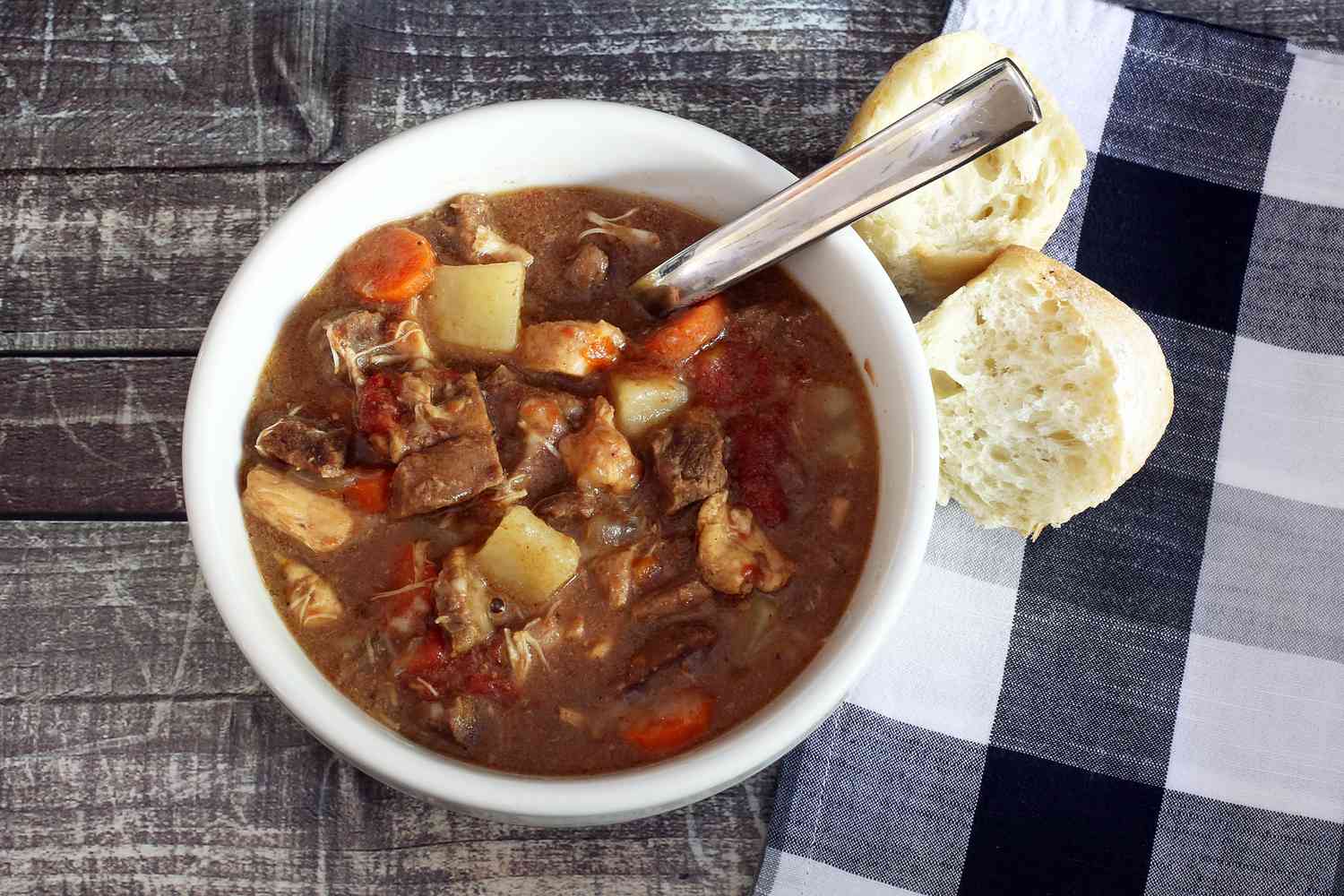
If comfort food had a passport, Romanian pork and potato stew would have a well-worn one, probably tucked beside a loaf of crusty bread and a suspiciously proud jar of pickles. Known in Romanian kitchens as a version of tocăniță de porc cu cartofi, this hearty dish brings together tender pork, soft potatoes, onions, garlic, sweet paprika, tomato, and herbs in a sauce that tastes like it has been gossiping with grandma all afternoon.
This Romanian pork and potato stew recipe is rustic, practical, and deeply satisfying. It does not require fancy equipment, rare ingredients, or a culinary degree from a dramatic cooking show. You need one sturdy pot, a little patience, and the willingness to let pork simmer until it stops being chewy and starts acting like it has manners.
Below, you will find a full step-by-step recipe, smart cooking tips, serving ideas, storage advice, and a longer personal-style experience section for readers who love food with a story. The result is a cozy, paprika-rich stew perfect for cold nights, Sunday family meals, or any day when your kitchen needs to smell like a hug.
What Is Romanian Pork And Potato Stew?
Romanian pork and potato stew is a home-style dish made with cubed pork, potatoes, onions, garlic, paprika, tomato paste or tomato sauce, and simple seasonings. In Romania, stews are often called tocană or tocăniță, and they vary from family to family. Some cooks add bell peppers, carrots, bay leaves, thyme, smoked meat, wine, or fresh parsley. Others keep it simple enough to make on a Tuesday night while answering three questions and pretending the laundry does not exist.
The beauty of this stew is balance. The pork gives richness, the potatoes bring body, the paprika adds warm color and flavor, and the tomato creates a gently tangy sauce. It is not meant to be a thin soup, but it should not be dry either. The ideal texture sits somewhere between “spoonable” and “please hand me bread immediately.”
Why You Will Love This Romanian Pork And Potato Stew Recipe
It Uses Affordable Ingredients
Pork shoulder, potatoes, onions, garlic, and paprika are humble ingredients, but together they perform like a tiny orchestra. No ingredient is showing off, yet somehow the whole pot tastes rich, warm, and complete.
It Is Perfect For Make-Ahead Meals
Like many hearty stews, Romanian pork and potato stew tastes even better the next day. The sauce thickens, the spices settle in, and the pork becomes more flavorful. Leftovers are not a backup plan here; they are a reward.
It Is Flexible
You can make it mild or spicy, brothy or thick, tomato-heavy or paprika-forward. You can add carrots, red bell pepper, smoked sausage, or a spoonful of sour cream on top. Romanian cooking is practical, not fussy. The pot forgives you, which is more than can be said for most group chats.
Ingredients For Romanian Pork And Potato Stew
This recipe serves 4 to 6 people.
Main Ingredients
- 2 pounds pork shoulder, cut into 1-inch cubes
- 2 tablespoons vegetable oil or sunflower oil
- 2 large yellow onions, finely chopped
- 4 cloves garlic, minced
- 1 large red bell pepper, diced
- 2 tablespoons tomato paste
- 1 tablespoon sweet paprika
- 1/2 teaspoon smoked paprika, optional
- 1/2 teaspoon dried thyme
- 2 bay leaves
- 1 1/2 pounds Yukon Gold or red potatoes, peeled and cut into chunks
- 3 cups low-sodium chicken broth or water
- 1 teaspoon kosher salt, plus more to taste
- 1/2 teaspoon black pepper
- 1 tablespoon chopped fresh parsley or dill
Optional Add-Ins
- 1 carrot, diced, for natural sweetness
- 1/4 cup dry white wine, added after browning the pork
- 1/2 teaspoon caraway seeds, for a Transylvanian-style twist
- 1 small pinch chili flakes, if you like a little heat
- 1 tablespoon sour cream per serving, for a creamy finish
Best Pork Cut For Romanian Pork Stew
The best cut for this pork and potato stew is pork shoulder, also called pork butt. It has enough fat and connective tissue to become tender during slow simmering. Lean cuts like pork tenderloin cook quickly, but they can become dry in a long stew. Pork shoulder is the friend who stays late and helps clean the kitchen.
If you prefer a lighter stew, use pork loin, but reduce the simmering time and avoid overcooking it. If you want deeper flavor, add a small amount of smoked bacon or smoked sausage. Romanian-style comfort food often welcomes a smoky note, especially when potatoes are involved.
How To Make Romanian Pork And Potato Stew
Step 1: Brown The Pork
Pat the pork cubes dry with paper towels. Heat the oil in a Dutch oven or heavy-bottomed pot over medium-high heat. Add the pork in batches and brown it on several sides. Do not crowd the pot. Crowding causes steaming, and steaming is what happens when browning gives up and takes a nap.
Transfer the browned pork to a plate. You do not need to cook it through at this stage; you are building flavor.
Step 2: Cook The Onion Base
Reduce the heat to medium. Add the chopped onions to the same pot and cook for 6 to 8 minutes, stirring often, until softened and lightly golden. If the pot looks dry, add another small splash of oil.
Add the garlic and bell pepper. Cook for 2 minutes, just until fragrant. Garlic should smell wonderful, not burnt. Burnt garlic can ruin a stew faster than someone saying, “I changed the recipe completely, but I do not know why it failed.”
Step 3: Add Paprika And Tomato Paste
Stir in the sweet paprika, smoked paprika if using, thyme, salt, and pepper. Cook for only 30 seconds, stirring constantly. Paprika can become bitter if scorched, so treat it kindly.
Add the tomato paste and stir it into the onion mixture for 1 to 2 minutes. This deepens the flavor and gives the stew a richer color.
Step 4: Simmer The Pork
Return the pork to the pot. Add the bay leaves and pour in the broth or water. If using wine, add it before the broth and let it bubble for 1 minute. Scrape the bottom of the pot to lift up the browned bits. Those bits are not dirt; they are flavor confetti.
Bring the liquid to a gentle boil, then reduce the heat to low. Cover the pot and simmer for 45 to 60 minutes, or until the pork is beginning to turn tender.
Step 5: Add The Potatoes
Add the potato chunks and stir gently. Cover again and simmer for another 25 to 35 minutes, until the potatoes are soft and the pork is fully tender. If the stew becomes too thick, add a little extra broth or water. If it is too thin, simmer uncovered for 10 minutes to reduce the sauce.
Step 6: Finish And Taste
Remove the bay leaves. Taste the stew and adjust the salt and pepper. Sprinkle with fresh parsley or dill before serving. The final stew should be savory, slightly sweet from the onions and peppers, warmly spiced from paprika, and thick enough to cling to a spoon.
Cooking Tips For The Best Flavor
Use Good Paprika
Paprika is not just red dust for decorating deviled eggs. In this recipe, it is a major flavor player. Use fresh sweet paprika with a bright color and pleasant aroma. If your paprika smells like an old cabinet, it may be time to retire it with honor.
Do Not Rush The Pork
Romanian pork stew rewards patience. Pork shoulder needs time to soften. Keep the simmer gentle, not wild and splashy. A hard boil can toughen the meat and break the potatoes too aggressively.
Add Potatoes Later
Potatoes cook faster than pork shoulder, so they should go in after the meat has had a head start. This keeps them tender without turning the whole pot into accidental mashed potato stew.
Let The Stew Rest Before Serving
After cooking, let the stew sit off the heat for 10 minutes. This helps the sauce settle and gives the flavors time to shake hands properly.
Food Safety Note For Pork Stew
For safety, pork should reach a minimum internal temperature of 145°F for whole cuts, followed by a rest time. In a stew, pork shoulder usually cooks far beyond that point because tenderness is the goal. The easiest way to check is with a food thermometer, but texture matters too: the pork should be fully cooked and tender enough to cut with a spoon or fork.
What To Serve With Romanian Pork And Potato Stew
This stew is filling on its own, but the right side dish makes it even better. Serve it with crusty white bread, rye bread, pickled cucumbers, sauerkraut, roasted peppers, or a simple cabbage salad. The bright acidity of pickles cuts through the richness of the pork and potatoes beautifully.
If you want a more traditional Romanian-style table, serve the stew with mămăligă, Romanian polenta. Since this recipe already contains potatoes, bread may be the simpler choice, but nobody is going to call the food police if you choose both. Actually, invite me.
Storage And Reheating
Refrigerator
Cool the stew, then store it in an airtight container in the refrigerator for up to 4 days. The flavor improves overnight, making it a smart meal-prep recipe.
Freezer
You can freeze Romanian pork and potato stew for up to 2 months, although potatoes may become slightly softer after thawing. For best texture, freeze the stew before the potatoes become too tender, or simply accept that the reheated version will be extra rustic.
Reheating
Reheat gently on the stove over medium-low heat. Add a splash of broth or water if the sauce has thickened too much. Stir carefully so the potatoes stay chunky.
Common Mistakes To Avoid
Using Too Much Liquid
This is a stew, not a swimming pool. Start with enough liquid to simmer the pork, then adjust as needed. You can always add more, but removing excess liquid takes extra time.
Skipping The Browning Step
Browning the pork creates depth. If you toss raw pork straight into liquid, the stew will still cook, but it may taste flatter. Browning is the difference between “nice dinner” and “who made this, and are they single?”
Adding Paprika Over High Heat
Paprika burns quickly. Add it after the onions have softened, stir briefly, and then add liquid soon afterward. This keeps the flavor warm and sweet instead of harsh.
Recipe Variations
Smoky Romanian Pork And Potato Stew
Add 4 ounces of diced smoked bacon or smoked sausage. Brown it before the pork, then continue with the recipe. This version has a deeper, campfire-style flavor.
Spicy Pork And Potato Stew
Add hot paprika, chili flakes, or a diced hot pepper. Keep the heat moderate so the paprika and pork still shine.
Vegetable-Heavy Version
Add carrots, celery root, mushrooms, or extra bell peppers. This turns the stew into a more colorful one-pot meal while keeping the same Romanian comfort-food spirit.
Experience Notes: Cooking Romanian Pork And Potato Stew At Home
The first thing you notice when making Romanian pork and potato stew is that the recipe does not try to impress you with drama. There is no tower of microgreens, no sauce painted across the plate like modern art, and no ingredient that requires a password and a specialty store. It is honest food. You chop onions, brown pork, stir in paprika, add potatoes, and wait. That waiting is where the magic happens.
In my experience, the best version of this stew starts with a calm kitchen and a heavy pot. A Dutch oven is ideal because it holds steady heat, but any sturdy soup pot works. The most important moment is browning the pork. At first, it may seem like an annoying extra step. You might be tempted to skip it, especially if everyone is already hungry and circling the kitchen like tiny wolves. Do not skip it. Once the pork hits the hot oil and forms a golden crust, the entire stew gains a deeper flavor that cannot be faked later.
The onion stage is just as important. Romanian-style stews often rely on onions as the flavor foundation. When onions cook slowly, they become sweet and mellow, giving the sauce body without needing flour or cream. Add garlic too early and it burns; add it after the onions soften, and the kitchen suddenly smells like dinner has made excellent life choices.
Another lesson: potatoes are not all the same. Yukon Gold potatoes hold their shape while becoming creamy, which makes them perfect for this recipe. Russet potatoes can work, but they break down more easily and thicken the sauce. That is not a disaster. In fact, some people love the slightly collapsed potato texture because it makes the stew feel extra cozy. Red potatoes stay firmer and are good if you want cleaner chunks.
The paprika choice changes everything. Sweet paprika gives the classic warm flavor, while smoked paprika adds depth. Use too much smoked paprika, though, and the stew can taste more like barbecue than Romanian home cooking. A little goes a long way. Think of smoked paprika as a guest with a loud laugh: fun at the party, but you do not want it taking over the living room.
Serving the stew is its own small ceremony. Ladle it into deep bowls, scatter parsley or dill on top, and place bread nearby. Someone will use that bread to swipe the bowl clean. This is not bad manners; it is good judgment. Pickles or a sharp cabbage salad make the meal even better because they cut through the richness and wake up every bite.
The next day, the stew becomes thicker and more flavorful. The pork relaxes, the potatoes absorb the sauce, and the paprika tastes rounder. Reheat it slowly and add a splash of broth if needed. It is the kind of leftover that makes you open the fridge “just to check” and then somehow return with a bowl. Romanian pork and potato stew is not fancy, but it is memorable. It feeds people well, fills the house with warmth, and proves that simple ingredients can still deliver a meal worth talking about.
Conclusion
This Romanian pork and potato stew recipe is everything a great comfort-food dinner should be: hearty, affordable, flavorful, and easy to adapt. With tender pork shoulder, creamy potatoes, sweet onions, garlic, paprika, and tomato, it creates a rich one-pot meal that tastes like it has been passed around a family table for generations.
Make it when the weather is chilly, when you need a filling dinner, or when you want a recipe that does not ask for perfection. Serve it with bread, pickles, cabbage salad, or polenta, and do not be surprised when the leftovers disappear faster than expected. A good stew does not shout. It simmers, waits, and wins everyone over one spoonful at a time.