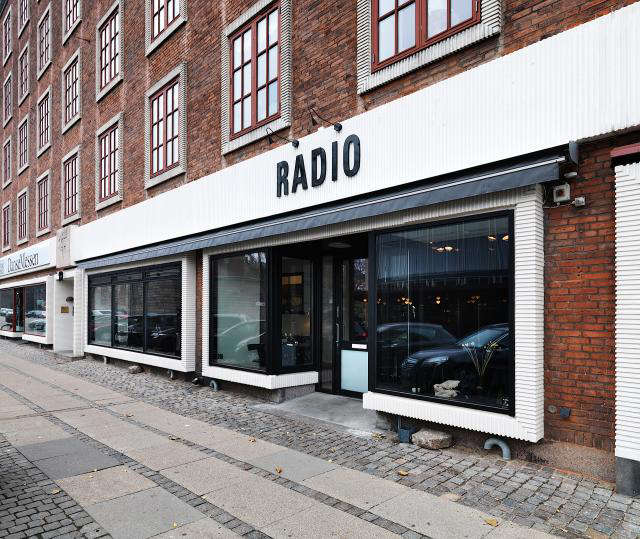
Some restaurants shout for attention. Restaurant Radio in Copenhagen does something much more Scandinavian: it speaks softly, serves beautifully, and lets a beetroot, a piece of fish, or a perfectly timed sauce do the dramatic monologue. Located near Forum Copenhagen and across from the city’s historic Radio House, Restaurant Radio is one of those places where the dining room feels relaxed, the cooking feels precise, and the whole experience seems to hum at exactly the right frequency.
For travelers searching for a memorable Copenhagen restaurant visit, Radio offers an appealing middle path between white-tablecloth fine dining and casual neighborhood comfort. It is polished without being stiff, seasonal without becoming preachy, and Nordic without making you feel like you need a botany degree to understand the menu. In a city famous for Noma, New Nordic cuisine, and world-class design, Restaurant Radio shows how Copenhagen’s food scene can be ambitious, affordable by fine-dining standards, and refreshingly human all at once.
Why Restaurant Radio Matters in Copenhagen’s Dining Scene
Restaurant Radio opened in 2011 with the influence of Claus Meyer, one of the key figures behind the New Nordic food movement and co-founder of Noma. But Radio is not simply “Noma’s casual cousin,” even though that comparison has followed it around like a friendly but slightly clingy tourist. The restaurant has its own personality: grounded, informal, and closely tied to Danish ingredients.
The restaurant’s name comes from its location near the former headquarters of the Danish Broadcasting Corporation, known as Radio House. That detail matters because Radio feels connected to place in more ways than one. Its address is not treated like a pin on a map; it becomes part of the restaurant’s identity. The surrounding neighborhood, the old broadcasting history, the nearby lakes, and the rhythm of Copenhagen city life all feed into the atmosphere.
Radio has also earned recognition from the Michelin Guide, including Bib Gourmand status in 2025. That distinction is especially fitting because the Bib Gourmand category highlights restaurants that deliver quality cooking at good value. In plain English: it is the kind of place where your taste buds may dress up, but your wallet does not need to file a complaint with management afterward.
The New Nordic Spirit, Without the Lecture
To understand Restaurant Radio, it helps to understand the New Nordic food movement. The movement grew from ideas about purity, freshness, seasonality, ethics, sustainability, and regional identity. In Copenhagen, those ideas helped shift attention toward local fish, root vegetables, berries, herbs, grains, dairy, mushrooms, and produce that reflects the Nordic landscape.
At Radio, this philosophy is not presented as a museum exhibit. It appears naturally on the plate. The menu changes every month, which means the kitchen follows the Danish seasons closely. Spring may bring rhubarb, herbs, and lighter flavors. Summer can lean into peas, strawberries, delicate greens, and bright acidity. Autumn is the moment for mushrooms and deeper forest notes. Winter brings kale, preserved flavors, root vegetables, and the kind of food that makes cold weather feel less like a punishment and more like an excuse to order another course.
The restaurant works with local suppliers and emphasizes Danish produce, sustainable fish from Nordic waters, seasonal vegetables, and carefully sourced meat. It also leaves room for pleasure. Radio’s own philosophy is not locked inside rigid culinary rules; the restaurant openly embraces great taste as the real guiding principle. If a little luxury makes sense, the kitchen is not too proud to use it. That flexibility is part of what keeps the experience enjoyable rather than doctrinaire.
Atmosphere: Modern, Moody, and Comfortably Unfussy
Restaurant Radio’s interior is one of its quiet strengths. The space has been described as honest, modern, urban, and connected to the landscapes and people behind the food. It avoids the overdesigned restaurant trap where every chair looks afraid of fingerprints and every light fixture seems to be auditioning for an architecture magazine cover.
Instead, Radio balances mood and warmth. Dark paneling, low lighting, simple materials, and thoughtful design create a room that feels intimate without becoming gloomy. The effect is stylish but not intimidating. You can imagine a design lover taking mental notes, a food lover focusing on the menu, and a tired traveler simply thinking, “Thank goodness, a chair that understands me.”
The best Copenhagen restaurants often understand that dining is not only about flavor. It is also about pace, sound, light, temperature, table spacing, and the subtle confidence of a room that knows what it wants to be. Radio’s dining room supports the food rather than competing with it. That is harder than it sounds. Many restaurants decorate themselves into a personality crisis; Radio stays composed.
The Menu: Seasonal, Focused, and Always Moving
The heart of Restaurant Radio is its changing seasonal menu. Because the restaurant updates its dishes 12 times a year, a visit in May will not be the same as a visit in October. That is part of the appeal. Radio is not trying to freeze one “signature” experience forever. It behaves more like a calendar you can eat.
This monthly rhythm keeps the kitchen close to its suppliers and prevents the menu from becoming lazy. It also encourages repeat visits. A local diner can return throughout the year and find a new expression of the same philosophy. For travelers, the menu becomes a snapshot of Copenhagen at a particular moment. You are not just eating dinner; you are tasting what the region is doing right now.
Expect dishes that are clean, balanced, and ingredient-led. The cooking tends to avoid unnecessary clutter. A vegetable may be treated with as much respect as fish or meat. Sauces are likely to be precise rather than heavy. Acidity, texture, and contrast matter. Nordic cuisine can sometimes be unfairly caricatured as “three leaves and a philosophical berry,” but Radio shows how seasonal cooking can be satisfying, generous, and full of personality.
Vegetables Are Not an Afterthought
One of the most appealing things about Radio is its respect for vegetables. In many restaurants, the vegetable course is where imagination goes to take a nap. At Radio, seasonal produce plays a central role. Root vegetables, greens, herbs, mushrooms, peas, berries, and preserved elements can become the foundation of a dish rather than decorative confetti tossed on at the end.
This matters because Copenhagen’s best modern restaurants have helped change the way diners think about luxury. Luxury does not always mean more butter, more meat, or more imported extravagance. Sometimes it means a carrot that tastes like someone finally listened to it.
Seafood and the Nordic Coastline
Radio is also fond of seafood, especially fish from Nordic waters. That makes sense in Copenhagen, a city shaped by water, harbors, bridges, and maritime history. A meal here may include fish prepared with restraint and clarity, allowing freshness and texture to lead. The best seafood cooking often feels simple, but that simplicity depends on discipline. Overcook a delicate fish and it goes from elegant to school cafeteria flashback in seconds.
Radio’s approach aligns with Copenhagen’s broader culinary identity: local when possible, seasonal when meaningful, and technical without showing off too loudly.
Service: Relaxed, Smart, and Very Copenhagen
A good restaurant visit is not only about the food. Service can make a brilliant meal feel warmer or make a decent meal feel like an exam you forgot to study for. Restaurant Radio’s atmosphere is known for being informal and friendly, which fits the restaurant’s mission. This is modern dining without the ceremonial stiffness that can make guests whisper as if they accidentally wandered into a library.
The staff’s role is to guide, not perform a culinary TED Talk over every plate. The best version of Radio’s service feels knowledgeable, casual, and confident. You should be able to ask about ingredients, wine pairings, nonalcoholic options, or menu structure without feeling like you have interrupted a sacred ritual.
This relaxed hospitality is one reason Radio works well for different kinds of diners. It can suit food-focused travelers who plan meals with the seriousness of Olympic athletes. It can also suit couples, small groups, design fans, and curious visitors who want a special dinner without entering the high-pressure zone of ultra-fine dining.
Wine, Pairings, and Nonalcoholic Options
Radio has received attention for its wine program, including recognition from Star Wine List. That makes the beverage side of the experience worth considering. Copenhagen restaurants have become increasingly thoughtful about pairings, and Radio’s monthly menus create opportunities for drinks that match the season rather than simply repeat the same safe choices all year.
For diners who do not drink alcohol, Copenhagen is also one of the better cities for creative nonalcoholic pairings. Nordic restaurants often use juices, infusions, fermented elements, herbs, berries, teas, and botanical flavors to create drinks that feel intentional rather than like the sad backup plan. At Radio, homemade juices and seasonal drinks can help complete the meal without making anyone feel left out.
Who Should Visit Restaurant Radio?
Restaurant Radio is a strong choice for travelers who want a real Copenhagen dining experience but do not necessarily want the expense, formality, or reservation drama of the city’s most famous tasting-menu temples. It is ideal for diners interested in New Nordic cuisine, seasonal menus, thoughtful design, and restaurants with a strong sense of place.
It is also a smart pick for people who enjoy restaurants that feel local rather than tourist-engineered. Radio is not built around gimmicks. No one needs smoke machines, gold flakes, or a dessert served inside a tiny edible handbag. The appeal is quieter and more lasting: good ingredients, careful cooking, friendly pacing, and a room that feels like Copenhagen rather than an international hotel lobby.
If your idea of dinner is a giant plate of something fried followed by a heroic nap, Radio may feel restrained. But if you enjoy tasting menus, seasonal cooking, and dishes that reveal themselves gradually, this restaurant deserves a place on your Copenhagen itinerary.
How to Plan a Visit
Restaurant Radio is located at Julius Thomsens Gade 12, 1632 Copenhagen V. Its location near Forum makes it convenient for visitors staying in central Copenhagen, Frederiksberg, Vesterbro, or near the lakes. Copenhagen is easy to navigate by metro, bike, and foot, so reaching the restaurant is generally straightforward.
Reservations are recommended, especially because Michelin recognition and strong local reputation can make tables competitive. Before booking, check the restaurant’s current menu because the seasonal format means dishes change regularly. That is not a problem; it is part of the fun. Think of it as culinary weather. You do not complain that September is not May. You bring curiosity and maybe a jacket.
For the best experience, arrive open-minded. Do not chase one famous dish from an old review because it may no longer be available. Radio’s charm lies in movement. The restaurant is designed to keep changing with the month, the market, and the landscape.
Restaurant Radio and the Copenhagen Food Identity
Copenhagen’s food culture has evolved dramatically over the past two decades. The city became globally famous through Noma and the rise of New Nordic cuisine, but the most interesting part of that story is what happened next. The movement spread beyond elite dining rooms into bakeries, casual restaurants, wine bars, seafood spots, vegetable-focused kitchens, and neighborhood favorites.
Restaurant Radio fits into that broader legacy. It takes the values of seasonality, regional sourcing, and craftsmanship and makes them accessible in a relaxed format. That accessibility is important. A food movement only becomes meaningful when it can be experienced by more than a tiny circle of people with platinum reservation reflexes.
Radio’s monthly menu, supplier relationships, and informal style show how New Nordic ideas can become part of ordinary restaurant pleasure. You do not need to decode the philosophy before enjoying the meal. You can simply taste something bright, balanced, and unmistakably tied to where you are.
The Design Lover’s Angle
Because this is Copenhagen, design is never far from the plate. Restaurant Radio’s interior reflects a key principle of Scandinavian design: beauty should support function. The room does not need to announce its intelligence every five seconds. It uses material, light, and proportion to create comfort.
That makes Radio especially interesting for readers who love interiors, hospitality design, and the relationship between food and space. The restaurant’s design language mirrors the kitchen’s values: natural, restrained, modern, and grounded. Nothing feels overly polished. Nothing feels careless either. It is the design equivalent of a well-made sauce: quiet at first, essential by the end.
For home design inspiration, Radio offers several lessons. Use lighting to create atmosphere instead of relying on decoration alone. Choose materials that age well. Let contrast do some work. Keep the room warm enough for conversation. And most importantly, do not make your dining space so precious that guests feel nervous about breathing near the furniture.
What Makes a Meal at Radio Memorable?
The memorable quality of Restaurant Radio is not one loud moment. It is the accumulation of small, well-judged details. The menu changes with the calendar. The room feels relaxed. The dishes respect their ingredients. The service keeps things moving without rushing. The restaurant’s history connects it to Copenhagen’s cultural geography.
That combination gives Radio a clear identity. It is not chasing trends; it is practicing a point of view. In a dining world often obsessed with novelty, that kind of steadiness can feel surprisingly fresh.
Extended Experience: What It Feels Like to Spend an Evening at Restaurant Radio
Imagine arriving in Copenhagen after a day of walking along the lakes, admiring bicycles that seem more emotionally balanced than most people, and wondering how a city can look this calm while still charging ahead culturally. By the time you reach Restaurant Radio, the mood shifts from sightseeing to settling in. The restaurant does not overwhelm you from the outside. It feels like a place you discover rather than a place that waves neon flags at passing tourists.
Inside, the atmosphere begins doing its quiet work. The lighting softens the edges of the day. Conversations sit at a comfortable volume. You notice the details: the dark tones, the modern lines, the unfussy tables, the sense that the room has been designed by people who understand that dinner should feel good before the first course arrives. This is not the kind of dining room where you spend the evening wondering which fork is judging you.
The menu immediately sets the tone. Because it changes monthly, it feels alive. You are not ordering from a fixed monument; you are stepping into a seasonal conversation. A server may explain the structure, ingredients, or pairings, but the experience remains approachable. There is no need to pretend you know the life story of every herb. Curiosity is enough.
The first dishes often create a sense of clarity. Nordic cooking at its best has a way of making flavors feel clean without feeling thin. Acidity wakes up the palate. A vegetable might arrive with enough texture and depth to make you reconsider every lazy side salad you have ever met. Fish may be handled gently, with the kind of restraint that shows confidence. Sauces and garnishes appear for a reason, not because someone in the kitchen found tweezers and got excited.
As the meal progresses, the rhythm matters. Restaurant Radio is not about culinary fireworks every thirty seconds. It is more like listening to a well-produced album. There are bright notes, deeper notes, pauses, and transitions. A dish might surprise you with smoke, crunch, sharpness, sweetness, or a preserved flavor that tastes like winter learned how to behave itself. Another dish may be almost humble at first glance, then become the one you remember two days later while standing in an airport security line, questioning your life choices and craving Danish vegetables.
The beverage pairing can add another layer. A wine might underline the freshness of a course, while a juice pairing may bring herbs, berries, or fermentation into the conversation. Copenhagen restaurants are often excellent at making nonalcoholic drinks feel grown-up, and that matters. A thoughtful pairing should not require alcohol to feel festive.
What stands out most is the balance between ambition and ease. Radio takes food seriously, but it does not make the guest carry the weight of that seriousness. You can enjoy the meal as a design experience, a seasonal study, a Copenhagen travel highlight, or simply a very good dinner. That flexibility is rare.
By the end of the evening, Restaurant Radio leaves an impression that is calm, flavorful, and distinctly local. It may not be the loudest restaurant story you bring home from Copenhagen, but it might be one of the most useful. It shows how a restaurant can be modern without being cold, seasonal without being smug, and refined without draining the joy from the table. In other words, it gets the signal just right.
Conclusion
Restaurant Radio in Copenhagen is a compelling stop for anyone interested in New Nordic cuisine, seasonal dining, and thoughtful restaurant design. Its monthly changing menu keeps the experience connected to Danish produce, local suppliers, Nordic waters, and the rhythm of the year. Its atmosphere is relaxed but intentional, stylish but not stiff, and rooted in the cultural character of its neighborhood.
For travelers, Radio offers one of the most satisfying types of restaurant visits: a meal that feels special without feeling theatrical. It gives you a taste of Copenhagen’s culinary intelligence without requiring a graduate seminar in moss, fermentation, or restaurant hype. Come for the seasonal menu, stay for the warm design, and leave with the pleasant suspicion that Danish vegetables may have been underappreciated all along.
Note: This article is written for web publication in original language and structure, based on verified public information about Restaurant Radio, Copenhagen dining culture, New Nordic cuisine, and the restaurant’s current positioning.