Mexico City is not exactly hurting for memorable meals. This is a city where breakfast can become a four-act drama, lunch may involve three salsas and a philosophical debate about tortillas, and dinner can start with “just one taco” and end with you seriously considering moving neighborhoods. But every now and then, a restaurant manages a little culinary magic trick: it makes you forget, for a few hours, that you are sitting in a high-altitude capital and not near the sea.
That is the charm of Campobaja, a seafood-focused restaurant in Roma Norte that feels like Baja California was folded into a suitcase, flown to Mexico City, unpacked on Calle Colima, and told to make itself at home. The result is relaxed but polished, coastal but urban, fun but not chaotic. It is a restaurant visit that tastes like salt air, lime, chile, cold beer, and the quiet confidence of cooks who know seafood should not be bullied into greatness. It should be respected, dressed well, and allowed to flirt with your palate.
For travelers searching for the best seafood in Mexico City, a Baja-style restaurant in Roma Norte, or a memorable CDMX dining experience beyond the usual taco pilgrimage, Campobaja deserves a serious spot on the itinerary. It is not trying to be a museum of Baja cuisine. It is more like a lively postcard from Ensenada that got a Mexico City design upgrade and a very good wine list.
Campobaja at a Glance: A Fish Camp in the City
Campobaja opened in 2015 in Colonia Roma, one of Mexico City’s most walkable and restaurant-rich neighborhoods. Its concept draws from the seafood culture of Baja California, especially the honest, product-first cooking associated with coastal fish camps. Think ceviches, aguachiles, tostadas, fish tacos, shellfish, grilled octopus, and dishes designed for sharing rather than guarding with your fork like a dragon protecting treasure.
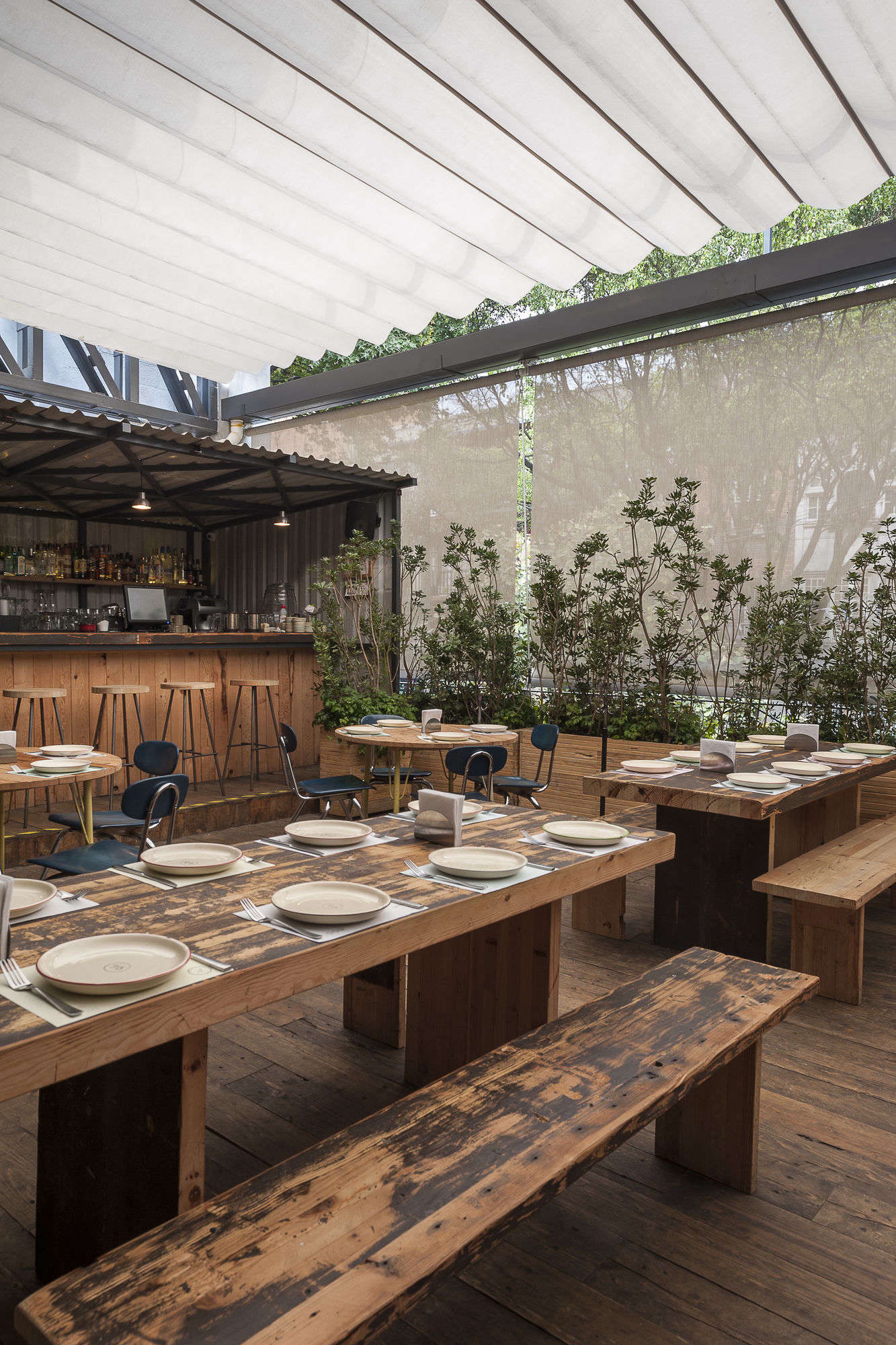
The restaurant’s design also leans into that coastal fantasy without becoming theme-park cute. Reclaimed wood, industrial details, open spaces, and a relaxed terrace mood give it the feel of a seaside warehouse that somehow wandered into Roma Norte and decided to stay. The atmosphere is breezy and informal, but the cooking is precise. That contrast is what makes the place work: it feels casual enough for friends, but the seafood quality says, “Please pay attention; this is not a random Tuesday fish taco.”
Why Baja Cuisine Works So Well in Mexico City
Baja California cuisine has always had a delicious advantage: geography. With the Pacific on one side and the Sea of Cortez on the other, the region has access to some of Mexico’s most exciting seafood. It is a cuisine of fish tacos, clams, shrimp, oysters, sea urchin, ceviche, grilled catch, cold beer, white wine, and bright acidic sauces that wake everything up like a mariachi alarm clock.
Mexico City, meanwhile, is one of the great eating capitals of the world precisely because it absorbs regional food traditions and gives them a larger stage. Oaxacan moles, Yucatecan cochinita, Sonoran flour tortillas, Veracruz seafood, Puebla sweets, and Baja-style fish all find room here. Campobaja succeeds because it does not force Baja into a fine-dining tuxedo. Instead, it keeps the soul of a fish camp: fresh product, direct flavors, communal eating, and a menu that follows the sea more than the spreadsheet.
That matters because seafood can be unforgiving. A mediocre taco al pastor can sometimes hide under enough pineapple and salsa. A tired oyster has nowhere to run. At Campobaja, the emphasis on freshness and changing availability gives the menu energy. You get the sense that what arrives at the table is connected to what was worth serving that day, not what a laminated menu promised in 2018.
The First Impression: Roma Norte Meets the Coast
Arriving at Campobaja feels different from stepping into one of the city’s grand dining rooms. There is no hushed temple atmosphere, no sense that you should whisper to the cutlery. The space is social, open, and slightly playful. It is a place for ordering too much, passing plates, comparing sauces, and pretending you are “just tasting” someone else’s tostada while clearly stealing the best bite.
The location in Roma Norte helps. This neighborhood is full of leafy streets, galleries, cafes, cocktail bars, boutiques, and restaurants where everyone appears to own excellent sunglasses. Campobaja fits that ecosystem without disappearing into it. It has enough style to feel like a destination, but enough warmth to avoid becoming one of those places where the chairs are beautiful and your spine files a complaint.
What to Order: Start Cold, Then Chase the Smoke
A smart Campobaja meal begins with the cold side of the menu. Ceviches and aguachiles are the opening argument for why Baja flavors travel so well. Expect citrus, chile, herbs, and seafood that tastes clean rather than masked. Aguachile, especially, is not shy. It comes from the family of dishes that believe lime and chile should not merely season seafood but wake it from a nap and send it dancing.
From there, tostadas are a natural move. They offer the perfect structure for seafood: crisp base, cool topping, creamy or spicy accent, and enough crunch to remind you that texture is not a garnish. A good seafood tostada is architecture. A bad one collapses emotionally and physically. Campobaja’s versions tend to understand the assignment.
Fish tacos are almost mandatory, particularly because the Baja-style fish taco is one of the great casual dishes of the Americas. Crisp fish, tortilla, cabbage or slaw, creamy sauce, salsa, lime: simple in theory, easy to ruin in practice. When done right, it is beach food with engineering credentials. Campobaja’s version brings that Ensenada spirit into the city without losing its looseness.
Do Not Skip the Octopus
Octopus is one of those dishes that reveals a kitchen’s patience. Cook it poorly and it turns into a nautical rubber band. Cook it well and it becomes tender, smoky, meaty, and oddly elegant. Campobaja is frequently praised for grilled octopus and octopus-based dishes, and for good reason. It captures the restaurant’s larger strength: treating seafood seriously without making the diner feel like they are attending a seminar called “Advanced Marine Protein Studies.”
The Seafood Gordita Surprise
One of the most interesting examples of Campobaja’s creative range is its seafood gordita. Instead of treating Baja cuisine as only ceviche, shellfish, and tacos, the kitchen places seafood in the comforting format of masa. A gordita made with heirloom corn masa, melted quesillo, and stewed octopus shows how the restaurant bridges coastal cooking with central Mexican food traditions. It is rich, clever, and satisfying in the way only masa plus seafood plus chile can be. In other words, it is the kind of dish that makes you pause mid-conversation and briefly forget your friend’s name.
Drinks: Wine, Mezcal, Beer, and the Joy of Pairing Simply
Campobaja’s drinks program matches the food’s relaxed coastal direction. Local wines, sparkling options, mezcals, cocktails, and craft beers all make sense with the menu. Baja California is Mexico’s most important wine region, so ordering wine with Baja-style seafood is not just appropriate; it is practically the plot. A crisp white, a sparkling wine, or a lean rosé can make ceviche and shellfish feel even brighter.
Beer also belongs here. Cold beer with fried fish is not complicated, and that is exactly its virtue. Mezcal brings smoke and minerality to the table, especially with grilled octopus or chile-forward dishes. The best strategy is to avoid overthinking. Seafood, lime, salt, chile, and something cold in the glass: civilization has achieved worse things with bigger budgets.
Design Details: Why the Room Matters
Restaurant design can be sneaky. When it is bad, you notice every hard surface, every echo, every light bulb interrogating your forehead. When it is good, you simply feel like staying longer. Campobaja’s design, originally noted for its reclaimed materials and Baja-inspired sensibility, supports the food rather than competing with it.
The space suggests a fish camp, but not in a literal “nets on the wall and plastic swordfish staring at you” way. Wood, metal, air, greenery, and casual seating create a dining room that feels weathered and contemporary at the same time. This matters for the visitor experience. Eating seafood in Mexico City can sometimes feel disconnected from the coast; Campobaja closes that gap by making the environment part of the transportation. You are still in Roma Norte, but your appetite is wearing flip-flops.
Who Should Visit Campobaja?
Campobaja is best for diners who like seafood, sharing plates, lively spaces, and meals that can stretch comfortably into the afternoon. It works for a group lunch, a casual date, a traveler’s first seafood meal in CDMX, or a return visit after you have already checked off the city’s famous institutions. It is also a good choice for people who want something stylish but not stiff.
It may not be ideal for someone who dislikes seafood, wants a quiet business meeting, or believes lime is “too exciting.” The menu is coastal, fresh, and often chile-bright. That is the point. If your dream meal is steak in a silent room, Campobaja may wave politely from the shoreline and let you continue your journey elsewhere.
How Campobaja Fits Into Mexico City’s Restaurant Scene
Mexico City’s dining scene has become increasingly global in reputation, thanks to celebrated fine-dining restaurants, legendary taquerías, neighborhood bakeries, market stalls, seafood temples, and new-generation chefs exploring regional Mexican cuisines. Campobaja sits in an appealing middle lane. It is not a white-tablecloth tasting menu, but it is not a casual street stand either. It is a restaurant with a strong identity, a clear point of view, and enough polish to make a meal feel special.
That middle lane is increasingly important. Travelers do not always want a three-hour tasting menu, especially when the city outside is calling with museums, parks, mercados, mezcalerías, and the suspiciously powerful urge to eat churros at inconvenient times. Campobaja offers a full-flavored, regionally rooted experience without asking diners to surrender the whole day.
Suggested Order for a First Visit
For a first visit, build the meal like a wave. Start with oysters or shellfish if available. Add one ceviche or aguachile for brightness. Order tostadas for crunch. Move into fish tacos or a seafood gordita for comfort. Then choose a grilled or fried seafood centerpiece, such as octopus or lobster if it appears on the menu. Finish with another drink and a moment of gratitude for whoever first decided seafood and lime should become lifelong partners.
Because the menu changes, do not cling too tightly to a pre-planned order. Ask what is especially good that day. A restaurant like this rewards flexibility. The best dish may be the one you did not know existed until the server pointed at it with the calm authority of someone saving you from making a boring decision.
Practical Tips for Dining at Campobaja
Make a reservation if your schedule is tight, especially for lunch or weekend meals. Roma Norte is popular, and Campobaja has enough reputation to draw both locals and visitors. Arrive hungry but not frantic. This is food meant to be shared at a relaxed pace, not inhaled between errands.
Dress comfortably. The vibe is stylish but casual, so you do not need to look like you are attending a diplomatic reception for shellfish. If you are exploring the neighborhood before or after, wear walking shoes. Roma Norte is ideal for wandering, and a seafood lunch followed by a slow stroll is one of the city’s underrated pleasures.
What Makes the Experience Memorable
The most memorable thing about Campobaja is not one single plate. It is the way the whole meal creates a sense of place that is technically somewhere else. You taste Baja California through seafood, citrus, chile, corn, wine, and smoke, but you experience it through Mexico City’s urban rhythm: fashionable, social, fast-moving, and endlessly hungry.
That is why the title “Baja Transported, in Mexico City” fits so well. Campobaja is not pretending the Pacific Ocean is outside the door. It is doing something more interesting: translating the feeling of the coast for a city that understands appetite better than almost anywhere. The restaurant visit becomes a small act of travel inside a larger trip.
Extra Experience Notes: Baja Transported, One Bite at a Time
The best way to experience Campobaja is to treat it less like a checklist and more like a long, salty conversation. Begin with the neighborhood. Roma Norte has a way of softening the edges of the day. The streets are shaded, the buildings carry history without showing off, and the sidewalks are busy with people who appear to have excellent lunch plans. By the time you reach Campobaja, you are already in the right mood: curious, hungry, and willing to let the afternoon expand.
Inside, the rhythm of the meal matters. This is not the kind of restaurant where one heroic entrée marches to the table and demands applause. It is more of a parade of smaller pleasures. A tostada arrives and disappears. An aguachile flashes with heat and citrus. A taco gets passed across the table. Someone orders another drink “for balance,” which is a beautiful phrase because it can mean almost anything. The meal becomes communal in the best way: plates in motion, opinions flying, lime wedges vanishing like evidence.
What makes Baja-style seafood especially satisfying in Mexico City is the contrast. The capital is big, dense, and high above sea level. The food at Campobaja brings in the psychological opposite: openness, brightness, salt, and the suggestion of wind. Even if you have never been to Ensenada, the flavors give you a convincing preview. You can imagine fishing boats, market stalls, cold beer, and the kind of sun that makes lunch feel like a legitimate life plan.
For travelers, this experience also offers a useful lesson about eating in Mexico City: do not only chase the most famous names. The city is full of restaurants that express regional identities with creativity and care. Campobaja is a reminder that Mexican cuisine is not one thing. It is many coastlines, climates, histories, corn varieties, seafood traditions, chile vocabularies, and drinking customs all speaking at once. Sometimes they whisper. Sometimes they arrive as a black aguachile and kick the door open.
A visit here also pairs beautifully with the rest of a Roma day. You can browse design shops, stop for coffee, visit galleries, walk toward Condesa, or continue the seafood theme with cocktails elsewhere. But the smartest move may be the simplest: linger. Order slowly. Let the server guide you. Say yes to something unfamiliar. Baja cuisine rewards people who are willing to be refreshed, surprised, and occasionally humbled by chile.
By the end of the meal, Campobaja leaves a particular aftertaste: lime, smoke, sea, and the pleasant feeling that Mexico City has more rooms than you realized. One of those rooms just happens to look toward Baja. You may walk back onto Calle Colima still surrounded by traffic, trees, scooters, and stylish locals, but for a moment your palate is convinced the ocean is nearby. That is a pretty good trick for a restaurant. It is also a good reason to return.
Conclusion: Is Campobaja Worth Visiting?
Yesespecially if your ideal Mexico City meal is flavorful, relaxed, seafood-driven, and rooted in a clear regional idea. Campobaja offers Baja California’s coastal spirit in one of CDMX’s most appealing neighborhoods, with a menu that balances freshness, technique, and fun. It is polished without being precious, stylish without being cold, and serious about seafood without forcing diners to behave too seriously.
For anyone planning where to eat in Mexico City, Campobaja is a strong choice after, before, or instead of the capital’s more internationally famous dining rooms. Come for ceviche, aguachile, tostadas, fish tacos, octopus, local wine, and the feeling that the Baja coast has briefly set up camp in Roma Norte. Leave with full hands, a brighter mood, and possibly a new personal belief that every city should have a fish-camp escape hatch.