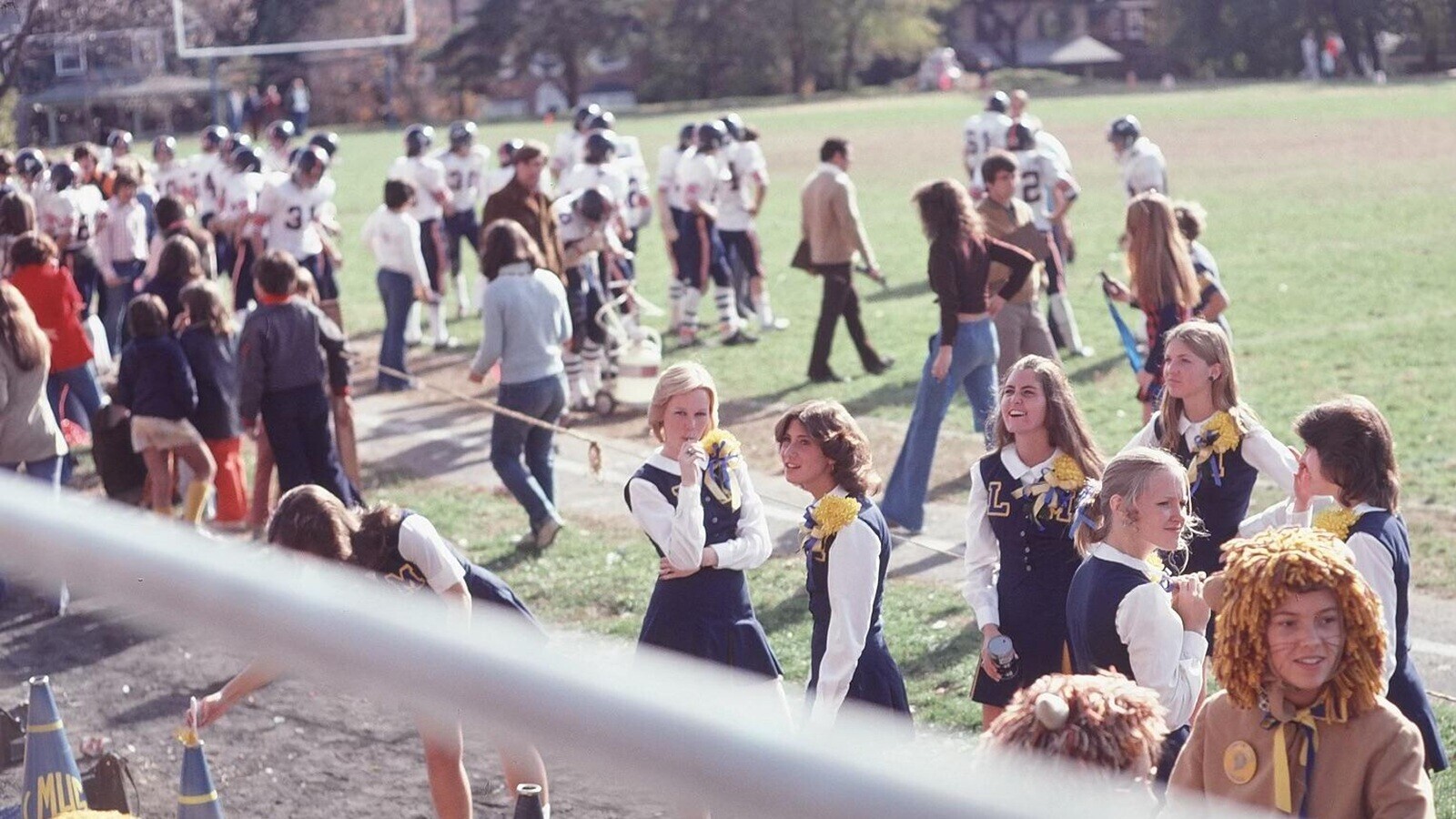
To remember 1974 is to step into a world of shag carpets, rotary phones, station wagons, Watergate headlines, supermarket scanners, bell-bottom jeans, and family dinners where everyone actually had to sit through the same TV show because there was no streaming, no pause button, and absolutely no mercy if someone stood in front of the antenna.
The year 1974 was not just “the middle of the 70s.” It was a turning point. America was dealing with inflation, an energy crisis, political distrust, changing family life, and a pop culture scene that somehow made room for serious cinema, disco grooves, plaid everything, and hairstyles with architectural ambition. Life in 1974 felt both uncertain and exciting. People worried about gas prices, watched history unfold on television, danced to records, clipped coupons, and tried to make a paycheck stretch while the grocery bill seemed to grow legs and run away.
This look back at life in 1974 explores the homes, habits, prices, entertainment, politics, fashion, technology, and everyday experiences that shaped one unforgettable year in American life.
America in 1974: A Country Catching Its Breath
By 1974, the United States had a population of roughly 213 million people. The country was large, restless, and changing quickly. The postwar optimism of the 1950s felt far away, the social revolutions of the 1960s were still echoing, and the 1970s had become a decade of practical questions: How much does gas cost? Can the country trust its leaders? Will prices ever stop rising? And why does every living room seem to contain at least one orange object?
For many families, 1974 was a year of adjustment. The U.S. median household income reached about $11,100, but rising prices ate into purchasing power. Inflation was not an abstract economic term; it was something people felt at the checkout counter, at the gas pump, and while planning a family vacation that suddenly looked less like “cross-country road trip” and more like “let’s visit your aunt two towns over.”
The energy crisis had changed daily routines. After the 1973 oil embargo, Americans became more aware of fuel consumption, speed limits, heating costs, and the fragile connection between global politics and local life. Gasoline prices climbed, lines at stations became a memory many people never forgot, and smaller cars began to look smarter than the giant land yachts of earlier years.
Politics: Watergate, Nixon, and a Loss of Trust
No discussion of 1974 can skip Watergate. The scandal had been building for years, but in 1974 it reached its dramatic conclusion. On August 8, President Richard Nixon addressed the nation on television and announced that he would resign. The next day, August 9, he became the only U.S. president to leave office by resignation.
Gerald Ford then became president and inherited a nation exhausted by scandal. In September, Ford granted Nixon a full pardon, a decision that he said was meant to help the country move forward but that also created fierce debate. For many Americans, politics no longer felt distant or formal. It came through the television set and landed directly in the living room.
Watergate changed how people viewed government, journalism, and public accountability. Newspapers, nightly news broadcasts, and congressional hearings became part of everyday conversation. The year gave Americans a crash course in constitutional process, executive power, and the uncomfortable realization that even the highest office in the land was not immune to wrongdoing.
The Economy: Inflation, Coupons, and Budget Math
Life in 1974 was expensive in a way that startled households. Food, energy, transportation, and utilities all took a bigger bite out of family budgets. The Consumer Price Index rose sharply, and inflation became one of the defining words of the year. Parents compared grocery receipts, stretched leftovers, watched thermostat settings, and treated coupon clipping like a competitive sport.
At the supermarket, staples could feel unpredictable. Sugar, meat, coffee, and household supplies all became part of the inflation conversation. A family might still gather around a home-cooked dinner, but the meal came with more calculation than before. Was roast beef worth it this week? Could chicken do the job? Would the kids notice if powdered drink mix replaced soda? Of course they would. Kids notice everything except where they left their shoes.
For working Americans, the economy created a strange contradiction. Paychecks existed, jobs existed, but the money seemed to shrink between payday and the weekend. Families that had once felt secure began watching small purchases. A new appliance, a vacation, or a second car required more planning. In 1974, “making do” was not just a phrase; it was a household strategy.
Gas, Cars, and the Road Trip Reconsidered
The American car was still king in 1974, but the crown had dents. Big sedans, wagons, and muscle cars remained common, yet the energy crisis encouraged buyers to look at smaller, more fuel-efficient models. Automakers were under pressure, drivers were more conscious of mileage, and the open road felt a little less carefree than it had in earlier decades.
Many families still owned roomy station wagons with wood-grain paneling, the unofficial limousine of suburban childhood. These cars hauled groceries, Little League gear, vacation luggage, pets, and at least one child lying dramatically across the back seat claiming they were “dying of boredom.” Seat belt habits were different, car interiors were larger, and the concept of in-car entertainment usually meant arguing over radio stations.
Gas stations were social places as much as service stops. Attendants still pumped gas in many locations, checked oil, and cleaned windshields. The phrase “fill ’er up” carried more financial weight than it had a few years earlier. A long drive now required thinking about fuel, cost, and whether the family cooler contained enough sandwiches to avoid restaurant spending.
Homes in 1974: Paneling, Patterns, and Practical Living
The 1974 home had personality. Sometimes too much personality. Interior design favored bold colors, textured fabrics, wood paneling, patterned wallpaper, avocado appliances, harvest gold kitchens, and carpeting that could probably hide a lost toy until 1986.
Living rooms were arranged around the television, which had become the household campfire. Families gathered after dinner to watch network programming, news, sports, and variety shows. Remote controls existed, but many homes still relied on the youngest family member as the official channel changer. This was not called child labor; it was called “being closest to the TV.”
Kitchens were busy, practical spaces. Microwaves were becoming more visible but were not yet universal. Crock-Pots, electric can openers, percolators, and fondue sets reflected the era’s blend of convenience and experimentation. Dinner might include casseroles, gelatin salads, meatloaf, canned vegetables, TV dinners, or something involving pineapple rings that nobody questioned because it was the 70s and rules were flexible.
Technology: Before Smartphones, After Simplicity
Technology in 1974 was advancing, but daily life still felt analog. Phones were attached to walls or sat on tables. If someone was not home, you called back later. There was no texting, no voicemail for most families, and no way to know whether your friend was ignoring you or simply outside riding a bike.
Televisions were becoming more colorful and central to home life. Stereos, turntables, cassette players, and radios brought music into bedrooms, kitchens, garages, and cars. People bought albums, read liner notes, and listened to songs in the order chosen by the artist. Skipping tracks required standing up and moving a needle, which was enough effort to make people more patient with side B.
One of the biggest technological milestones of 1974 happened at a supermarket checkout. On June 26, a pack of Wrigley’s Juicy Fruit gum became the first product scanned with a Universal Product Code barcode. It was a small moment with enormous consequences. The familiar beep of modern retail began with gum, which is both historically impressive and oddly perfect.
Television: The Living Room’s Main Event
Television in 1974 was powerful because everyone watched many of the same shows at the same time. There were fewer channels, which meant popular programs became shared national experiences. People talked about last night’s episode at work, school, grocery stores, and family gatherings.
Shows such as All in the Family, Sanford and Son, M*A*S*H, The Waltons, Maude, Good Times, and The Mary Tyler Moore Show reflected changing American attitudes. Sitcoms were funny, but they also tackled race, class, gender, war, family conflict, and generational tension. Television had jokes, yes, but it also had nerve.
There were no binge-watch weekends unless a local station happened to run a marathon. Viewers waited. Missing an episode meant missing it, unless a friend retold the plot badly the next day. The scarcity made television feel special. A favorite show was not just content; it was an appointment.
Music: From Soul to Soft Rock to Early Disco
The sound of 1974 was wonderfully mixed. Barbra Streisand, Elton John, John Denver, Stevie Wonder, The Jackson 5, Kool & the Gang, Aretha Franklin, Paul McCartney and Wings, and many others filled the charts. Radio moved easily from sentimental ballads to funk grooves to rock anthems.
Disco was not yet the full cultural explosion it would become later in the decade, but the dance floor was warming up. Funk, soul, and Philadelphia-style arrangements helped create a smoother, more rhythmic pop sound. Meanwhile, singer-songwriters remained hugely popular, giving listeners reflective lyrics for quiet evenings and road trips.
Music was physical in 1974. People bought vinyl records, stacked 45s, taped songs from the radio, and decorated bedrooms with album covers. A stereo system was a prized possession. Headphones were large enough to qualify as furniture. And if a record skipped, the entire room reacted as if technology itself had betrayed the family.
Movies: Serious, Funny, Gritty, and Bold
American film in 1974 was in a golden creative period. Movies were willing to be darker, sharper, stranger, and more adult than many studio films of earlier decades. The Godfather Part II, Chinatown, Blazing Saddles, The Conversation, The Longest Yard, and The Towering Inferno all helped define the year’s cinematic landscape.
Filmgoers could choose between political paranoia, crime epics, disaster spectacles, sports comedy, and satire so outrageous it practically kicked the theater doors open. The 1970s audience expected movies to challenge them. Heroes were complicated, endings could be uneasy, and the world onscreen often felt as unstable as the evening news.
Going to the movies remained a major social activity. There was no streaming release waiting at home in six weeks. A film’s reputation spread through newspaper reviews, radio ads, posters, and word of mouth. If a movie became a hit, it became part of the cultural conversation for months.
Fashion: Bell-Bottoms, Platforms, and Confidence
Fashion in 1974 had volume, color, and absolutely no fear of polyester. Bell-bottom jeans, wide collars, patterned shirts, suede vests, maxi dresses, jumpsuits, platform shoes, and leisure suits were everywhere. Some outfits looked glamorous. Some looked like curtains had escaped and started a music career.
The 1970s silhouette favored movement and self-expression. Clothes were casual but expressive, influenced by hippie culture, disco, glam rock, working-class denim, and changing gender norms. Men wore longer hair and bolder prints. Women mixed bohemian pieces with office-ready separates as more entered professional workplaces.
Beauty trends were equally memorable. Feathered hair, center parts, natural textures, glossy lips, and sun-kissed looks were popular. Grooming felt less stiff than in previous decades. The overall message was: relax, express yourself, and maybe own a hairdryer shaped like a space helmet.
Food and Family Life: Casseroles, Convenience, and Conversation
Family meals in 1974 often reflected convenience, budget, and tradition. Casseroles were champions because they could stretch ingredients and feed a crowd. Frozen dinners, canned soups, boxed mixes, and gelatin desserts had a strong presence. Fondue parties gave adults a reason to gather around melted cheese and pretend dipping bread was sophisticated international living.
Breakfast might include cereal, toast, eggs, or instant oatmeal. Lunches were packed in metal or plastic lunchboxes, often with sandwiches wrapped in wax paper or foil. Dinner was usually eaten at home, and fast food was growing but had not yet taken over the weekly routine for many families.
Families talked more by necessity. There were fewer screens, fewer private devices, and fewer digital escapes. That did not mean everyone was magically happier or more connected, but daily life did create more shared spaces. People waited for phone calls, read newspapers, played board games, listened to radio, and spent evenings in the same room even when they disagreed about what to watch.
Sports: Aaron, Ali, and Unforgettable Moments
Sports gave 1974 some of its most legendary moments. On April 8, Hank Aaron hit his 715th career home run, passing Babe Ruth on baseball’s all-time list. It was a historic achievement that carried deep cultural weight, especially because Aaron had endured racist abuse while chasing the record.
Later that year, Muhammad Ali faced George Foreman in the “Rumble in the Jungle” in Kinshasa, Zaire. Ali defeated Foreman and reclaimed the heavyweight title, creating one of the most famous moments in boxing history. The fight was more than a sporting event. It was theater, strategy, personality, and global spectacle wrapped into one unforgettable night.
Sports in 1974 were followed through newspapers, radio broadcasts, television highlights, and passionate arguments. Fans did not have instant replay from ten camera angles in their pocket. They had box scores, commentators, memory, and confidence that their version of events was definitely correct.
What Daily Life Felt Like in 1974
Daily life in 1974 moved slower in some ways and felt more immediate in others. Mail mattered. Newspapers mattered. A long-distance phone call was something to keep short because it cost money. Taking pictures meant using film, waiting for development, and discovering two weeks later that someone blinked in every photo.
Kids played outside, rode bikes, collected trading cards, watched Saturday morning cartoons, and came home when the streetlights came on. Teenagers listened to records, hung out at malls or diners, talked on shared family phones, and negotiated privacy in homes where every call could be overheard by at least one suspicious sibling.
Adults balanced work, bills, family responsibilities, and changing social expectations. More women were entering or remaining in the workforce. Divorce rates were rising. The traditional family model was shifting. Conversations about equality, education, race, and opportunity were becoming more visible, sometimes inspiring progress and sometimes creating tension.
The Mood of 1974: Worried but Creative
The mood of 1974 was complicated. People were worried about inflation, energy, politics, and trust. Yet the year was also culturally alive. Music was rich, movies were daring, television was smart, sports were historic, and technology was quietly planting seeds for the future.
That contrast is what makes remembering 1974 so fascinating. It was not a simple “good old days” postcard. It was a real year full of real pressures. People complained about prices, argued about politics, worked hard, laughed at sitcoms, dressed boldly, and found joy where they could.
In other words, 1974 was human. Messy, loud, stylish, anxious, funny, and unforgettable.
Personal-Style Experiences That Capture Life in 1974
Imagine waking up in 1974 on a school morning. The alarm clock buzzes with the subtle charm of a kitchen appliance falling down stairs. There is no smartphone to check, no notifications, and no weather app. You might hear the forecast from a clock radio or catch it on morning television while eating cereal at a kitchen table surrounded by cabinets that proudly believe orange and brown are best friends.
Getting dressed means choosing jeans with a flare wide enough to create a breeze. A patterned shirt, a denim jacket, or a pair of platform shoes might complete the look. Hair takes commitment. Feathered styles, long layers, and carefully shaped waves require time, a mirror, and perhaps a can of hairspray powerful enough to qualify as structural support.
On the way to school or work, the car radio plays a mix of soft rock, soul, pop, and early disco. There is no playlist, so you accept what the DJ gives you. If a favorite song comes on, everyone gets excited because there is no replay button. You either enjoy it now or wait three hours and hope the station has mercy.
At the grocery store, prices are a regular topic. Adults compare deals and complain about inflation with the seriousness of political analysts. A cashier rings items by hand, unless you happen to be near one of the early stores experimenting with barcode scanning. Shoppers carry paper bags, kids ask for gum, and parents say no with the tired authority of people who have already survived the cereal aisle.
At home, entertainment is shared. Someone reads the newspaper. Someone else does homework at the table. The TV guide helps decide the evening schedule. When the family show begins, everyone gathers around the television. If the picture gets fuzzy, someone adjusts the antenna, usually while another person shouts, “Stop! Go back! That was better!” This is the 1974 version of technical support.
Weekends might include a trip to the mall, a backyard barbecue, a drive-in movie, a Little League game, church, chores, or visiting relatives. Photos are taken carefully because film is limited. Nobody takes 47 pictures of lunch. A single birthday party might produce one roll of film, half of which includes red eyes, awkward smiles, and someone’s thumb making a surprise appearance.
Teen life has its own rhythm. Friends make plans in advance because nobody can text from the driveway. If someone is late, you wait, wonder, and maybe call their house from a pay phone. Music matters deeply. Albums are borrowed, returned scratched, and discussed like sacred texts. Posters on bedroom walls announce identity: favorite bands, movie stars, athletes, or anything that makes parents sigh.
For adults, 1974 often feels like a balancing act. The bills are real. The news is heavy. Gas costs more. Trust in government has been shaken. Yet there are still birthday cakes, neighborhood cookouts, bowling nights, office jokes, new babies, first cars, graduations, and ordinary happiness. People adapt because that is what people do.
That is the real experience of remembering the 70s and life in 1974. It is not only about bell-bottoms, Watergate, or vinyl records. It is about the feeling of a world changing under people’s feet while they still had to pack lunches, mow lawns, pay bills, call their mothers, and get the TV reception just right before the show started.
Conclusion: Why 1974 Still Matters
Remembering the 70s through the lens of 1974 helps us understand a year when American life stood between old habits and new realities. The country faced inflation, political scandal, fuel worries, and social change, yet it also produced unforgettable music, groundbreaking movies, historic sports moments, and everyday memories that still feel vivid decades later.
Life in 1974 was not perfect, but it had texture. It had the sound of records spinning, the smell of home cooking, the glow of the family television, the rustle of newspapers, the squeak of station wagon seats, and the bold confidence of clothes that refused to be boring. Looking back, 1974 reminds us that history is not only made in government buildings and headlines. It is also made in kitchens, grocery aisles, living rooms, school hallways, ballparks, and the songs people remember long after the record stops playing.