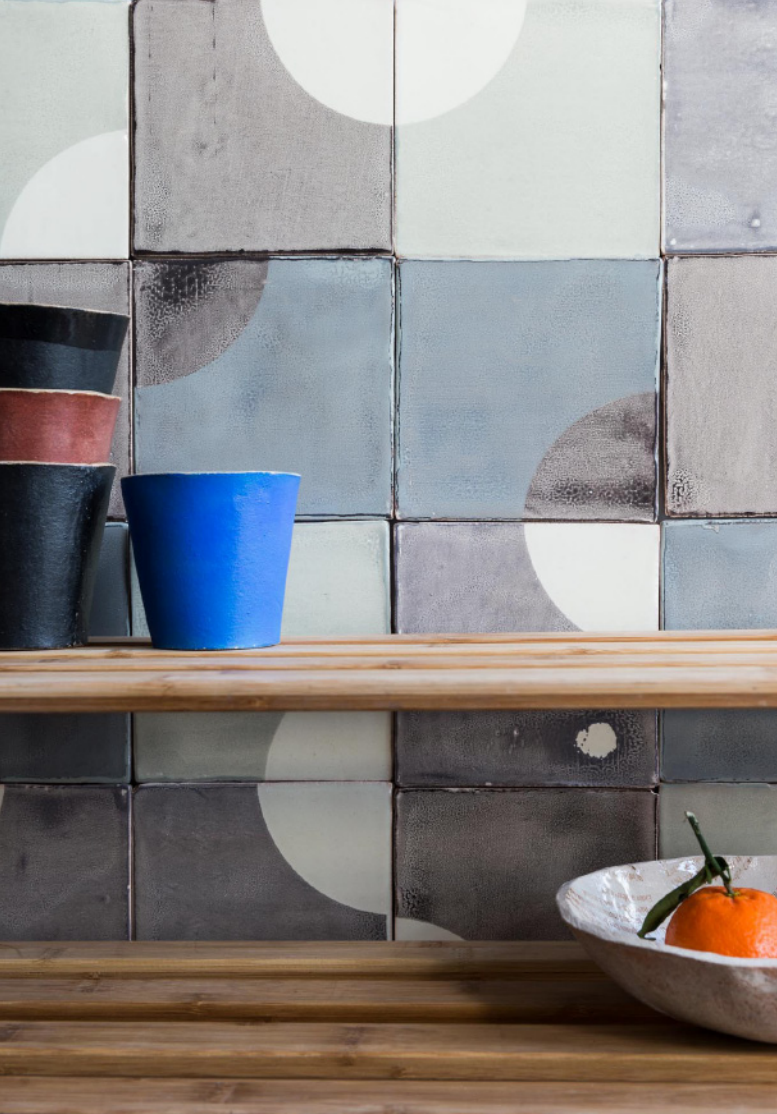
Quarter circle ceramic tile may sound like something a geometry teacher would proudly tape to the whiteboard, but in real homes it is far more useful than a pop quiz. Also commonly called quarter round ceramic tile or curved ceramic tile trim, this small rounded piece is one of those finishing details that quietly makes a tile project look intentional, polished, and professionally planned.
Think of it as the friendly handshake between two surfaces. Where regular field tile stops abruptly, quarter circle ceramic tile softens the edge. It can wrap an outside corner, frame a shower niche, finish a backsplash, hide the thickness of a setting bed, or create a smooth transition where tile meets painted wall, cabinetry, countertops, or another tiled plane. Without it, a tile installation can look like it left the house wearing one shoe. With it, the whole design suddenly looks complete.
This guide explains what quarter circle ceramic tile is, where it works best, how it compares with other tile trim options, and what to consider before buying or installing it. We will keep things practical, design-friendly, and only mildly obsessed with grout lines.
What Is Quarter Circle Ceramic Tile?
Quarter circle ceramic tile is a curved trim tile with a rounded exterior profile. When viewed from the end, the shape resembles a quarter of a circle, which is where the name comes from. In everyday tile language, many homeowners, designers, and installers refer to it as quarter round ceramic tile.
Unlike flat field tile, quarter circle trim is not usually meant to cover a large wall or floor area. Its job is to finish, cap, transition, or protect. It is often glazed on the visible curved surface, while the hidden sides may remain unglazed because they are bonded into mortar or aligned against other tile pieces.
Common sizes vary by manufacturer, but many ceramic quarter round trims are narrow pieces around 1 inch by 6 inches, or similar modular dimensions that coordinate with subway tile, wall tile, and decorative ceramic collections. Some lines include corner pieces, beaks, or matching accessories to help turn a clean corner without awkward cuts.
Why This Tiny Tile Detail Matters
Tile is durable, beautiful, and impressively patient with daily messes. But the exposed edge of tile is not always ready for the spotlight. Cut ceramic edges can look rough, unfinished, or visually distracting. In wet areas, poorly finished transitions can also collect grime or allow water to hang around where it should not.
Quarter circle ceramic tile solves several problems at once. It hides exposed tile edges, covers mortar thickness, rounds sharp transitions, and adds an architectural detail that feels deliberate. In other words, it is not just decoration; it is decoration with a job. The best kind, frankly.
In kitchens and bathrooms especially, trim choices can make the difference between “custom and clean” and “weekend project that started with confidence and ended with snacks on the floor.” Quarter circle ceramic tile brings a soft, classic finish that pairs especially well with subway tile, handmade-look ceramic tile, vintage-inspired bathrooms, cottage kitchens, and traditional wall installations.
Best Places to Use Quarter Circle Ceramic Tile
1. Backsplash Edges
A kitchen backsplash often ends at an open wall, cabinet side, window, range hood, or countertop edge. Quarter circle ceramic tile can finish that exposed border with a rounded, glazed line instead of leaving a raw tile edge visible. It works especially well when the backsplash uses ceramic subway tile or square wall tile and you want the edge to feel like part of the design rather than an afterthought.
2. Shower Niches
Shower niches are practical little storage caves for shampoo bottles, soap, razors, and the one product everyone bought after seeing a dramatic online review. Because niches include inside and outside edges, they need thoughtful finishing. Quarter round ceramic tile can frame the niche opening and soften the corners, giving the recessed area a clean, built-in appearance.
3. Outside Wall Corners
When tile wraps around an outside corner, a flat cut edge can look harsh. Quarter circle ceramic tile creates a rounded turn, making the corner look smoother and more traditional. This is useful in showers, tub surrounds, half walls, kitchen pass-throughs, and tiled columns.
4. Window Sills and Returns
Bathrooms and kitchens often have windows surrounded by tile. Quarter circle trim can frame the tile around the window and help bridge the transition between flat tile and the window return. It is a small detail, but windows are eye magnets. If the trim looks clumsy there, the room will politely never let you forget it.
5. Countertop and Vanity Transitions
In some ceramic tile countertop or vanity applications, quarter round trim can help finish the front or side edge. While many modern countertops use stone, quartz, or solid-surface materials, ceramic trim still has a place in vintage restorations, period-style bathrooms, craft kitchens, and custom tile installations.
Quarter Circle Ceramic Tile vs. Bullnose Tile
Quarter circle ceramic tile and bullnose tile are related, but they are not identical. Bullnose tile usually has one rounded edge on a flat tile body. It is commonly used to cap the end of a tiled wall, backsplash, or countertop. Quarter circle tile is more dimensional and rounded, often used to turn corners or create a curved transition between surfaces.
Here is the simple version: use bullnose when you want a flatter finished edge; use quarter circle ceramic tile when you want a more rounded, built-up, architectural edge. Bullnose whispers, “clean finish.” Quarter round says, “Yes, I planned this corner, and I brought snacks.”
Both options can look excellent. The right choice depends on the tile collection, the thickness of the installation, the location, and the visual style you want. A sleek modern bathroom may look better with a minimalist metal edge or slim bullnose. A classic bathroom with glossy white subway tile may look absolutely charming with ceramic quarter round trim.
Quarter Circle Ceramic Tile vs. Metal Tile Edge Trim
Metal tile trim is popular in contemporary installations because it creates crisp lines and comes in finishes like brushed nickel, black, brass, bronze, and stainless steel. It is often used with porcelain tile, large-format tile, and modern shower walls.
Quarter circle ceramic tile has a different personality. It feels warmer, softer, and more traditional. Because it is ceramic, it can coordinate closely with the field tile in color, glaze, and texture. It is especially appealing when you want the trim to blend into the tile design instead of standing out as a separate material.
Metal trim is sleek. Ceramic quarter circle trim is classic. Neither is “better” in every room. The winner is the one that looks like it belongs there without waving a tiny flag that says, “I was chosen in a panic at aisle 14.”
Design Styles That Work Well With Quarter Circle Ceramic Tile
Classic Subway Tile Bathrooms
Glossy white subway tile and quarter round trim are old friends. The combination feels timeless, clean, and familiar without becoming boring. In a bathroom, quarter circle ceramic tile can outline a shower wall, finish a wainscot edge, or frame a niche while keeping the look cohesive.
Vintage and Period-Inspired Interiors
Homes inspired by early 20th-century bathrooms, old-school kitchens, or cottage interiors often benefit from ceramic trim. Quarter round pieces add depth and craftsmanship, especially when paired with chair rail tile, cove base, pencil liners, or hex floor tile.
Handmade-Look Ceramic Tile
Handmade-look ceramic tile often has subtle variation in glaze, tone, and surface texture. A matching quarter circle trim can continue that artisan feeling around corners and edges. The result feels less flat and more dimensional, as if the wall received a tailored suit instead of a plain T-shirt.
Colorful Tile Installations
Quarter circle ceramic tile is not limited to white. Blue, green, black, gray, cream, terracotta, and other glazed finishes can be used to add personality. In a colorful backsplash, matching trim keeps the edge tidy. Contrasting trim can create a border effect if handled carefully.
How to Choose the Right Quarter Circle Ceramic Tile
Match the Tile Collection When Possible
The easiest route is to choose quarter round trim from the same manufacturer and collection as your field tile. This improves the chance that the color, glaze, thickness, and size will coordinate. White tile is especially tricky because “white” can mean snow white, warm white, creamy white, blue-white, gray-white, or “why are these all different under my kitchen light?”
Order Samples Before Committing
Tile color can shift under different lighting. A glossy ceramic trim may reflect light differently than a matte tile. Always compare samples in the actual room, near the cabinets, countertops, paint, plumbing fixtures, and natural light. This small step can prevent a surprisingly emotional conversation with a return policy.
Think About Finish: Glossy vs. Matte
Glossy quarter circle ceramic tile is popular in bathrooms and backsplashes because it reflects light and feels easy to wipe clean. Matte finishes can look softer and more contemporary, but they may show certain marks differently depending on the glaze. Match the trim finish to the field tile unless you intentionally want contrast.
Measure by Linear Foot
Quarter circle trim is usually planned by length, not square footage. Measure every edge that needs trim: backsplash ends, shower edges, niche borders, window frames, and corners. Add extra for cuts, breakage, pattern matching, and future repair. A reasonable overage is often cheaper than discovering later that your discontinued trim now exists only in the dreams of warehouse employees.
Installation Considerations
Installing quarter circle ceramic tile requires careful layout. Because trim pieces are highly visible, crooked lines, uneven spacing, or sloppy corners are easy to spot. The trim should be aligned with the field tile, set with appropriate mortar or adhesive for the application, and spaced consistently for grout or flexible sealant where needed.
In wet areas, waterproofing matters more than the trim itself. A shower niche or corner must be properly waterproofed behind the tile. Ceramic trim is not a substitute for waterproof membranes, correct substrate preparation, or proper slope where water needs to drain. Tile is tough, but it is not magic. It cannot fix a badly prepared wall any more than a nice hat can fix a leaky roof.
Movement joints are also important. Tile installations expand and contract with changes in temperature, moisture, and building movement. Corners and changes of plane should not simply be packed with hard grout and forgotten. Flexible sealant is commonly used where tile meets another surface or changes direction, helping reduce cracking and stress.
Common Mistakes to Avoid
Using Trim as an Afterthought
Quarter circle ceramic tile should be selected before installation begins. Waiting until the field tile is already on the wall can lead to mismatched colors, unavailable pieces, or awkward transitions. Plan the trim at the same time as the layout.
Ignoring Corners
Outside corners and niche corners need special attention. Some collections offer dedicated corner pieces or accessories. If they do not, the installer may need to miter trim pieces carefully. Poorly cut corners can make even expensive tile look nervous.
Choosing the Wrong Profile
Quarter circle ceramic tile is not ideal for every style. In ultra-modern spaces with large-format porcelain slabs, a slim metal trim may look cleaner. In rustic or vintage-inspired rooms, ceramic quarter round may be perfect. Match the profile to the design language of the room.
Forgetting Maintenance
Ceramic tile is easy to clean, but grout lines and corners still need attention. Use appropriate cleaners for ceramic surfaces, avoid harsh abrasives on glossy glazes, and keep wet areas ventilated. The goal is sparkle, not a chemistry experiment.
Cleaning and Maintenance Tips
Quarter circle ceramic tile is generally low-maintenance. For daily or weekly cleaning, a soft cloth, warm water, and a mild cleaner are usually enough. In kitchens, pay attention to grease near the stove. In showers, rinse soap residue and keep the area dry when possible.
The curved surface can actually be easier to wipe than a sharp edge because there is no exposed cut side catching dust. However, grout joints around trim should be sealed if the grout type requires it. Always follow the recommendations for your grout, tile, and sealer. Using the wrong product can dull a glaze or leave residue, which is a fancy way of saying: read the label before your bathroom becomes a science fair project.
Is Quarter Circle Ceramic Tile Worth It?
Yes, when the design calls for it. Quarter circle ceramic tile is worth considering if you want a finished edge that feels classic, rounded, and integrated with the tile. It is especially valuable in visible areas like shower niches, backsplash ends, outside corners, and window surrounds.
It may cost more per linear foot than simply cutting field tile, but the visual payoff can be significant. Trim is one of those details people may not consciously notice when it is done well, but they absolutely notice when it is missing. It is the punctuation mark at the end of the tile sentence.
Real-Life Experiences With Quarter Circle Ceramic Tile
One of the most common experiences homeowners have with quarter circle ceramic tile is realizing too late that trim should have been part of the original plan. A backsplash may look beautiful across the main wall, but when the tile stops near an open cabinet side, the exposed edge can feel unfinished. Adding quarter round trim creates a clean border and makes the installation look designed instead of merely completed.
In bathroom remodels, quarter circle ceramic tile often shines around shower niches. A niche has multiple edges packed into a small area, so every detail matters. Homeowners who use matching quarter round trim usually find that the niche looks more custom and less like a rectangular hole that happened during construction. The curved trim also softens the opening, which is helpful in a room full of hard surfaces.
Another practical lesson is that white ceramic trim is not automatically the same white as white ceramic tile. A glossy bright white quarter round can look slightly cooler or warmer than the field tile beside it. Under showroom lighting, the difference may seem tiny. Under bathroom lighting at 7 a.m., it may suddenly announce itself like a marching band. This is why samples are so valuable. Set them in the actual room and check them at different times of day.
Installers often appreciate quarter circle ceramic tile because it solves edge problems elegantly, but they also know it requires patience. Small trim pieces can shift if rushed. Corners must be aligned carefully. Grout joints need to remain consistent. On a long backsplash run, even a small layout mistake can become obvious by the time the trim reaches the end. Dry-fitting the pieces before setting them helps avoid surprises.
For DIY homeowners, the biggest experience-based tip is to avoid treating trim like a decorative bonus. It is part of the structure of the tile layout. Measure the edges, count the pieces, add overage, and think through corners before mixing mortar. If you are framing a shower niche, decide whether you want mitered corners, special corner pieces, or a slightly different trim approach. Future you will be grateful, and future you already has enough to deal with.
Quarter circle ceramic tile also has a strong design effect in older homes. In a vintage-inspired bathroom with subway tile, hex floor tile, and chrome fixtures, quarter round trim can make the space feel historically appropriate. In a cottage kitchen, it adds charm without shouting. In a modern minimalist room, however, it may feel too traditional unless used intentionally. The best results happen when the trim supports the overall style rather than fighting it for attention.
Maintenance experiences are usually positive. The glazed curved face wipes clean easily, especially in backsplashes and bathroom walls. The main thing to watch is grout or sealant at transitions. If hard grout is used in places where surfaces move, cracks can appear over time. Flexible sealant at changes of plane can help the installation age more gracefully.
In short, quarter circle ceramic tile is small but mighty. It is not the loudest feature in the room, and it will not get the same compliments as a dramatic tile color or a fancy faucet. But it quietly makes the whole installation feel finished. And in home design, the quiet details often do the heaviest lifting.
Conclusion
Quarter circle ceramic tile is one of the most useful finishing pieces in classic tile design. It protects edges, rounds corners, frames niches, and gives backsplashes, showers, and tiled walls a more professional appearance. Whether you call it quarter round ceramic tile, curved tile trim, or the little rounded piece that saves the corner from looking weird, its purpose is clear: it makes tile installations look complete.
The key is planning. Choose trim from the same collection when possible, compare samples in real lighting, measure by linear foot, and think through corners before installation begins. Used well, quarter circle ceramic tile can turn a basic tile project into a clean, charming, and carefully finished space.