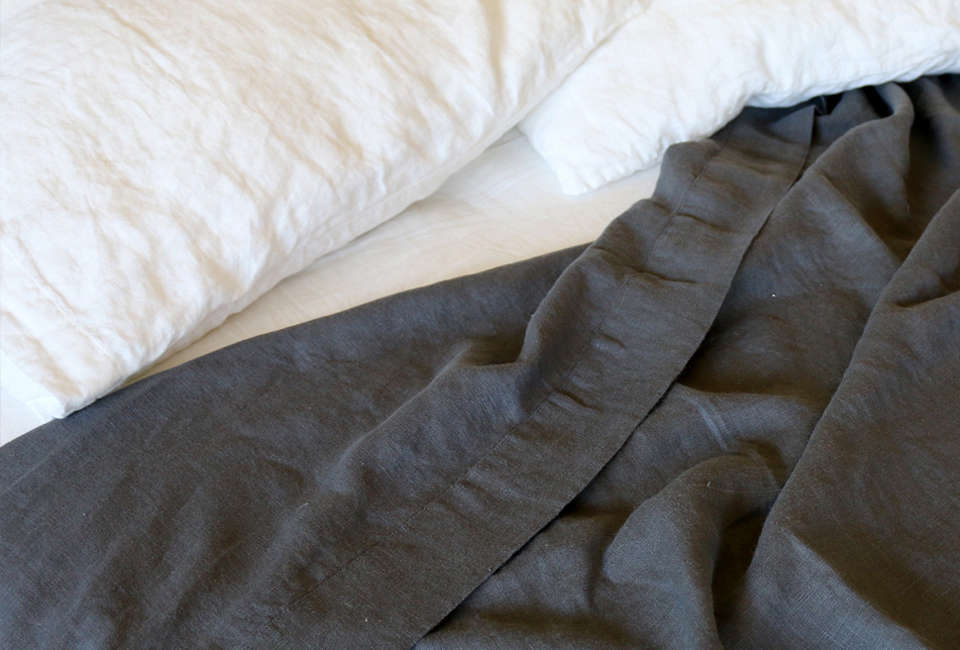
There are bedsheets, and then there are bedsheets that make your bedroom look like it quietly inherited a countryside estate and learned how to make perfect coffee. A Pure Belgian Linen Sheet Set belongs firmly in the second category. It is relaxed without being messy, luxurious without shouting about it, and breathable enough to make hot sleepers stop negotiating with the thermostat at 2 a.m.
Belgian linen has long been associated with premium bedding because of the region’s historic connection to flax cultivation and linen craftsmanship. Linen is made from the fibers of the flax plant, a natural material known for strength, airflow, and that unmistakable softly rumpled texture that interior designers describe as “effortless” and the rest of us describe as “finally, wrinkles that are fashionable.”
A pure Belgian linen sheet set is not just about looking pretty in a neutral-toned bedroom photo. It is about comfort, durability, temperature regulation, and long-term value. Whether you are upgrading from cotton, shopping for cooling sheets, or simply tired of bedding that feels like plastic pretending to be fabric, Belgian linen deserves a serious spot on your shortlist.
What Is a Pure Belgian Linen Sheet Set?
A Pure Belgian Linen Sheet Set typically refers to bedding made from 100% linen woven from flax associated with Belgium or the broader European flax-growing region. A standard set often includes a fitted sheet, a flat sheet, and two pillowcases, though some modern bedding brands offer sets without a top sheet for sleepers who prefer a duvet-only setup.
The word “pure” matters. It usually means the fabric is not blended with cotton, polyester, rayon, or other fibers. Pure linen has a distinct feel: crisp at first, textured in a natural way, and softer after repeated washing. Unlike some synthetic bedding that starts smooth and slowly loses its charm, linen tends to become more personal over time. It breaks in like a favorite shirt, except you get to sleep in it every night.
Why Belgian Linen Has Such a Good Reputation
Belgian linen’s reputation is tied to geography, tradition, and textile expertise. Flax grows well in the cool, damp climate of Western Europe. Belgium, France, and nearby regions have centuries of experience transforming flax into high-quality linen yarns and fabrics. This heritage has helped Belgian and European linen become shorthand for bedding that feels refined, natural, and built to last.
That does not mean every product with the word “Belgian” on the label is automatically superior. Smart shoppers should look for details such as 100% linen composition, transparent sourcing, OEKO-TEX certification, European flax references, weight or GSM information, and clear care instructions. In bedding, romance is lovely, but fabric facts are better.
The Feel: Crisp, Airy, and Casually Elegant
The first thing many people notice about pure Belgian linen sheets is texture. They do not feel slippery like sateen cotton or ultra-smooth like microfiber. Instead, linen has a tactile, organic surface. It may feel slightly crisp out of the package, especially if it has not been heavily pre-washed. After several washes, the fibers relax and the fabric becomes softer while keeping its airy structure.
This is one reason linen lovers become deeply loyal. The sheet set improves with use. It does not need to look perfect to look beautiful. In fact, the gentle wrinkles are part of the appeal. A neatly made bed with linen sheets has the kind of lived-in elegance that says, “I read hardcover books,” even if the last thing you read was a takeout menu.
Breathability and Temperature Regulation
One of the biggest reasons people buy a Belgian linen sheet set is breathability. Linen fibers are naturally airy and moisture-friendly, allowing heat and humidity to move away from the body more easily than many dense fabrics. This makes linen especially popular with hot sleepers, couples with different sleep temperatures, and anyone who lives in a warm or humid climate.
Pure linen is also surprisingly versatile. It feels cool and dry in summer, yet it can still feel cozy in cooler months when layered with a duvet, quilt, or blanket. That makes it a strong year-round bedding choice. Instead of buying separate summer and winter sheets, many households use linen all year and simply adjust the layers above it.
Durability: The Quiet Superpower of Linen
Linen is known for strength. Flax fibers are sturdy, and quality linen bedding can withstand years of regular use when properly cared for. While the upfront price of pure Belgian linen sheets can be higher than basic cotton or microfiber, the long-term value often makes sense. A well-made linen set can age gracefully instead of pilling, thinning, or looking tired after a few laundry cycles.
That said, durability depends on construction. Look for even stitching, strong seams, fully elasticized fitted sheets, and pillowcases with envelope closures or well-finished hems. A beautiful fabric still needs good tailoring. Otherwise, you are just buying expensive laundry with ambition.
Pure Linen vs. Linen Blends
Linen blends can be useful. Linen-cotton blends may feel smoother and cost less. Linen-rayon blends may drape softly. However, a pure linen sheet set offers the most authentic linen experience: natural texture, excellent airflow, long-term softening, and that relaxed European bedding look.
If you want sheets that feel crisp, breathable, and slightly textured, choose pure linen. If you want something smoother from the first night and are less concerned about traditional linen character, a blend may work. The key is reading the label carefully. Marketing language can be fluffier than a hotel pillow, so check the actual fiber content before buying.
What to Look for Before Buying
1. Fiber Content
Choose sheets labeled 100% linen if you want a true pure Belgian linen experience. If the product uses phrases like “linen feel” or “linen look,” keep reading. Those terms may indicate a blend or a synthetic fabric designed to imitate linen.
2. Origin and Certification
Look for references to Belgian flax, European flax, or respected linen certifications. OEKO-TEX STANDARD 100 certification is also useful because it indicates the textile has been tested for certain harmful substances. Certifications are not the only measure of quality, but they help separate serious bedding from mystery fabric with a fancy label.
3. Weight and Weave
Linen bedding is often measured by GSM, or grams per square meter. Lighter linen feels airier and better for hot sleepers. Medium-weight linen offers a balance of softness, structure, and durability. Heavier linen may feel more substantial and cozy, but it can be warmer.
4. Mattress Depth
Check the fitted sheet pocket depth. Many modern mattresses are thicker because of pillow tops, mattress toppers, or hybrid construction. A fitted sheet that pops off the corners at midnight is not bedding; it is a tiny domestic betrayal.
5. Color and Finish
Belgian linen sheets are commonly available in soft neutrals such as white, ivory, flax, oatmeal, gray, clay, sage, and muted blue. Stonewashed or garment-washed finishes usually feel softer from the start. Yarn-dyed linen may offer richer, longer-lasting color.
How to Style a Pure Belgian Linen Sheet Set
Pure Belgian linen works beautifully with both minimalist and layered bedroom styles. For a clean look, pair white or natural linen sheets with a matching duvet cover and two simple pillows. For a warmer, editorial look, mix tones: flax sheets, a clay duvet, ivory pillowcases, and a textured throw at the foot of the bed.
The best thing about linen is that it does not require military precision. In fact, it looks better when it is slightly relaxed. Smooth the fitted sheet, loosely fold the flat sheet, fluff the pillows, and let the natural texture do the decorating. Linen is the rare bedding that makes “I tried, but not too hard” look expensive.
Care Tips for Belgian Linen Sheets
Proper care helps linen last longer and feel better. Wash linen sheets before the first use to remove manufacturing residue and soften the fibers. Use a mild detergent, avoid bleach, and skip fabric softeners, which can coat fibers and reduce breathability. Wash with similar colors and avoid overloading the machine so the sheets have room to move.
Cool or warm water is usually best, depending on the care label. Tumble dry on low and remove the sheets while slightly damp to reduce deep wrinkles. Line drying is gentle and gives linen a fresh, crisp feel. If you like a smoother look, iron while the fabric is still slightly damp. If not, embrace the wrinkles. They are not flaws; they are linen’s personality arriving early to the party.
Common Myths About Linen Sheets
Myth 1: Linen Is Always Scratchy
Low-quality linen can feel rough, but good linen softens with washing and use. Stonewashed linen often feels comfortable from the first night, while traditional linen may need a short break-in period.
Myth 2: Linen Is Only for Summer
Linen is excellent in summer, but it is not a one-season fabric. Its breathable structure helps regulate comfort year-round, especially when layered properly.
Myth 3: Wrinkles Mean Poor Quality
Wrinkles are normal for linen. In fact, the relaxed look is part of why people love it. If you want glass-smooth sheets, cotton sateen may be more your style. If you want effortless texture, linen wins.
Myth 4: Thread Count Is Everything
Thread count is less important for linen than it is for cotton. Linen fibers are thicker, so high thread count is not the main quality signal. Fiber quality, weave, weight, finishing, and construction matter more.
Who Should Buy Pure Belgian Linen Sheets?
A pure Belgian linen sheet set is a great choice for hot sleepers, design lovers, eco-conscious shoppers, and anyone who wants bedding that gets better with age. It is also ideal for people who prefer a natural, breathable fabric over synthetic alternatives.
It may not be the best choice for someone who wants perfectly smooth, wrinkle-free sheets straight from the dryer. Linen has texture. Linen has character. Linen sometimes looks like it spent the afternoon relaxing in a sunlit farmhouse, which honestly sounds like a lifestyle upgrade.
Price: Is Belgian Linen Worth It?
Pure Belgian linen sheets usually cost more than basic cotton or microfiber sets. The higher price reflects flax sourcing, linen production, weaving, finishing, and often smaller-scale or more responsible manufacturing practices. While the initial investment can feel significant, many buyers consider linen worth it because of its durability, comfort, and timeless style.
Think of linen sheets as a long-term bedding upgrade rather than a quick decor purchase. You use sheets every night. That means even a premium set can offer strong cost-per-use value over time. A trendy lamp may sit in the corner looking mysterious; your sheets are doing actual work for eight hours a night.
Real-Life Experience: Sleeping on a Pure Belgian Linen Sheet Set
The first night on pure Belgian linen can feel different if you are used to cotton percale, sateen, or microfiber. The fabric has more texture and a drier hand-feel. Instead of sliding across the bed, you settle into it. There is a gentle crispness, almost like freshly aired laundry, but without the stiff hotel-sheet sensation that makes you wonder if the bed has rules.
After the first wash, the change becomes noticeable. The sheet relaxes. The pillowcases feel less formal. The fitted sheet hugs the mattress more naturally. By the third or fourth wash, the set begins to feel like it belongs specifically to your bedroom. That is one of linen’s quiet pleasures: it personalizes itself through use.
For hot sleepers, the experience can be especially satisfying. Linen does not trap warmth in the same clingy way some synthetic fabrics do. On humid nights, the sheets feel breathable and less sticky. You may still need a fan or air conditioning if your room is truly warm, but linen helps create a drier, fresher sleep surface. It is not magic, but it is the kind of practical comfort that feels magical at 1:17 a.m.
Couples often appreciate linen because it suits different preferences. One person can sleep under just the top sheet while the other adds a quilt or duvet. The base layer remains breathable, so the bed does not turn into a climate argument with pillows. Linen also has a casual look that disguises everyday life better than ultra-smooth sheets. A few wrinkles, a folded corner, a pillow slightly out of linelinen forgives all of it.
There is also a sensory ritual to linen bedding. Making the bed feels less like staging a showroom and more like arranging a calm place to land. The fabric has weight without heaviness. It rustles softly but not loudly. The colors, especially natural flax, ivory, stone, and muted earth tones, bring warmth to the room without demanding attention.
Guests tend to notice linen too. A bed dressed in Belgian linen looks inviting before anyone touches it. It suggests comfort, quality, and a relaxed sense of taste. You do not need twenty decorative pillows, a complicated bed scarf, or a degree in boutique hotel styling. The sheet set does most of the visual work on its own.
The biggest adjustment is accepting wrinkles. If you remove linen sheets from the dryer and expect them to behave like pressed cotton, you may feel personally challenged. But once you stop fighting the texture, the bed looks better. The relaxed surface adds depth. The wrinkles become part of the design, not evidence of defeat.
Over months of use, pure Belgian linen can become the bedding you reach for first after laundry day. It feels familiar, breathable, and quietly luxurious. It does not scream “premium.” It whispers it, probably in a tasteful accent, while making your old sheets look like they have some explaining to do.
Conclusion
A Pure Belgian Linen Sheet Set is more than a pretty bedding upgrade. It is a practical luxury built around breathability, natural texture, long-term softness, and relaxed elegance. It works for hot sleepers, design-focused homeowners, and anyone who wants sheets that feel better with time instead of wearing out their welcome.
The best Belgian linen sheets combine pure flax linen, thoughtful construction, trustworthy certifications, proper sizing, and clear care instructions. They may wrinkle, they may cost more upfront, and they may take a few washes to reach peak softness, but that is part of their charm. Linen is not trying to be perfect. It is trying to be comfortable, durable, beautiful, and refreshingly real.
Note: This article is fully rewritten in original American English and synthesized from current bedding, textile, linen care, and home product information without inserting source links.