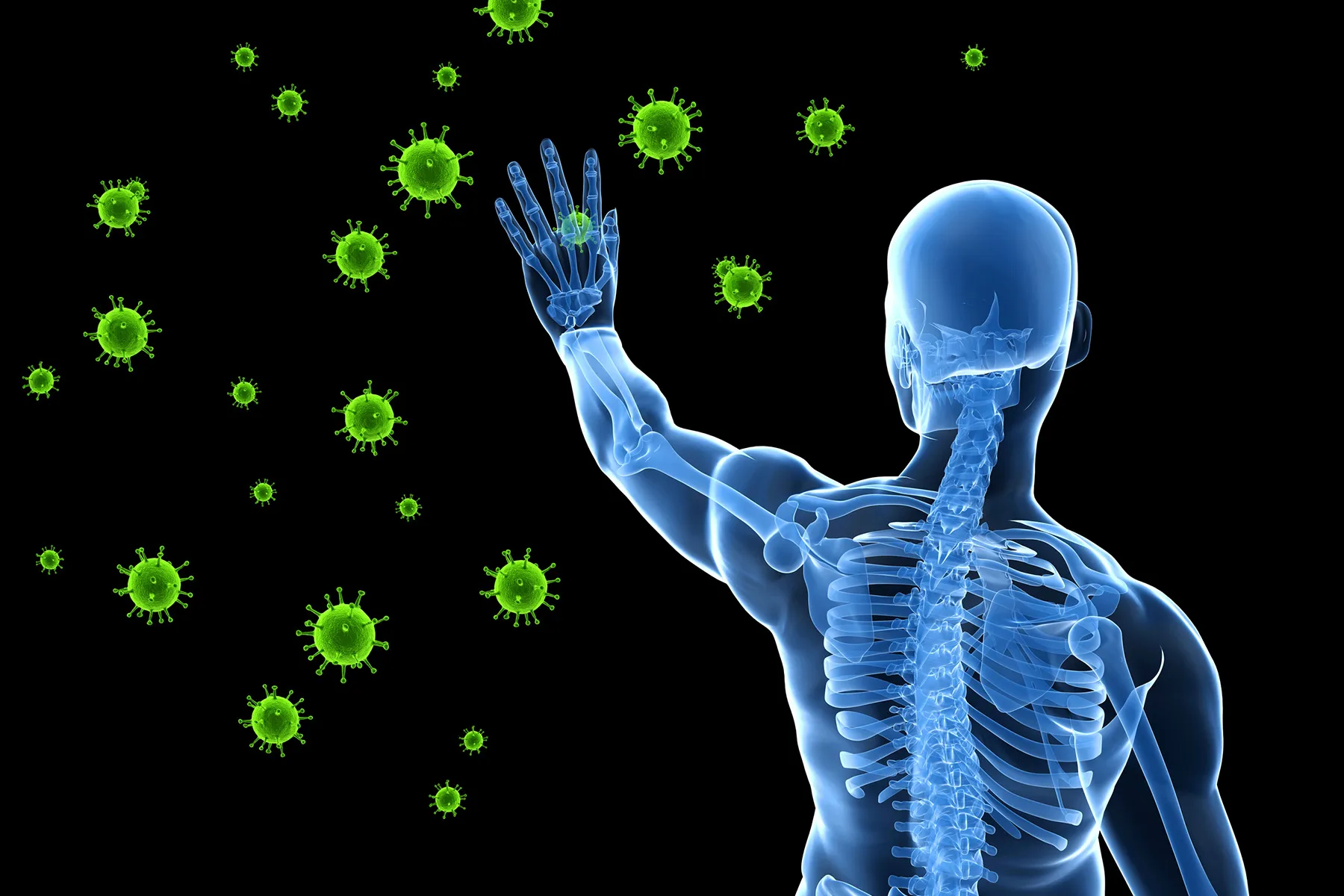
If you feel like you’ve collected more infections than souvenirs in the last few years, your immune system might be trying to tell you something.
For some people, frequent or unusually severe infections aren’t “bad luck” or “just having kids in daycare”they’re a clue to a hidden problem called
primary immunodeficiency disease (PIDD).
In this guide, we’ll break down what primary immunodeficiency diseases are, why they happen, how to recognize the warning signs, and what modern medicine
can do to treat them. We’ll keep the science accurate but the tone humanbecause real people are living with PIDD every day, not just lab mice.
What Are Primary Immunodeficiency Diseases?
Primary immunodeficiency diseases (also called primary immune deficiency, primary immunodeficiency disorders, or inborn errors of immunity)
are a large group of genetic conditions in which part of the immune system is missing, weak, or doesn’t work the way it should. Instead of having a strong
defense army against germs, people with PIDD may have too few soldiers, poorly trained soldiers, or broken communication lines.
Experts now recognize more than 500 distinct types of primary immunodeficiency. Some are very rare and show up in infancy, like
severe combined immunodeficiency (SCID), sometimes called “bubble boy disease.” Others are milder and may not be diagnosed until adolescence or adulthood,
such as common variable immunodeficiency (CVID).
The key point: PIDD is not caused by lifestyle or a weak personality. It’s usually written into a person’s genes from birth. Many people
with PIDD live full, active livesbut they often need specialized care and early diagnosis to prevent serious complications.
How a Healthy Immune System Normally Works
To understand primary immunodeficiency, it helps to know the basics of a healthy immune system. Think of your immunity as a multi-layered security system:
- Physical barriers (skin, mucous membranes) keep many germs out.
- Innate immunity reacts quickly and non-specificallycells like neutrophils and macrophages are the first responders.
- Adaptive immunity is more specializedB cells make antibodies, and T cells coordinate attacks and kill infected cells.
- Complement proteins act like molecular land mines, helping destroy bacteria and signaling other immune cells.
When any of these layers is missing or faulty, infections can become more frequent, more severe, harder to treat, or unusually complicated. That’s the
hallmark of primary immunodeficiency.
Causes: Why Do Primary Immunodeficiency Diseases Happen?
Most primary immunodeficiency diseases are caused by genetic mutations. A change in one or more genes involved in immune development or
function can prevent immune cells from forming correctly or doing their jobs.
Common patterns include:
-
X-linked inheritance: The faulty gene is on the X chromosome. Because males have only one X chromosome, they’re often more severely affected.
Classic examples include X-linked agammaglobulinemia and certain forms of SCID. - Autosomal recessive inheritance: A person inherits two faulty copies of a geneone from each parent. Parents are often healthy carriers.
-
Autosomal dominant inheritance: A single faulty copy of a gene is enough to cause disease. Some newer, more recently recognized inborn errors
of immunity fall into this group.
Not everyone with PIDD has a clear family history. New (“de novo”) mutations can appear for the first time in a child, even if their parents are unaffected.
In some milder forms, a person might be labeled “just sick a lot” for years before the genetic cause is finally discovered.
Types and Classification of Primary Immunodeficiency
With hundreds of distinct conditions, doctors use classification systems to make sense of them. A simple, patient-friendly way to group
primary immune deficiency disorders is by which part of the immune system is most affected:
-
Antibody (B-cell) deficiencies: The body doesn’t make enough effective antibodies. Examples: X-linked agammaglobulinemia,
common variable immunodeficiency (CVID), selective IgA deficiency. -
Combined immunodeficiencies: Both T cells and B cells are involved. SCID is the most famous example; others include various
syndromic combined immunodeficiencies. - Phagocytic defects: Neutrophils or other phagocytes don’t work properly. Example: chronic granulomatous disease (CGD).
- Complement deficiencies: Missing or defective complement proteins make it harder to fight off certain bacteria, especially those causing meningitis.
-
Immune dysregulation and autoinflammatory disorders: The system is not only weak against infection but also misfires, leading to autoimmune
diseases, severe inflammation, or both.
For you as a patient or caregiver, the important takeaway is that not all PIDDs look the same. Some mainly cause infections, others cause
autoimmune issues (like low platelets or thyroid problems), and some do both.
Symptoms and Warning Signs of Primary Immunodeficiency
Everyone gets sick sometimes. Having a couple of colds every winter doesn’t mean you have a primary immunodeficiency. The red flags are
infections that are unusually frequent, severe, long-lasting, or complicated.
Classic warning signs doctors often look for include patterns like:
- Two or more new ear infections in a year.
- Two or more serious sinus infections in a year, without allergies.
- One pneumonia per year for more than one year.
- Chronic diarrhea with weight loss or failure to grow in children.
- Recurrent viral infections (such as frequent severe colds, herpes, warts).
- Need for intravenous (IV) antibiotics to clear infections.
- Recurrent deep skin or organ abscesses.
- Persistent thrush (yeast infection) in the mouth or on the skin after age one.
- Infections with “opportunistic” organisms that rarely make healthy people seriously ill.
- A known family history of primary immunodeficiency.
Other signs can include enlarged lymph nodes or spleen, autoimmune problems (like low blood counts), chronic cough, or
unusual rashes. Some people notice they’re always the one who gets sicker than everyone else from the same bugand takes longer to recover.
If this list sounds uncomfortably familiar, it doesn’t prove you have PIDD, but it does mean you should talk with a healthcare professional,
ideally an immunologist, about evaluation.
How Primary Immunodeficiency Is Diagnosed
Diagnosing primary immunodeficiency can feel like detective work. It usually starts with a careful medical history:
- How often you get infections and how severe they are.
- Which body systems are involved (sinuses, lungs, skin, gut, etc.).
- Which germs have been found on cultures.
- How you respond to standard antibiotics.
- Family history of frequent or unusual infections, early deaths, or known immune disorders.
From there, doctors may order tests such as:
- Basic bloodwork: Complete blood count (CBC) to look at white blood cell numbers and types.
- Immunoglobulin levels: Measuring IgG, IgA, IgM, and sometimes IgE to see whether antibody levels are low or abnormal.
- Vaccine response tests: Checking how your immune system responds to certain vaccines (for example, tetanus or pneumococcal vaccines).
- Lymphocyte subset counts: Measuring different T-cell, B-cell, and NK-cell populations.
- Specialized functional tests: For phagocyte function, complement activity, and more.
- Genetic testing: Increasingly used to pinpoint the exact gene mutation, guide treatment, and inform family counseling.
In many countries, newborn screening for SCID is now part of routine testing. This allows doctors to detect some severe forms of PIDD
before symptoms even appear, which can be life-saving.
Treatment Options for Primary Immunodeficiency
The good news: while primary immunodeficiency diseases can’t always be “cured,” modern treatments can dramatically reduce infections,
improve quality of life, and in some cases fully restore immune function.
1. Immunoglobulin (Antibody) Replacement Therapy
For many antibody deficiencies, the mainstay of treatment is immunoglobulin replacement therapy. This involves giving concentrated
antibodies, collected and purified from donated human plasma, to provide the protection the body can’t make on its own.
- IVIG (intravenous immunoglobulin): Infused into a vein every 3–4 weeks in a clinic or sometimes at home.
- SCIG (subcutaneous immunoglobulin): Given under the skin weekly or biweekly, often allowing more independence and stable levels.
When dosed correctly, immunoglobulin therapy can slash the frequency of serious infections and help keep people out of the hospital.
It’s not a quick “shot and done” fixmore like a long-term partnership with a very helpful bottle.
2. Antibiotic and Antifungal Strategies
Many people with PIDD use prophylactic (preventive) antibiotics or antifungals to reduce the risk of recurrent infections.
They may also need longer or higher-dose courses when an infection does occur.
Because overuse of antibiotics can cause resistance and side effects, the goal is not “take antibiotics forever” but rather “use the right medicine,
at the right time, for the right reason”guided by an experienced clinician.
3. Stem Cell, Bone Marrow, and Thymus Transplantation
For severe forms of primary immunodeficiency, especially combined immunodeficiencies like SCID,
hematopoietic stem cell transplantation (HSCT) can offer a potential cure. In this procedure, healthy stem cells from a donor
(often a matched sibling or unrelated donor) are used to rebuild the recipient’s immune system.
In some specific conditions, thymus transplantation or enzyme replacement therapy may be used to replace a missing
piece of the immune puzzle.
4. Gene Therapy: Fixing the Problem at Its Source
In recent years, gene therapy has moved from science fiction into real treatment for certain PIDDs. This approach involves correcting
or replacing the defective gene in a patient’s own stem cells, then returning those cells to the body.
Gene therapy is currently available only for select conditions and in specialized centers, but ongoing research suggests more options may be on the way.
For families facing severe PIDD, this progress represents real hope.
5. Managing Autoimmunity and Inflammation
Some primary immunodeficiency diseases don’t just cause infectionsthey also lead to autoimmune diseases (where the immune system attacks
healthy tissues) or uncontrolled inflammation.
In these cases, treatment may also include:
- Immunosuppressive medications or biologics to control autoimmune damage.
- Careful monitoring of blood counts, organ function, and inflammation markers.
- Coordinated care between immunologists, rheumatologists, hematologists, and other specialists.
Living with Primary Immunodeficiency: Daily Life and Coping
A primary immunodeficiency diagnosis changes thingsbut it doesn’t cancel your life. Many people with PIDD go to school, work, travel,
and pursue hobbies like anyone else, with some extra planning.
Everyday Practical Strategies
- Good hand hygiene: Not glamorous, but incredibly effective.
- Vaccination (where appropriate): Non-live vaccines are often recommended, but always follow your specialist’s advice.
- Avoiding obvious exposures: Crowded places during major outbreaks, close contact with people who are actively sick, etc.
- Dental care: Healthy gums and teeth lower the risk of infections spreading from the mouth.
- Healthy lifestyle basics: Adequate sleep, balanced nutrition, and stress management support your body’s resilience.
Emotional Well-Being and Support
Chronic illness can be emotionally heavy. People with PIDD often describe feelings of frustration (“Why am I sick again?”), fear about serious infections,
or guilt about missing school or work.
Support can come from:
- Patient organizations and online communities focused on primary immunodeficiency.
- Counselors or therapists familiar with chronic health conditions.
- Family meetings with healthcare providers to help everyone understand the diagnosis and plan.
Mental health counts as much as physical health. Asking for emotional support is not weaknessit’s smart self-care.
When to See a Doctor (Or Go to the ER)
You should talk with a healthcare professional if you or your child:
- Have recurrent infections that fit several warning signs mentioned above.
- Need frequent or prolonged antibiotics, especially IV antibiotics.
- Have infections that are unusually severe or caused by unusual organisms.
- Have a family history of primary immunodeficiency or early deaths from infections.
Seek urgent or emergency care right away if you notice:
- Difficulty breathing, chest pain, or severe shortness of breath.
- High fever that isn’t improving or keeps returning after treatment.
- Confusion, severe headache, stiff neck, or other signs of possible meningitis.
- Signs of sepsis, such as rapid heartbeat, low blood pressure, or feeling very ill very quickly.
Remember: this article is for education, not for self-diagnosis. Your healthcare team is your best resource for personalized guidance.
Real-Life Experiences and Practical Lessons from Living with PIDD
To make all this more real, let’s look at common experiences shared by many people living with primary immunodeficiencyand what they’ve learned along the way.
These are composite examples, not specific individuals, but they reflect patterns seen in patient stories and support groups.
The Long Road to Diagnosis
Many adults with PIDD describe their early years as being “the sick kid” or “the one who always misses school.” Anna, for example, spent her twenties battling
sinus infections, bronchitis, and pneumonia. Every winter she was on antibiotics, and every spring she was told she just had “bad sinuses” and should
try another nasal spray.
It wasn’t until a new primary care doctor asked, “How many times have you had pneumonia?” and counted more than three episodes that someone finally considered
a primary immune problem. A referral to an immunologist, some blood tests, and eventually genetic testing confirmed a form of antibody deficiency.
Starting immunoglobulin replacement therapy was a turning pointher infections decreased dramatically, and she could finally plan holidays without also
planning for antibiotics.
The lesson from stories like Anna’s: if your infection history doesn’t feel normal, it’s okay to say, “I’m worried there’s something more going on.”
Sometimes that simple sentence is what opens the door to appropriate testing.
Learning to Listen to Your Body
People with PIDD often become very good at reading early signals. Jason, a teenager with chronic granulomatous disease, learned that a subtle ache in his side
or a low-grade fever could be the earliest sign of a serious infection. Instead of waiting it out, he and his family had a clear plan: call the clinic, get labs
checked, and start treatment if needed.
This kind of body awareness isn’t about anxiety; it’s about partnership with your medical team. Knowing your own “normal,” tracking symptoms, and acting early
can prevent mild issues from turning into major hospital stays.
Building a Team (Not Just a Single Doctor)
Successful long-term management of primary immunodeficiency usually involves a care team, not just a single clinician. That team may include:
- An immunologist to guide diagnosis and immune-specific treatments.
- A primary care provider who coordinates routine care and vaccinations.
- Specialists such as pulmonologists, gastroenterologists, or rheumatologists, depending on complications.
- Pharmacists who understand PIDD medications and interactions.
- Nurses or infusion specialists who make IVIG or SCIG treatment safer and more comfortable.
Patients and parents often say their lives changed when they felt “heard” and supported by a team that understood primary immunodeficiency and didn’t dismiss
their concerns as exaggeration.
Navigating School, Work, and Social Life
Children and adults with PIDD can absolutely attend school, college, and workbut they may need accommodations. That might mean:
- Permission to wear a mask or sit near an open window during respiratory virus season.
- Flexibility with attendance policies during infections or medical appointments.
- A private space for subcutaneous immunoglobulin infusions if done during school or work hours.
- Clear communication with school nurses or HR departments about specific needs.
Many patients say that explaining their condition once (with a simple handout or letter from their immunologist) helps avoid awkwardness later.
Most people are surprisingly supportive when they realize they can help keep you well by staying home when they’re sick and respecting your boundaries.
The Emotional Journey: From Fear to Confidence
At diagnosis, it’s completely normal to feel scared, overwhelmed, or even angry. There may be grief for the “healthy” life you thought you would have
or guilt about potential genetic risks to children. Over time, many people move toward a more confident, informed approach.
Support groups and patient organizations can be powerful here. Hearing someone say, “I’ve been on IVIG for 15 years, and I still travel, work, and raise kids,”
carries a different weight than any pamphlet. It shows that PIDD is part of your storybut it doesn’t have to be the whole story.
Practical Takeaways from Lived Experience
Across many patient experiences, a few themes keep showing up:
- Keep records: Track infections, medications, and hospitalizations. Patterns matter.
- Ask questions: “What is this test for?” “What are my options?” “What side effects should I watch for?”
- Plan ahead: Have a written action plan for fevers, travel, and vaccinations.
- Protect your energy: Fatigue is real. Rest is therapeutic, not lazy.
- Celebrate small wins: A winter with fewer infections, a year without hospitalization, or successfully managing a trip is worth recognizing.
Living with a primary immunodeficiency can be challenging, but with accurate diagnosis, appropriate treatment, and the right support network,
many people shift from a life centered on crisis management to one focused on possibilities and plans.
Conclusion
Primary immunodeficiency diseases are complex but increasingly well-understood conditions. They arise from genetic changes that weaken
the immune system, leading to recurrent or unusual infections, autoimmune issues, and other complications. Recognizing the warning signs and getting an
expert evaluation can mean earlier diagnosis, better treatment, and a much lower risk of serious illness.
Today’s treatment toolboximmunoglobulin replacement, targeted antibiotics, stem cell transplantation, enzyme replacement, and even gene therapyoffers
real hope. Equally important are the everyday strategies, emotional support, and lived wisdom that help people with PIDD create full, meaningful lives.
If your infection history doesn’t feel “normal,” trust your instincts and talk with a healthcare professional. Your immune system may be asking for backup
and the sooner you answer that call, the better your long-term health is likely to be.