Buying a hand-knotted rug can feel like walking into a beautiful museum where every piece whispers, “I am special,” while your wallet quietly asks, “Are we in danger?” The truth is that the price of a hand-knotted rug is not random. It is shaped by material, size, knot density, craftsmanship, origin, age, condition, design complexity, and sometimes pure collector magic.
A hand-knotted rug is not just a floor covering. It is a slow-made textile built knot by knot on a loom, usually from wool, silk, cotton, or a blend of natural fibers. Unlike machine-made rugs, which can be produced quickly, a true hand-knotted rug may take months or even years to complete. That labor is one of the biggest reasons these rugs cost more than tufted, printed, or machine-woven alternatives.
So, what is a fair hand-knotted rug price? For the U.S. market, a small wool hand-knotted rug may start in the low hundreds, while a quality 8×10 wool rug commonly lands in the several-thousand-dollar range. Fine silk, rare Persian, antique, or collectible rugs can climb far higher. Some museum-level carpets have sold for millions, which is the rug world’s way of saying, “Yes, this floor art has a better investment portfolio than most of us.”
What Is a Hand-Knotted Rug?
A hand-knotted rug is made by tying individual knots around warp threads on a loom. Each knot forms part of the rug’s pattern and pile. After rows of knots are tied, the maker trims and finishes the surface to create the design. This method is different from hand-tufting, where yarn is pushed through a backing with a tool, then secured with glue and a fabric backing.
The difference matters because hand-knotted rugs are generally more durable, repairable, and valuable. A well-made wool hand-knotted rug can last for decades with proper care. Antique examples that survived generations are proof that these pieces are not delicate little divas, even if silk rugs do prefer a gentler lifestyle.
Average Price of a Hand-Knotted Rug
The price of a hand-knotted rug depends heavily on size and quality. A 2×3 accent rug may cost a few hundred dollars. A 4×6 rug can range from about $700 to $3,000 or more. A 6×9 wool rug may range from roughly $1,500 to $6,000, while a well-made 8×10 hand-knotted rug often runs from $2,500 to $10,000 or higher. Premium wool-and-silk rugs, fine Persian carpets, antique tribal pieces, and collectible designs can exceed $15,000, $50,000, or much more.
These ranges are not fixed rules. A new wool rug from a major retailer may cost less than a vintage Persian rug of the same size. A simple geometric design may cost less than an intricate floral medallion. A rug with beautiful natural dyes, fine wool, and exceptional weaving may cost more than a larger rug made with average materials.
Why Are Hand-Knotted Rugs Expensive?
1. They Require Serious Human Labor
The biggest cost driver is time. Every knot is tied by hand. A small rug may require thousands of knots, while a large room-size rug may contain hundreds of thousands or even millions. That means a skilled weaver may spend months creating a single piece.
This is why a hand-knotted rug cannot fairly be compared with a machine-made rug from a big-box store. One is a fast-produced product. The other is a handmade textile that carries the skill, rhythm, and patience of the person who created it. It is basically slow food for your floor.
2. Material Changes Everything
Wool is the most common material for quality hand-knotted rugs because it is durable, resilient, naturally soil-resistant, and comfortable underfoot. High-quality wool usually increases the price, especially when it has a soft hand, strong fiber, and natural sheen.
Silk costs more than wool and is often used in very fine rugs or as highlights in wool rugs. A pure silk hand-knotted rug can be extremely detailed and luminous, but it is usually better suited for low-traffic rooms, formal spaces, or wall display. Cotton is often used for the foundation because it provides stability, though cotton pile rugs are less common in high-end hand-knotted categories.
3. Knot Density Affects Detail and Value
Knot density, often described as knots per square inch, can influence price because it affects how detailed the design can be. Higher knot counts usually require more labor and allow sharper curves, finer outlines, and more complex motifs.
However, knot count is not the whole story. A dense rug made with poor wool is not automatically better than a lower-density rug with beautiful wool, strong color, and excellent balance. Think of knot count like megapixels in a camera. Helpful? Yes. The only thing that matters? Absolutely not.
4. Size Has a Huge Impact
Bigger rugs cost more because they require more material and more time. An 8×10 rug is not simply “a little bigger” than a 5×8 rug; it has twice the surface area. That means many more knots, more wool or silk, more labor, and more finishing work.
This is why rug pricing can jump quickly as you move from accent size to living-room size. If you are shopping for a dining room, bedroom, or open living space, measure carefully before falling in love. A rug that is too small is cheaper, but it can make the room look awkward, like furniture wearing pants that shrank in the dryer.
Origin, Style, and Provenance
Origin can play a major role in the price of a hand-knotted rug. Persian rugs from regions such as Tabriz, Kashan, Isfahan, Heriz, Nain, and Qom are often prized for their design history and craftsmanship. Turkish, Caucasian, Moroccan, Afghan, Indian, Pakistani, Nepalese, and Tibetan rugs also have strong traditions and market demand.
Provenance matters more for antique and collectible rugs. A documented origin, known workshop, rare pattern, or strong auction history can increase value. For everyday buyers, provenance is useful because it helps confirm authenticity and quality. For collectors, it can become a major part of the price.
New, Vintage, or Antique: Which Costs More?
New hand-knotted rugs are often priced according to material, size, labor, brand, and design. Vintage rugs, usually several decades old, may cost more or less depending on condition, style, and demand. Antique rugs, often around 80 to 100 years old or more, can be very valuable when they are rare, beautiful, well-preserved, and culturally significant.
Age alone does not guarantee high value. An old rug with heavy damage, weak dyes, poor repairs, or an unpopular design may be worth less than a newer rug in excellent condition. On the other hand, a rare antique Persian carpet with exceptional color, craftsmanship, and provenance can become a serious collector item.
Condition: The Quiet Price Maker
Condition can make or break the value of a hand-knotted rug. Buyers should look for even pile, secure edges, intact fringe, stable color, and no unpleasant odor. Minor wear can add charm to vintage rugs, but major tears, brittle foundation, color bleeding, moth damage, dry rot, or bad repairs should lower the price.
Good restoration can protect value, especially when handled by a skilled rug professional. Poor restoration can hurt value because mismatched colors, thick patches, and sloppy repairs distract from the original craftsmanship. When buying an expensive rug, it is wise to ask about repairs and inspect the back as carefully as the front.
How to Tell If a Hand-Knotted Rug Is Worth the Price
Check the Back
Flip the rug over. A true hand-knotted rug usually shows the pattern clearly on the back. You should be able to see individual knots and some natural irregularity. If the back is covered with fabric or latex, the rug may be hand-tufted rather than hand-knotted.
Look at the Fringe
In many hand-knotted rugs, the fringe is part of the foundation, not sewn on as decoration. If the fringe appears glued or stitched to the edge, ask questions. It does not always mean the rug is bad, but it may not be the handmade piece you thought you were buying.
Feel the Material
Good wool feels lively, not flat or plastic-like. Silk should feel smooth and cool, with a gentle sheen that changes as light moves across it. Be careful with “art silk” or viscose, which can look shiny but does not have the same durability or value as real silk.
Ask for Details
A trustworthy seller should be able to explain the rug’s material, construction, origin, size, age, condition, and care needs. If the description is vague, the price should be treated with caution. “Imported rug, very nice, trust me bro” is not a certificate of authenticity.
Best Rooms for Hand-Knotted Rugs
Wool hand-knotted rugs work well in living rooms, bedrooms, dining rooms, offices, and entry areas. For high-traffic spaces, choose a low-to-medium pile wool rug with a sturdy weave and a quality rug pad. For formal rooms, a silk or wool-and-silk rug can add elegance, but it should be protected from heavy wear, direct sunlight, and enthusiastic snack attacks.
In dining rooms, choose a rug large enough for chairs to remain on the rug when pulled out. In bedrooms, an 8×10 or 9×12 rug often works well under a queen or king bed. In living rooms, the rug should connect the seating area, ideally allowing at least the front legs of sofas and chairs to rest on it.
Care Tips That Protect Your Investment
Proper care helps preserve both beauty and value. Vacuum regularly using suction or a gentle setting, especially for wool rugs. Avoid aggressive beater bars on delicate pieces. Rotate the rug every few months so sunlight and foot traffic wear evenly. Use a rug pad to prevent slipping, reduce friction, and extend the rug’s life.
Blot spills immediately with a clean white cloth. Do not scrub, because scrubbing can push stains deeper and distort fibers. Avoid harsh chemicals, bleach, and random internet cleaning potions that promise miracles but deliver regret. For silk, antique, or valuable hand-knotted rugs, professional cleaning is usually the safest choice.
Is a Hand-Knotted Rug a Good Investment?
A hand-knotted rug can be a smart long-term purchase, but it should not be treated like a guaranteed stock market replacement. The best reason to buy one is that you love it, will use it, and appreciate the craft. Some antique or rare rugs increase in value, but many rugs are better understood as durable, beautiful home investments rather than financial assets.
Compared with cheaper rugs that may need replacing every few years, a quality hand-knotted wool rug can offer better long-term value. It can be cleaned, repaired, moved from room to room, and passed down. That is hard to say about a thin printed rug that curls at the corners like it is trying to leave the house.
How to Shop Smart for a Hand-Knotted Rug
Start with your room size, budget, and lifestyle. If you have pets, kids, or heavy traffic, wool is usually a practical choice. If you want a showpiece for a formal room, consider wool-and-silk or silk. Compare prices across reputable retailers, vintage dealers, and rug specialists. Ask for return policies, cleaning guidance, and detailed photos if buying online.
Do not buy only by discount percentage. A rug marked “70% off” may still be overpriced if the original price was inflated. Instead, compare similar rugs by size, material, construction, and design quality. A fair price should make sense when you look at the whole picture.
Real Buying Experiences: What People Learn After Shopping for Hand-Knotted Rug Prices
The first experience many buyers have is sticker shock. Someone walks into a showroom thinking they need “just a rug,” then discovers that a hand-knotted 8×10 wool piece can cost as much as a used car. At first, that feels absurd. Then the salesperson flips the rug over, explains the knots, shows the wool quality, discusses the weaving region, and suddenly the price begins to look less mysterious. Not painless, perhaps, but understandable.
A common experience is learning that size changes everything. A buyer may budget for a 5×8 rug, only to realize the room needs an 8×10 or 9×12 to look balanced. The smaller rug technically saves money, but it can make the sofa, chairs, and coffee table look disconnected. Many homeowners eventually choose to spend more on the correct size because it makes the entire room feel finished.
Another real-world lesson is that wool often wins. Silk looks gorgeous in photos and showrooms, but families with pets, kids, and constant foot traffic often discover that wool is the friendlier everyday option. It handles use better, hides minor dirt, and feels warm without asking everyone to tiptoe like they are guarding a royal artifact.
Vintage shopping also teaches patience. One shopper may find a charming Persian-style rug with faded colors and slight wear at a fair price, while another may fall for a rug that looks perfect online but arrives with odor, stains, or uneven repairs. The best buyers ask for close-up photos, back-side images, condition notes, and return options. In rug shopping, curiosity is cheaper than regret.
Budget-conscious buyers often learn to start small. A hand-knotted runner, entry rug, or 3×5 accent piece can introduce the quality of handmade rugs without committing to a large room-size purchase. Over time, many people upgrade one space at a time. That approach feels less like financial skydiving and more like building a home with intention.
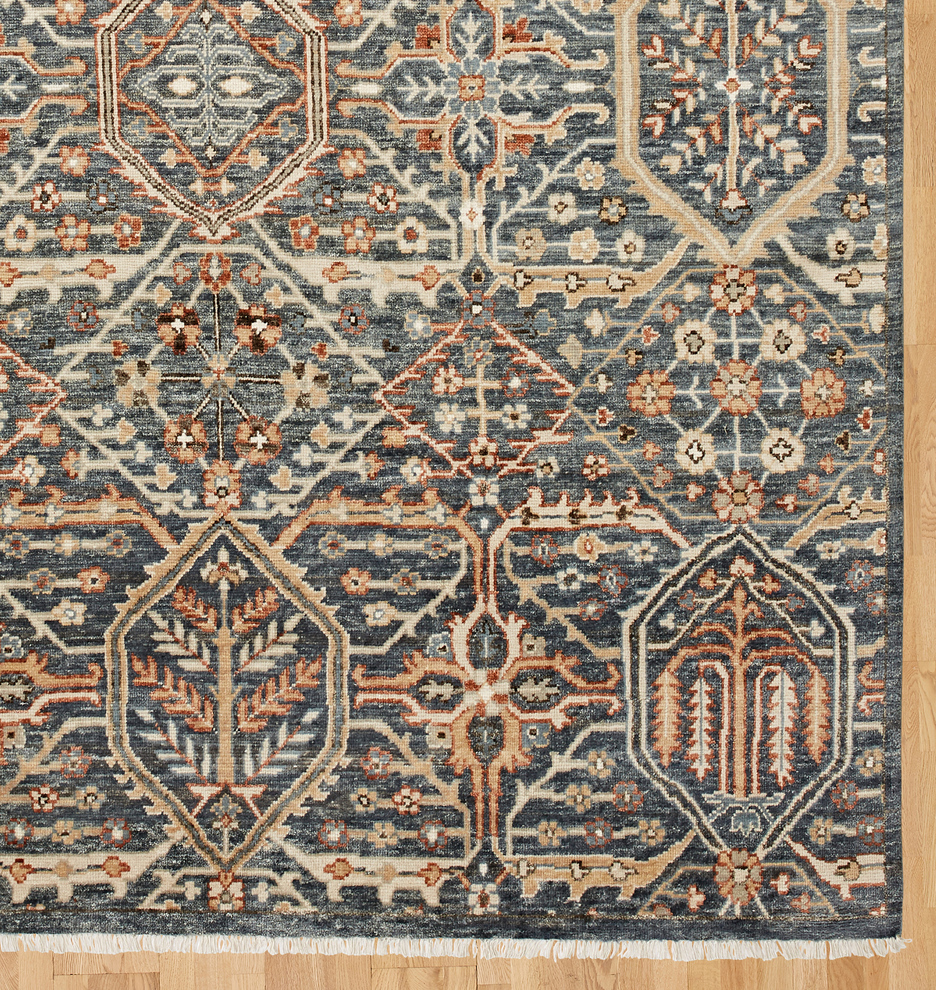
Interior designers often recommend choosing the rug early because it can guide the entire room. A hand-knotted rug may contain subtle shades of rust, blue, ivory, olive, gold, or charcoal that can inspire pillows, curtains, art, and upholstery. Buyers who start with the rug often find decorating easier because the color palette is already woven into the floor.
The final experience is emotional. Many people buy a hand-knotted rug for practical reasons, then become attached to it. It becomes the place where kids play board games, dogs nap, friends gather, and coffee tables collect magazines nobody admits they have not read. A good rug does not just cover a floor. It collects daily life. That is why the right price is not only about numbers. It is about value, longevity, beauty, and whether the rug makes the room feel like home.
Conclusion
The price of a hand-knotted rug reflects more than size alone. It includes labor, material, knot density, origin, condition, age, design, and long-term durability. A cheap rug may solve a short-term decorating problem, but a well-chosen hand-knotted rug can serve your home for decades.
Before buying, inspect the construction, compare similar pieces, ask questions, and match the rug to your lifestyle. The best hand-knotted rug is not always the most expensive one. It is the one that balances quality, beauty, authenticity, and practical use. When that balance is right, the price feels less like a splurge and more like a decision your future living room will thank you for.
Note: This article was written from current real-world rug pricing, buying, valuation, design, and care information, synthesized into original publish-ready content without source placeholders.