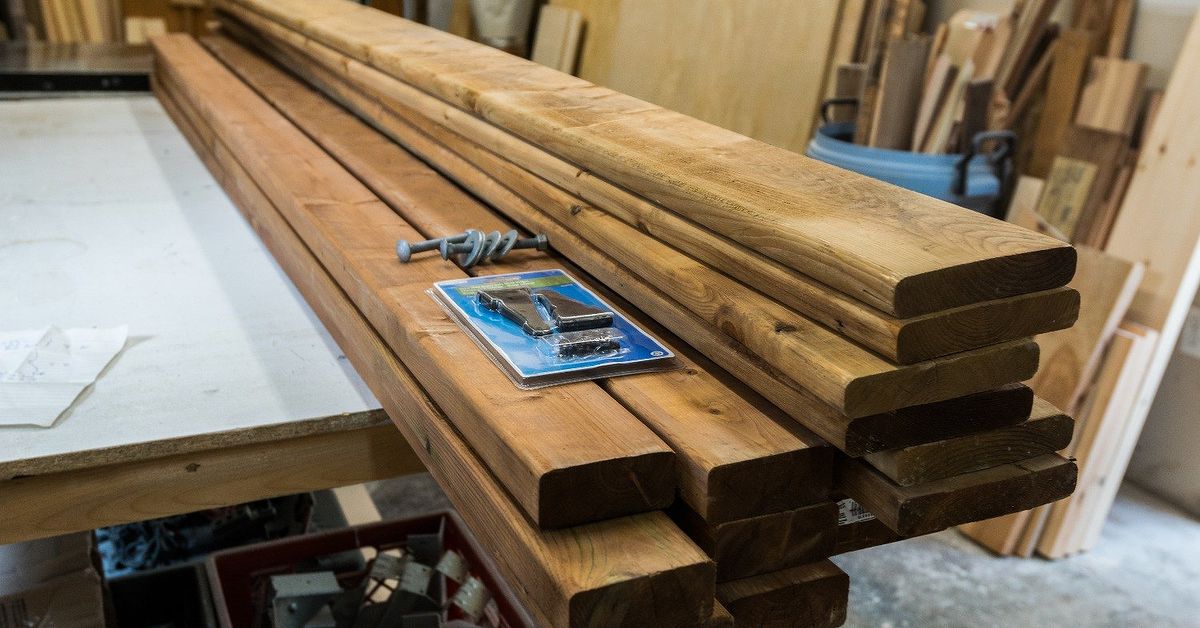
A pressure treated lounger sounds like something a backyard hero invents after staring at an empty patio and saying, “I could buy one… or I could build one that survives rain, sprinklers, muddy dog paws, and Uncle Dave sitting down too aggressively.” And honestly, that is the charm. A pressure treated wood lounger is practical, sturdy, budget-friendly, and built for outdoor life. It may not arrive with the glamorous attitude of teak or the resort-ready shine of powder-coated aluminum, but it brings something better: muscle.
Whether you are shopping for a wooden chaise lounge, planning a DIY patio lounger, or wondering if pressure treated lumber is a smart material for outdoor furniture, this guide walks through what matters: durability, safety, comfort, design, maintenance, finishing, and real-life usability. A good outdoor lounger should invite you to stretch out with iced tea, a book, and the kind of confidence that says, “This chair will not fold like a cheap beach umbrella.”
What Is a Pressure Treated Lounger?
A pressure treated lounger is an outdoor reclining chair or chaise lounge made with lumber that has been treated under pressure with preservatives to resist decay, fungi, termites, and moisture damage. The pressure treatment process forces protective chemicals deep into the wood fibers, making the lumber more suitable for decks, garden structures, patio furniture, and other outdoor projects exposed to weather.
Most pressure treated lumber sold for residential use today is treated with modern preservatives rather than older arsenic-based formulations once common decades ago. Still, the key is to choose lumber labeled for the correct use. For a lounger that will sit on a deck, patio, or porch, above-ground exterior-rated lumber may be acceptable. If the legs or frame will touch soil, damp grass, or mulch, ground-contact-rated lumber is the smarter choice.
Why Choose Pressure Treated Wood for a Lounger?
Outdoor furniture lives a hard life. Sun bakes it. Rain soaks it. Wind throws leaves into every crevice. Children climb on it like it is playground equipment. A pressure treated lounger is designed for that kind of reality.
1. It Handles Outdoor Conditions Well
Pressure treated wood resists rot and insect damage better than untreated pine or standard framing lumber. That matters because loungers often sit close to wet surfaces, pool decks, lawns, and shaded patios where moisture hangs around like an uninvited guest who brought mildew.
2. It Is Usually More Affordable Than Premium Woods
Teak, cedar, redwood, and ipe are beautiful outdoor woods, but they can make your wallet quietly leave the room. Pressure treated pine is widely available at U.S. home improvement stores and typically costs less, which makes it appealing for DIY builders and homeowners furnishing a patio on a reasonable budget.
3. It Is Strong and Easy to Build With
Pressure treated lumber is available in familiar dimensions such as 2x4s, 2x6s, and deck boards. That makes it convenient for building a chaise lounge frame, adjustable backrest, armrests, slatted seat, or matching side table. If you can measure twice, cut once, and apologize to your sawdust-covered garage later, you can work with it.
4. It Can Be Customized
A store-bought lounger comes in whatever size the manufacturer decided was “standard,” which is often code for “almost comfortable.” A DIY pressure treated lounger can be built wider, longer, lower, taller, or more reclined based on your space and body type. Add wheels, cup holders, a cushion platform, a pull-out side tray, or a back angle that supports actual relaxation instead of accidental ab workouts.
Is Pressure Treated Wood Safe for Outdoor Furniture?
Modern pressure treated wood is commonly used for exterior residential projects such as decks, benches, picnic tables, fences, and garden structures. For a pressure treated lounger, the most important safety steps are simple: buy lumber intended for residential outdoor use, follow the end-tag instructions, avoid burning scraps, wear a dust mask when cutting or sanding, and seal or finish surfaces that will touch skin frequently.
Because a lounger is a high-contact piece of furniture, sanding and sealing matter. Nobody wants to recline on splinters, chemical residue, or rough green boards that feel like they were designed by a committee of porcupines. Let the lumber dry properly, smooth the surfaces, round sharp edges, and apply an exterior stain or sealer once the wood is ready to accept finish.
Pressure Treated Lounger vs. Other Outdoor Lounger Materials
Choosing a patio lounger is partly about style and partly about accepting your local climate. Here is how pressure treated wood compares with other popular options.
Pressure Treated Wood
Best for: budget-friendly DIY projects, rustic patios, decks, cabins, garden seating, and homeowners who want sturdy outdoor furniture.
Pros: affordable, strong, weather-resistant, easy to customize, widely available.
Cons: can be heavy, may need drying time before finishing, requires sanding and maintenance, not as naturally elegant as teak.
Teak or Cedar
Best for: premium outdoor furniture with natural beauty.
Pros: attractive, naturally decay-resistant, lighter than many treated builds.
Cons: higher cost, still needs care, may weather to gray unless maintained.
Plastic or Resin
Best for: poolside convenience and low maintenance.
Pros: lightweight, easy to rinse, often stackable, no staining needed.
Cons: may fade, crack, flex, or look less natural over time.
Metal
Best for: modern patios and lightweight frames.
Pros: sleek, strong, often paired with mesh or cushions.
Cons: can get hot in direct sun, may rust if coatings fail, can feel less warm than wood.
Design Features That Make a Great Pressure Treated Lounger
A lounger is not just a long chair. It is a relationship between your spine, the sun, and your willingness to get up only when absolutely necessary. Good design makes the difference between “luxury patio retreat” and “wooden plank with ambition.”
Adjustable Backrest
An adjustable backrest is one of the most useful features. Multiple reclining positions let you sit upright for reading, lean back for conversation, or go nearly flat for the sacred outdoor nap. Use sturdy support notches, a hinged back frame, and corrosion-resistant hardware.
Comfortable Seat Length
A chaise lounge should support most of the body. For adults, many loungers fall around 72 to 80 inches long, though DIY builders can adjust based on height and space. A wider design also gives room for cushions, towels, and the occasional pet who believes all furniture is legally theirs.
Rounded Edges
Pressure treated boards can have sharp corners. Rounding edges with a router or sanding block improves comfort and reduces splinter risk. This is especially important around armrests, seat slats, and the front edge where legs rest.
Slatted Construction
Slats allow rainwater to drain and air to circulate. This helps the lounger dry faster after storms or pool splashes. Leave consistent gaps between boards, but avoid spacing so wide that cushions sag or bare legs feel like they are being grilled.
Wheels or Skids
Pressure treated loungers can be heavy. Adding outdoor-rated wheels makes it easier to chase shade, avoid sprinklers, or reposition the lounger when someone realizes the sun moved and now their left arm is medium rare.
How to Choose Lumber for a Pressure Treated Lounger
Look for straight boards with minimal twisting, large knots, or splits. Pressure treated lumber often arrives damp, so inspect it carefully. If boards are badly warped at the store, they are not likely to become polite and cooperative once you bring them home.
Check the Treatment Label
The end tag tells you the intended use category, preservative type, and whether the wood is rated for above-ground or ground-contact use. For patio furniture, above-ground treated lumber is usually used when the lounger sits on a dry deck or hard surface. Choose ground-contact lumber if the legs may touch soil, damp grass, or areas with poor drainage.
Use the Right Fasteners
Pressure treated wood can be corrosive to ordinary fasteners. Use hot-dipped galvanized, stainless steel, or coated exterior screws and bolts approved for treated lumber. Cheap interior screws may save a few dollars today and then rust like they were emotionally betrayed by the weather.
Let the Wood Dry Before Finishing
New pressure treated lumber can contain significant moisture. Paint, stain, or sealer may fail if applied too early. A common practical test is to sprinkle a few drops of water on the surface. If the water beads up, the wood may still be too wet. If it absorbs, the surface is closer to ready for finishing.
Finishing a Pressure Treated Lounger
Finishing improves appearance, comfort, and long-term performance. While pressure treatment protects against biological decay, stain and sealer help reduce surface cracking, fading, raised grain, and moisture cycling.
Sanding
Once the wood is dry, sand all touch surfaces. Start with medium grit and finish with a smoother grit suitable for outdoor furniture. Do not over-sand so aggressively that you polish the wood closed; the finish still needs to penetrate.
Staining
Semi-transparent exterior stain is a popular choice because it adds color while allowing some grain to show. Lighter stains reflect heat better in sunny areas, while darker stains can hide imperfections on older wood. For a lounger, avoid finishes that become sticky or overly glossy in heat.
Sealing
A water-repellent exterior sealer helps protect the surface from moisture. Pay special attention to end grain, cut ends, screw holes, and joints. These areas absorb water more readily and are often where damage starts.
Painting
Paint can create a clean, colorful look, but it requires patience. Pressure treated wood must be dry enough for primer and paint to adhere. Use an exterior primer and exterior paint designed for wood. If you paint too soon, peeling may arrive faster than your next barbecue invitation.
Maintenance Tips for a Pressure Treated Lounger
A pressure treated lounger does not need pampering, but it does appreciate basic care. Think of maintenance as sunscreen for furniture. You can skip it, but the results will eventually become obvious.
Clean It Seasonally
Wash the lounger with mild soap and water. Use a soft brush or sponge to remove pollen, dirt, sunscreen smudges, and mysterious outdoor grime. Avoid harsh cleaners that can damage wood fibers or finishes.
Inspect Hardware
At least once or twice a year, check bolts, hinges, screws, wheels, and adjustable back supports. Tighten loose hardware and replace rusted parts with treated-wood-compatible fasteners.
Refresh the Finish
Depending on climate, sun exposure, and product type, stain or sealer may need refreshing every one to three years. If water no longer beads or the surface looks dry and faded, it is probably time.
Store or Cover During Harsh Weather
A breathable outdoor furniture cover can extend the life of the finish. If possible, tilt the lounger or store it under cover during long wet seasons so water does not sit on flat surfaces.
Best Places to Use a Pressure Treated Lounger
A pressure treated wood lounger works well in many outdoor settings. It fits naturally on decks, patios, screened porches, pool areas, garden corners, fire pit zones, and lakeside cabins. Its slightly rustic personality makes it especially good for casual outdoor spaces where durability matters more than delicate design.
For a poolside area, add a weather-resistant cushion or sling-style pad that dries quickly. For a garden, pair the lounger with a small pressure treated side table. For a deck, stain it to coordinate with railings or planter boxes. For a cabin, leave the look simple and rugged, because cabin furniture should look like it can handle both coffee and chaos.
Buying vs. Building a Pressure Treated Lounger
If you buy a pressure treated lounger, look for strong joinery, smooth finishing, outdoor-rated fasteners, comfortable proportions, and a finish that suits your climate. Check weight capacity, dimensions, reclining positions, and whether cushions are included.
If you build one, the biggest advantages are customization and cost control. You can choose thicker lumber, better screws, wider armrests, a custom stain color, or a design that perfectly fits your patio. The tradeoff is time. You need tools, patience, and the emotional strength to discover that one board is somehow straight in the store and shaped like a potato chip at home.
Common Mistakes to Avoid
Using the Wrong Lumber Rating
Do not use above-ground-only treated wood where the lounger will sit directly on soil or damp grass. Match the lumber rating to the actual exposure.
Finishing Too Soon
Fresh pressure treated wood may need weeks or months to dry enough for stain or paint. Rushing the finish can lead to poor absorption, peeling, or blotchy color.
Skipping Sanding
This is furniture, not a fence post. Sand the surfaces people will touch. Your elbows, knees, and swimsuit fabric will all thank you.
Using Indoor Hardware
Interior screws are not made for treated lumber and weather exposure. Use exterior-rated hardware compatible with pressure treated wood.
Ignoring Comfort
A lounger can be structurally impressive and still feel like a medieval stretching device. Test the seat height, back angle, width, and cushion thickness before calling the project finished.
Experience Notes: Living With a Pressure Treated Lounger
The first thing people usually notice about a pressure treated lounger is its weight. This is not flimsy furniture that trembles when a breeze walks by. Once positioned on the patio, it feels planted. That sturdiness is a big part of its appeal, especially in windy yards or busy family spaces. The downside is that moving it without wheels can become a small gym session. If you build one yourself, add wheels at one end. Your future self will send a thank-you card.
Comfort depends heavily on the finishing details. A pressure treated lounger with rough slats and square edges may look fine from across the yard, but the moment someone sits down in shorts, the truth comes out. Sanding is not optional. Rounding the front edge of the seat, smoothing armrests, and checking every screw head make the difference between “custom outdoor furniture” and “public park bench with a grudge.” A thick outdoor cushion can improve comfort, but the wood surface underneath should still be smooth and safe.
In daily use, a pressure treated lounger is wonderfully unfussy. It can handle wet towels, dirty feet, spilled lemonade, and the occasional bird with poor manners. After rain, slatted designs dry faster than solid platforms. In humid climates, it helps to keep the lounger where air can circulate underneath. If it sits directly on damp ground, even treated wood has a harder life. Patio blocks, deck boards, or small furniture feet can help lift the frame away from constant moisture.
The appearance changes over time. Unfinished pressure treated wood may fade, gray, or develop surface checking as it weathers. Some people like that rustic look. Others prefer a warm cedar-tone stain or a modern charcoal finish. From experience, semi-transparent stain often gives the best balance: it improves color while still letting the wood look like wood. Solid stains hide more imperfections but can require more prep when it is time to refinish.
One practical lesson is to keep cushions separate when the lounger is not in use. Even if the wood can handle weather, cushions can trap moisture against the surface and encourage mildew. Store cushions in a deck box or bring them inside during long rainy stretches. The lounger itself can stay outdoors, but it performs better when water is not held against it for days.
Another experience-based tip: build or buy a matching side table. A lounger without a place for a drink, phone, sunglasses, or snack is only half a relaxation system. A small pressure treated table made from leftover lumber can complete the setup and make the whole patio feel intentional. Add a planter nearby, an outdoor rug, and a shade umbrella, and suddenly your backyard has upgraded from “place where the hose lives” to “weekend retreat.”
Overall, a pressure treated lounger is best for people who want durable outdoor comfort without paying luxury furniture prices. It rewards a little care, handles real backyard life, and can be customized to fit almost any space. It may not be the fanciest lounger at the party, but it is the one still standing after sun, rain, pets, kids, and several summers of serious lounging. That counts for a lot.
Conclusion
A pressure treated lounger is a smart choice for homeowners who want strong, affordable, weather-resistant outdoor furniture with a natural wood look. It is especially appealing for DIY patio projects because pressure treated lumber is easy to find, easy to work with, and durable enough for outdoor exposure when used correctly. The secret is not simply buying treated boards and hoping for the best. Choose the right lumber rating, use compatible fasteners, let the wood dry before finishing, sand every touch surface, and maintain the stain or sealer over time.
With thoughtful design, a pressure treated wood lounger can be comfortable, attractive, and long-lasting. Add an adjustable backrest, smooth edges, quality cushions, and proper drainage, and you have a backyard seat that invites slow mornings, lazy afternoons, and dramatic declarations like, “I am not getting up unless there is pie.” For patios, decks, gardens, and casual outdoor spaces, the pressure treated lounger earns its place as a hardworking classic.