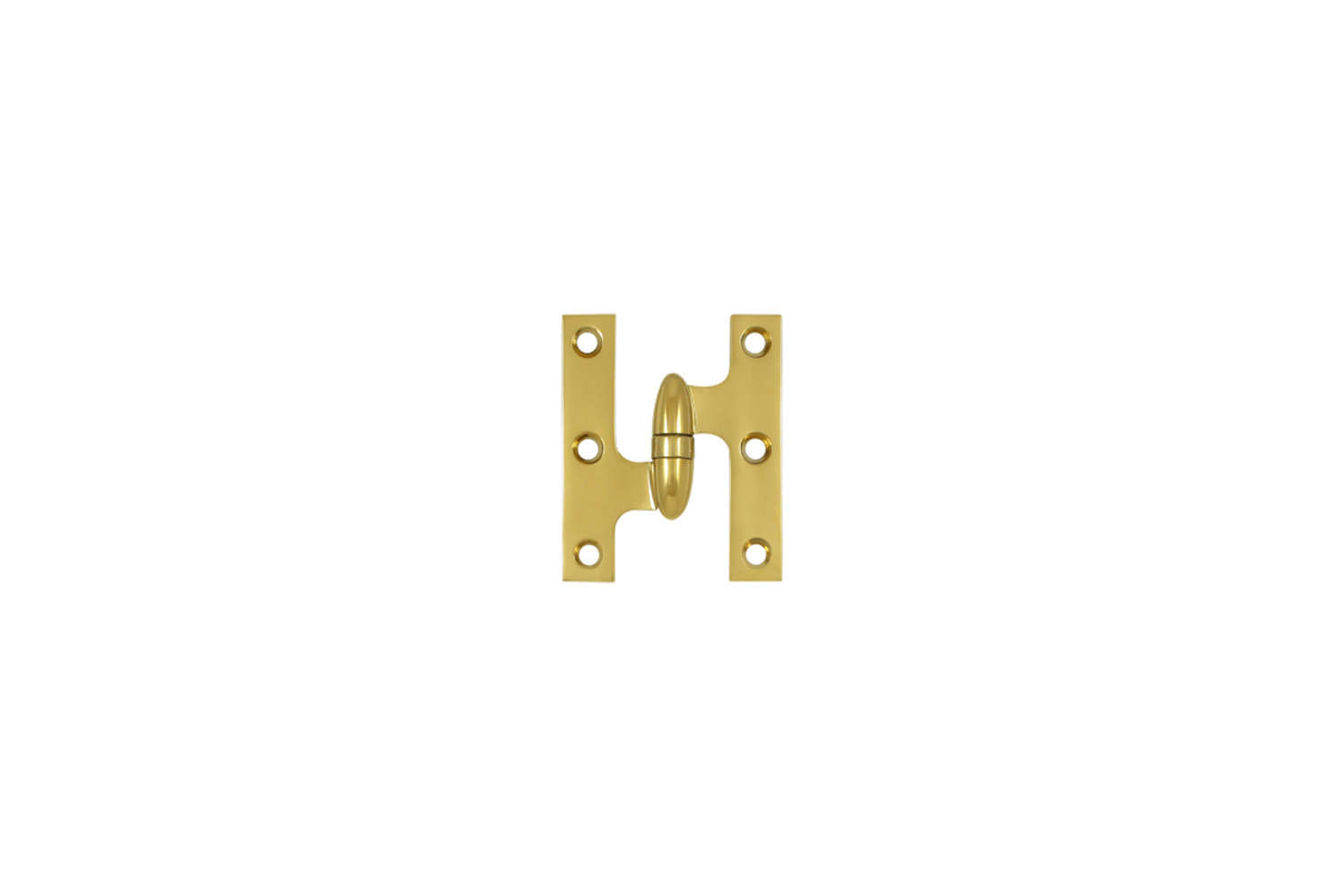
Cabinet hinges are usually the quiet background actors of a kitchen, pantry, built-in, or fine furniture piece. They open, close, hold weight, and rarely get applause. But premium olive knuckle cabinet hinges are different. These handsome little pieces of hardware step into the spotlight with the confidence of a brass button on a tailored jacket. They are functional, yes, but they are also decorative, architectural, and surprisingly capable of changing the entire personality of a cabinet door.
If you have ever admired a flush inset cabinet where the door opens with a smooth, deliberate swing and the hinge looks more like jewelry than machinery, there is a good chance you were looking at an olive knuckle hinge. Its rounded, elongated central barrel resembles an olive, which explains the name. Thankfully, it performs better than an actual olive would on a cabinet door. Please do not test that.
Premium olive knuckle cabinet hinges are especially popular in traditional kitchens, custom cabinetry, luxury closets, bath vanities, butler’s pantries, library built-ins, and heirloom-style furniture. They are often made from solid brass, offered in finishes such as polished brass, unlacquered brass, antique brass, satin nickel, polished nickel, oil-rubbed bronze, and chrome, and designed for full-inset doors where precision matters. In short, they are for people who believe the small details should not look like an afterthought.
What Are Olive Knuckle Cabinet Hinges?
An olive knuckle cabinet hinge is a specialty exposed hinge with a distinctive two-knuckle or rounded barrel design. Unlike a standard butt hinge, which usually has a simple straight barrel with several interlocking knuckles, the olive knuckle hinge has a more sculptural profile. When the cabinet door is closed, the decorative knuckle remains visible along the edge of the door, creating a refined accent.
Most premium olive knuckle hinges are used on inset cabinet doors. An inset door sits inside the cabinet opening and remains flush with the face frame or cabinet front. This style requires careful alignment because there is very little room for error. The reveal around the door must be even, the hinge mortises must be crisp, and the door must swing without scraping the frame. That is where quality hardware makes a major difference.
Many premium versions are made from solid brass rather than plated steel or lightweight alloy. Solid brass is prized because it resists corrosion, machines cleanly, accepts a wide range of finishes, and has a satisfying weight. Some high-end models also use stainless steel pins, brass bushings, or ball-bearing assemblies to improve durability and motion. The result is a hinge that does not merely “hold the door on.” It contributes to the cabinet’s feel, appearance, and long-term performance.
Why Choose Premium Olive Knuckle Hinges?
The first reason is visual impact. Olive knuckle hinges have an elegant shape that works beautifully with classic cabinet styles. They look right at home on Shaker inset cabinetry, Georgian-inspired furniture, traditional library doors, vintage-style bathroom vanities, and high-end custom kitchens. If concealed European hinges are the minimalist sneakers of cabinet hardware, olive knuckle hinges are polished leather loafers.
The second reason is serviceability. Many olive knuckle hinges allow easy lift-off door removal when properly installed and specified. That means a cabinet door can be removed for finishing, cleaning, adjustment, or repair without disassembling half the cabinet. For professional cabinetmakers and finishers, this can be a practical advantage. For homeowners, it can make maintenance less dramatic than a weekend plumbing project.
The third reason is craftsmanship. Premium hinges tend to have tighter tolerances, smoother movement, better finishing, and more accurate machining. On inexpensive hinges, small inconsistencies can become visible as uneven gaps, doors that sag, or hardware that feels gritty when opened. On an inset cabinet door, even a tiny misalignment can look like the cabinet is raising one eyebrow at you. Better hinges help reduce that risk.
Where Premium Olive Knuckle Cabinet Hinges Work Best
Inset Kitchen Cabinets
Inset kitchen cabinets are one of the most common places to use olive knuckle hinges. Because the door sits flush inside the cabinet frame, exposed hinges become a design feature rather than a hidden mechanical necessity. A warm brass hinge on painted cabinetry can create a timeless, furniture-like effect. On stained wood, darker finishes such as oil-rubbed bronze or antique brass can feel rich and understated.
Built-In Bookcases and Libraries
Library cabinets and built-ins benefit from details that feel permanent and architectural. Olive knuckle hinges add a traditional accent without becoming fussy. They pair especially well with glass cabinet doors, paneled doors, and lower storage cabinets beneath shelving. The hinge becomes part of the room’s rhythm, like a small punctuation mark in brass or nickel.
Bathroom Vanities and Linen Cabinets
Bathrooms often contain smaller cabinets where details are seen up close. Premium hinges can elevate a vanity from “builder basic” to “custom millwork moment.” Solid brass is also a smart choice in humid spaces because of its corrosion resistance, especially when the finish is suitable for the environment and properly maintained.
Fine Furniture and Custom Pieces
Olive knuckle hinges are excellent for armoires, sideboards, hutches, secretary desks, and bespoke storage pieces. They give furniture a handcrafted appearance and can support the design language of antique-inspired or historically influenced work. When selected carefully, they look intentional rather than decorative for decoration’s sake.
Key Features to Look For
Solid Brass Construction
Solid brass is one of the strongest signs of a premium hinge. It feels substantial in the hand, resists rust, and can be finished beautifully. Brass also ages gracefully, especially in unlacquered finishes that develop a natural patina over time. If you like hardware that tells a story instead of staying factory-perfect forever, unlacquered brass may become your new favorite tiny obsession.
Handed Design
Many olive knuckle cabinet hinges are handed, meaning you must specify left-hand or right-hand orientation when ordering. This detail matters. A left-hand hinge and a right-hand hinge are not always interchangeable. Before buying, confirm how the door swings and which side the hinges will mount on. Ordering the wrong hand is a classic “measure twice, sigh once” situation.
Correct Size
Common cabinet sizes include compact options around 2 inches by 1 1/2 inches, 2 1/2 inches by 2 inches, and larger 3-inch sizes for more substantial cabinet or furniture doors. Smaller hinges generally suit light cabinet doors, while heavier or taller doors may require larger hinges or more hinges per door. Door thickness, height, weight, and expected use should all guide the final selection.
Quality Pins, Bushings, or Bearings
Premium olive knuckle hinges may include stainless steel pins, brass bushings, or ball-bearing mechanisms. These details improve motion and reduce wear. A cabinet door that opens dozens of times a day needs more than a pretty face. It needs hardware that can handle real life, including rushed breakfasts, snack raids, and that one family member who never closes anything gently.
Finish Options
Finish selection is where function meets mood. Polished brass feels classic and formal. Unlacquered brass develops patina and warmth. Satin brass offers a softer contemporary-traditional balance. Polished nickel looks crisp and luxurious. Satin nickel is practical and versatile. Oil-rubbed bronze adds depth and contrast. The best finish should coordinate with cabinet knobs, pulls, faucets, lighting, and the overall room palette.
Olive Knuckle Hinges vs. Standard Butt Hinges
Standard butt hinges are reliable, common, and often more affordable. They are available in many sizes and can be used in a wide variety of cabinetry and furniture projects. However, they usually have a plainer barrel and a more utilitarian appearance. Olive knuckle hinges perform a similar basic function but add a more decorative silhouette.
For a simple shop cabinet, a standard butt hinge may be perfectly adequate. For a custom inset pantry cabinet with hand-painted doors and unlacquered brass hardware, an olive knuckle hinge can make the finished project look more complete. The difference is not only about opening and closing. It is about whether the hinge supports the visual story of the cabinet.
That said, olive knuckle hinges are not the right choice for every cabinet. They are visible, require accurate installation, and may cost significantly more than basic hinges. They are best used when the exposed hinge is part of the design plan. If you want a completely hidden modern look, concealed European hinges may be a better fit.
How to Choose the Right Premium Olive Knuckle Cabinet Hinges
Start With the Door Style
First, confirm whether your cabinet doors are inset, partial overlay, or full overlay. Olive knuckle hinges are most commonly associated with inset applications. If your doors overlay the cabinet frame, you may need a different hinge style or a specialized solution. Matching hinge type to door type is not optional; it is the hardware version of wearing shoes on the correct feet.
Measure Door Thickness and Weight
Door thickness affects screw length, hinge size, and installation method. A thin cabinet door may not have enough material for larger screws or deep mortises. A thick, heavy hardwood door may need a larger hinge or three hinges instead of two. When in doubt, use manufacturer specifications or consult a cabinet hardware professional.
Match the Finish Thoughtfully
For a unified look, coordinate hinge finish with cabinet pulls and knobs. However, exact matching is not always necessary. A polished nickel hinge with polished nickel knobs is crisp and formal, while aged brass hinges with black knobs can look layered and collected. The goal is harmony, not a hardware police lineup.
Check the Swing and Clearance
Cabinet doors need enough clearance to open without rubbing nearby doors, trim, walls, or appliance panels. Some hinge styles offer wider throw than others, but cabinet-sized olive knuckle hinges are generally intended for lighter doors and fine furniture applications rather than large architectural doors. Always check swing requirements before ordering.
Order Carefully
Because many premium olive knuckle hinges are sold individually or by the pair depending on the supplier, read product details closely. Confirm quantity, handing, screws, finish, dimensions, and whether templates are available. Nothing slows a cabinet project like discovering that “one hinge” meant exactly one hinge, not one pair. Hardware descriptions are not the place to freestyle.
Installation Tips for a Clean Result
Installing olive knuckle cabinet hinges requires patience and precision. The mortises should be neat, the hinge leaves should sit flush, and the reveal around the door should remain consistent. For painted cabinetry, test-fitting before final finishing is highly recommended. It is much easier to adjust raw or primed material than to repair a perfect paint job after a chisel has had an emotional moment.
Use a sharp marking knife, quality chisel, router plane, or hinge template where appropriate. Pre-drill screw holes to reduce the risk of splitting the wood. Brass screws can be softer than steel screws, so many installers first drive a matching steel screw to cut the threads, then install the brass screw for the final fit. This small step can prevent stripped screw heads and colorful language.
During installation, hang the door temporarily and test the swing before committing to final adjustments. Check the top, bottom, and side reveals. If the door binds, inspect whether the mortise is too shallow, the hinge leaf is not seated evenly, or the door itself is slightly out of square. Inset cabinet work rewards patience. It does not reward rushing, unless the reward you wanted was sanding.
Maintenance and Care
Premium hinges require little maintenance when installed correctly, but they do appreciate occasional attention. Keep them clean with a soft cloth. Avoid harsh abrasive cleaners, especially on living finishes such as unlacquered brass. If the hinge develops squeaking, use a small amount of appropriate lubricant, applied carefully so it does not stain surrounding wood or paint.
Over time, check screws for tightness. Cabinet doors move, wood expands and contracts, and daily use can loosen hardware. A quick tightening can prevent sagging and misalignment. If screw holes become worn, they can often be repaired with wood glue and hardwood toothpicks or dowels before reinstalling the screw. It is a humble fix, but it works surprisingly well.
Design Ideas for Premium Olive Knuckle Cabinet Hinges
For a classic white kitchen, polished nickel or unlacquered brass olive knuckle hinges can create a tailored, high-end look. Pair them with matching knobs and a bridge faucet for a traditional design that feels intentional rather than old-fashioned.
For moody cabinetry in navy, charcoal, forest green, or deep oxblood, antique brass or oil-rubbed bronze hinges add warmth and depth. The contrast can make even a simple Shaker door feel custom. Add marble counters, warm wood accents, or glass-front uppers, and suddenly the kitchen looks like it has a family estate somewhere. Even if the “estate” is currently a very busy laundry room.
For natural wood cabinets, satin brass or dark bronze can complement the grain without overpowering it. On walnut, bronze hinges look grounded and subtle. On oak, brass can add brightness and a heritage feel. On painted built-ins, matching the hinge to nearby lighting or door hardware helps connect the room visually.
Common Mistakes to Avoid
One common mistake is choosing olive knuckle hinges only because they look beautiful, without checking whether they suit the cabinet construction. Hardware must work before it can be admired. Another mistake is ordering the wrong hand. Since many models are handed, left and right orientation should be confirmed before checkout.
A third mistake is mixing premium hinges with poor installation. Even the finest solid brass hinge cannot rescue a crooked mortise or an uneven door gap. Premium hardware deserves premium preparation. Finally, avoid assuming all finishes age the same way. Lacquered brass, unlacquered brass, living bronze, plated nickel, and chrome each behave differently. Choose the finish based on both appearance and maintenance expectations.
Are Premium Olive Knuckle Cabinet Hinges Worth It?
For basic utility cabinets, probably not. For a garage storage wall or a budget rental refresh, standard hinges may be more practical. But for custom inset cabinetry, historic renovations, luxury furniture, and design-forward rooms, premium olive knuckle cabinet hinges can be absolutely worth it.
They offer a rare combination of beauty, function, and craftsmanship. They are small, but they influence how a cabinet feels every time it opens. They can support a traditional design language, elevate a simple door, and signal that the project was planned down to the details. In a world full of hidden hardware, olive knuckle hinges proudly say, “Yes, I am visible, and yes, I dressed for the occasion.”
Real-World Experiences With Premium Olive Knuckle Cabinet Hinges
One of the most common experiences people have with premium olive knuckle cabinet hinges is surprise. At first, the hinge seems like a small detail, the kind of thing you select after choosing cabinet color, countertop material, lighting, flooring, backsplash, and seventeen different shades of “warm white.” But once installed, the hinge suddenly feels important. It becomes one of the first details people notice, especially on inset cabinetry where the hardware sits neatly along the door edge.
In a custom kitchen, for example, olive knuckle hinges can make painted cabinets feel less like boxes and more like furniture. A homeowner may choose cream-colored inset doors with unlacquered brass hinges and matching round knobs. On day one, the brass looks bright and polished. After months of use, the finish begins to mellow. Tiny changes appear around the knuckle and screw heads. Instead of looking worn out, the hardware looks lived in. It develops character, like a leather chair or a favorite cast iron pan. This is one reason designers often recommend unlacquered brass for clients who appreciate patina.
Another practical experience is the importance of precision. When installing a concealed hinge, minor imperfections can often be adjusted with built-in screws. With traditional exposed hinges, especially on inset doors, the cabinetmaker’s skill is on display. If the mortise is too deep, the door may sit unevenly. If it is too shallow, the door may bind. If the hinge is slightly out of alignment, the reveal can look inconsistent. This is why many homeowners who are comfortable changing knobs may still hire a professional for olive knuckle hinge installation. The hinge is beautiful, but it is not especially forgiving.
That said, the final result can be deeply satisfying. There is a particular pleasure in opening a well-fitted inset cabinet door on a premium hinge. The motion feels controlled. The door does not wobble. The hardware has weight. Even the sound is different: less clatter, more quiet confidence. It is the cabinet equivalent of closing the door on a luxury car, except instead of driving away, you are probably reaching for coffee mugs.
In bathroom vanities, the experience is often about scale. A small vanity with ordinary hinges can look plain, but the same vanity with polished nickel olive knuckle hinges may feel custom-built. Because bathrooms are viewed at close range, small hardware details carry extra visual power. Guests may not know the technical name of the hinge, but they often notice that the cabinet looks “expensive” or “special.” That reaction is exactly what good hardware can do: it communicates quality without shouting.
For furniture makers, olive knuckle hinges offer both beauty and discipline. They encourage careful planning. Door thickness, hinge size, screw placement, finish compatibility, and swing clearance all have to be considered early. Many makers test the hinge on scrap material first, especially when working with expensive hardwood. That extra step can prevent mistakes and helps confirm how the hinge will sit once mortised. The lesson is simple: premium hardware should not be treated like an afterthought. It is part of the design from the beginning.
Homeowners also learn that maintenance is mostly about restraint. A living brass finish does not need aggressive polishing unless a bright look is desired. In fact, over-polishing can remove the very patina that makes the hardware charming. A soft cloth and occasional screw check are usually enough. If a hinge squeaks, a tiny amount of lubricant can help, but it should be applied carefully. The goal is smooth movement, not a shiny oil halo on a painted cabinet.
The biggest takeaway from real-world use is that premium olive knuckle cabinet hinges reward people who care about details. They are not the cheapest option. They are not the fastest option. They may require more planning than modern concealed hinges. But when paired with the right cabinet style and installed well, they deliver a level of charm and craftsmanship that ordinary hardware rarely achieves. They prove that even a hinge can have personality, which is comforting news for every overlooked detail in the room.
Conclusion
Premium olive knuckle cabinet hinges are more than decorative hardware. They are a design decision, a functional upgrade, and a quiet tribute to traditional craftsmanship. Their solid brass construction, elegant rounded knuckle, smooth operation, and wide range of finishes make them a favorite for inset cabinetry, custom furniture, built-ins, and luxury renovation projects.
The right hinge can turn a simple cabinet into a finished piece of millwork. The wrong hinge can make even expensive cabinetry feel slightly off. By choosing the correct size, hand, finish, and installation method, you can enjoy cabinet doors that open smoothly, align beautifully, and look refined for years. In the grand drama of home design, olive knuckle hinges may not be the main character, but they are definitely the scene-stealing supporting role.