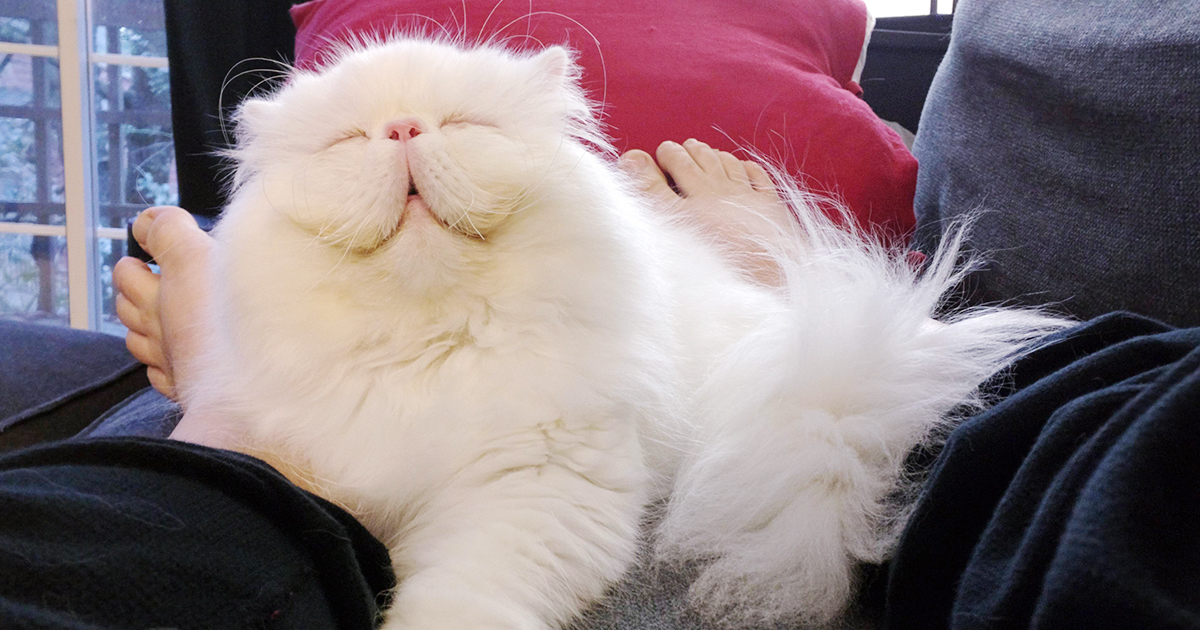
If the internet had an official emotional support department, it would almost certainly be run by cats. Not serious cats, of course. Not the ones staring into the middle distance like tiny Victorian landlords. We are talking about the happiest cats with the best smiles: the bright-eyed loafs, the biscuit-making champions, the squinty-faced cuddle experts, and the accidental comedians whose expressions make people stop scrolling and say, “Well, that just fixed my day.”
That is exactly why posts about smiling cats never seem to get old. They feel light, wholesome, and gloriously unbothered. One happy cat photo can do what ten motivational quotes cannot: make people grin without rolling their eyes first. But there is something even better than posting a random cute cat picture. It is posting a cat whose expression genuinely looks joyful, relaxed, and full of personality.
This matters because what people often call a “cat smile” is not always a literal smile in the human sense. Cats do not grin the way people do, but they absolutely communicate comfort, affection, trust, and contentment through facial expressions, posture, tail position, movement, and behavior. That means the best smiling-cat posts are not just cute by accident. They work because they capture a real emotional moment: a cat slow-blinking in the sun, leaning into a scratch, greeting a favorite person, or sitting there with a face that looks like it just heard excellent gossip.
So if you want to post the happiest cats who show the best smiles, you need more than fluff. You need feeling. You need timing. And, ideally, you need at least one cat who looks like it just won the lottery and would still like a second breakfast.
Why Cats Look Like They’re Smiling
The first thing to know is that a cat’s “smile” can come from a mix of anatomy and emotion. Some cats have naturally upturned mouths, rounded cheeks, soft eyes, or a permanently pleased expression that makes them look like tiny furry optimists. Other cats appear to smile because of the moment they are in: their eyes narrow gently, their whiskers relax, their body loosens, and their whole face shifts from alert to comfortable. In photos, that combination reads as joy.
That is why smiling cats are so fascinating. A dog’s happy face is often obvious and dramatic. A cat’s happy face is more subtle, more mysterious, and honestly a little smug. You have to read the whole cat, not just the mouth. A relaxed body, calm ears, soft blinking eyes, a tail held upright with a gentle curve, kneading, purring, and affectionate rubbing all help tell the story that the cat is comfortable and secure.
There is also the famous slow blink, the feline expression that many cat owners swear feels like a love letter. When a cat narrows its eyes and blinks slowly, it often signals trust and calm. That expression photographs beautifully because it looks peaceful, warm, and almost ridiculously photogenic. It is basically the cat version of saying, “I approve of this vibe.”
And then there are the cats whose smiles come from quirky features rather than classic beauty. A lopsided mouth, a tiny underbite, a broad muzzle, or a slightly crooked grin can make a cat unforgettable online. In fact, those cats often connect with people the fastest because they look unique, real, and full of character. Perfection is nice. Personality wins.
What a Truly Happy Cat Looks Like
Soft Eyes Beat a Big Grin
When people picture smiling cats, they often focus on the mouth. In reality, the eyes usually tell the bigger story. A happy cat tends to have soft, relaxed eyes rather than a hard stare. Half-closed lids, slow blinks, and a calm expression often signal contentment. It is less “cheese for the camera” and more “I am deeply pleased with the current snack-to-sunbeam ratio.”
The Tail Is the Mood Meter
A cat’s tail can make or break the mood of a photo. An upright tail with a slight curl at the tip often signals friendliness and confidence. A quivering upright tail can show excitement, especially in a greeting moment. On the other hand, a puffed tail, a tightly tucked tail, or furious lashing usually means your cat is not in a cheerful, post-worthy state. That may still be hilarious, but it is not exactly the “happiest cat smile” category.
Purring Is Great, but Context Matters
Purring can absolutely be part of a happy-cat moment. The same goes for kneading, head bunting, cheek rubbing, trilling, curling up near you, and leaning into petting. These behaviors often show contentment and affection. Still, smart cat people know context matters. A cat can purr when relaxed, but sometimes cats also purr when stressed or trying to self-soothe. That is why the best smile-posting moments are the ones where the whole body says “comfortable,” not just one sound.
Relaxed Posture Is the Real Gold Standard
If your cat is loafing peacefully, stretching out with total confidence, rolling onto its side, or draping itself across the furniture like it pays the mortgage, you are probably looking at a genuinely content animal. Add soft eyes and a slightly smiley face, and now you have premium internet material. People love cat photos that feel safe and real. A relaxed cat does not look posed. It looks like it is living its best life.
The Best Kinds of Smiling Cats to Post
Not all cat smiles have the same flavor. Some are bright and goofy. Some are soft and sleepy. Some look like the cat knows something you do not. The most engaging posts usually lean into the type of smile the cat naturally has.
The Sunshine Smiler
This cat is sitting in a patch of warm light with its eyes half closed and its face tilted just enough to suggest absolute peace. It looks like it has just returned from a wellness retreat and would like herbal tea, thanks. Sunshine-smile photos do well because they radiate calm and comfort.
The Biscuit Boss
A kneading cat often looks blissed out. The paws are working, the eyes are squinty, and the mouth somehow looks extra pleased. This kind of image is perfect for captions about happiness, comfort, or tiny CEOs making pastries nobody asked for but everybody appreciates.
The Greeter
These are the cats who trot toward the door with tails high, faces bright, and eyes full of happy recognition. If you catch a greeting moment, you are capturing a social smile, not just a pretty expression. Those photos feel emotional because viewers recognize the affection immediately.
The Quirky Grinner
Sometimes the most memorable smiling cats are the unusual ones: the rescue cat with the slightly crooked mouth, the flat-faced cat with a naturally comic expression, or the senior cat whose grin looks charmingly off-center. These cats remind people that joy is not about polish. It is about presence.
The Adventure Cat
A cat on a stroller ride, safely exploring a patio, lounging in a travel backpack, or enjoying a secure catio can look incredibly delighted. The expression often reads as curiosity mixed with confidence. Translation: “Yes, I am majestic. Please continue taking pictures.”
Why Happy Cat Posts Work So Well Online
The internet has no shortage of dramatic content, which is exactly why smiling-cat posts keep winning. They offer emotional contrast. A happy cat photo feels small, simple, and immediate. You do not need context. You do not need a headline with twelve tabs open. You see a cat looking delighted, and your brain says, “Fine. I needed this.”
There is also a deeper reason these posts perform so well: cats are expressive without being obvious. Viewers feel like they are discovering emotion rather than having it handed to them. That tiny bit of interpretation makes people more engaged. They look closer. They comment. They send the photo to friends with captions like, “This is the energy I want this week.”
Smiling-cat content also works because it blends humor and tenderness. A cat can look regal and ridiculous at the exact same time. It can seem deeply wise while sitting in a cardboard box with one paw hanging out. That contrast is social-media gold. The best posts are not overly polished. They feel spontaneous, affectionate, and a little weird. Which, to be fair, is also an excellent description of cats.
How to Capture the Best Cat Smile Photos
Do Not Force the Moment
The fastest way to ruin a happy cat photo is to turn it into a production. Cats are not tiny influencers waiting for direction. They are independent creatures with strong opinions, and one of those opinions is usually, “Stop that.” The best smiling photos happen when the cat already feels safe and relaxed.
Use Good Light and Better Timing
Natural light is your best friend. Morning window light or late afternoon sunshine brings out the softness in a cat’s face and eyes. If your cat tends to look extra content after meals, during cuddle time, or while settling into a favorite blanket, keep your camera ready then. The best smile is usually a half-second event between movement and nap.
Photograph Behavior, Not Just Appearance
Instead of waiting for a picture-perfect grin, watch for happy behaviors: slow blinking, cheek rubbing, kneading, stretching, loafing, tail-up greetings, playful pounces, or cozy lounging. These moments communicate joy better than a stiff, posed shot ever could.
Keep the Background Simple
A happy cat face should be the star of the show, not the pile of laundry auditioning in the background. A clean blanket, a sunny windowsill, a couch corner, or a favorite chair usually works well. Minimal visual clutter helps the cat’s expression do the heavy lifting.
Respect Your Cat’s Mood
If the ears are flat, the tail is twitching hard, the pupils are huge, or the cat is turning away, put the camera down. The goal is not to manufacture a smile. It is to notice one when it naturally appears. That is what makes these images so appealing in the first place.
Experiences That Make “Smiling Cat” Posts Feel Real
One of the best things about happy-cat content is that almost every cat owner has a story behind the face. The smile is never just a smile. It is usually a snapshot of a routine, a relationship, or a little turning point. A cat who looks thrilled in a photo may have just discovered a heated blanket. Another may be smiling because its favorite person finally sat down after a long day. A rescue cat’s relaxed expression may represent weeks or months of growing trust. That emotional background gives the image power.
People who live with cats often notice that the happiest smiles show up in ordinary moments. It might happen when the house gets quiet in the evening and the cat jumps into its usual spot. It might happen after a play session when the cat flops over dramatically, looking victorious and slightly overpaid. It might happen when a shy cat finally starts greeting visitors instead of vanishing under the bed like a furry magician. Those are the moments people remember, because they feel earned.
There is also something deeply funny about the way cat smiles sneak up on you. Many owners talk about taking one quick photo, only to realize later that their cat looked absurdly pleased in that exact frame. Maybe the whiskers were relaxed just right. Maybe the eyes were narrow and dreamy. Maybe the mouth happened to curl in a way that looked like a little grin. Suddenly the picture is not just cute. It is iconic. It becomes the one you send to everyone, print for your fridge, or use whenever life feels especially chaotic.
Smiling-cat experiences are especially meaningful in multi-cat homes, where every personality is different. One cat may be openly affectionate and easy to photograph, practically campaigning for fan attention. Another may be private, selective, and emotionally mysterious for months. Then one day that reserved cat slow-blinks from across the room, curls up nearby, or falls asleep with the softest satisfied face you have ever seen. That expression lands differently because it tells a story of trust. Even people who are not “cat experts” can sense it.
Senior cats often create some of the most moving smiling-cat moments. Their faces can be wonderfully expressive, with age adding character instead of taking it away. A sleepy old cat with a crooked grin, cloudy wisdom, and zero interest in nonsense can be more charming than any polished studio pet photo. There is history in that face. Comfort. Confidence. A sort of elegant grumpiness that somehow circles back around to adorable.
Then there are the silly experiences that make happy-cat photos unforgettable: the cat who smiles when the treat bag crinkles, the cat who looks delighted in a laundry basket, the cat who beams from inside a cardboard box as if it has achieved peak civilization. These moments feel universal because they remind people that happiness is often simple. Warm spot. Familiar human. Good meal. Interesting box. Excellent day.
That is why “post the happiest cats who show the best smiles” is such a fun theme. It is not really about perfect photography or viral numbers. It is about sharing visible joy. It is about capturing the tiny expressions that say a cat feels safe, comfortable, entertained, and completely itself. And honestly, in a world full of noise, that kind of content is not just cute. It is useful. A smiling cat can be comic relief, mood therapy, and proof that the little things still work.
Conclusion
The best smiling-cat posts do not rely on luck alone. They work because they capture authentic feline happiness: soft eyes, relaxed posture, affectionate behavior, confident movement, and the kind of expression that makes people smile back without realizing it. Whether your cat looks like a gentle philosopher, a sunshine addict, a proud biscuit maker, or a furry chaos goblin with perfect timing, the most memorable images are the ones that feel honest.
So post the happiest cats who show the best smiles. Post the sleepy smile, the greeting smile, the weird little underbite smile, the “I have conquered this blanket” smile. Post the moments that show comfort, trust, and personality. Because while cats may not smile exactly like humans do, they are more than capable of broadcasting joy in their own wonderfully dramatic language. And when that joy gets caught on camera, the internet is usually delighted to receive it.
Note: This article body is formatted for direct web publishing in standard American English and cleaned to exclude unnecessary citation placeholder artifacts.