If your kitchen has a drawer that sounds like it is hiding a flock of angry geese, congratulations: you probably have a plastic bag problem. One minute you save a few grocery bags “just in case,” and the next minute they have multiplied like they are paying rent. That is why smart plastic bag storage matters. It is not just about tidying up a cabinet. It is about making your home easier to use, cutting down on clutter, and giving those bags a real purpose before they become a chaotic under-sink tumbleweed.
The good news is that organizing plastic bags does not require a luxury pantry, a custom mudroom, or a minor spiritual awakening. You just need a simple system. The best plastic bag storage ideas keep bags easy to grab, easy to refill, and easy to sort into two clear categories: bags you want to reuse and bags you need to recycle. Once you do that, your kitchen storage starts working harder, your counters look calmer, and you stop being ambushed every time you open a cabinet door.
Why Plastic Bag Storage Matters More Than People Think
Plastic bag storage sounds like one of those tiny home organization topics that should not matter much. Then real life happens. You need a bag for a small trash can, a muddy pair of sneakers, wet swimwear, car trash, or a dog walk. Suddenly those humble grocery bags become the understudies of household management: never the stars, but always saving the show.
A good storage system also helps you use fewer bags overall. When bags are stuffed randomly in three different places, you forget what you have and grab new ones. When they are folded, corralled, or tucked into a dispenser near the pantry, laundry room, or garage, you are more likely to reuse what is already in the house. That is good for your space, your routine, and your sanity.
There is another practical reason to organize them: not every bag belongs in the same pile. Some are still strong enough to reuse. Others are torn, sticky, stretched out, or better suited for store drop-off recycling if your local program accepts plastic film. Storage is not just about hiding the mess. It is about making decisions easier.
Start With a Ruthless Plastic Bag Edit
Before you buy a cute bag holder or start folding like a kitchen origami champion, declutter. This step is the difference between a useful organizer and a prettier version of the same mess. Empty your current bag stash onto a counter or table and sort it fast.
Keep
Keep clean, dry bags that are still in good shape. These are the ones with intact handles, no holes, and no mysterious crumbs hiding in the corners. Reusable shopping bags, insulated totes, produce bags, and a reasonable number of standard grocery bags can all earn a place in your system.
Recycle
Set aside bags that are damaged, excessive, or no longer worth storing. In many communities, plastic bags and film should not go in the curbside recycling bin, so check your local rules and use a store drop-off program where available. Clean and dry bags are the only ones worth sending down that road.
Toss
If a bag is sticky, ripped, smelly, or carrying the emotional residue of leaking chicken juice, let it go. Not every bag is a hero. Some are just auditioning for the trash.
Once you declutter, set a limit. That is the real secret. Decide how many plastic grocery bags your household realistically uses in a week or month. Maybe that is 15. Maybe it is 30 if you have several small trash cans and an enthusiastic dog. The point is to give your bag collection a size boundary so it stops quietly colonizing your kitchen.
The Best Places to Store Plastic Bags
The smartest spot for plastic bag storage is not necessarily the prettiest spot. It is the place where you naturally reach for bags. Function wins. Always.
Under the Kitchen Sink
This is the classic choice for a reason. Small trash can liners, quick cleanups, and food-related messes all happen nearby. A slim dispenser, lidded bin, or even a repurposed container works well here. The trick is to keep the bags vertical or compressed so they do not spread like a soap-opera rumor.
Inside a Pantry Door
If your pantry is command central, the inside of the door is prime real estate. Hooks, hanging dispensers, or narrow wall-mounted organizers can turn dead space into useful storage. This is especially handy if you also keep reusable shopping bags, produce bags, or lunch-packing supplies nearby.
Laundry Room or Mudroom
These spaces are underrated plastic bag headquarters. A hanging cloth or mesh holder in the laundry room makes sense for wet clothes, dirty shoes, and random messes. In a mudroom, it becomes a grab-and-go station for pet walks, car clutter, or quick errands.
Garage or Car
Reusable bags belong where they are most likely to be remembered, which often means the car. A basket, trunk organizer, or hook behind a seat keeps them visible but contained. For single-use grocery bags you plan to reuse, a small bundle in the glove compartment or console can be useful for car trash, wet umbrellas, and roadside snack emergencies.
Best Plastic Bag Storage Ideas That Actually Work
Not every home needs the same setup. A family of five shops differently than a studio apartment dweller who orders groceries twice a week and treats the pantry like a minimalist art installation. Here are the most practical plastic bag storage ideas for real households.
1. Use a Dedicated Bag Dispenser
A plastic bag dispenser is one of the easiest ways to tame the clutter. Some mount to a cabinet door, some hang on the wall, and some sit neatly in a cabinet. They work because they create a limit. When the dispenser is full, that is your signal to stop saving every bag like it is a collector’s item.
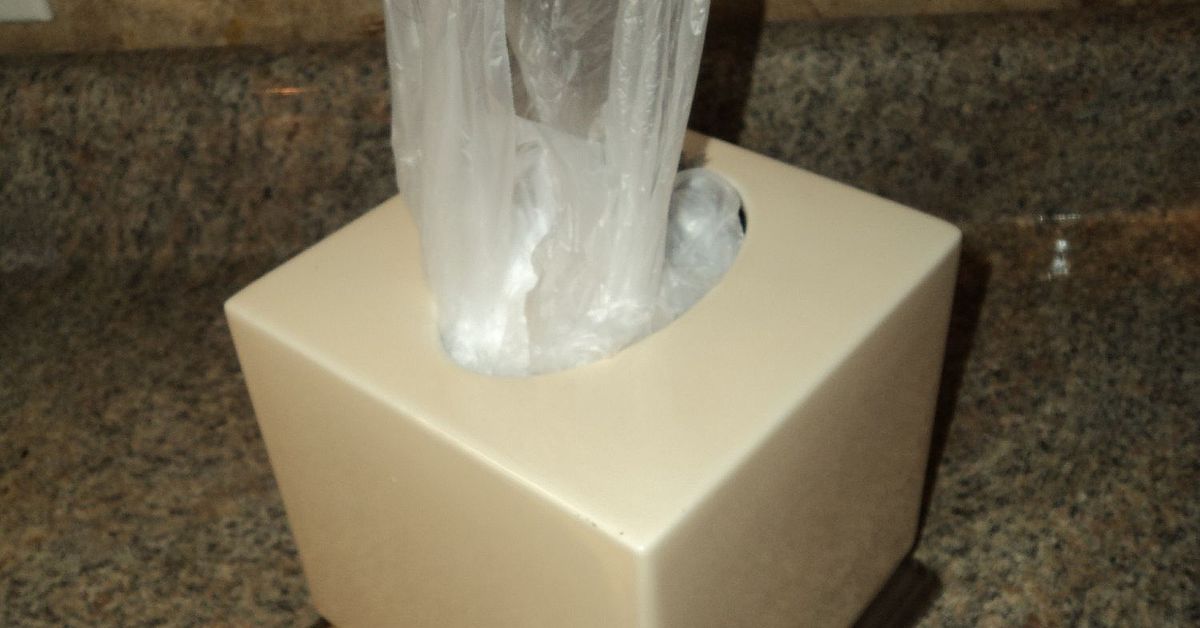
2. Repurpose a Tissue Box or Wipes Container
This is the budget-friendly classic. Fold or stuff bags into an empty tissue box or a cleaned-out wipes container, then pull them out one at a time. It is simple, compact, and surprisingly effective. It also gives suspiciously cute packaging a second life.
3. Try a Fabric or Mesh Holder
A cloth or mesh bag holder is great if you prefer a softer look than hard plastic or metal. These work especially well in laundry rooms, utility closets, and mudrooms. Stuff bags in the top, pull one from the bottom, and move on with your day like the organized person you always knew you could be.
4. Use a Small Lidded Bin
If you want a cleaner visual, use a lidded bin. This is especially helpful under the sink where cleaning products and spare sponges already compete for space. A bin keeps the bags contained, hidden, and less likely to become tangled with everything else you own.
5. File-Fold Reusable Bags in a Basket
Reusable shopping bags are often bulkier than standard plastic grocery bags, so they need a different approach. Fold them into rectangles and stand them upright in a basket or open bin. This file-fold method makes each one visible, which means you will actually use them instead of buying new ones and pretending that was always the plan.
6. Hang Bags on Hooks
Hooks are a small-space hero. Add a few inside the pantry, on the side of a shelf, or in the garage for reusable totes and produce bags. Vertical storage frees up shelves and makes awkward bags easier to grab.
7. Use a Drawer Organizer for Food Storage Bags
If your article topic stretches beyond grocery bags and into sandwich bags, freezer bags, and plastic wrap, drawer organization is your best friend. A divided organizer keeps sizes sorted and easy to reach. It is one of those small upgrades that makes lunch prep feel oddly sophisticated.
How to Fold Plastic Bags So They Behave Themselves
You do not have to fold every plastic bag, but folding can cut down on volume and make a small stash much easier to manage. The triangle fold is a common favorite. Lay the bag flat, fold it lengthwise into a strip, then fold it into triangles until you reach the handles. Tuck the handles in, and you have a compact little packet instead of a puffy kitchen ghost.
If that sounds like too much effort for an object once entrusted with avocados and cereal, there is a second option: controlled stuffing. Flatten each bag, smooth the air out, and tuck several into a dispenser or box. The key is not elegance. The key is preventing the bag blob from becoming sentient.
Reuse First, Then Recycle With Intention
The best plastic bag storage system supports reuse before disposal. Keep a small, realistic supply of clean bags for household chores. They are handy for bathroom trash cans, packing shoes in luggage, collecting car trash, wrapping paintbrushes between coats, or picking up after pets. Stored well, they become useful tools instead of clutter.
When your stash grows beyond what you will actually use, move excess bags into a separate recycling collection container. Label it if needed. That one distinction, reuse versus recycle, keeps your daily storage zone from getting overrun. It also prevents that familiar household mystery: “Why do we have 97 bags, and why am I still buying small trash liners?”
For recycling, remember the basics. Bags and plastic film often need to be clean, dry, and taken to a designated drop-off site rather than placed in a curbside bin. Receipts, food residue, and mixed materials can cause problems. In other words, your bag storage strategy should make it easy to keep recyclable film separate from truly dirty or unusable plastic.
Common Plastic Bag Storage Mistakes
Saving Every Bag
A storage solution is not permission to become a bag historian. Keep what you use. Release the rest.
Mixing Reusable and Disposable Bags Together
These categories behave differently, store differently, and serve different purposes. Give them separate homes.
Hiding Bags Too Well
If your reusable bags are buried behind slow cookers and holiday platters, you will forget them. Store them near the door, in the car, or beside your keys.
Ignoring Dirty Bags
Any bag meant for reuse or recycling should be clean and dry. Otherwise, it is just clutter with bad intentions.
Buying an Organizer Before Editing the Stash
This is like buying bigger jeans for your closet habits. Declutter first. Organize second.
Everyday Experiences With Plastic Bag Storage
Plastic bag storage becomes important in the most ordinary moments, which is probably why so many people put off fixing it. It does not feel urgent until the exact second it becomes annoying. Maybe you are trying to change the tiny trash can in the bathroom and discover that your grocery bags are split between the pantry, the hall closet, and the trunk of the car. Maybe you open the cabinet under the sink and one loose bag catches on a spray bottle, another drapes itself over the drainpipe, and suddenly the whole space looks like a low-budget haunted house.
There is also the familiar grocery-day ritual. You bring everything in, set the bags on the counter, unload the milk, the bread, and the suspiciously overripe bananas, and then you are left holding six or seven empty bags. In that moment, most homes reveal their true system. Either there is a clear place for those bags to go, or there is a vague household tradition called “shove them somewhere and hope for the best.” The second option works until it absolutely does not.
Families with kids often experience bag storage as part of a bigger daily scramble. Reusable bags may live in the car, but only if someone remembers to put them back after unpacking groceries. Otherwise they drift into the laundry room, the front hall, or the corner of the kitchen, where they become lumpy monuments to good intentions. Meanwhile, standard plastic grocery bags pile up under the sink because they are useful for bathroom bins, lunchbox emergencies, wet swimsuits, muddy cleats, and the random school project that apparently requires transporting half the craft closet by tomorrow morning.
Pet owners have their own version of this story. A small stash of bags near the leash, garage door, or mudroom can make daily life much easier. Without a system, though, you get that frantic pre-walk shuffle where someone is patting every coat pocket and kitchen drawer looking for a bag while the dog performs dramatic interpretive dance by the door.
Travel adds another layer. People often realize how useful stored plastic bags are only when packing. Suddenly they are perfect for shoes, dirty laundry, toiletries that might leak, and snacks that should not mingle with everything else in a suitcase. The same goes for road trips, when a few tucked into the car can handle trash, wet clothes, and messy surprises without any fanfare.
What makes a good plastic bag storage system feel so satisfying is not that it is fancy. It is that it quietly removes friction from ordinary life. You stop wasting time hunting for bags. You stop over-saving because you can see your limit. You stop buying duplicates of reusable totes because the ones you already own are finally visible. The cabinet looks better, yes, but the bigger win is that your home feels more cooperative. And honestly, any organizational trick that makes your house act less like a prankster deserves a little respect.
Conclusion
The best plastic bag storage system is simple, realistic, and built around how your household actually lives. Start by decluttering the stash. Keep only clean, useful bags. Separate reusable bags from plastic grocery bags and recycling-bound film. Then choose a storage method that fits your space, whether that is a dispenser under the sink, a fabric holder in the laundry room, a basket for reusable totes, or a trunk organizer in the car.
Plastic bag storage is one of those tiny home upgrades that punches above its weight. It saves space, reduces visual clutter, supports better reuse habits, and makes everyday chores easier. Best of all, it turns a chaotic pile of “I might need this later” into a tidy system you will actually use. And that, in home organization terms, is a beautiful thing.