A pimple on the stomach can feel weirdly personal. One day your belly is minding its own business, and the next day there is a red bump sitting there like it signed a lease. The good news: most stomach pimples are harmless and temporary. The less-good-but-still-manageable news: not every bump on the stomach is true acne. Some are clogged pores, some are irritated hair follicles, some are ingrown hairs, and some are tiny skin dramas caused by sweat, friction, shaving, bacteria, yeast, bug bites, or contact with irritating products.
This guide explains the most common causes of a pimple on the stomach, how to treat it safely, how to prevent new bumps, and when a “simple pimple” deserves a medical check. Think of it as a calm, practical map through the land of belly bumpsno panic, no squeezing, and absolutely no pretending toothpaste is a skincare product.
What does a pimple on the stomach look like?
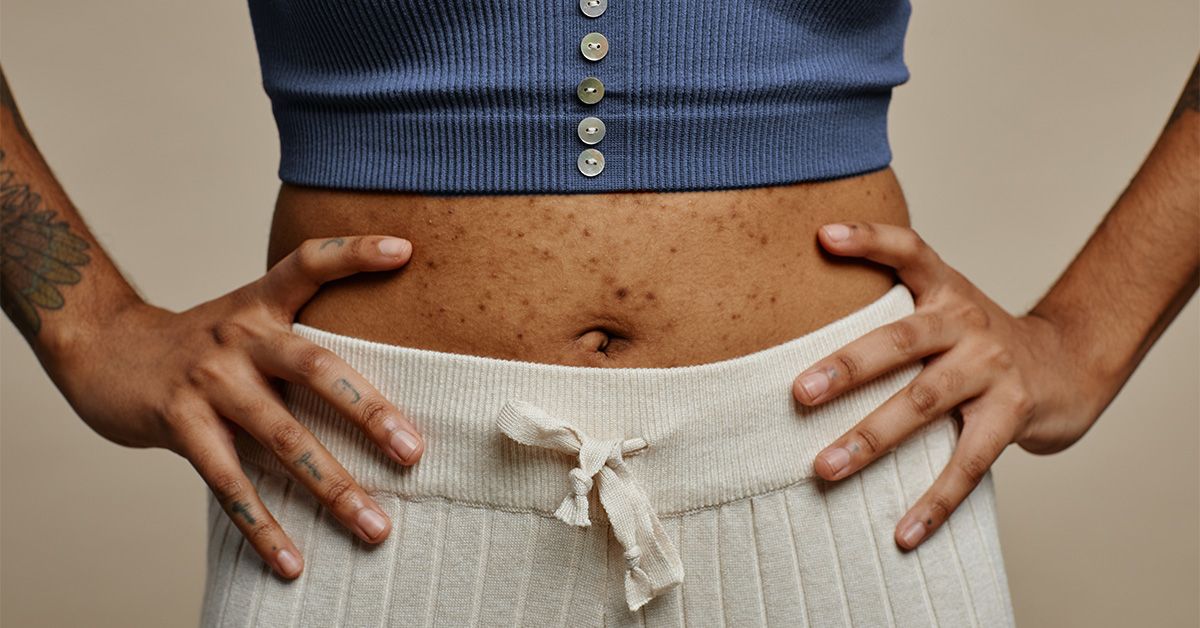
A stomach pimple may appear as a small red, pink, brown, or skin-colored bump. It may have a white center, feel tender, itch, or sit near a hair follicle. Some bumps are isolated, while others appear in clusters, especially after sweating, tight clothing, shaving, waxing, or wearing a waistband that rubs the same area all day.
True acne happens when hair follicles become clogged with oil and dead skin cells. Although acne is more common on the face, chest, shoulders, and back, it can happen anywhere there are hair follicles, including the abdomen. However, a stomach “pimple” is often folliculitis, which is inflammation or infection of a hair follicle. Folliculitis can look very similar to acne, which is why the stomach bump mystery can feel like a tiny dermatology quiz you did not study for.
Common causes of a pimple on the stomach
1. Clogged pores and body acne
Body acne forms when pores become blocked by oil, dead skin cells, bacteria, and sometimes product residue. The stomach is not the most famous acne zone, but it can still break out, especially if sweat and friction are involved. Heavy lotions, oily sunscreens, tight athletic clothing, and not showering after a sweaty workout can all create a pore-clogging environment.
These pimples may look like whiteheads, small inflamed bumps, or tender red spots. If the bump is mild, it usually improves with gentle cleansing and over-the-counter acne ingredients such as benzoyl peroxide or salicylic acid. The key word is gentle. Scrubbing your stomach like a dirty frying pan can make irritation worse.
2. Folliculitis
Folliculitis is one of the most common reasons for pimple-like bumps on the stomach. It occurs when hair follicles become inflamed, often due to bacteria, yeast, friction, sweat, shaving, or trapped moisture. It may cause small bumps around hair follicles, and the area may itch, sting, or feel sore.
Folliculitis can appear after wearing tight waistbands, sweaty workout clothes, compression garments, or synthetic fabrics that trap heat. It may also show up after hot tub or pool exposure if the water is not properly maintained. In many mild cases, folliculitis improves with good hygiene, loose clothing, warm compresses, and avoiding whatever triggered it.
3. Ingrown hair
An ingrown hair happens when a hair grows back into the skin instead of rising out of it. Shaving, tweezing, or waxing the stomach area can increase the chance of ingrown hairs. The bump may look like a pimple, and you might notice a tiny hair trapped under the skin.
Ingrown hairs are more likely in areas where hair is coarse, curly, or shaved very closely. They can be tender or itchy, but they often improve if you stop shaving the area for a while and keep the skin calm. Do not dig at the bump with tweezers or fingernails. Your skin is not a treasure chest, and forced excavation can lead to infection or scarring.
4. Friction from clothing
Tight jeans, leggings, belts, shapewear, sports uniforms, and waistbands can rub the stomach repeatedly. Add sweat, heat, and movement, and you have a perfect little irritation factory. Friction can clog pores, irritate follicles, and create red bumps that look like acne.
If your pimple is right where your waistband sits, friction is a strong suspect. This is especially common during hot weather, after exercise, or when clothing traps moisture against the skin.
5. Sweat and heat
Sweat itself is not “dirty,” but when it mixes with oil, dead skin cells, bacteria, and tight clothing, the skin can become irritated. Heat rash can also cause small red or itchy bumps on the stomach, especially when sweat ducts become blocked. These bumps may appear after hot weather, intense exercise, or long periods in non-breathable clothing.
Showering after sweating, changing out of damp clothes, and choosing breathable fabrics can make a major difference. Your skin likes a chance to breathe. It is dramatic that way, but honestly, fair.
6. Contact dermatitis
Sometimes a bump on the stomach is not acne at all. Contact dermatitis is an itchy rash caused by direct contact with an irritant or allergen. Common triggers include fragrances, body washes, laundry detergents, fabric softeners, nickel from belt buckles or jean buttons, adhesive bandages, lotions, and certain plants.
Contact dermatitis may cause itchy, red, swollen, dry, blister-like, or burning patches. If the rash lines up with a belt buckle, waistband, new lotion, or laundry product, the culprit may be something touching your skin rather than something happening inside the pore.
7. Bug bites
Bug bites can mimic pimples, especially when they appear as itchy bumps on exposed skin. Mosquitoes, fleas, mites, and bedbugs can leave small raised bumps that may be mistaken for acne. Bites often itch more than they hurt, and they may appear in groups or lines.
Scratching bug bites can break the skin and allow bacteria to enter, which may lead to infection. If a “pimple” started as an itchy bite and later became more painful, swollen, warm, or pus-filled, it may need medical attention.
8. Boils or skin abscesses
A boil is a deeper infection around a hair follicle. It may start like a tender pimple but becomes larger, more painful, swollen, and filled with pus. Boils are often caused by staph bacteria. Unlike a small pimple, a boil may feel firm, warm, and deeply sore.
Do not squeeze or cut a boil at home. Warm compresses may help with comfort, but large, worsening, recurrent, or very painful boils should be checked by a healthcare professional. Some need proper drainage or prescription treatment.
9. Fungal folliculitis
Fungal folliculitis, sometimes called “fungal acne,” is caused by yeast overgrowth in hair follicles. It can create small, itchy, uniform bumps on the chest, back, shoulders, or abdomen. It may be more likely in hot, humid conditions or after heavy sweating.
Because fungal folliculitis can look like acne but does not respond well to regular acne treatments, persistent itchy clusters may need a clinician’s diagnosis. Treatment may involve antifungal products rather than standard acne creams.
10. Hidradenitis suppurativa
Hidradenitis suppurativa is a chronic inflammatory skin condition that causes painful lumps, abscesses, and sometimes tunnels under the skin. It is more common in areas where skin rubs together, such as the armpits, groin, buttocks, under the breasts, and sometimes around the waistline or lower abdomen.
If you get recurring painful “pimples” or boil-like bumps in the same areas, especially if they drain, scar, or keep returning, do not just keep blaming your jeans. A dermatologist can help identify whether hidradenitis suppurativa or another condition is involved.
How to treat a pimple on the stomach at home
Clean the area gently
Wash the area with a mild cleanser and lukewarm water. Avoid harsh scrubs, rough washcloths, and aggressive exfoliation. If the bump seems acne-like or folliculitis-like, a benzoyl peroxide wash may help reduce acne-causing bacteria, but it can bleach towels and clothing. Use it carefully and rinse well.
Try a warm compress
A warm, moist compress can soothe tenderness and may help a blocked follicle or mild boil come to a head naturally. Apply a clean warm cloth for 10 to 15 minutes at a time. Use a fresh cloth each time, and wash towels after use. Warm compresses are not glamorous, but they are often more useful than half the “miracle hacks” online.
Use acne ingredients wisely
For small acne-like bumps, over-the-counter ingredients may help. Benzoyl peroxide can reduce bacteria and inflammation. Salicylic acid can help loosen dead skin cells and reduce clogged pores. Adapalene, an over-the-counter retinoid, may help prevent clogged pores when used consistently, but it can irritate sensitive skin.
Start slowly. Apply products only as directed, avoid broken skin, and stop using anything that causes severe burning, swelling, hives, or trouble breathing. Rare allergic reactions can happen with acne products, so patch testing a small area first is a smart move.
Avoid popping or picking
Popping a stomach pimple may push inflammation deeper, introduce bacteria, delay healing, and increase the risk of dark marks or scars. This is especially true if the bump is a boil, ingrown hair, or infected follicle. Your fingers may be determined, but they are not sterile medical instruments.
Switch to loose, breathable clothing
Wear loose cotton or moisture-wicking clothing while the bump heals. Avoid tight waistbands, belts, or fabrics that rub the area. If the pimple sits exactly under a waistband, give that spot a break whenever possible.
Pause shaving or waxing
If the bump appeared after shaving or waxing, stop hair removal until the skin heals. When you resume, use a clean razor, shave in the direction of hair growth, avoid stretching the skin too tightly, and use a gentle shaving gel. If ingrown hairs keep happening, trimming may be better than shaving close.
Protect irritated skin
If clothing rubs the bump, a breathable bandage may reduce friction. Change it daily and avoid adhesives if they trigger irritation. If the area becomes wetter, more painful, or more inflamed under a bandage, remove it and let the skin breathe.
When to see a doctor
Most small stomach pimples improve within a few days to two weeks. However, you should contact a healthcare professional if the bump is rapidly growing, very painful, warm, spreading, draining a lot of pus, or surrounded by expanding redness. Also seek care if you have fever, feel unwell, have diabetes, have a weakened immune system, or get recurrent boils or abscesses.
A painful blistering rash on one side of the abdomen may be shingles, especially if it burns, tingles, or forms a stripe-like pattern. Shingles is not the same as a pimple and should be evaluated promptly, because early treatment can help reduce complications.
You should also see a clinician if bumps keep coming back in the same place, leave scars, form tunnels, or appear in skin folds with repeated drainage. These signs may point to a chronic skin condition that needs a more targeted treatment plan.
How to prevent pimples on the stomach
Shower after sweating
After workouts, hot weather, or long sweaty days, shower and change into clean clothing. Leaving sweat-soaked fabric against your stomach can encourage irritation and clogged follicles.
Choose non-comedogenic products
Use lightweight, non-comedogenic lotions and sunscreens. Heavy oils and thick balms may be fine for some skin types, but if you notice bumps after using them on your abdomen, switch to a lighter formula.
Wash workout clothes and towels regularly
Reusable towels, gym clothes, and tight athletic wear can hold sweat, oil, and bacteria. Wash them after each use. If your towel smells like it has developed a personality, it is time for laundry.
Reduce friction
If waistbands trigger bumps, try softer fabrics, looser fits, or different styles. During workouts, moisture-wicking clothing may help reduce trapped sweat. For people prone to friction bumps, small changes in clothing can make a big difference.
Be careful with shaving
Use a clean, sharp razor and shaving cream or gel. Avoid dry shaving. Do not shave over active bumps. If you often get ingrown hairs, consider trimming instead of close shaving.
Use gentle laundry products
If your stomach bumps are itchy or rash-like, try fragrance-free detergent and skip fabric softener for a few weeks. Fragrance, dyes, and residues can irritate sensitive skin, especially where clothing sits tightly against the body.
Keep skin moisturized but not greasy
Dry, irritated skin is more vulnerable to friction and inflammation. A light, fragrance-free moisturizer can support the skin barrier without clogging pores. Apply it after showering when the skin is slightly damp.
What not to do
Do not squeeze deep or painful bumps. Do not apply harsh chemicals, rubbing alcohol, lemon juice, or toothpaste. Do not use someone else’s prescription antibiotic or steroid cream without medical guidance. Do not keep applying an acne product if the area becomes severely irritated. And please, do not perform bathroom surgery on a bump. The bathroom lighting may be dramatic, but it is not an operating room.
Practical examples: what your stomach bump might mean
The waistband bump
If the bump appears exactly where your jeans, belt, or leggings rub, friction and sweat are likely involved. Try loose clothing, gentle cleansing, and a warm compress. If it keeps recurring, change the clothing style or fabric.
The post-workout cluster
Several small bumps after workouts may suggest folliculitis, heat rash, or body acne. Shower quickly after sweating, wash gym clothes, and consider a benzoyl peroxide body wash a few times weekly if your skin tolerates it.
The shaving bump
A bump after shaving may be an ingrown hair or irritated follicle. Stop shaving until it heals. Use warm compresses and avoid picking. Next time, shave gently in the direction of growth or trim instead.
The itchy rash that is not really a pimple
If the area is very itchy, patchy, and appears after a new detergent, lotion, belt buckle, or adhesive bandage, contact dermatitis may be the issue. Remove the trigger, use gentle skin care, and ask a clinician about appropriate anti-itch treatment if it does not improve.
Experience-based section: real-life lessons from dealing with stomach pimples
One of the most common experiences with a pimple on the stomach is confusion. People often expect acne to stay on the face like a polite guest, but skin has pores almost everywhere. The stomach also deals with a lot: waistbands, sweat, pressure from sitting, gym clothes, body lotions, sunscreen, shaving, and the occasional snack crumb that somehow ends up under a shirt. So when a belly bump appears, the first useful step is not panic. It is observation.
A practical habit is to look for patterns. Did the bump appear after a long workout? After wearing tight jeans all day? After using a new body lotion? After shaving? After sleeping somewhere new where bug bites are possible? Patterns are often more helpful than guessing. For example, if bumps show up after wearing a tight belt, the solution may be as simple as reducing friction. If they appear after heavy sweating, faster showering and clean clothing may help. If they show up after a new detergent, your skin may be waving a tiny protest sign.
Another helpful lesson is patience. Many people want a bump gone immediately, preferably before tomorrow morning and ideally before anyone notices. But skin healing is not a microwave meal. A mild pimple or irritated follicle may need several days to calm down. During that time, the best approach is usually boring: gentle washing, no squeezing, loose clothing, warm compresses, and avoiding the trigger. Boring skincare is often underrated. It does not trend as well as a glittery serum, but it works harder.
People also learn quickly that picking makes things worse. A small bump that might have faded quietly can become redder, angrier, and slower to heal after repeated squeezing. Picking can also leave post-inflammatory dark marks, especially in medium to deep skin tones. The stomach may be covered by clothing most of the time, but marks and scars can still be frustrating. The “hands off” rule is simple, but it is one of the most effective.
For recurring stomach pimples, prevention usually beats rescue treatment. Keeping a gentle body wash in the shower, changing out of sweaty clothes quickly, washing towels regularly, and choosing breathable fabrics can reduce repeat flare-ups. People who shave their stomach area may benefit from trimming instead, using a fresh razor, and avoiding close shaving over irritated skin. People who use thick oils or heavy lotions may notice improvement after switching to non-comedogenic, fragrance-free products.
There is also an emotional side. Even a small bump can make someone feel embarrassed, especially at the beach, gym, pool, or during intimate moments. But stomach pimples are common, human, and usually manageable. Skin is not supposed to look airbrushed every day. It reacts to heat, hormones, friction, bacteria, products, and life in general. A single pimple is not a hygiene failure. It is just skin doing skin thingsoccasionally with too much enthusiasm.
The most important experience-based takeaway is knowing when to stop self-treating. If a bump becomes very painful, spreads, feels hot, drains, comes with fever, or keeps returning, professional care is the wise move. Dermatologists and primary care clinicians see these problems all the time. To them, your mysterious stomach bump is not shocking. It is Tuesday.
Conclusion
A pimple on the stomach is usually caused by clogged pores, folliculitis, ingrown hair, sweat, friction, contact dermatitis, or irritation from clothing and products. Most mild bumps can be managed at home with gentle cleansing, warm compresses, loose clothing, and careful use of acne ingredients. Prevention often comes down to reducing sweat buildup, avoiding friction, choosing non-comedogenic products, and treating your skin like a living barriernot a stubborn countertop.
Still, not every stomach bump is ordinary acne. Painful, spreading, recurring, blistering, or pus-filled bumps deserve medical attention. When in doubt, get it checked. Your skin does not need panic, but it does appreciate common sense.